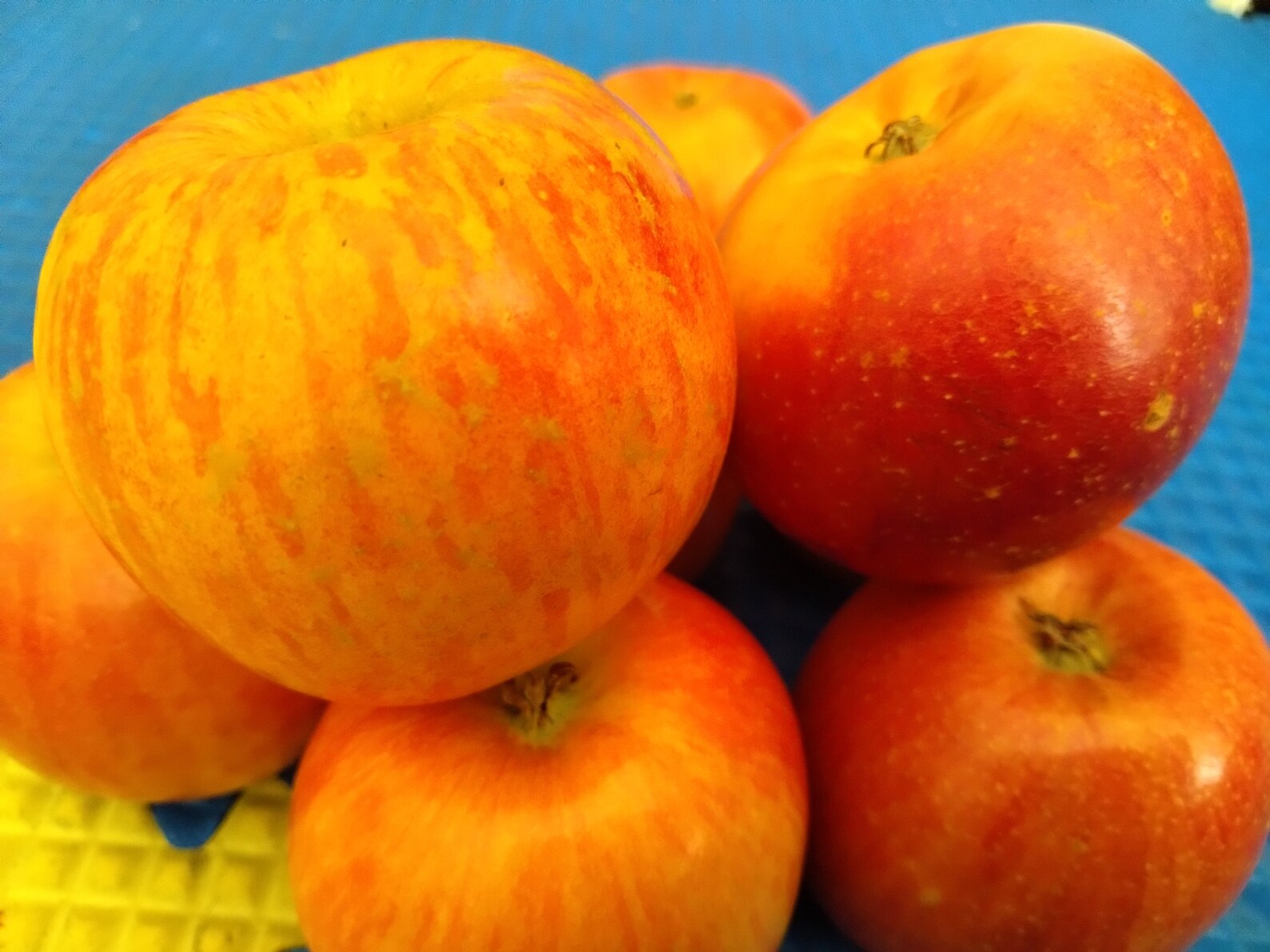
Apples that are sweet and crisp, such as Honeycrisp, Cosmic Crisp, Fuji, and Envy, are the premier choices for consumers seeking a high sugar content paired with a firm, shattering texture. These varieties are specifically bred to maintain cellular integrity, ensuring a refreshing "snap" and a dessert-like flavor profile.
The Evolution of the "Sweet and Crisp" Profile
The preference for apples that are both sweet and crisp has fundamentally reshaped the global orchard landscape over the last few decades. Historically, the apple market was dominated by varieties like the Red Delicious, which prioritized shelf life and uniform color over texture and complex flavor. However, as of 2026, the consumer mandate is clear: the modern apple must offer a sensory experience defined by "crunch" and high "brix" (the measurement of sugar content).
A "crisp" apple is defined by its cellular structure. When you bite into a crisp apple, the cell walls actually rupture rather than pulling apart. This rupturing releases the juice held within the cells instantaneously, creating the sensation of juiciness and a loud, audible snap. In contrast, "mealy" apples have cell walls that slide past each other without breaking, leading to a dry, soft, or sandy texture.
Sweetness is equally scientific. It is governed by the sugar-to-acid ratio. While all apples contain malic acid, sweet varieties have a higher concentration of fructose and sucrose that masks the acidity. In the current 2026 market, the most successful varieties are those that balance this sweetness with just enough acidity to provide "brightness" or "tang," preventing the flavor from becoming cloyingly one-dimensional.
Top Varieties of Sweet and Crisp Apples
When navigating the produce aisle or a local orchard, certain names stand out as the gold standard for this specific texture and flavor profile.
Honeycrisp: The Industry Disruptor
Developed by the University of Minnesota and released in the 1990s, the Honeycrisp is the progenitor of the modern crisp apple movement. Its cells are twice the size of those in other apples, which allows it to hold significantly more juice. When those large cells burst, the result is an unparalleled crunch.
In 2026, Honeycrisp remains a premium apple, often commanding higher prices due to its difficult growing requirements. It is prone to "bitter pit" (a calcium deficiency) and has a thin skin that bruises easily. Despite these horticultural challenges, its honey-like sweetness and explosive texture make it a perennial favorite for fresh eating.
Cosmic Crisp (WA 38): The Modern Powerhouse
A cross between the Honeycrisp and the Enterprise, the Cosmic Crisp was developed by Washington State University. It was specifically bred to take the best traits of the Honeycrisp—the shattering crispness—and combine them with the storage capabilities and disease resistance of the Enterprise.
The Cosmic Crisp is remarkably dense and slow to brown when sliced. Its flavor profile is intensely sweet with a slightly more robust acidic backbone than the Honeycrisp, giving it a complex, vinous quality. As of 2026, it is one of the most widely available sweet-and-crisp varieties in North America due to massive planting initiatives in Washington State.
Fuji: The Sweetness King
Originating from Japan in the late 1930s, the Fuji apple is world-renowned for having one of the highest sugar levels of any commercial variety. While it does not have the "explosive" crunch of a Honeycrisp, it is incredibly firm and dense.
Fujis are late-season apples, often harvested in October or November. This long hanging time on the tree allows them to accumulate sugars, sometimes resulting in a "water core"—a translucent, syrupy area around the seeds that indicates extreme sweetness. They are an excellent choice for those who want a long-lasting apple, as they can stay crisp in cold storage for months.
Envy: The Gourmet Sensation
Envy is a trademarked brand of the Scilate variety, a cross between Royal Gala and Braeburn. It has gained significant traction in the 2026 market for its consistent quality. Envy apples are characterized by a very white flesh that is slow to oxidize (brown) and a flavor that many describe as having hints of pear and vanilla.
The texture of an Envy apple is more refined than the Honeycrisp; it is crisp and firm but with a finer grain. It is a "club apple," meaning only licensed growers can produce it, which ensures that the fruit meeting the Envy label is consistently sweet and high in quality.
Gala: The Reliable Classic
While often considered a "standard" apple, a fresh Royal Gala is a benchmark for sweetness. It is milder than the Fuji or Cosmic Crisp, with a floral aroma and a thin skin that makes it popular for children. While Galas can lose their crispness faster than the newer hybrids if left at room temperature, a properly refrigerated Gala provides a satisfying, light crunch and a dependable sugary hit.
Comparison of Sweet and Crisp Apple Varieties
To help you decide which variety fits your specific needs, the following table compares the most popular sweet and crisp apples available in 2026.
| Variety | Texture Profile | Sweetness Level (1-10) | Primary Flavor Notes | Best Use |
|---|---|---|---|---|
| Honeycrisp | Explosive/Shattering | 8 | Honey, Light Tartness | Fresh eating, Salads |
| Cosmic Crisp | Dense/Crunchy | 9 | Rich, Vinous, Sweet | Slicing, Baking, Snacking |
| Fuji | Firm/Crisp | 10 | Syrupy, Dulce de Leche | Long-term storage, Snacking |
| Envy | Fine-grained/Crisp | 9 | Vanilla, Pear, Sweet | Cheese boards, Fresh eating |
| Gala | Light/Crisp | 7 | Floral, Pear, Mild | Kids' snacks, Sauces |
| Ambrosia | Creamy/Crisp | 8 | Honey, Low-Acid | Fresh eating |
| Sweetango | Ultra-Crisp | 8 | Spiced, Tangy-Sweet | Early season snacking |
The Science of Selection: How to Find the Sweetest, Crispiest Fruit
Even the best variety can underperform if it hasn't been handled or stored correctly. Use these expert criteria to ensure you are selecting fruit at its peak.
1. Assessment of Firmness
Gently pressure the skin with your thumb. A truly crisp apple will feel rock-hard. If there is any "give" or if the skin wrinkles under slight pressure, the apple has likely lost its turgor pressure (internal water pressure), indicating it will be mealy or soft.
2. The Stem Test
Look for apples with the stem still attached. A green, supple stem indicates a recently harvested fruit. A shriveled, dark, or missing stem suggests the apple has been in long-term storage or exposed to higher temperatures, which can degrade the crispness.
3. Surface Color and "Ground Color"
For sweet varieties like Fuji or Gala, look for a "blush" of red. However, the most important indicator is the "ground color"—the part of the skin not covered by red. If the ground color is green, the apple may have been picked underripe and will be more tart. If the ground color is creamy or yellow, the starches have converted to sugars, ensuring a sweet experience.
4. Weight for Size
Pick up two apples of similar size. The heavier one is likely juicier and crisper. This density indicates that the cells are fully hydrated and packed with sugars and water.
Proper Storage to Maintain Crispness
In 2026, modern refrigeration has improved, but home storage remains the biggest factor in an apple's decline. Apples are climacteric fruits, meaning they continue to ripen after being picked by releasing ethylene gas.
- Keep them Cold: Apples ripen 10 times faster at room temperature than they do in the refrigerator. To maintain that "snap," store them in the crisper drawer immediately after purchase.
- Manage Humidity: Modern refrigerators can be very dry. Store apples in a perforated plastic bag to retain moisture without "suffocating" the fruit. This prevents the skin from shriveling.
- Isolate from Other Produce: Because apples release ethylene, they can cause leafy greens to wilt and carrots to become bitter. Keep them in their own dedicated drawer.
Culinary Applications for Sweet and Crisp Apples
While many people prefer these varieties for raw consumption, their physical properties make them unique in the kitchen.
Fresh Salads and Charcuterie
Varieties like Envy and Cosmic Crisp are prized for salads because of their resistance to browning (enzymatic oxidation). Their sweetness pairs exceptionally well with salty components like prosciutto, sharp cheddar, or gorgonzola. Because they are so crisp, they provide a necessary textural contrast to soft greens and nuts.
Baking and Roasting
Traditionally, tart apples like Granny Smith were preferred for baking because they hold their shape. However, modern crisp varieties like Honeycrisp and Cosmic Crisp have thick enough cell walls to survive the oven without turning into mush. When using sweet apples in a pie or tart, you can significantly reduce the amount of added sugar in the recipe, allowing the natural fruit flavors to shine.
Juicing and Cider
Fuji apples are the top choice for natural juicing due to their high liquid content and sugar levels. When juicing sweet and crisp apples, you often do not need to filter as much, as the firm flesh produces a cleaner juice with less suspended solids compared to softer varieties.
Frequently Asked Questions
Which apple is the absolute sweetest?
The Fuji apple is widely considered the sweetest commercial variety. It consistently registers the highest brix levels (often between 15-18%). While some boutique or heirloom varieties may occasionally surpass it, the Fuji is the most reliable choice for those who prioritize pure sugar content over acidity.
Why do some crisp apples turn mealy after a few days?
Mealiness occurs when the pectin that holds the cell walls together breaks down. This can be caused by age, but more often it is caused by improper temperature management. If an apple is left in a warm kitchen, the metabolic rate of the fruit increases, the pectin dissolves, and the cells begin to separate instead of breaking. Always keep sweet and crisp apples refrigerated to prevent this process.
Is the Cosmic Crisp better than the Honeycrisp?
"Better" is subjective, but from a technical standpoint, the Cosmic Crisp offers more consistency. It has the same shattering texture as the Honeycrisp but was bred to be more durable and have a longer shelf life. However, many enthusiasts still prefer the specific "honey" flavor profile of the original Honeycrisp, which can be more delicate than the robust Cosmic Crisp.
Are sweet and crisp apples genetically modified (GMO)?
No, the vast majority of popular sweet and crisp apples, including Honeycrisp, Fuji, and Cosmic Crisp, are the result of traditional cross-breeding. This involves taking the pollen from one apple blossom and manually applying it to another to create a new seed. The process takes decades of testing and selection. While the "Arctic Apple" is a GMO variety designed not to brown, the sweet and crisp varieties discussed here are conventionally bred.
Why are Honeycrisp apples more expensive?
Honeycrisp apples are expensive because they are difficult to grow and handle. They have a tendency to fall off the tree prematurely, they are susceptible to various disorders, and their thin skin requires them to be hand-picked and packed with extreme care. In 2026, while production has increased, the high labor and wastage costs associated with this variety keep its price point above that of Galas or Fujis.
Final Recommendation for 2026
If you are looking for the ultimate sweet and crisp experience, start with the Cosmic Crisp. It represents the pinnacle of modern pomology, offering a reliable, explosive crunch and a high-sugar flavor that stays fresh in your refrigerator for weeks. For those who want the highest possible sugar content and don't mind a slightly harder texture, the Fuji remains the undisputed champion.
For the best experience, always buy your apples from a refrigerated display when possible and store them in your home's crisper drawer at 32-35°F (0-2°C) to preserve the cellular structure that provides that signature snap.