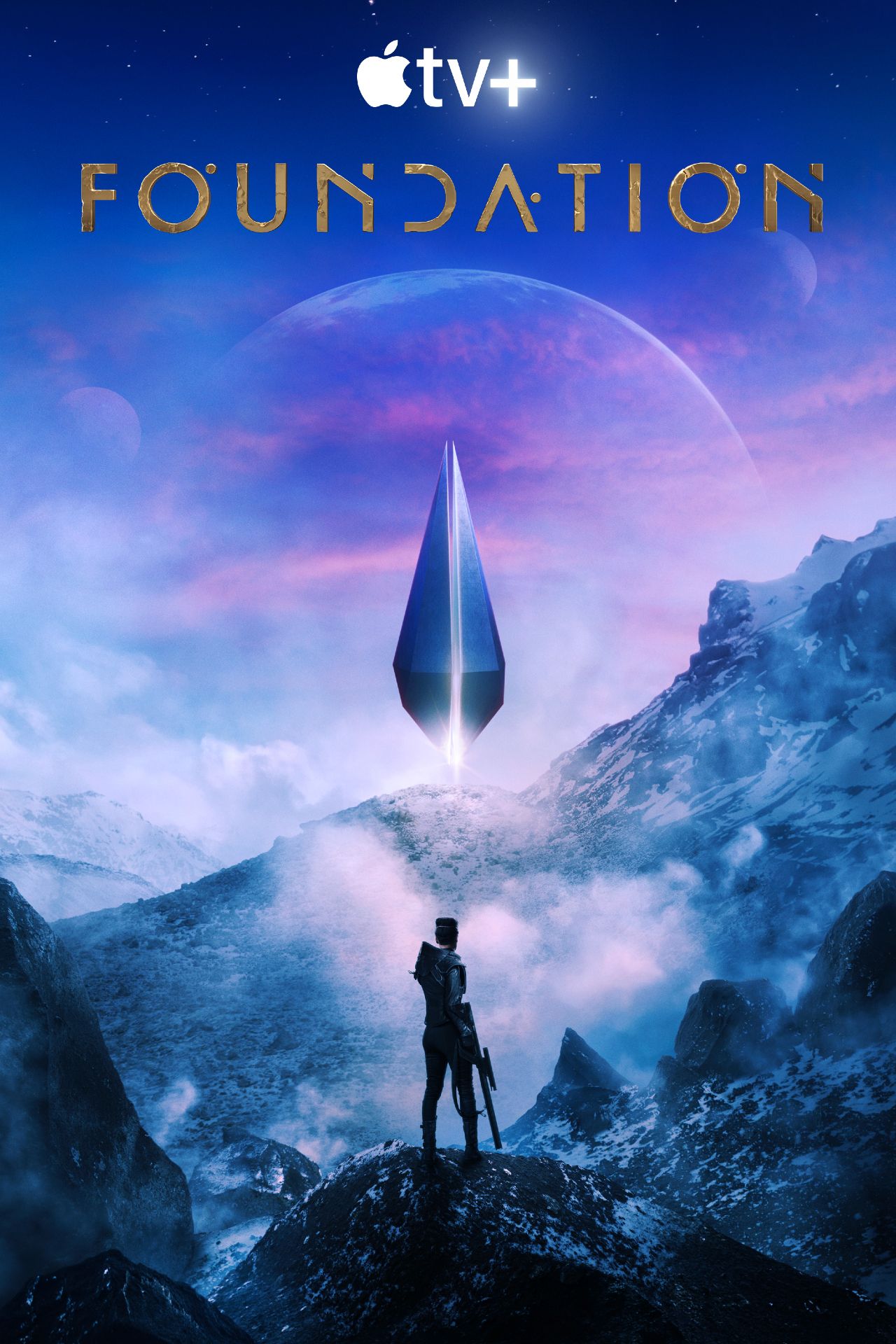
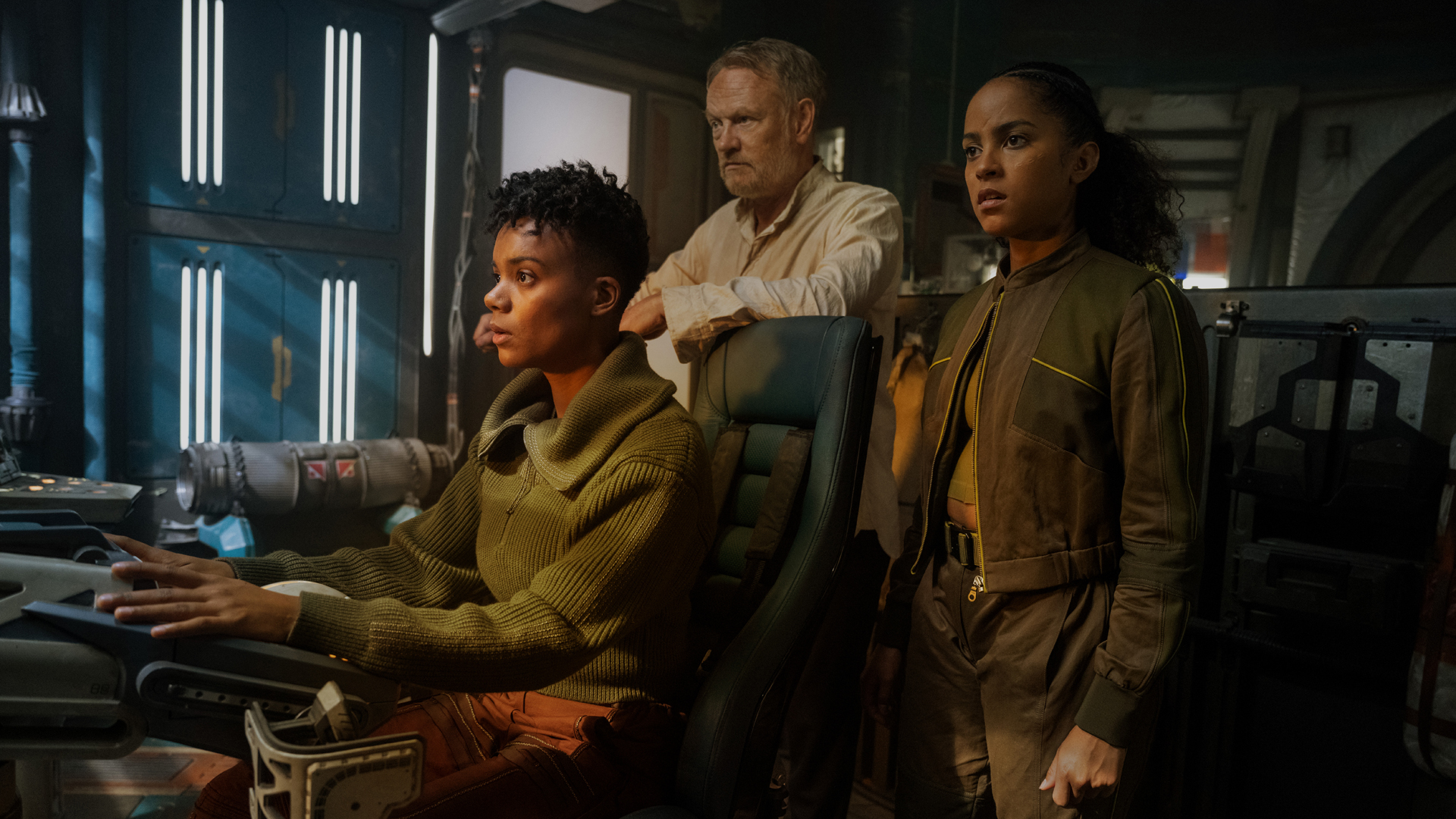
The Foundation series on Apple TV+ is a high-budget science fiction adaptation of Isaac Asimov’s seminal literary works, designed as an expansive, multi-season television epic. It chronicles the collapse of a galactic empire and the efforts of mathematician Hari Seldon to preserve human knowledge through the science of psychohistory. Viewers looking to engage with the series should be aware of its complex narrative structure, which spans centuries, and its status as a loose adaptation of the source material.
Understanding the Scope of the Foundation Series
At its core, Foundation is an ambitious attempt to translate a series of novels once considered "unfilmable" into a modern prestige television format. Originally published as a collection of short stories in the 1940s and later expanded into a book series, Asimov’s Foundation is famous for its focus on large-scale sociology, mathematics, and historical trends rather than traditional character-driven action.
The Apple TV+ adaptation, which premiered in 2021, shifts the focus significantly. While it retains the core premise of Hari Seldon predicting the inevitable fall of the Galactic Empire, the showrunners have introduced new character arcs, heightened the role of genetic technology, and focused heavily on the visual spectacle of space colonization. By 2026, the series has established itself as a cornerstone of Apple’s original programming, characterized by high production values and a non-linear narrative structure that demands attentive viewing.
Narrative Structure and Key Premise
The primary conflict within the show is the "Seldon Crisis." Hari Seldon, a mathematician, utilizes psychohistory—a statistical science that predicts the behavior of massive populations—to determine that the ruling Galactic Empire is doomed to collapse. His solution is the creation of the "Foundation," a remote colony designed to safeguard human civilization and reduce a projected thirty-thousand-year dark age to a mere millennium.
What distinguishes the television adaptation is its handling of time. Because the story spans hundreds of years, the show employs multiple timelines. Viewers often find the show jumps across decades or even centuries between episodes. This is an intentional narrative device meant to highlight the insignificance of individual lives compared to the sweeping tide of historical cycles, a central theme of Asimov’s original writing.
Primary Entities and Key Players
To follow the show effectively, one must understand the three distinct narrative threads that the series maintains:
- The Galactic Empire (The Genetic Dynasty): In the show, the Empire is ruled by a succession of clones known as the Cleons (Day, Dusk, and Dawn). This is a departure from the books, designed to explore themes of legacy, identity, and the stagnation of power.
- The Foundation: Located on the peripheral planet of Terminus, this group represents the "scientists" who must build a new society while dealing with the harsh realities of a crumbling order.
- The Outsiders: Characters like Gaal Dornick and Salvor Hardin serve as audience anchors. They are often the ones reacting to the long-term plans laid out by Seldon, providing the emotional bridge between complex mathematical theories and the viewer’s experience.
Comparison of Key Themes
| Theme | Asimov’s Books | Apple TV+ Series |
|---|---|---|
| Psychohistory | The central driver of the plot. | A complex, sometimes mystical framework. |
| Character Arcs | Minimal, emphasizing ideas. | Heavily emphasized for dramatic stakes. |
| Technology | Stagnant, functional science. | Highly advanced, often visually ornate. |
| Scope | Millennium-spanning history. | Focused on specific hero journeys. |
Technical Requirements for Viewing
As of 2026, Foundation is an Apple TV+ exclusive. To watch the series, you must have access to the Apple TV app, which is available on a wide variety of devices, including Apple hardware (iPhone, iPad, Mac, Apple TV 4K), smart TVs from Samsung, LG, Sony, and Vizio, as well as gaming consoles like PlayStation and Xbox.
Subscription and Access
- Platform: Apple TV+.
- Resolution: The series is mastered in 4K Dolby Vision and Dolby Atmos, making it one of the most technically demanding streams on the platform. To experience the full visual intent of the production, a high-speed internet connection (minimum 25 Mbps for 4K streaming) is recommended.
- Offline Viewing: Subscribers can download episodes to Apple devices for offline viewing, which is particularly useful given the high data load of the series’ complex visual effects.
Troubleshooting Common Viewing Issues
Because Foundation is a data-heavy production, viewers occasionally encounter playback issues. If you experience buffering or pixelation:
- Check Connection Stability: Use a wired Ethernet connection to your television or streaming device if possible, rather than relying on Wi-Fi, which can fluctuate in bandwidth.
- Adjust Playback Settings: Ensure your TV settings are correctly configured for "Dynamic Range Matching" if you find the picture appearing too dark or too bright during high-contrast scenes.
- Update Firmware: Ensure your smart TV or streaming box is running the latest OS. Apple frequently updates the TV app to handle newer compression codecs.
- Audio Sync: Given the complex sound design, if audio drifts, check your soundbar or receiver settings to ensure that "Lip Sync" or "Audio Delay" settings are balanced.
Common Questions and Clarifications
Do I need to read the books to understand the show?
No. The show is an adaptation that deviates significantly from the source material. While reading the books offers context on the concepts of psychohistory, the show provides enough internal logic to stand on its own. It is better to approach the show as a distinct entity.
Why is the show jumping between different time periods?
The source material spans thousands of years. The showrunners use time jumps to show how the "Foundation" progresses through different stages of development. It serves to illustrate that the plan is larger than any single character's life.
Is the series finished?
As of 2026, the series is ongoing. Each season serves as a chapter in the larger collapse of the Empire, and the show remains in active production.
How does the show handle "Psychohistory"?
The show visualizes the math of psychohistory through data streams and complex visual patterns. While it is presented as a science, the show often leans into the "near-magical" quality of these predictions to maintain viewer interest.
Can I skip episodes?
It is not recommended. Because of the non-linear structure and the dense world-building, skipping episodes will likely result in confusion regarding the motivation of the Empire or the status of the Foundation.
Recommendations for New Viewers
If you are beginning your journey with Foundation, prioritize a distraction-free environment. The series relies heavily on visual storytelling and subtle dialogue to explain its complex sociological concepts. Unlike episodic procedurals, Foundation is a serialized novel-style narrative.
For the best experience, start by focusing on the relationship between Hari Seldon and the Empire in the pilot. This establishes the tension that drives every subsequent season. If you find yourself lost, do not search for summaries that include spoilers for future seasons; instead, refer to official episode guides provided within the Apple TV app, which offer character maps to help keep track of the vast cast.
As you progress through the seasons, observe how the environment on Terminus changes. The physical evolution of the colony is a perfect visual metaphor for the societal changes Seldon predicted. By staying attentive to these subtle background details, you will gain a deeper appreciation for the production's ambition and the weight of the historical narrative it seeks to portray.