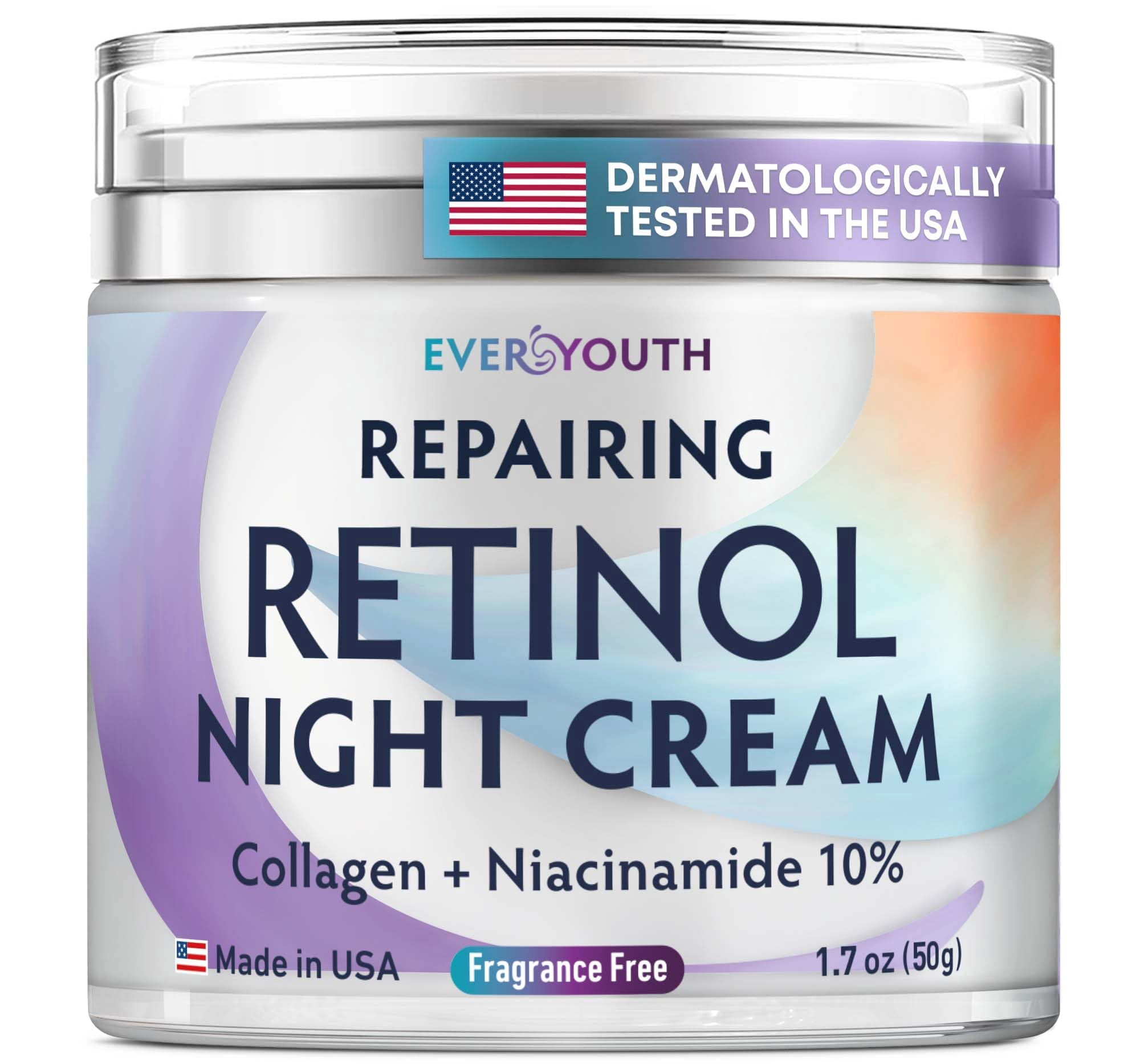
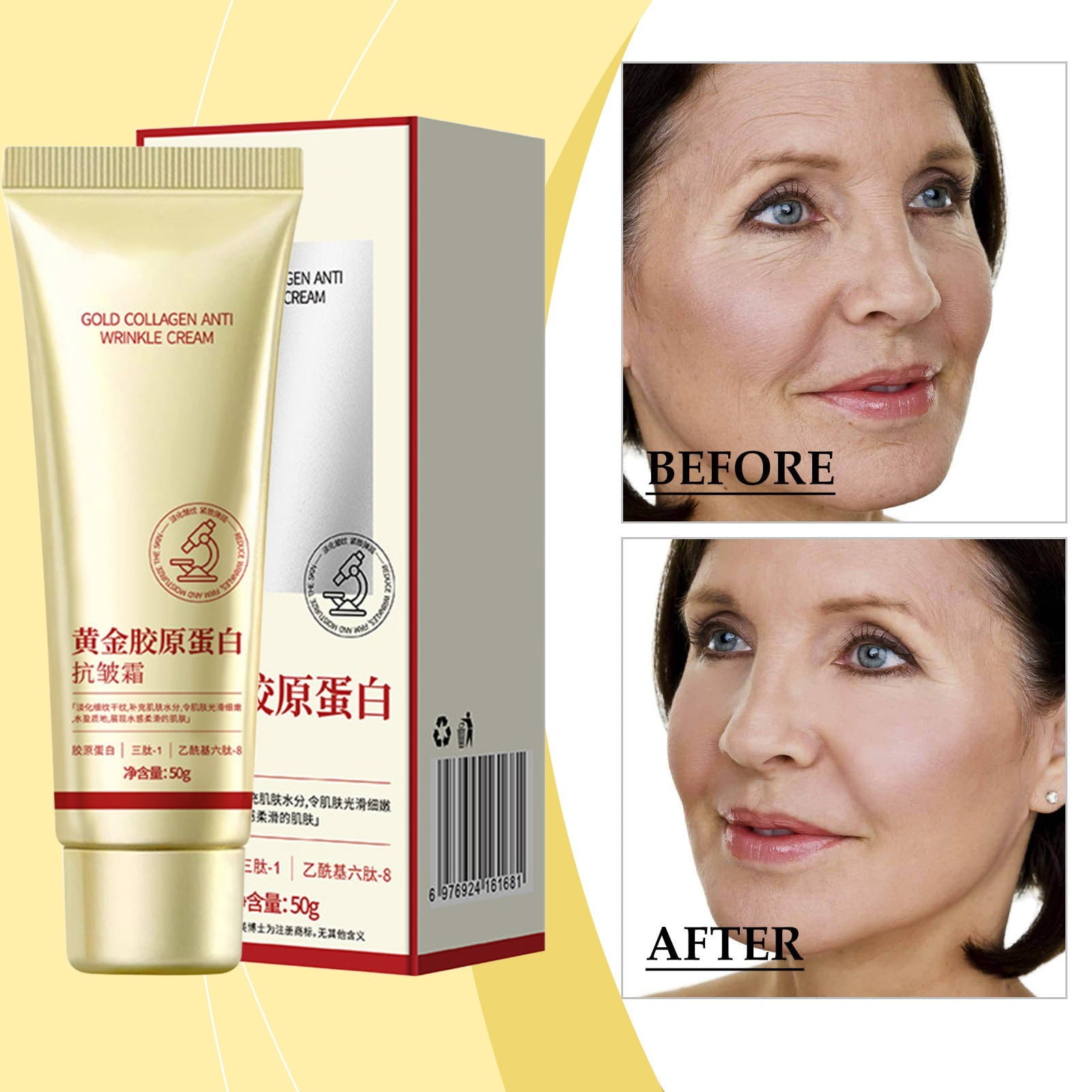
Effective anti wrinkle cream for women works by delivering active ingredients—such as retinoids, peptides, and antioxidants—to the skin's dermal layers to stimulate collagen production and speed up cell turnover. While no topical cream can replicate the results of surgical procedures, consistent use of clinically proven formulations significantly improves skin texture, elasticity, and the depth of fine lines.
The Biological Foundation of Skin Aging in Women
Understanding how to select an anti-wrinkle cream requires a basic grasp of why skin changes over time. For women, skin aging is a dual process involving intrinsic aging (the natural genetic clock) and extrinsic aging (environmental damage). As women age, the production of structural proteins like collagen and elastin slows down. Beginning in the mid-20s, collagen production drops by approximately 1% each year.
Hormonal shifts also play a significant role. During perimenopause and menopause, the sharp decline in estrogen leads to a rapid loss of skin thickness and moisture retention. This often results in "crepey" skin and more pronounced wrinkling. Consequently, an effective anti-wrinkle cream in 2026 must do more than just hydrate; it must address the underlying structural integrity of the skin.
Extrinsic factors, primarily ultraviolet (UV) radiation and pollution, account for up to 80% of visible facial aging. These environmental stressors generate free radicals—unstable molecules that break down collagen fibers. Therefore, any comprehensive anti-aging regimen must incorporate ingredients that neutralize this oxidative stress while repairing existing damage.
Essential Ingredients: What Actually Works
The skincare market is flooded with "miracle" ingredients, but dermatological science consistently points to a core group of actives that deliver measurable results. When shopping for an anti-wrinkle cream, look for these evidence-based components.
Retinoids (The Gold Standard)
Retinoids, derivatives of Vitamin A, remain the most researched and effective topical anti-aging ingredients. They work by binding to retinoic acid receptors in the skin, which then promotes cellular proliferation and collagen synthesis.
In 2026, we categorize retinoids by their potency and conversion steps:
- Retinyl Palmitate: The weakest form, suitable for extremely sensitive skin.
- Retinol: The most common over-the-counter (OTC) form. It requires two conversion steps within the skin to become active retinoic acid.
- Retinaldehyde (Retinal): A more potent OTC option that requires only one conversion step, providing faster results with manageable irritation.
- Tretinoin: A prescription-strength retinoic acid that works directly on the skin cells.
Peptides and Growth Factors
Peptides are short chains of amino acids that act as chemical messengers. When applied topically, they signal the skin to "heal" itself by producing more collagen.
- Signal Peptides: These tell the skin to produce more structural proteins.
- Neurotransmitter-inhibiting Peptides: Often marketed as "Botox in a jar," these (like Argireline) mildly inhibit the muscle contractions that lead to expression lines.
- Carrier Peptides: These deliver trace minerals like copper to the skin to aid in wound healing and collagen synthesis.
Antioxidants: Vitamin C, E, and Ferulic Acid
Antioxidants are the skin's primary defense against environmental aging. Vitamin C (L-ascorbic acid) is particularly vital because it is a necessary cofactor for collagen synthesis. It also brightens hyperpigmentation and neutralizes free radicals from UV exposure. When combined with Vitamin E and Ferulic Acid, the stability and efficacy of Vitamin C are significantly enhanced.
Hyaluronic Acid and Ceramides
While these ingredients do not "fix" wrinkles in the long term, they are essential for the immediate appearance of the skin. Hyaluronic acid is a humectant that can hold 1,000 times its weight in water, "plumping" the skin and making fine lines less visible. Ceramides are lipids that restore the skin barrier, preventing transepidermal water loss (TEWL) and keeping the skin resilient against irritants.
Categorizing Anti-Wrinkle Creams by Skin Type and Goal
The "best" cream is highly subjective and depends on your specific skin concerns and tolerance for active ingredients. Use the following table to identify which category of anti-wrinkle cream aligns with your needs.
| Skin Concern | Primary Recommended Ingredient | Mechanism of Action | Expected Results Timeline |
|---|---|---|---|
| Fine Lines & Texture | Retinol / Retinaldehyde | Accelerates cell turnover and boosts collagen production. | 12–24 weeks of consistent use. |
| Deep Wrinkles | Prescription Tretinoin | Direct activation of collagen synthesis at the cellular level. | 24+ weeks; requires medical supervision. |
| Loss of Firmness | Peptides & Growth Factors | Signals fibroblasts to produce elastin and structural proteins. | 8–12 weeks for improved elasticity. |
| Dullness & Sun Spots | Vitamin C (L-Ascorbic Acid) | Inhibits tyrosinase (pigment production) and neutralizes free radicals. | 4–8 weeks for visible brightening. |
| Dryness & Crepey Skin | Hyaluronic Acid & Ceramides | Rehydrates the stratum corneum and repairs the lipid barrier. | Immediate temporary plumping; 2–4 weeks for barrier repair. |
How to Integrate Anti-Wrinkle Cream into a 2026 Routine
Proper application is just as important as the ingredients themselves. Using highly active ingredients incorrectly can lead to "retinoid dermatitis," characterized by redness, peeling, and a compromised skin barrier.
The Nighttime Focus
Most anti-wrinkle treatments, especially those containing retinoids, should be used at night. This is because retinoids are often photolabile (meaning they break down in sunlight) and because the skin's natural repair processes peak during sleep.
- Cleanse: Use a gentle, pH-balanced cleanser to remove makeup and pollutants.
- Apply Actives: Apply a pea-sized amount of your anti-wrinkle cream to dry skin. Applying retinoids to damp skin can increase absorption too quickly, leading to irritation.
- Buffer (Optional): If you have sensitive skin, apply a thin layer of plain moisturizer before your treatment cream to slow down the penetration of the active ingredients.
- Seal: Follow with a ceramide-rich moisturizer to prevent dryness.
The Daytime Protection
It is a clinical fact that using an anti-wrinkle cream without daily sun protection is counterproductive. Many anti-aging ingredients, particularly Alpha Hydroxy Acids (AHAs) and retinoids, increase the skin’s sensitivity to the sun. According to the American Academy of Dermatology, a broad-spectrum SPF 30 or higher is the most effective "anti-aging" product available.
Identifying Marketing "Hype" vs. Clinical Reality
In 2026, the beauty industry often uses complex terminology to justify high price points. Consumers should remain skeptical of certain claims:
- "Stem Cell" Creams: While plant stem cells are interesting in a laboratory setting, they cannot function as live stem cells when bottled in a cream and applied to human skin. They primarily function as basic antioxidants.
- Instant Results: Any cream claiming to permanently erase wrinkles in "minutes" is likely using film-forming agents (like silicates) that provide a temporary tightening effect which washes off with water.
- Price vs. Efficacy: Higher price does not always mean higher quality. Many "drugstore" brands are owned by parent companies with massive research budgets, ensuring that their lower-cost formulations are stable and effective. The primary difference often lies in the elegance of the texture and the fragrance, rather than the concentration of the active ingredients.
Potential Side Effects and Safety Considerations
While topical creams are generally safe, high-potency anti-aging products can cause adverse reactions.
- Purging: When starting a retinoid, you may experience a temporary increase in breakouts or flaking. This is the skin accelerating its renewal process and typically subsides within 4 weeks.
- Photosensitivity: As mentioned, many anti-aging ingredients thin the outermost layer of the skin (the stratum corneum), making you more susceptible to sunburn.
- Ingredient Conflicts: Avoid using Vitamin C and Retinol at the exact same time, as they require different pH levels to be effective. Use Vitamin C in the morning and Retinol at night.
Professional Advice Note: If you have chronic skin conditions like rosacea, eczema, or severe acne, consult a board-certified dermatologist before starting a high-potency anti-wrinkle regimen.
Frequently Asked Questions
Do anti-wrinkle creams actually work?
Yes, but with caveats. Clinical studies published in the Journal of Cosmetic Dermatology confirm that ingredients like tretinoin and certain peptides can measurably reduce wrinkle depth. However, they cannot "lift" sagging skin or replace the volume loss that occurs with aging; those concerns typically require clinical treatments like fillers or thread lifts.
What is the best age to start using anti-aging creams?
Prevention is more effective than correction. Most dermatologists recommend starting a preventative routine in your mid-20s. At this age, the focus should be on antioxidants (Vitamin C) and rigorous sun protection. More aggressive treatments like retinol can be introduced in your late 20s or early 30s.
Can I use retinol and vitamin C together?
It is not recommended to layer them simultaneously. Vitamin C is most effective at an acidic pH (around 3.5), while Retinol works best at a more neutral pH (around 5.5). Using them together can destabilize both and cause significant irritation. The standard dermatological recommendation is Vitamin C in the morning and Retinol at night.
Why does my skin peel when using anti-aging products?
Peeling is a common side effect of retinoids and exfoliating acids (like Glycolic acid). It indicates that the cell turnover rate is increasing. If peeling is accompanied by burning or extreme redness, it means your skin barrier is compromised. You should reduce the frequency of application and increase your use of barrier-repairing ceramides.
Are expensive luxury creams better than drugstore options?
Not necessarily. The efficacy of an anti-wrinkle cream is determined by the concentration of active ingredients, the stability of the formulation, and the delivery system (how the ingredient penetrates the skin). Many affordable brands use the same active suppliers as luxury brands. The higher price of luxury products often reflects branding, packaging, and proprietary scent profiles.
Practical Recommendation for Next Actions
To begin your anti-aging journey in 2026, do not overhaul your entire routine at once. Start with a foundational "Core Three": a gentle cleanser, a broad-spectrum SPF 30+, and a nightly moisturizer.
Once your skin is acclimated, introduce one active anti-wrinkle cream. If your primary goal is general aging, start with a 0.1% or 0.3% Retinol cream used twice a week. Monitor your skin for redness or irritation over 14 days. If your skin remains calm, slowly increase the frequency to every other night. Remember that consistency is the most important factor; topical treatments require months, not days, to show structural changes in the skin.