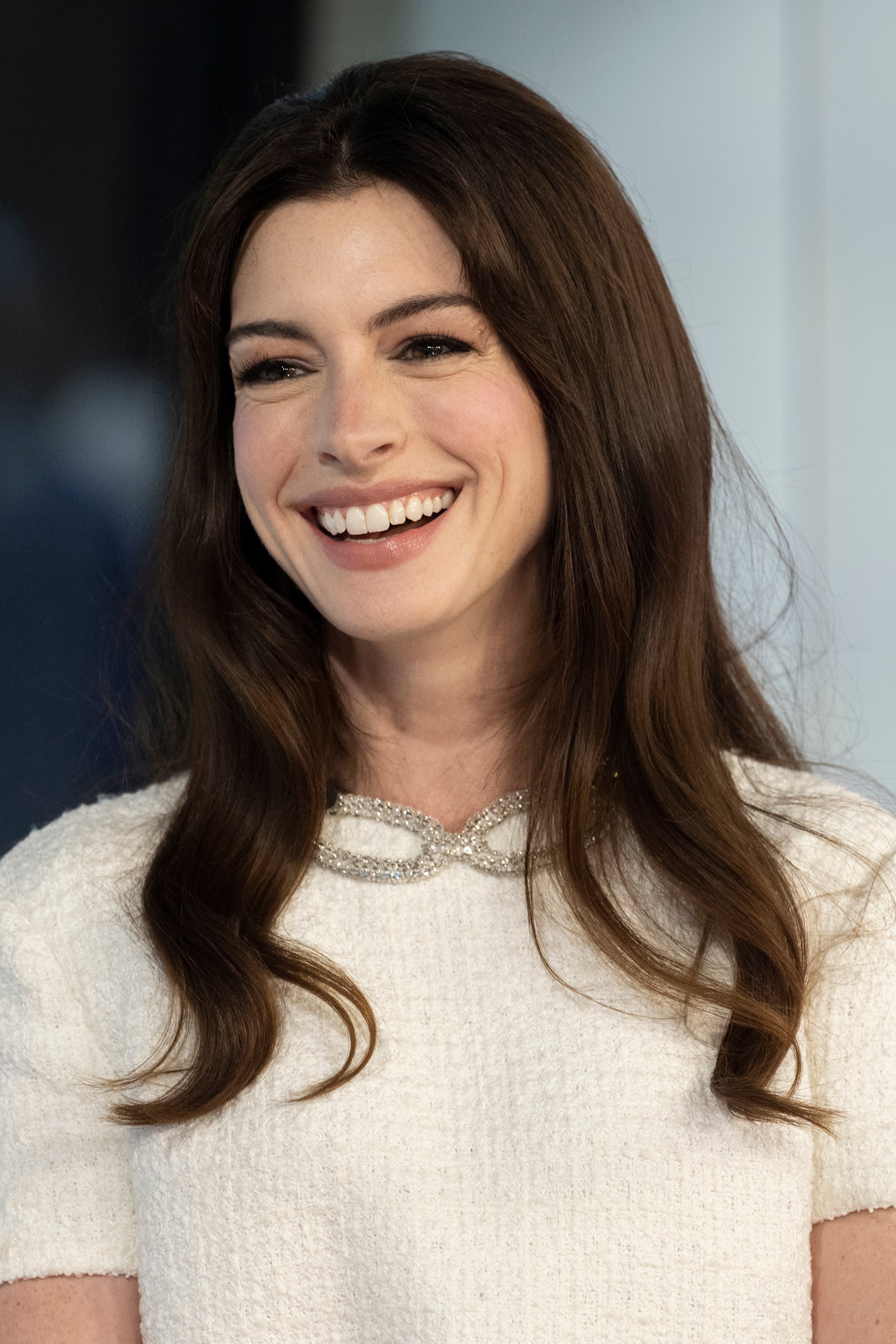
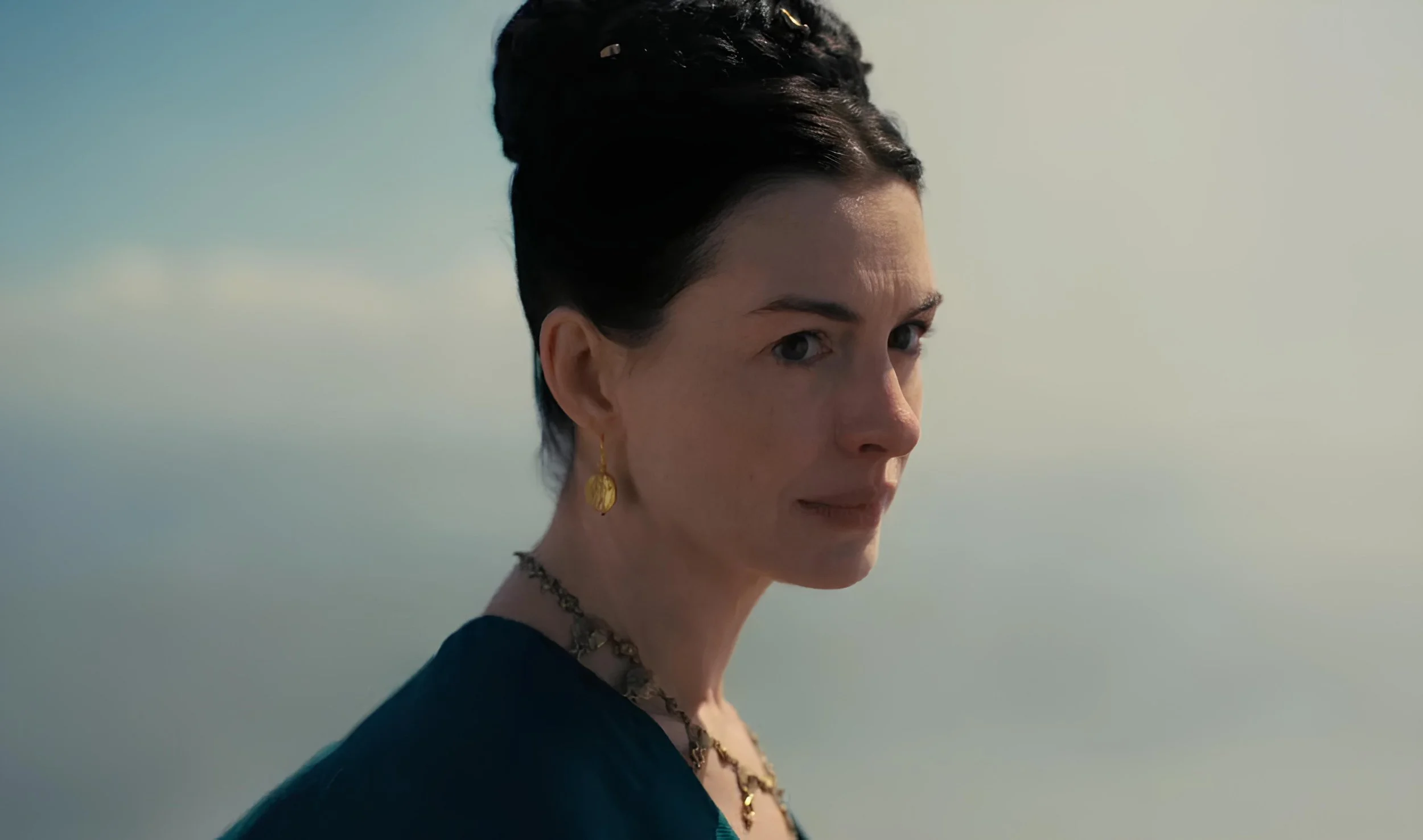
The Anne Hathaway Renaissance, often referred to as the "Hathaslayance," is the profound shift in public perception and career momentum that saw the actress evolve from a target of internet vitriol in the early 2010s to a globally revered fashion icon and cinematic powerhouse by 2026. This resurgence is defined by her high-fashion pivot, Gen Z's nostalgic embrace, and a string of sophisticated, self-aware film roles.
From Polarization to Prestige: Understanding the Shift
To understand the Anne Hathaway Renaissance of 2026, one must first look back at the era of "Hathahate" that peaked around 2013. Following her Academy Award win for Les Misérables, Hathaway became the face of a specific brand of internet scrutiny. Critics and social media users labeled her as "too polished," "overly earnest," or "the quintessential theater kid." This phenomenon was less about her talent—which remained undisputed—and more about a cultural discomfort with her perceived lack of "relatability" during an era that championed the "Cool Girl" archetype.
By 2026, the cultural landscape has shifted entirely. The earnestness that once invited mockery is now celebrated as authenticity. The "renaissance" is not merely a comeback, as Hathaway never truly left the industry; rather, it is a massive realignment of public sentiment. This shift was catalyzed by a deliberate change in her public styling, her outspokenness regarding sobriety and motherhood, and a strategic selection of roles that subverted her "perfect" image.
The Fashion Pivot: A Strategic Visual Rebirth
Perhaps the most visible driver of the Anne Hathaway Renaissance was her transformation into a high-fashion "it-girl." Starting around 2022 and solidifying by 2026, Hathaway’s collaboration with celebrity stylist Erin Walsh redefined her visual identity.
The Power of the "Cannes Moment"
The 2022 Cannes Film Festival is widely cited by industry analysts as the flashpoint for her fashion resurgence. Appearing in a white Armani Privé column gown, Hathaway signaled a new era of effortless elegance. This was followed by a series of viral "Barbiecore" moments, most notably her hot-pink Valentino ensemble at the brand's haute couture show in Rome.
Global Ambassadorships and Luxury Partnerships
By 2026, Hathaway has solidified her status as a muse for major luxury houses. Her role as a global ambassador for Bulgari and her frequent appearances in Versace campaigns have bridged the gap between Hollywood royalty and contemporary fashion influence. Unlike the 2013 era, where her style was often seen as "safe," her current aesthetic is characterized by:
- Experimental Silhouettes: Embracing avant-garde cuts and textures.
- Archival Fashion: Reviving vintage looks that resonate with fashion historians and Gen Z enthusiasts.
- Color Theory Mastery: Using bold, saturated colors (like Valentino Pink or Bulgari Yellow) to command digital attention.
The Gen Z Embrace and the Power of Nostalgia
The Anne Hathaway Renaissance was fueled significantly by a generational hand-off. As Gen Z came of age, they revisited Hathaway’s filmography—specifically The Princess Diaries (2001) and The Devil Wears Prada (2006)—through a lens of nostalgia rather than the cynicism of the Millennial-led "Hathahate" era.
On platforms like TikTok and Instagram, Hathaway became a symbol of "main character energy." Her early roles were re-evaluated as feminist milestones, and her consistent professionalism throughout decades of scrutiny earned her a new level of respect. This demographic doesn't see her "theater kid" energy as a flaw; they see it as a commitment to craft and self-expression. This digital advocacy created a protective "shield" around the actress, making it culturally unfashionable to criticize her in the way people did a decade prior.
Career Evolution: Selecting the "Renaissance" Roles
In the years leading up to 2026, Hathaway’s film choices reflected a desire to explore more nuanced, often darker, or more self-aware characters. This helped dismantle the "good girl" persona that had previously constrained her.
Subverting Expectations in Prestige Cinema
Movies like Eileen (2023) and Mother’s Instinct (2024) showcased Hathaway’s ability to play morally complex, Hitchcockian characters. These roles allowed her to flex her dramatic muscles in ways that differed from her musical or rom-com roots. By 2026, she has balanced these indie-leaning prestige projects with high-concept commercial successes.
The Impact of The Idea of You
The 2024 release of The Idea of You was a pivotal moment in the Anne Hathaway Renaissance. Playing a 40-year-old mother who enters a relationship with a younger pop star, Hathaway directly addressed themes of ageism, female desire, and public scrutiny. The film’s success solidified her as a leading lady capable of driving massive streaming and theatrical numbers while engaging in meaningful cultural conversations about how we treat aging women in the spotlight.
Comparing the Two Eras: 2013 vs. 2026
The following table highlights the key differences in Anne Hathaway’s public and professional standing between the peak of the "Hathahate" era and the height of her "Renaissance" in 2026.
| Feature | The "Hathahate" Era (c. 2013) | The Renaissance Era (2026) |
|---|---|---|
| Public Sentiment | Polarized, critical of her "earnestness" | Universal acclaim, "Hathaslayance" |
| Fashion Identity | Conventional, safe, "Oscars-ready" | High-fashion icon, experimental, archival |
| Primary Demographic | Millennials (often cynical) | Gen Z & Alpha (nostalgic, supportive) |
| Media Narrative | "Tall Poppy Syndrome" & relatability | Survival, longevity, and authenticity |
| Styling Influence | Traditional Hollywood Glamour | Erin Walsh-led "Modern Muse" aesthetic |
| Key Associations | Les Misérables, Oscar Win | The Idea of You, Bulgari, Versace |
| Social Media Presence | Passive, subject of memes | Active, viral fashion moments, self-aware |
The Psychology of the Comeback: Why It Worked
The Anne Hathaway Renaissance is a masterclass in reputation management, though it felt organic rather than manufactured. Several psychological and cultural factors contributed to its success:
- The Sobriety Narrative: Hathaway’s decision to stop drinking in 2018—largely to be more present for her children—resonated with a culture increasingly interested in "California Sober" lifestyles and mental health. This move added a layer of groundedness to her image.
- Grace Under Pressure: Hathaway never lashed out at her critics. Her long-term strategy was simply to keep working and remain excellent at her craft. By 2026, the public reached a "guilt plateau," where the previous hatred felt unjustified and mean-spirited, leading to a compensatory surge in support.
- The "Theater Kid" Vindication: In a post-pandemic world, there was a collective shift toward celebrating joy and "cringe" rather than being "too cool." Hathaway’s natural exuberance perfectly matched the 2024–2026 cultural trend of "unapologetic joy."
Technical Specifications of a Modern Icon
From a branding perspective, the Renaissance required a technical overhaul of Hathaway's digital and physical presence. This included:
- SEO and Digital Footprint: By 2026, search results for "Anne Hathaway" transitioned from tabloid-heavy critiques to fashion-forward analysis and film reviews. This was achieved through high-authority placements in publications like Vogue and The New York Times.
- The "Red Carpet" Algorithm: Her team understood that in the 2020s, a red carpet look is designed for the smartphone screen. Using high-contrast colors and "movement-friendly" fabrics ensured her appearances were highly shareable on social platforms.
Challenges and Longevity
While the Anne Hathaway Renaissance is currently at its zenith in 2026, maintaining this momentum requires continuous adaptation. The challenge of the "Renaissance" tag is that it implies a peak; however, Hathaway’s trajectory suggests a transition into a "Meryl Streep-level" elder stateswoman of cinema.
Her ability to navigate the transition from "young starlet" to "prestige actress" while simultaneously maintaining "fashion icon" status is a rare feat in Hollywood. The primary risk remains the cyclical nature of public opinion, but given the depth of her current support base, she is better positioned than ever to weather future cultural shifts.
Frequently Asked Questions
What exactly is the "Anne Hathaway Renaissance"?
It is the period (roughly 2022–2026) characterized by a massive positive shift in Anne Hathaway’s public image, her emergence as a top-tier fashion icon, and a series of critically acclaimed and commercially successful film roles that followed a period of intense public scrutiny.
Why did people dislike Anne Hathaway in 2013?
The phenomenon, known as "Hathahate," was largely attributed to "tall poppy syndrome"—the tendency to criticize those who seem too successful or "perfect." Critics found her awards-season speeches and theater-heavy background to be "performative" or "insincere" compared to the more "relatable" celebrities of that time.
Who is responsible for Anne Hathaway's new style?
Much of the credit for her fashion transformation goes to her stylist, Erin Walsh. Together, they moved away from safe, traditional choices toward bold, high-fashion looks from designers like Valentino, Versace, and Armani, which resonated with a younger, digital-first audience.
What are the most important movies in the Anne Hathaway Renaissance?
Key films include Eileen (2023) for prestige dramatic cred, The Idea of You (2024) for leading-lady power and cultural relevance, and her continued involvement in high-profile projects that subvert her earlier typecasting.
How has Gen Z influenced her career?
Gen Z utilized social media to reclaim Hathaway’s earlier work, viewing her through a lens of nostalgia. They championed her "uncool" earnestness as a form of authenticity, creating viral trends that helped rebrand her for a new generation.
Conclusion and Next Steps
The Anne Hathaway Renaissance serves as a definitive case study in how talent, coupled with a strategic visual rebrand and a shift in cultural values, can completely alter a public narrative. In 2026, she stands not just as an Oscar-winning actress, but as a symbol of resilience and the enduring power of staying true to one's craft.
For those looking to follow her trajectory, the next step is to observe her upcoming production ventures. Hathaway has increasingly taken on the role of producer, ensuring she has creative control over the stories she tells—a move that guarantees her influence will extend far beyond her "renaissance" and well into the next decade of cinema.