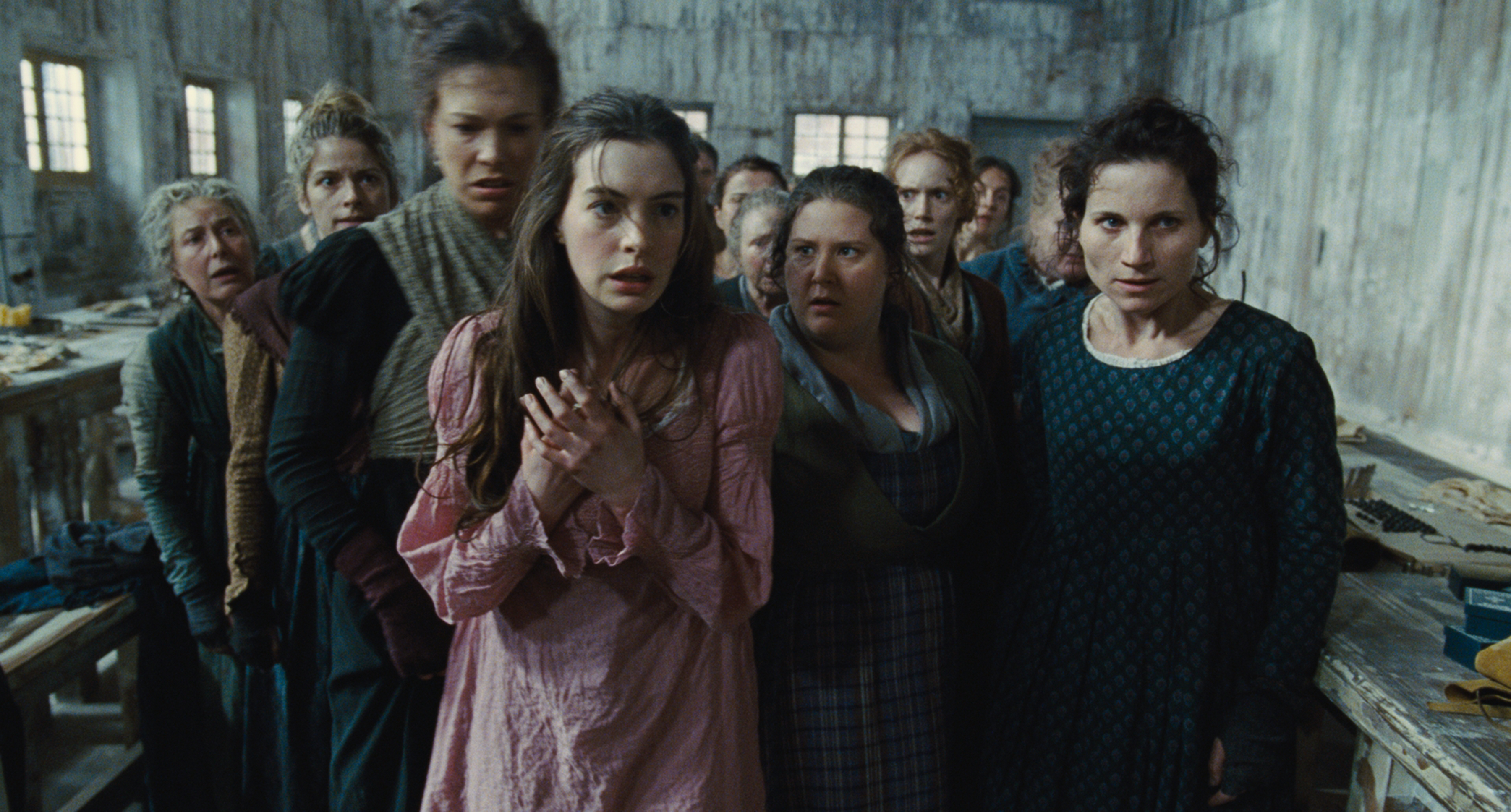
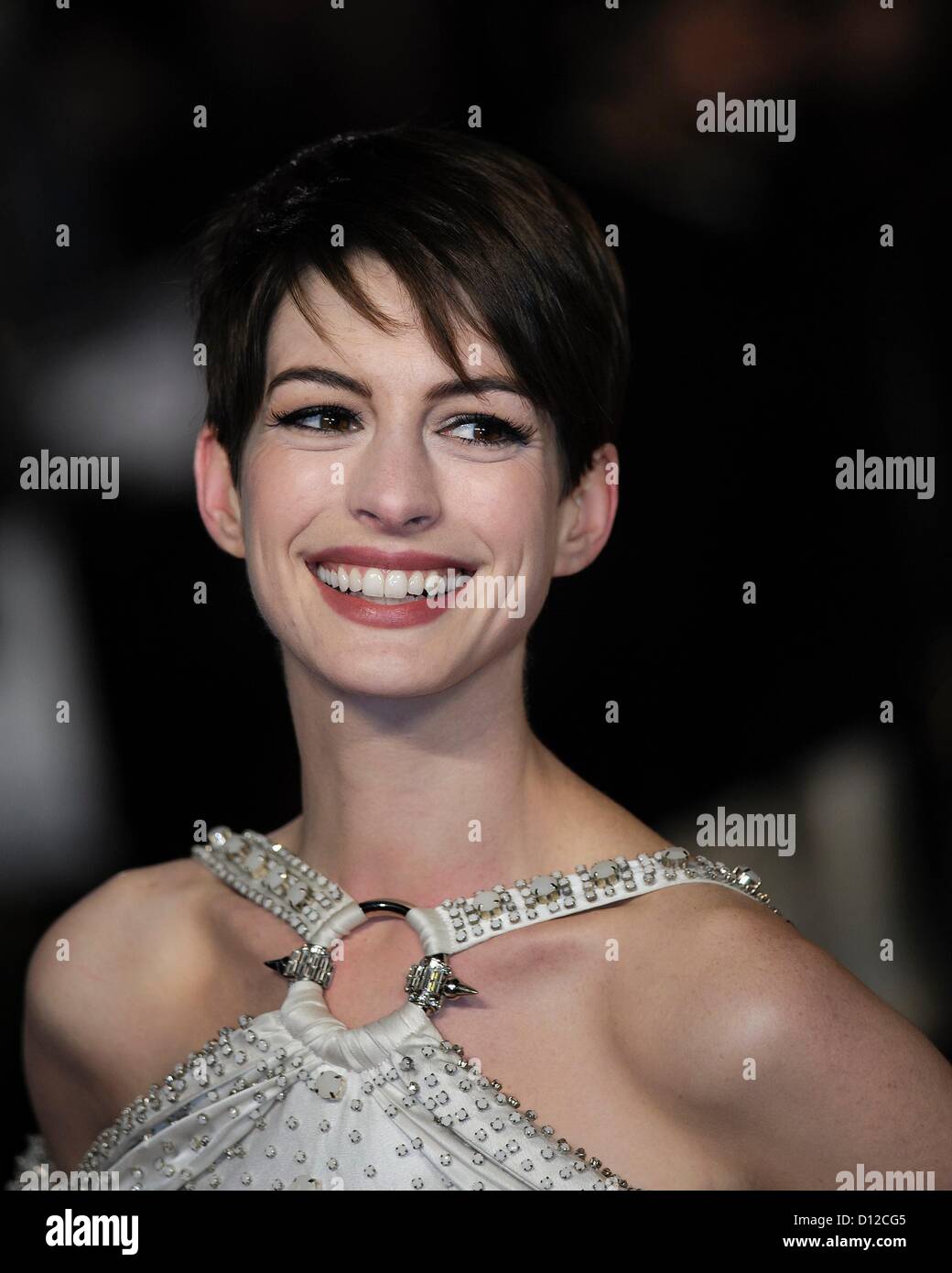
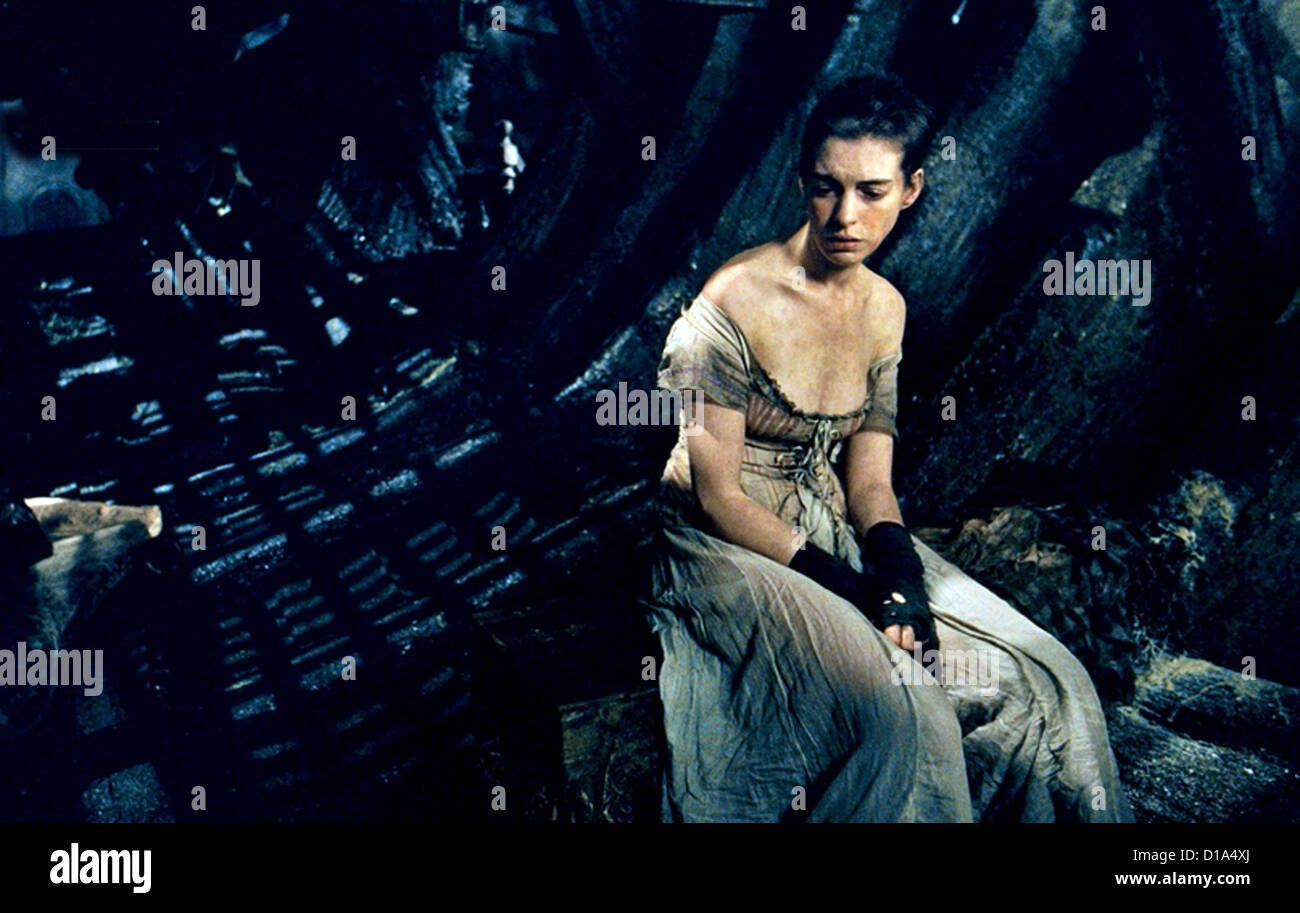
Anne Hathaway portrayed the tragic character Fantine in the 2012 film adaptation of Les Misérables, directed by Tom Hooper. Her performance is widely regarded as a career-defining achievement, characterized by her raw, live vocal delivery of "I Dreamed a Dream" and a rigorous physical transformation. This role earned Hathaway the Academy Award for Best Supporting Actress, cementing her legacy in cinematic musical history.
The Casting and Personal Connection to Fantine
When Tom Hooper began casting for the 2012 adaptation of Victor Hugo’s classic novel and the subsequent stage musical, the role of Fantine was one of the most coveted in Hollywood. The character serves as the emotional catalyst for the entire narrative; her descent from a hardworking factory girl to a destitute woman forced into sex work provides the moral weight for Jean Valjean’s redemption arc.
Anne Hathaway’s connection to the role was deeply personal. Her mother, Kate McCauley Hathaway, was an actress who had played Fantine in the first national tour of the stage musical in the United States. Growing up with the music of Claude-Michel Schönberg and Alain Boublil, Hathaway possessed an innate understanding of the character’s tragic trajectory. During her three-hour audition, she reportedly moved Hooper to tears, securing a role that many of her contemporaries had also pursued.
The casting was not merely about vocal ability but about the capacity to convey the "ugly" side of despair. While many musical theater performers prioritize vocal perfection, Hathaway and Hooper agreed that for the film medium, the emotional truth of the character—broken, sick, and dying—must take precedence over the traditional "beauty" of the song.
Method and Metamorphosis: The Physical Demands of the Role
To play Fantine, Hathaway underwent a transformation that remains one of the most cited examples of commitment in 21st-century film. Because the story of Fantine involves a rapid decline in health and status, Hathaway sought to look physically emaciated and spiritually hollow.
The Weight Loss Regimen
Hathaway lost a total of 25 pounds for the role. She lost the first 10 pounds through a detox cleanse before filming began, then lost an additional 15 pounds during a short break in production. Her diet during this period consisted primarily of two thin squares of dried oatmeal paste per day. This "starvation diet" was intended to give her the fragile, translucent look of a woman suffering from tuberculosis and severe malnutrition. While she has since cautioned others against such extreme measures, noting the psychological toll it took on her, the visual impact on screen was undeniable.
The Iconic Haircutting Scene
In a pivotal scene, Fantine sells her hair to buy medicine for her daughter, Cosette. In many stage productions, this is handled via a wig or off-stage transition. For the 2012 film, Hathaway insisted on having her hair cut live on camera. The jagged, uneven result was not a product of a stylist, but a real-time reflection of the character’s desperation. This choice added a layer of visceral reality to the performance, signaling to the audience that this was not a sanitized version of the story.
The Technical Mastery of Live Singing on Set
Perhaps the most significant technical aspect of Hathaway’s performance—and the film as a whole—was the decision to record all vocals live on set. Traditionally, movie musicals use pre-recorded tracks that actors lip-sync to during filming. This allows for perfect audio quality but can sometimes lead to a disconnect between the physical exertion of acting and the vocal output.
The Innovation of the IFB
To facilitate live singing, the actors wore tiny earpieces (IFBs) that played a live piano accompaniment from a musician in a separate room. This allowed Hathaway to control the tempo of her performance. If she needed to pause for a sob or rush through a line in a fit of anger, the pianist followed her, rather than her following a rigid pre-recorded track.
Analyzing "I Dreamed a Dream"
The centerpiece of Hathaway's performance is the song "I Dreamed a Dream." Hooper opted to film the sequence in a single, grueling long take with the camera positioned in a tight close-up. This prevented Hathaway from "hiding" behind edits or wide shots.
The performance is notable for its lack of vanity. Hathaway sings through tears and mucus, her voice breaking on the high notes to emphasize Fantine’s total collapse. By stripping away the anthemic, soaring quality often associated with the song on the musical stage, she re-centered the lyrics as a devastating suicide note of the soul.
| Performance Element | Traditional Stage Approach | Hathaway's 2012 Film Approach |
|---|---|---|
| Vocal Delivery | Polished, powerful, operatic | Raw, conversational, emotionally fractured |
| Physicality | Theatrical makeup, wigs | Real weight loss, actual haircut, minimal makeup |
| Recording | Live theater acoustics | Live on-set recording with IFB technology |
| Pacing | Fixed orchestral tempo | Variable, actor-driven emotional tempo |
| Cinematography | N/A (Live stage) | Tight, unbroken close-up (single take) |
Award Season Dominance and Critical Reception
The release of Les Misérables in late 2012 was met with a wave of critical acclaim specifically directed at Hathaway. While the film’s "shaky cam" direction and overall editing received mixed reviews from some circles, Hathaway’s portrayal of Fantine was almost universally praised as the film’s emotional anchor.
Her performance led to what is known in the industry as a "sweep." During the 2013 awards circuit, she won virtually every major accolade for which she was nominated:
- The Academy Award for Best Supporting Actress.
- The Golden Globe Award for Best Supporting Actress – Motion Picture.
- The BAFTA Award for Best Actress in a Supporting Role.
- The Screen Actors Guild (SAG) Award for Outstanding Performance by a Female Actor in a Supporting Role.
- The Critics' Choice Movie Award for Best Supporting Actress.
In her acceptance speeches, Hathaway often spoke of the "unrelenting misery" that people like Fantine still face in the real world, attempting to bridge the gap between historical fiction and contemporary social issues.
The "Hathahate" Phenomenon and 2026 Perspective
Despite the critical success, the period following her Oscar win was marked by a peculiar cultural moment known as "Hathahate." Some segments of the public and media criticized her for being "too polished" or "over-rehearsed" in her acceptance speeches. Looking back from the perspective of 2026, this backlash is largely viewed as a byproduct of the intense social media scrutiny of the early 2010s rather than a critique of her talent.
In the years since, the industry has re-evaluated that era, recognizing the gendered nature of the criticism. Hathaway’s work as Fantine has outlasted the tabloid noise, remaining a benchmark for musical performances in film. By 2026, her "I Dreamed a Dream" is frequently cited in film schools as a masterclass in how to adapt stage-bound emotionality for the intimacy of the camera.
Comparing Hathaway to Other Fantines
While Hathaway’s performance is the most famous on film, the role of Fantine has been occupied by several legendary performers. Comparing these helps highlight what made the 2012 version unique.
- Patti LuPone (Original London Cast, 1985): LuPone brought a brassy, defiant energy to the role. Her Fantine felt like a fighter who had finally been pinned down.
- Ruthie Henshall (10th Anniversary Concert): Henshall’s version is often considered the vocal standard, focusing on the crystalline beauty and tragic longing of the character.
- Anne Hathaway (2012 Film): Hathaway’s version is the most naturalistic. It moves away from "singing" as a performance and toward "singing" as an extension of speech.
The 2012 adaptation benefited from the camera's ability to show the minute details of Fantine's physical decay—something the stage cannot replicate for the back row of a theater. Hathaway utilized this to create a version of the character that felt more like a victim of systemic poverty than a romanticized figure of tragedy.
Frequently Asked Questions
Did Anne Hathaway really cut her hair in Les Misérables?
Yes, Anne Hathaway had her hair cut live during the filming of the scene where Fantine sells her hair. She felt that using a wig or special effects would diminish the emotional authenticity of the moment. The haircut was performed by an actress on set playing the hair-buyer, and the jagged result was kept for the character's subsequent scenes.
How much weight did Anne Hathaway lose for the role?
Hathaway lost a total of 25 pounds. She lost 10 pounds in the weeks leading up to production and another 15 pounds during a mid-filming break. This was achieved through a very restrictive diet designed to make her look physically depleted, reflecting Fantine's illness and poverty.
Did she sing live in the movie?
Yes, all of Hathaway's singing in Les Misérables was recorded live on the set. Instead of lip-syncing to a pre-recorded track, she sang while a pianist played live in a nearby room, with the audio fed into her ear via a hidden earpiece. This allowed her to change the tempo and emotion of the song in real-time.
What awards did Anne Hathaway win for playing Fantine?
Anne Hathaway won the "Big Five" of the awards season: the Academy Award (Oscar), Golden Globe, BAFTA, SAG Award, and Critics' Choice Award, all for Best Supporting Actress.
Who played Fantine before Anne Hathaway?
Many actresses have played Fantine since the musical's debut in 1980. Notable performers include Patti LuPone (London), Randy Graff (Broadway), and Hathaway's own mother, Kate McCauley Hathaway, who played the role on a US national tour.
Conclusion and Final Recommendation
Anne Hathaway’s portrayal of Fantine in Les Misérables remains a high-water mark for the movie-musical genre. Her commitment to the role—evidenced by her extreme physical transformation and her pioneering use of live vocal recording—transformed a beloved stage character into a visceral, cinematic reality.
For those interested in the craft of acting or the history of musical cinema, a re-watch of the 2012 Les Misérables is highly recommended. Pay close attention to the "I Dreamed a Dream" sequence; it serves as a testament to how the union of technology (live recording) and raw human emotion can create a timeless piece of art. If you are a student of performance, study the way Hathaway uses her breathing and pauses to tell the story of Fantine’s life, rather than just hitting the notes of the melody.