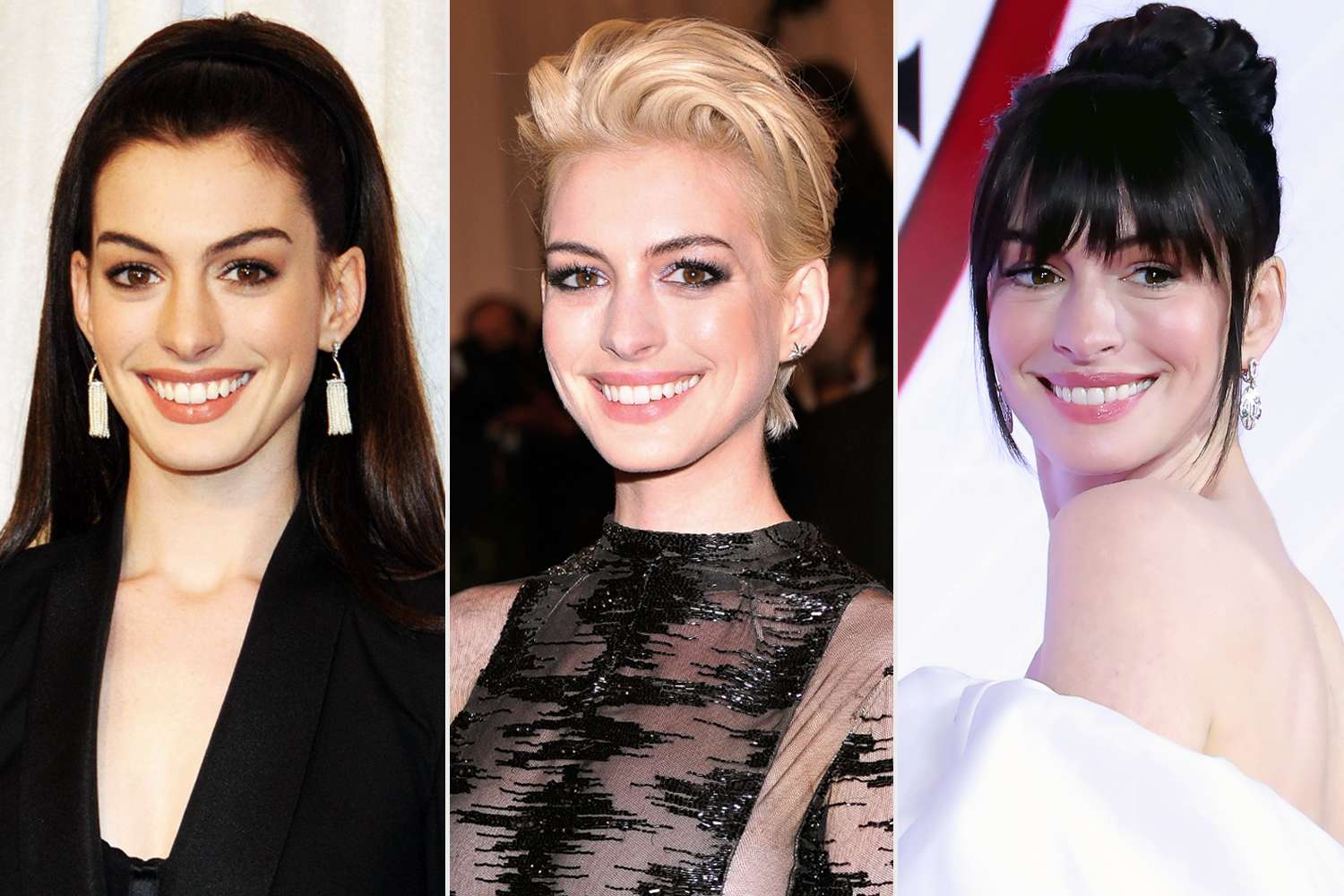
Anne Hathaway’s selfie evolution reflects a strategic shift from relatable, low-fidelity "coffee cup" posts to high-fashion "courtside" content. This transition mirrors her professional resurgence and the mastery of modern digital branding, moving from a self-deprecating aesthetic to one that embraces her status as a global fashion powerhouse and cultural icon.
The trajectory of Anne Hathaway’s social media presence is more than a simple timeline of photos; it is a case study in celebrity image rehabilitation and the power of visual storytelling. In the early 2010s, Hathaway faced an unusual phenomenon known as "Hathahate," where her perceived earnestness was met with public scrutiny. Fast forward to 2026, and she is celebrated as a "Gen Z" whisperer, a fashion chameleon, and a master of the digital "vibe check." This transformation is most visible through her selfies, which have evolved from grainy, indoor snapshots of domesticity to high-octane, polished captures at major cultural events.
The Early Era: The "Coffee Cup" and the Quest for Relatability
When Anne Hathaway first joined Instagram in 2014, the platform was a different landscape. It was the era of the "no-filter" filter—a time when celebrities were encouraged to show their "human" side to counter the untouchable artifice of the paparazzi era. Hathaway’s early selfies were characterized by a distinct lack of polish, which, at the time, was a calculated move toward relatability.
The "coffee cup" selfie became a staple of this period. These photos often featured Hathaway in cozy knitwear, holding a ceramic mug, with minimal makeup and natural lighting. The subject matter was domestic: a book she was reading, a quiet morning at home, or a behind-the-scenes look at a film set that focused on the mundane rather than the glamorous. These posts were designed to say, "I am just like you."
However, during the mid-2010s, this relatability was often misinterpreted. In a culture that was still reeling from the "cool girl" trope, Hathaway’s earnestness in these selfies sometimes felt curated to a fault. The "coffee cup" was a shield—a way to engage with the public without revealing too much, yet trying hard to appear as though she were revealing everything. The technical depth of these photos was shallow; they were often shot on older iPhone models with little regard for composition or color grading, prioritizing the message of "authenticity" over aesthetic appeal.
The Turning Point: The Fashion Renaissance and Erin Walsh
The pivot from the coffee cup to the courtside snap did not happen in a vacuum. It was the result of a deliberate shift in her professional branding, catalyzed by her partnership with stylist Erin Walsh. Starting around 2021 and 2022, Hathaway’s public appearances began to take on a sharper, more editorial edge. This shift immediately bled into her social media presence.
As her wardrobe transitioned to bold Valentino pinks and archival Versace, her selfies followed suit. The "mirrored selfie" replaced the "mug shot." These were no longer just photos of a face; they were documentations of a "look." The lighting became intentional—utilizing the "golden hour" or high-contrast indoor lighting that emphasized the texture of her clothing and the precision of her makeup.
This era marked the end of the "apologetic" celebrity. Hathaway stopped trying to prove she was "just like us" and started leaning into the fact that she is a movie star. This honesty resonated more with a younger audience than the previous attempts at domestic relatability ever did. The selfies became more confident, featuring direct eye contact with the camera and a playful use of angles that showcased both her personality and her high-fashion ensembles.
Analyzing the "Courtside Snap" Phenomenon
By the time we reached the mid-2020s, Hathaway had mastered the "courtside snap." Whether at an NBA game, a high-stakes tennis match, or a front-row seat at a fashion week in Milan, these selfies represent the pinnacle of her social media evolution.
A courtside snap is technically and socially complex. Unlike the private coffee cup selfie, the courtside snap occurs in a public, high-energy environment. It requires a balance of "candid" energy—looking like she is having the time of her life—and "curated" perfection. These photos are characterized by:
- Dynamic Backgrounds: Using the blur of the crowd or the bright colors of the court to create depth.
- The "Effortless" Glamour: Looking impeccably dressed in a way that suggests she just "threw it on" to go to a game, even if the outfit is a custom designer piece.
- Interaction: Often featuring a "guest star"—another celebrity or a reaction to a play—which increases the shareability and viral potential of the post.
- High-Fidelity Equipment: Moving from the graininess of early smartphones to the crisp, professional-grade sensors of 2026-era mobile technology, allowing for better low-light performance in stadium settings.
The courtside snap is a victory lap. It signals that Hathaway is not just working; she is participating in the cultural zeitgeist. It moves the narrative from "Anne Hathaway at home" to "Anne Hathaway where the action is."
Evolution of Aesthetic Elements: A Comparison
To understand the magnitude of this shift, we can look at the specific technical and stylistic changes in her selfie-taking habits over the last decade.
| Feature | The Coffee Cup Era (2014–2018) | The Courtside Era (2022–2026) |
|---|---|---|
| Primary Lighting | Natural window light / Dim indoor | Professional ring lights / Ambient stadium |
| Wardrobe | Loungewear, hoodies, basic tees | Haute couture, archival pieces, "Quiet Luxury" |
| Composition | Tight headshots, centered | Full-body mirrors, wide-angle "action" shots |
| Vibe/Intent | Relatability, "stars are just like us" | Aspiration, "the Hathaslayance" |
| Accessories | Ceramic mugs, glasses, scripts | Bulgari jewelry, designer bags, sunglasses |
| Engagement | Earnest captions, long paragraphs | Short, punchy captions, emojis, self-referential |
The Psychology of the "Hathaslayance"
The term "Hathaslayance"—a portmanteau of Hathaway and "slay"—became the defining descriptor of her image in the 2020s. The psychological shift behind her selfies is rooted in a move from external validation to internal confidence. In the coffee cup era, there was a sense that she was seeking approval by being "approachable." In the courtside era, the approval is secondary to the expression.
Social media analysts note that Hathaway’s current selfie style works because it embraces the "camp" and the "glamour" of being an actress. Gen Z, in particular, responded to her 2023 and 2024 appearances with fervor because they value "main character energy." A selfie taken while wearing a viral puffer jacket at a basketball game conveys more authenticity to a modern audience than a "no-makeup" selfie that feels staged.
Furthermore, Hathaway has utilized the selfie to reclaim her own narrative. By posting her own high-quality captures from events, she bypasses the often-unflattering or invasive nature of traditional paparazzi photography. She controls the angle, the lighting, and the timing, ensuring that the public sees her exactly as she wishes to be seen: as a woman in total command of her craft and her image.
Technical Specifications of Modern Celebrity Selfies
As we look at the selfies being produced in 2026, the technology has evolved to support this high-gloss aesthetic. Celebrities like Hathaway are likely utilizing advanced mobile features that were nascent just a few years ago.
- Computational Photography: Modern smartphones use AI to separate the subject from the background with near-perfect accuracy, allowing for a "bokeh" effect in a crowded stadium that looks like it was shot on a DSLR.
- Post-Processing Trends: The shift away from heavy filters (like those popular in 2014) toward "color grading." Hathaway’s modern selfies often have a cinematic warmth or a cool, editorial blue tint that makes the photo feel like a still from a movie.
- The Rise of the "Live" Selfie: The evolution from static images to short, looped videos or "Live" photos that capture movement—a hair flip, a laugh, or a wave—adding a layer of dynamism that a coffee cup photo simply couldn't provide.
Common Pitfalls and How Hathaway Avoided Them
Many celebrities attempt the transition from "relatable" to "fashion icon" and fail, often appearing out of touch or desperate. Hathaway avoided this through a few key strategies:
- Consistency: She didn't change her image overnight. The transition was a gradual escalation that matched her career moves (e.g., her role as a Bulgari ambassador).
- Humor: She never lost the ability to poke fun at herself. Even her most polished courtside snaps often feature a caption that acknowledges the absurdity of the fashion world or her own excitement as a fan.
- Quality over Quantity: Unlike the early days of "posting for the sake of posting," her modern strategy focuses on high-impact moments. Every selfie serves a purpose in her broader brand narrative.
Frequently Asked Questions
Why did Anne Hathaway’s social media style change so drastically?
The change was a combination of a professional rebranding and a response to shifting social media trends. As she moved into more high-fashion roles and brand ambassadorships (like Bulgari and Versace), her visual output had to match her professional status. Additionally, the cultural shift from "relatability" to "aspiration" allowed her to embrace a more glamorous aesthetic.
What is meant by the "Hathaslayance"?
The "Hathaslayance" refers to the period starting around 2022 when Anne Hathaway’s fashion choices and public persona became highly celebrated by the internet, particularly Gen Z. It marks her transition from being a scrutinized figure to a beloved fashion icon and "internet mom" who consistently "slays" her red carpet and social media appearances.
How does a "courtside snap" differ from a standard selfie?
A courtside snap is a specific type of celebrity selfie taken at high-profile sporting events. It combines the casual nature of a fan photo with the high-end styling of a red carpet appearance. It usually features the subject in the front row, capturing both their outfit and the high-energy atmosphere of the event, signaling their status within the cultural "inner circle."
Does Anne Hathaway use professional photographers for her Instagram?
While many of her posts are professional editorial shots or red carpet photos, her "selfies" are generally taken by her or her immediate team using high-end mobile devices. However, she often works closely with her stylist, Erin Walsh, to ensure that even the "candid" shots align with her overall aesthetic.
How has "Hathahate" influenced her current social media presence?
The "Hathahate" of the early 2010s likely made her more cautious in her early social media years, leading to the safe, "relatable" coffee cup era. Her modern success comes from moving past that fear of judgment and embracing a more authentic, albeit more glamorous, version of herself that doesn't apologize for being a movie star.
Practical Recommendation: Analyzing Your Personal Brand Evolution
For individuals or creators looking to evolve their own digital presence, Hathaway’s journey offers a clear roadmap. The transition from "relatable" to "iconic" requires an alignment of your internal confidence with your external visuals.
Next Actions:
- Audit your "Coffee Cup" moments: Identify where you are trying too hard to be relatable at the expense of your actual personality or professional goals.
- Find your "Erin Walsh": You may not need a professional stylist, but finding a consistent visual language—whether through a specific color palette, lighting style, or fashion choice—is essential for a cohesive brand.
- Embrace the "Courtside" energy: Don't be afraid to document your "wins" and high-profile moments with confidence. Authenticity in 2026 is less about being "normal" and more about being "real" about your successes and passions.