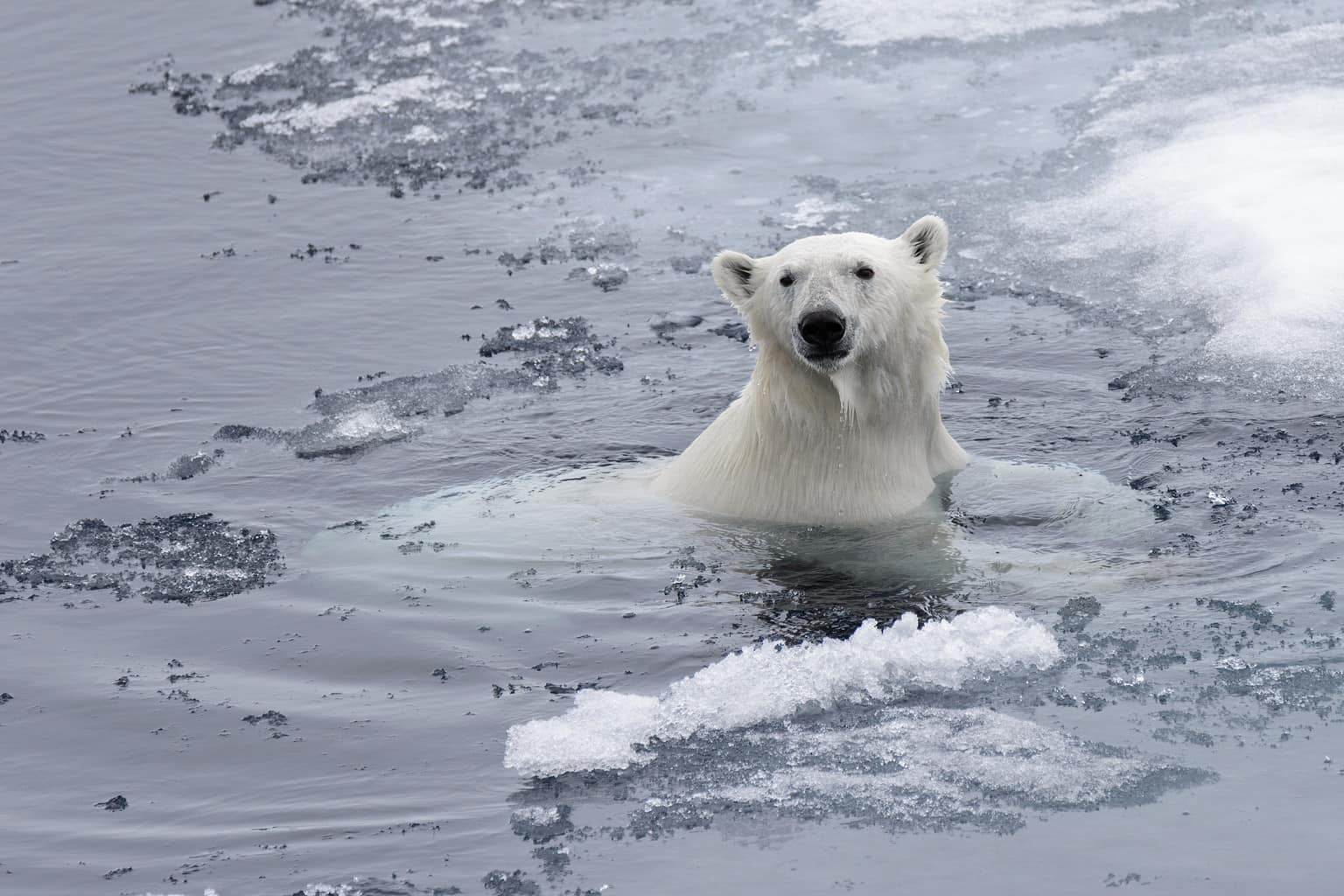
In the Arctic, you can meet iconic species such as polar bears, walruses, and reindeer, primarily through expeditions in Svalbard, Greenland, and Northern Canada. The Antarctic offers encounters with vast penguin colonies, leopard seals, and migrating whales. Seeing these animals in 2026 requires specialized expedition cruises or guided land tours that follow strict international conservation protocols.
The polar regions of our planet—the Arctic in the North and the Antarctic in the South—represent some of the most extreme yet rewarding environments for wildlife enthusiasts. While both are characterized by ice and snow, they are biologically distinct. The Arctic is an ocean surrounded by land, while the Antarctic is a continent surrounded by ocean. This fundamental geographical difference dictates which animals you can meet and where you must go to find them.
Meeting these animals is not as simple as visiting a local park; it involves significant logistical planning, financial investment, and a commitment to environmental stewardship. As of 2026, tourism in these regions is more regulated than ever, ensuring that human presence does not disrupt the fragile reproductive and hunting cycles of the resident fauna.
Iconic Wildlife of the Arctic Circle
The Arctic is home to a surprisingly diverse array of land and marine mammals. Unlike the Antarctic, the Arctic is inhabited by large land predators and herbivores because of its connection to the northern landmasses of Eurasia and North America.
The Polar Bear: King of the North
The polar bear (Ursus maritimus) is the most sought-after animal for Arctic travelers. These massive carnivores are technically marine mammals because they spend most of their lives on the sea ice.
To meet polar bears, the most reliable location in 2026 remains Churchill, Manitoba, in Canada. Known as the "Polar Bear Capital of the World," this area sees bears congregating in October and November as they wait for the Hudson Bay to freeze. Another primary destination is the Svalbard archipelago in Norway. Expedition cruises around Svalbard during the summer months (June to August) offer the best chance to see bears hunting on pack ice or roaming the rocky coastlines.
When observing polar bears, safety is paramount. Guides carry deterrents and, in some cases, firearms for protection, though the goal is always to maintain a distance that prevents the bear from altering its behavior. In 2026, drone regulations have tightened significantly to prevent the harassment of bears, so most photography is done via high-powered telephoto lenses from the safety of a ship or a tundra buggy.
The Walrus and the Muskox
The walrus (Odobenus rosmarus) is another Arctic heavyweight you are likely to encounter. These social animals are often found "hauled out" on beaches or ice floes in large, noisy groups. Svalbard and the Canadian Arctic are prime viewing spots. Observing a walrus colony is a sensory experience; the sound of their bellows and the distinct smell of the colony are unforgettable.
The muskox (Ovibos moschatus) offers a glimpse into the Pleistocene era. These shaggy, prehistoric-looking herbivores roam the tundra of Greenland and Northern Canada. They are known for their defensive formation—arranging themselves in a circle with their horns facing outward to protect the young from wolves. Land-based treks in Dovrefjell-Sunndalsfjølla National Park in Norway or expeditions to East Greenland are the best ways to see them.
Marine Life: Narwhals, Belugas, and Bowheads
The Arctic waters host some of the world's most unique cetaceans. The narwhal, often called the "unicorn of the sea" due to the male's long spiral tusk, is notoriously difficult to spot. They inhabit the deep waters of the High Arctic, often near the ice edge. Seeing them usually requires a specialized expedition to the Floe Edge in Nunavut, Canada, during the late spring.
Beluga whales are much more accessible. In the summer, thousands of belugas migrate to the warm estuaries of the Cunningham Inlet or the Churchill River. They are incredibly vocal and social, often approaching boats out of curiosity.
Iconic Wildlife of the Antarctic Continent
The Antarctic offers a different experience. There are no land-based predatory mammals like bears or wolves. Instead, the wildlife is concentrated along the coastlines and in the surrounding Southern Ocean.
The Penguins: Flightless Residents
Penguins are the undisputed stars of the Antarctic. Several species inhabit the continent and its surrounding islands, each with distinct behaviors and habitats.
- Adélie Penguins: Small and feisty, these are the classic "tuxedo" penguins found all around the Antarctic coast.
- Gentoo Penguins: Recognizable by the white "bonnet" marking on their heads, they are the fastest underwater swimmers among penguins.
- Chinstrap Penguins: Named for the narrow black band under their heads, they often nest on rocky, high-altitude slopes.
- Emperor Penguins: The largest and most elusive. Meeting them usually requires a flight to a remote colony like Snow Hill Island or a deep-south icebreaker cruise into the Ross Sea.
In 2026, the International Association of Antarctica Tour Operators (IAATO) mandates a minimum distance of 5 meters (15 feet) from penguins. However, penguins are often curious and may approach humans who remain still.
The Leopard Seal and Other Pinnipeds
The leopard seal (Hydrurga leptonyx) is the apex predator of the Antarctic shallows. With their powerful jaws and reptilian appearance, they are formidable hunters of penguins. You can often see them lounging on ice floes or patrolling the waters near penguin colonies.
Other seals you are likely to meet include the Weddell seal, which can dive deeper than almost any other seal, and the Crabeater seal, which despite its name, primarily eats krill. For those visiting South Georgia Island, the Southern Elephant Seal is a must-see. These are the largest of all seals, with males weighing up to 4,000 kg (8,800 lbs).
Great Whales of the Southern Ocean
The Southern Ocean is a massive feeding ground for whales during the Antarctic summer (December to March). Humpback whales are common and often perform "breaching" or "bubble-net feeding" near expedition ships. Orcas (killer whales) are also frequently spotted, particularly the specialized "Type B" orcas that hunt seals by washing them off ice floes with synchronized waves.
Comparing Arctic and Antarctic Wildlife Encounters
The following table provides a high-level comparison of what to expect when planning a trip to either pole in 2026.
| Feature | Arctic (The North) | Antarctic (The South) |
|---|---|---|
| Primary Apex Predator | Polar Bear (Land/Ice) | Leopard Seal / Orca (Marine) |
| Key Land Mammals | Reindeer, Muskox, Arctic Fox | None |
| Bird Highlight | Atlantic Puffin, Snowy Owl | Penguins (multiple species), Albatross |
| Best Viewing Month | June – August (Summer) | December – February (Summer) |
| Primary Hubs | Longyearbyen, Churchill, Nuuk | Ushuaia, Punta Arenas, Hobart |
| Typical Cost (USD) | $6,000 – $15,000 | $10,000 – $25,000 |
| Physical Difficulty | Moderate (Tundra hiking) | Moderate (Zodiac landings) |
How to Meet Polar Animals Responsibly
As of 2026, the ethics of polar travel are centered on "Low Impact, High Education." Both the Arctic and Antarctic ecosystems are undergoing rapid changes due to warming temperatures, and visitors are expected to be ambassadors for conservation.
Choosing the Right Expedition
To meet these animals, you must book with an operator that belongs to AECO (Association of Arctic Expedition Cruise Operators) for the North or IAATO for the South. These organizations set the gold standard for wildlife safety. Small-ship expeditions (carrying 100-200 passengers) are generally preferred over large cruise ships because they allow for more frequent Zodiac landings and closer, yet controlled, wildlife viewing.
Requirements and Preparation
- Physical Fitness: You don't need to be an athlete, but you should be able to get in and out of a rubber Zodiac boat and walk on uneven, icy terrain.
- Gear: Waterproofing is non-negotiable. High-quality waterproof boots (often provided by the ship), waterproof trousers, and layered moisture-wicking clothing are essential.
- Patience: Wildlife sightings are never guaranteed. The weather in polar regions is volatile, and itineraries can change by the hour. The most successful travelers are those who embrace the "expedition" mindset rather than a fixed "cruise" schedule.
Cost Considerations
Polar travel is expensive because of the specialized vessels and highly trained staff required. A 10-day Antarctic Peninsula trip in 2026 typically starts at around $10,000 USD, while a week-long Svalbard expedition might start at $7,000 USD. Remote "Fly-in" camps for Emperor penguins or North Pole expeditions can exceed $50,000 USD.
Biological Adaptations: How They Survive
Understanding how these animals survive can enhance your viewing experience. Polar animals have evolved remarkable biological mechanisms to thrive in sub-zero temperatures.
- Counter-Current Heat Exchange: Many polar birds and mammals have specialized blood vessel arrangements in their legs and flippers. Warm arterial blood flowing away from the heart warms the cool venous blood returning from the extremities, preventing core heat loss.
- Blubber and Fur: Polar bears have two layers of fur and a thick layer of fat (blubber). Interestingly, their skin is black to absorb as much heat as possible from the sun. Penguins rely on densely packed, waterproof feathers and a layer of subcutaneous fat.
- Antifreeze Proteins: Some Antarctic fish species have proteins in their blood that prevent ice crystals from forming, allowing them to live in water that is technically below the freezing point of fresh water.
Common Mistakes to Avoid
- Focusing Only on the "Big" Species: While polar bears and penguins are the main draws, don't ignore the smaller wildlife. The Arctic Fox, with its seasonal color-changing fur, and the Arctic Tern, which performs the longest migration of any animal on Earth, are equally fascinating.
- Inadequate Photography Gear: Smartphones are great for scenery but struggle with wildlife at a distance. If your goal is to "meet" and document these animals, bring a camera with at least a 300mm to 400mm zoom lens.
- Underestimating the Cold: Even in the height of summer, temperatures hover around freezing, and wind chill on a moving boat can be brutal. Proper gear is the difference between enjoying a whale sighting and shivering in the cabin.
Frequently Asked Questions
Can I see polar bears and penguins in the same place?
No. Polar bears live only in the Arctic (North Pole region), and penguins live almost exclusively in the Southern Hemisphere, with the majority in the Antarctic (South Pole region). The only place you will see them together is in a zoo.
When is the best time of year to see polar wildlife?
For the Arctic, the window is June through September. For the Antarctic, it is November through March. These windows coincide with the respective summer seasons when the sea ice melts enough for ships to navigate and the wildlife is most active.
Are polar expeditions safe for families?
Most expedition cruises have a minimum age requirement (often 8 or 12 years old). While safe, these trips are long and require patience and the ability to stay quiet during wildlife encounters, which may be challenging for very young children.
How has climate change affected wildlife viewing in 2026?
Warming temperatures have made some areas more accessible as sea ice recedes, but they have also made wildlife patterns less predictable. For example, polar bears in some regions are spending more time on land, and some penguin colonies are shifting further south to find colder conditions.
Do I need a visa to visit these habitats?
Antarctica is not a country and requires no visa, but you must have permits (usually handled by your tour operator). Arctic regions are part of sovereign nations (Norway, Canada, USA, Greenland/Denmark), so standard visa requirements for those countries apply.
Practical Recommendation for Travelers
If you are a first-time polar traveler in 2026, start with a Classic Antarctic Peninsula cruise departing from Ushuaia, Argentina, or a Svalbard Odyssey from Longyearbyen, Norway. These routes offer the highest density of wildlife sightings and the most robust tourist infrastructure. Ensure you book at least 12 to 18 months in advance, as these expeditions operate at limited capacity to protect the environment. Always purchase comprehensive travel insurance that includes emergency medical evacuation, as the cost of a rescue from these remote regions can be astronomical.