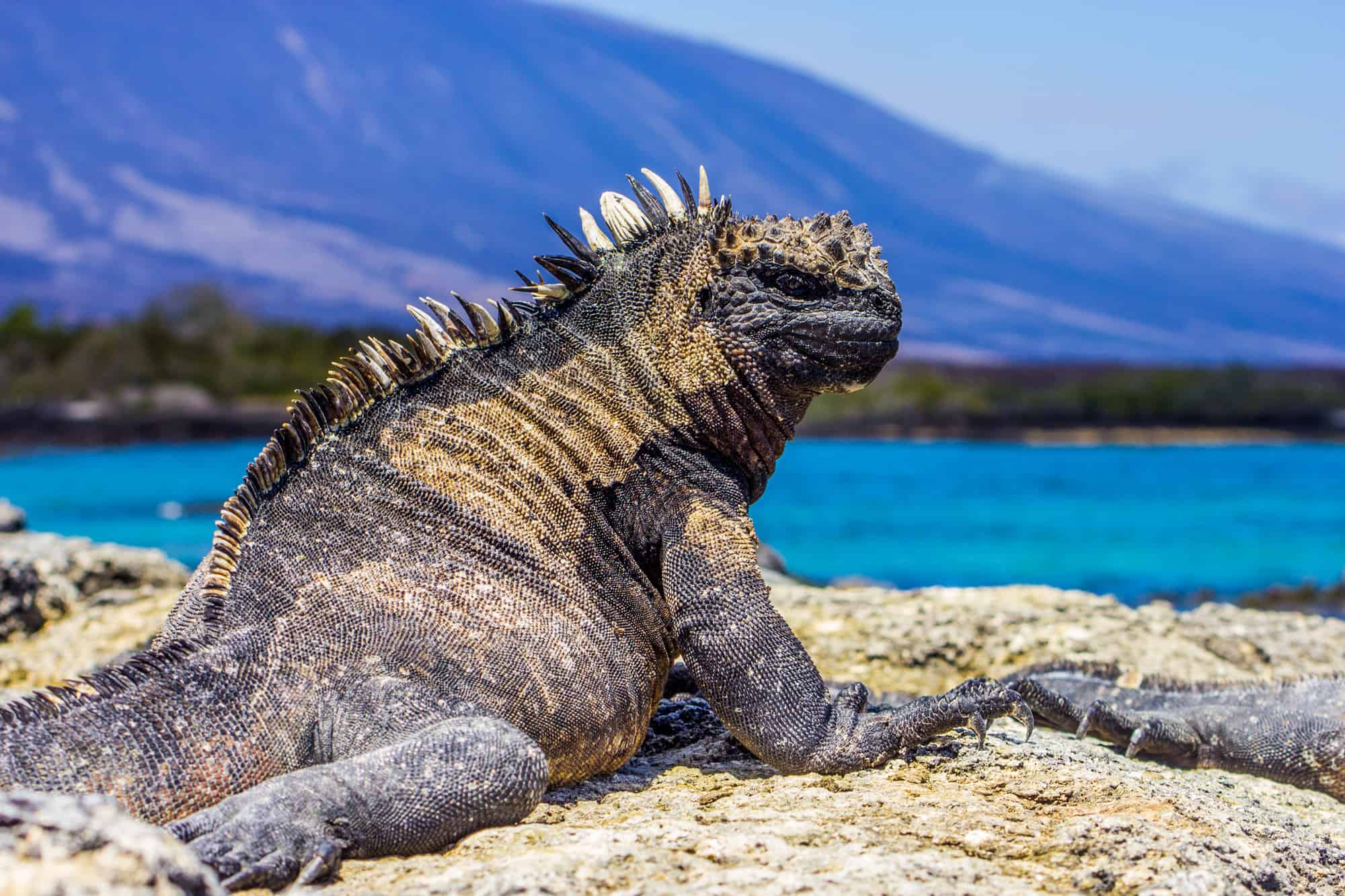
The animals in the Galápagos represent one of the most significant collections of biodiversity on Earth, characterized by high levels of endemism where species found here exist nowhere else. This "living laboratory" features iconic creatures like the Galápagos giant tortoise, the world’s only marine iguana, and the northernmost penguin species, all thriving within a strictly regulated volcanic ecosystem managed by the Galápagos National Park.
The Galápagos Archipelago, situated approximately 1,000 kilometers off the coast of Ecuador, remains a pinnacle of evolutionary biology. In 2026, the archipelago continues to serve as a critical site for scientific research and high-standard ecotourism. The wildlife here is famous not just for its diversity but for its ecological naivety—a lack of fear toward humans resulting from a historical absence of large land predators. This guide provides a technical and comprehensive overview of the primary species, their specialized adaptations, and the current conservation frameworks protecting them.
The Reptilian Giants: Masters of the Arid Zones
Reptiles are the dominant land animals in the Galápagos, a rarity for island ecosystems. Because reptiles can survive long periods without water and food, they were better suited than mammals to survive the arduous journey from the South American mainland on "vegetation rafts" millions of years ago.
Galápagos Giant Tortoises (Chelonoidis niger)
The archipelago's namesake (the Spanish word galápago refers to a type of saddle), these tortoises are the largest living species of tortoise in the world. As of 2026, scientific consensus recognizes several distinct lineages or subspecies, each adapted to the specific topography and vegetation of its home island.
- Saddleback Tortoises: Found on lower, more arid islands like Española and Pinzón. They possess a distinct upward curve in the front of their shell, allowing them to stretch their long necks upward to reach high-growing cacti.
- Domed Tortoises: Inhabiting the lush, humid highlands of islands like Santa Cruz and Isabela. Their shells are rounded, as their food source—low-lying grasses and shrubs—is abundant on the ground.
These tortoises can live for over 150 years and play a vital role as "ecosystem engineers," dispersing seeds and trampling vegetation to create open habitats for other species.
Marine Iguanas (Amblyrhynchus cristatus)
The Galápagos marine iguana is the only lizard in the world that has evolved to forage in the ocean. These "imps of darkness," as Charles Darwin famously called them, possess several remarkable physiological adaptations:
- Salt Glands: Located near the nose, these glands allow the iguana to sneeze out excess salt filtered from its blood after diving.
- Flattened Tails: Used for powerful lateral swimming.
- Sharp Claws: Enabling them to grip volcanic rocks against strong crashing waves while grazing on submerged algae.
In 2026, researchers are closely monitoring these populations for impacts related to El Niño-Southern Oscillation (ENSO) cycles, which can drastically reduce their primary food source (green and red algae).
Avian Diversity and Evolutionary Markers
Birds in the Galápagos provided the catalyst for the theory of natural selection. Today, they remain some of the most accessible subjects for wildlife observation.
Darwin’s Finches
Though small and often overlooked, the 17 species of finches (including the Cocos Finch) are the most important birds in the history of science. Each species has evolved a specific beak shape suited to a particular food source—be it seeds, insects, or even the blood of other birds (in the case of the Vampire Finch). Their rapid evolution in response to environmental changes continues to be a primary focus for the Charles Darwin Foundation.
The Galápagos Penguin (Spheniscus mendiculus)
As the only penguin species found north of the equator, the Galápagos penguin survives in tropical latitudes thanks to the cooling effects of the Cromwell Current. This nutrient-rich upwelling provides the cold-water fish necessary for their survival. They are relatively small, an adaptation that helps them dissipate heat more effectively while on land.
Blue-Footed Boobies and Flightless Cormorants
The Blue-footed Booby (Sula nebouxii) is a fan favorite, known for its bright cerulean feet, which are a result of carotenoid pigments from their diet. A more vibrant blue often indicates a healthier individual, serving as a key signal during elaborate mating dances.
Conversely, the Flightless Cormorant (Phalacrocorax harrisi) is a masterclass in evolution. On islands with no land predators and abundant food in the surrounding waters, the bird eventually lost the ability to fly. Its wings are now stunted, used primarily for balance while hopping over rocks, while its legs have become powerful engines for underwater pursuit.
Marine Mammals and Apex Predators
The waters surrounding the islands are protected by the Galápagos Marine Reserve, one of the largest in the world. This ensures that the marine mammals inhabiting the archipelago have a safe haven from industrial fishing.
Galápagos Sea Lions (Zalophus wollebaeki)
Endemic to the islands, these sea lions are ubiquitous on many beaches. They are highly social and playful, though the Galápagos National Park strictly enforces a two-meter distance rule to prevent the transmission of diseases and to avoid disrupting natural behaviors. Bull sea lions are highly territorial, especially during the breeding seasons observed in 2026.
Galápagos Sharks and Rays
The archipelago is a global hotspot for shark diversity. Divers and snorkelers frequently encounter:
- Whale Sharks: Often seen near Darwin and Wolf Islands.
- Scalloped Hammerheads: Known for forming massive schools numbering in the hundreds.
- Galápagos Sharks: An apex predator that maintains the balance of the reef ecosystem.
Key Wildlife Comparison Table (Current Status 2026)
| Species | Primary Habitat | Diet | Conservation Status | Observation Tip |
|---|---|---|---|---|
| Giant Tortoise | Highlands/Arid lowlands | Vegetation/Cacti | Vulnerable to Endangered | Visit the Highlands of Santa Cruz in the morning. |
| Marine Iguana | Rocky coastlines | Algae/Seaweed | Vulnerable | Look for them sunbathing on black lava rocks. |
| Blue-footed Booby | Coastal cliffs | Small fish | Least Concern | Breeding displays peak from May to September. |
| Galápagos Penguin | Western islands (Isabela/Fernandina) | Fish/Crustaceans | Endangered | Best seen via snorkeling near Tagus Cove. |
| Sea Lion | Sandy beaches/Docks | Fish/Squid | Endangered | Common in Puerto Baquerizo Moreno (San Cristóbal). |
| Flightless Cormorant | Fernandina & West Isabela | Bottom-dwelling fish | Vulnerable | Look for them drying their vestigial wings on rocks. |
Ecological Adaptations and the Living Laboratory
The animals in the Galápagos have developed specific traits to survive in a harsh, volcanic environment. One of the most critical factors is the intersection of three major ocean currents: the Humboldt (cold, from the south), the Panama (warm, from the north), and the Cromwell (cold upwelling, from the west).
This convergence creates distinct microclimates across the islands. For example, the western islands of Fernandina and Isabela are much cooler, supporting penguins and fur seals, while the central islands are warmer and more suitable for tropical species.
The Phenomenon of Island Gigantism and Dwarfism
Isolation often leads to unusual size shifts. The Giant Tortoise is a classic example of island gigantism, where the absence of predators and competitors allowed the species to grow to massive proportions. Conversely, the Galápagos Hawk—the archipelago's only endemic apex land predator—is relatively small compared to mainland raptors, reflecting the limited size of its prey (juvenile iguanas and rodents).
Regulations for Wildlife Interaction in 2026
To preserve this fragile ecosystem, the Galápagos National Park Directorate (GNPD) implements strict visitor guidelines. In 2026, these rules are more critical than ever due to increased global tourism pressure.
- Maintain Distance: You must stay at least 2 meters (6.5 feet) away from all wildlife. This includes even "tame" animals like sea lions and mockingbirds.
- Follow the Paths: Visitors must remain on marked trails at all times to avoid stepping on iguana nests or destroying endemic flora.
- No Feeding: Feeding animals can disrupt their natural foraging habits and lead to dangerous dependencies or health issues.
- Certified Guides: All visitors to the National Park must be accompanied by a licensed naturalist guide.
- Biosecurity: Before entering the islands, all luggage and footwear are inspected by the Galápagos Biosecurity Agency (ABG) to prevent the introduction of invasive species like fire ants or blackberry seeds.
Conservation Challenges and the Future
Despite its protected status, the Galápagos faces significant threats. In 2026, the focus of conservationists has shifted toward three primary areas:
- Invasive Species Management: Rats, cats, and goats have historically devastated native populations. While goats have been largely eradicated from major islands, the fight against invasive insects and plant life remains ongoing.
- Climate Change: Rising sea temperatures during El Niño events can cause mass starvation among marine iguanas and penguins by killing off the algae and fish they rely on.
- Illegal Fishing: The waters outside the protected reserve are often targeted by international fishing fleets, which can impact the migratory patterns of sharks and sea turtles.
Organizations like the Galápagos Conservancy work year-round to fund reforestation and captive breeding programs, ensuring that species like the Pinzón giant tortoise—once on the brink of extinction—can return to their natural habitats.
FAQ
What is the best time of year to see animals in the Galápagos?
Wildlife viewing is excellent year-round, but specific events occur seasonally. From January to May (the hot season), you are more likely to see sea turtle nesting and land iguanas hatching. From June to December (the garúa season), the cooler waters bring more activity for whales, dolphins, and the Albatross (which are typically only present on Española Island from April to December).
Are there any dangerous animals in the Galápagos?
The Galápagos is notably free of animals that are traditionally dangerous to humans, such as large cats or venomous snakes. While sharks are present, they are generally non-aggressive toward humans. The most common "danger" is the territorial behavior of male sea lions during breeding season; visitors should always yield the right of way to them.
Why are the animals so tame?
The animals evolved in the absence of terrestrial predators (like lions, wolves, or humans). Because they did not develop an instinctual "flight" response, they remain calm in the presence of people. This unique trait, known as ecological naivety, is one of the most protected aspects of the Galápagos experience.
Can I see all the famous species on one island?
No. Because of the unique evolutionary history of the islands, many species are island-specific. For example, the Waved Albatross is only found on Española, and the Flightless Cormorant is restricted to the western edges of Isabela and Fernandina. To see a broad variety, a multi-island cruise or several land-based day trips are necessary.
What should I do if an animal approaches me?
If an animal moves toward you, you are required to move back to maintain the mandatory 2-meter gap. It is common for curious young sea lions or mockingbirds to approach, but you must not encourage the interaction or touch them.
Practical Recommendation for Visitors
For those planning a visit in 2026, prioritize a multi-day expedition cruise if your goal is to see the widest variety of endemic animals. These vessels reach the "outer islands" like Genovesa (Bird Island) and Fernandina, which host the most pristine and unique wildlife populations. If traveling land-based, ensure you book excursions to the Charles Darwin Research Station on Santa Cruz to see the tortoise breeding program and a boat trip to Kicker Rock for unparalleled shark and ray sightings.