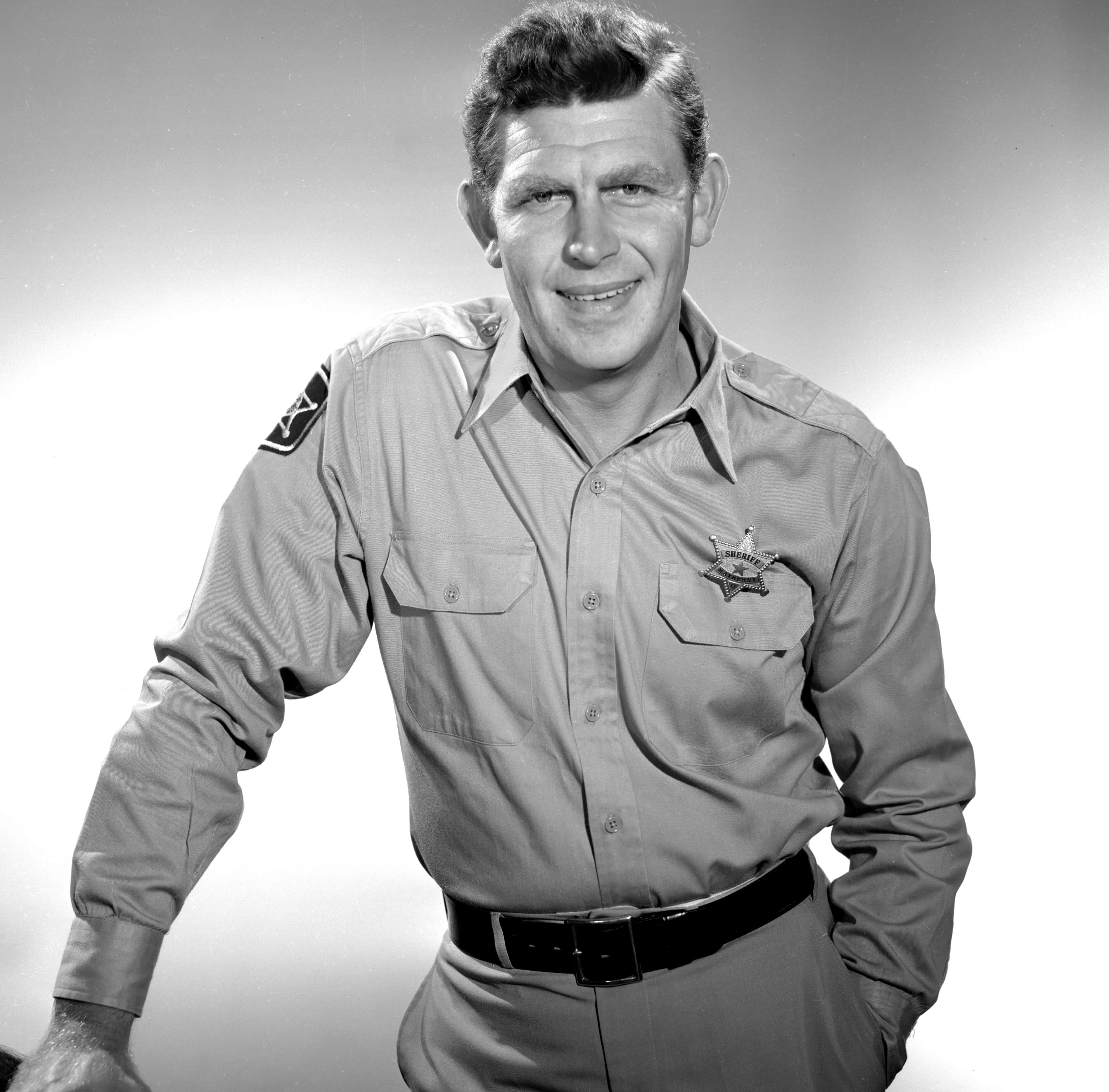
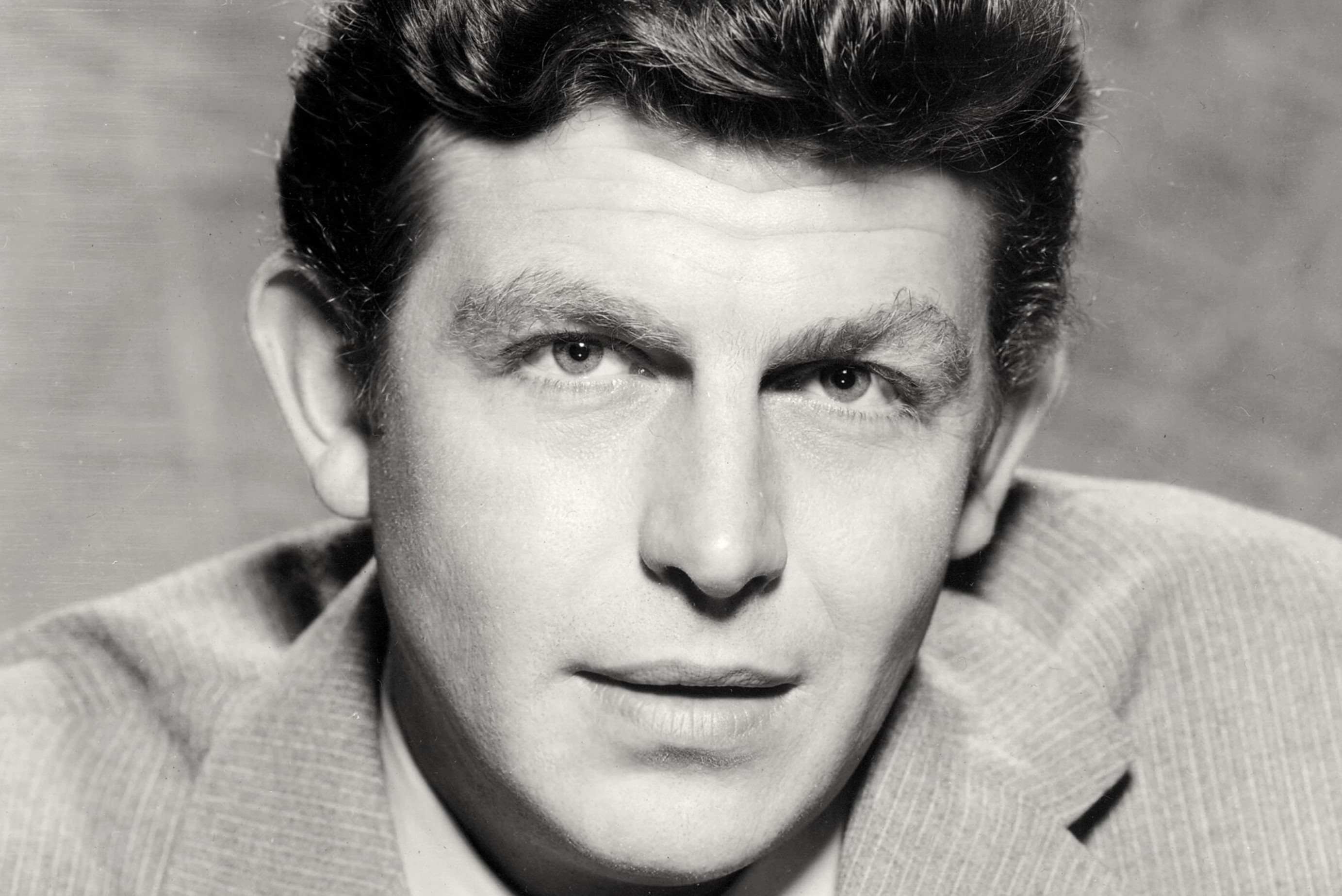
The legacy of Andy Griffith is defined by his profound influence on American television, music, and the cultural archetype of the "ideal" small town. Best known for creating the peaceful world of Mayberry and the savvy defense attorney Ben Matlock, Griffith’s work remains a cornerstone of broadcast history and a blueprint for character-driven storytelling.
The Genesis of an Icon: From Mount Airy to Broadway
To understand the legacy of Andy Griffith in 2026, one must look back to his roots in Mount Airy, North Carolina. Born in 1926, Griffith’s early life was deeply embedded in the rural South, a setting that would later serve as the primary inspiration for his most famous work. His journey did not begin on the screen but rather through music and monologue.
Griffith’s first major brush with national fame came from his 1953 monologue, "What It Was, Was Football." This comedic piece, told from the perspective of a rural man trying to understand a college football game, showcased his innate ability to blend folksy charm with sharp observational humor. The record became a hit, leading to appearances on The Ed Sullivan Show and setting the stage for his transition into acting.
His dramatic range was first fully realized in the 1955 teleplay No Time for Sergeants, which later became a Broadway hit and a feature film. In it, Griffith played Will Stockdale, a naive but well-meaning recruit in the United States Air Force. This role established his "country boy" persona, but it was his next project that would prove he was far more than a one-dimensional comedian.
A Face in the Crowd: The Dark Side of the Persona
While many remember Griffith for his warmth, film historians and critics frequently point to his performance in Elia Kazan’s 1957 film A Face in the Crowd as his greatest professional achievement. Playing the role of Larry "Lonesome" Rhodes, Griffith portrayed a drifter who rises to national political power through the manipulation of mass media.
In 2026, this film is often cited as being decades ahead of its time. Griffith’s performance was explosive, terrifying, and a complete departure from the "Andy Taylor" persona that would follow. The film explored themes of media manipulation, populism, and the corruption of power—topics that remain intensely relevant in the modern discourse of the 2020s. By proving he could play a manipulative villain with the same conviction as a friendly neighbor, Griffith solidified his status as a technical master of his craft.
The Mayberry Philosophy: The Andy Griffith Show
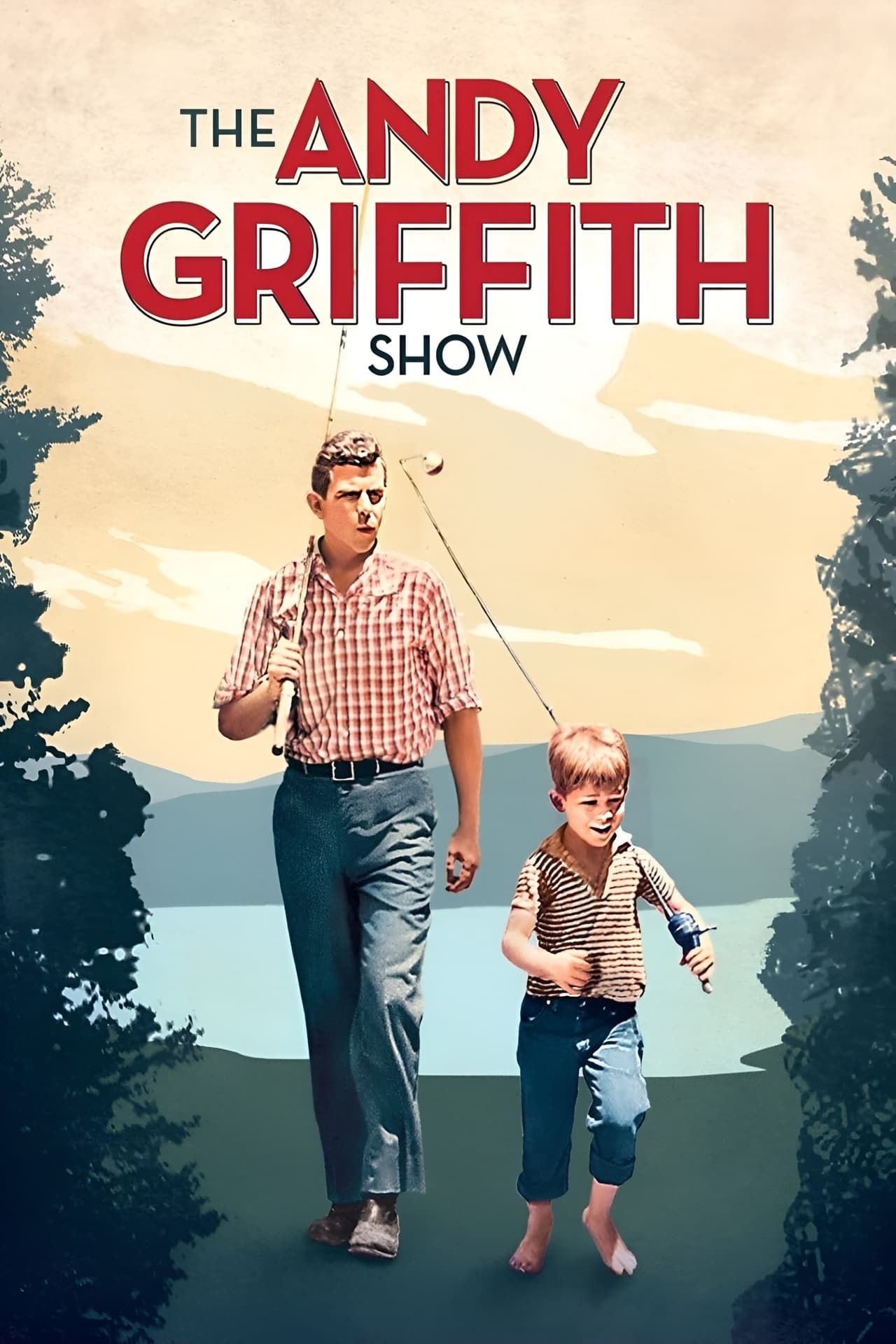
In 1960, Griffith debuted The Andy Griffith Show, a series that would define his legacy more than any other. Set in the fictional town of Mayberry, North Carolina, the show was not merely a sitcom; it was a character study in human decency, parenting, and community.
The Character of Sheriff Andy Taylor
Unlike many sitcom fathers of the 1960s, Andy Taylor was a widower who raised his son, Opie (played by a young Ron Howard), with a mixture of discipline and profound empathy. Griffith famously insisted that his character be the "straight man" to the eccentricities of the townspeople, most notably his deputy, Barney Fife (Don Knotts). This decision was crucial. By allowing others to provide the overt comedy, Griffith’s Andy Taylor became the moral compass of the show, grounding the humor in reality.
The Dynamics of Barney Fife
The chemistry between Andy Griffith and Don Knotts is widely considered the greatest duo in television history. Griffith’s technical approach to their scenes involved a deep understanding of pacing and reaction. He recognized early on that Knotts’ high-energy performance needed a calm, steady anchor to be effective. This partnership resulted in five Emmy Awards for Knotts and a legacy of comedic timing that is still studied by television writers today.
Mayberry as a Cultural Standard
The legacy of Mayberry has transcended the show itself. In 2026, "Mayberry" is a shorthand term used to describe a simpler, more connected way of life. While the show avoided the turbulent political realities of the 1960s, its focus on interpersonal conflict resolution and community support created a timeless quality. This "Mayberry Philosophy" continues to draw viewers to streaming platforms and cable syndication, offering a sense of "comfort TV" that remains a significant sector of the entertainment market.
The Second Act: Matlock and the Legal Drama
Following a period of various film and television projects in the 1970s, Griffith experienced a massive career resurgence in 1986 with Matlock. Playing Ben Matlock, a folksy but brilliant defense attorney in Atlanta, Griffith proved that his appeal was not limited to a specific decade or genre.
Matlock ran for nine seasons and became a staple of the legal procedural genre. The show utilized Griffith’s established persona—the unassuming Southerner—and weaponized it in a courtroom setting. Ben Matlock often appeared to be a simple man, but he was always the smartest person in the room. The show’s success demonstrated Griffith’s business acumen as well; he was an executive producer and had significant creative control, ensuring the show maintained the high standards of character development he was known for.
Music and Faith: A Parallel Career
A significant but sometimes overlooked part of Griffith’s legacy is his contribution to gospel music. Throughout his life, Griffith maintained a deep connection to his faith and the traditional hymns of his youth.
In 1996, he released I Love to Tell the Story: 25 Timeless Hymns, which went platinum and earned him a Grammy Award for Best Southern, Country, or Bluegrass Gospel Album. His musical legacy is characterized by the same authenticity found in his acting—unadorned, heartfelt, and technically proficient. For many fans, his singing was an extension of the peace and sincerity he projected on screen.
Key Career Milestones and Cultural Impact
The following table outlines the pivotal moments in Andy Griffith’s career and their lasting significance in 2026.
| Period | Project/Event | Role/Contribution | Legacy Impact |
|---|---|---|---|
| 1953 | "What It Was, Was Football" | Monologue Writer/Performer | Launched the "country boy" archetype in mainstream media. |
| 1957 | A Face in the Crowd | Larry "Lonesome" Rhodes | Established his dramatic range and prophetic insight into media. |
| 1960–1968 | The Andy Griffith Show | Sheriff Andy Taylor | Created the gold standard for small-town community and parenting. |
| 1986–1995 | Matlock | Ben Matlock | Defined the "folksy genius" legal procedural lead. |
| 1996 | I Love to Tell the Story | Gospel Vocalist | Earned a Grammy; reinforced his connection to Southern heritage. |
| 2005 | Presidential Medal of Freedom | Honoree | Recognized for his lifetime contribution to American culture. |
The Andy Griffith Museum and Mount Airy Tourism
By 2026, the physical legacy of Andy Griffith has transformed his hometown of Mount Airy into a major destination for cultural tourism. The Andy Griffith Museum, which houses the largest collection of Griffith memorabilia, serves as a hub for fans worldwide.
The town has embraced its identity as the "Real Life Mayberry," with local businesses mirroring the fictional storefronts of the show. This economic impact is a direct result of Griffith’s work. His legacy provides a sustainable tourism model based on nostalgia and the preservation of mid-century Americana. Annual events like "Mayberry Days" continue to attract thousands, proving that the show’s values and characters have a multi-generational appeal that survives long after the original broadcast.
Technical Contributions to Television Production
Beyond his performance, Griffith’s legacy includes his role as a producer and creative lead. He was known for being a perfectionist on set, often involving himself in the rewriting of scripts to ensure the dialogue felt natural to the characters.
- Script Supervision: Griffith worked closely with writers to remove "joke-heavy" dialogue in favor of character-driven humor. This ensured that The Andy Griffith Show did not feel dated like many other "slapstick" sitcoms of the era.
- Ensemble Building: He prioritized the strength of the supporting cast. Griffith understood that a lead is only as good as the world around them, leading to the development of iconic characters like Gomer Pyle, Aunt Bee, and Otis Campbell.
- The "Single Camera" Method: The show utilized a single-camera setup, which allowed for more cinematic lighting and deliberate pacing compared to the multi-camera, live-audience format of other 1960s sitcoms. This contributes to the show’s modern look and feel in high-definition remasters available in 2026.
Analyzing the 2026 Relevance: Why Griffith Still Matters
In the current landscape of 2026, where entertainment is often fragmented and high-concept, the simplicity of Andy Griffith’s body of work offers a necessary counterpoint. His legacy is not just about nostalgia; it is about the mastery of "the human moment."
His ability to convey complex emotions—disappointment, pride, forgiveness—through a simple look or a change in vocal inflection is what makes his work endure. As digital media becomes more saturated, the "unfiltered" and grounded nature of Griffith's performances provides a sense of authenticity that audiences continue to crave.
Frequently Asked Questions
Did Andy Griffith actually write the episodes of his show?
While Griffith was not the primary writer, he exercised significant creative control and frequently participated in "table reads" where scripts were heavily revised. He would often rewrite lines to better fit the Southern dialect or to ensure the characters remained consistent with their established personalities. His influence on the tone and direction of the writing was absolute.
Is the town of Mayberry a real place in North Carolina?
Mayberry is a fictional town, but it is heavily based on Griffith’s hometown of Mount Airy, North Carolina. Many locations in the show, such as Snappy Lunch, were real businesses in Mount Airy that Griffith included to add an air of authenticity to the series. Today, Mount Airy serves as a living tribute to the fictional town.
Why did Andy Griffith never win an Emmy for playing Andy Taylor?
Despite the immense popularity of the show and his central role, Griffith never won an Emmy for his portrayal of Andy Taylor. This is often attributed to his role as the "straight man." Because he was so effective at making those around him—particularly Don Knotts—shine, his own subtle and nuanced performance was sometimes overlooked by the Academy in favor of more overt comedic acting.
What happened to Andy Griffith's career after Matlock?
After Matlock concluded in 1995, Griffith remained active but became more selective with his roles. He appeared in various films, such as Waitress (2007), and focused heavily on his gospel music career. He remained a respected elder statesman of the industry until his passing in 2012, frequently appearing in retrospectives and documentaries about the history of television.
How can I visit the Andy Griffith Museum?
The Andy Griffith Museum is located in Mount Airy, North Carolina. It is open year-round and features a vast array of artifacts from Griffith’s life and career, including costumes, props, and personal items. It is the primary site for fans looking to connect with his historical and cultural legacy.
Practical Recommendation for Engaging with His Legacy
For those looking to explore the technical and artistic legacy of Andy Griffith in 2026, a "dual-viewing" approach is recommended. Start by watching his performance in A Face in the Crowd to understand his raw dramatic power and technical range as an actor. Follow this by viewing the first three seasons of The Andy Griffith Show (the "black and white" era), paying close attention to his reactions and timing as the straight man. This contrast provides the most comprehensive understanding of why he remains one of the most significant figures in the history of American media.