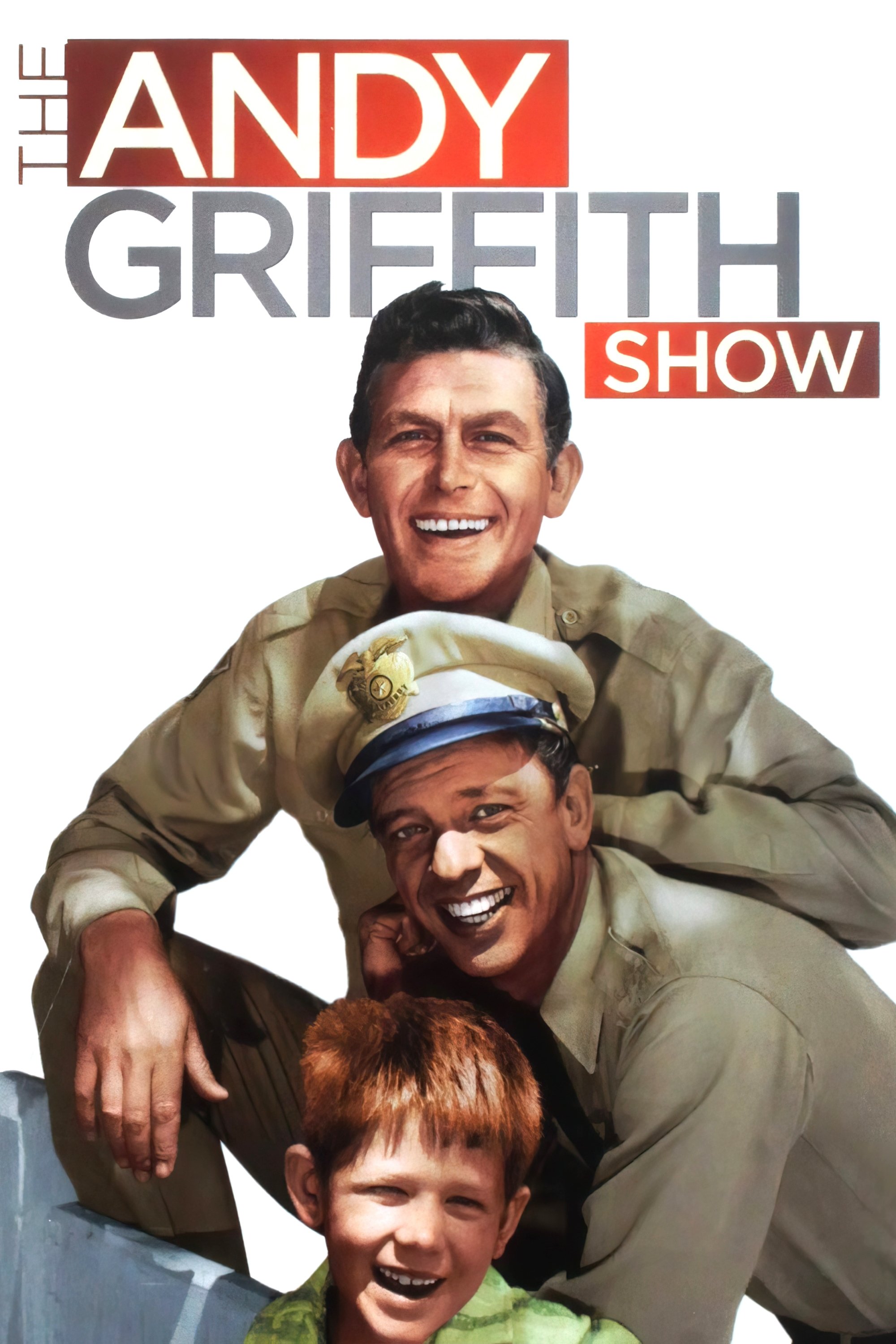
The legendary actor popularly known as Andy Griffith was born Andrew Samuel Griffith. Throughout his decades-long career in radio, television, film, and music, he rarely used his full middle name professionally, opting for the more approachable and folksy "Andy Griffith" that became synonymous with American hospitality and Southern charm.
As of 2026, Andy Griffith remains a cornerstone of American cultural history. While many actors of his era have faded from the collective memory, Griffith’s work continues to be studied for its technical precision, its portrayal of rural life, and its enduring influence on the "legal procedural" and "sitcom" genres. Understanding the man behind the name Andrew Samuel Griffith requires looking past the sheriff's badge and the courtroom suits to see the classically trained musician and dramatic powerhouse who reshaped 20th-century entertainment.
Early Life and the Roots of Andrew Samuel Griffith
Andrew Samuel Griffith was born on June 1, 1926, in Mount Airy, North Carolina. His early years were marked by the modest circumstances of a working-class family in the South. He was the only child of Carl Lee Griffith and Geneva Griffith. The environment of Mount Airy would later serve as the primary inspiration for the fictional town of Mayberry, though Griffith often pointed out that Mayberry was an idealized version of the world he knew, rather than a literal carbon copy.
In his youth, Griffith did not initially set out to be an actor. His first love was music. He was active in his local church and developed a proficiency for the trombone. This musical foundation was critical; it taught him rhythm and timing, which he would later apply to his comedic delivery. Griffith attended the University of North Carolina at Chapel Hill, where he earned a Bachelor of Music degree in 1949. It was during his college years that he began to pivot toward drama and social comedy, participating in the Carolina Playmakers and performing in outdoor dramas such as The Lost Colony on Roanoke Island.
The Breakthrough: From Monologues to Broadway
The transition from Andrew Samuel Griffith, the music student, to Andy Griffith, the star, began with a comedic monologue titled "What It Was, Was Football." Released in 1953, this recording featured a naive country narrator attempting to describe a college football game from a position of total ignorance. The monologue became a national sensation, reaching the Top 10 on the billboard charts and established Griffith as a master of the "southern rube" archetype—a character that was far more intelligent and observant than he initially appeared.
This success led to his casting in the teleplay No Time for Sergeants on The United States Steel Hour in 1955. He reprised the role on Broadway, earning a Tony Award nomination for Best Featured Actor in a Play. This period was essential in establishing his professional identity. While his legal name remained Andrew Samuel Griffith, the stage name "Andy Griffith" was now a marketable brand associated with high-quality, character-driven storytelling.
A Face in the Crowd: The Dramatic Powerhouse
Before he was the friendly Sheriff of Mayberry, Griffith delivered one of the most chilling performances in cinema history. In 1957, he starred in Elia Kazan's A Face in the Crowd. Playing the character Larry "Lonesome" Rhodes, Griffith portrayed a drifter who rises to immense political power through the medium of television.
This role showcased the technical depth of Griffith’s acting. He was not merely a comedian; he was capable of portraying deep-seated manipulation, manic energy, and the corruptive nature of fame. Critics in 2026 often point to this film as a prophetic look at the intersection of media and politics. Despite the acclaim, Griffith later admitted that the role was emotionally draining, as he had to tap into a dark side of his personality that contrasted sharply with his natural disposition.
The Iconography of The Andy Griffith Show
In 1960, Griffith began the project that would define his legacy: The Andy Griffith Show. Running for eight seasons on CBS, the show followed Andrew Jackson Taylor, the sheriff and justice of the peace in Mayberry, North Carolina.
Technically, the show was a marvel of ensemble casting and script supervision. Griffith, as the star and an uncredited producer, had a significant hand in the show's development. One of his most influential decisions was to change the dynamic of his character. In the pilot episode (which aired as an episode of The Danny Thomas Show), Andy Taylor was the primary source of the jokes. Griffith quickly realized that the show worked better if he played the "straight man" to the eccentricities of the townspeople, most notably his deputy, Barney Fife, played by Don Knotts.
Key Milestones in Andy Griffith's Career
| Era/Project | Role | Primary Contribution | Legacy Impact |
|---|---|---|---|
| 1953: Monologue | Narrator | "What It Was, Was Football" | Launched his national career. |
| 1957: Film | Lonesome Rhodes | A Face in the Crowd | Established his dramatic range. |
| 1960–1968: TV | Andy Taylor | The Andy Griffith Show | Created the quintessential "TV Dad." |
| 1986–1995: TV | Ben Matlock | Matlock | Redefined the legal thriller genre. |
| 1996: Music | Vocalist | I Love to Tell the Story | Won a Grammy for Best Southern Gospel Album. |
The Transition to Matlock and Executive Production
After The Andy Griffith Show ended in 1968, Griffith spent several years exploring different roles, including forays into film and several short-lived television series such as The Headmaster and The New Andy Griffith Show. However, he found his second major success in 1986 with Matlock.
In Matlock, Griffith played Ben Matlock, a Harvard-educated but folksy defense attorney based in Atlanta, Georgia. This role allowed Griffith to combine his "country lawyer" persona with a sharp, analytical edge. He was also heavily involved in the technical side of the production through Andy Griffith Enterprises, ensuring that the scripts met his standards for logic and character consistency. The show was a staple of NBC and later ABC, proving that Griffith’s appeal spanned multiple generations.
Personal Life, Health, and Philosophy
Despite his public persona, Andrew Samuel Griffith was a private man. He was married three times: to Barbara Edwards (1949–1972), Solica Cassuto (1973–1981), and Cindi Knight (1983 until his death in 2012). He had two children with his first wife, Sam and Dixie.
In 1983, Griffith faced a significant health crisis when he was diagnosed with Guillain-Barré syndrome, a rare neurological disorder where the body's immune system attacks the nerves. The condition left him paralyzed for several months. His recovery was a testament to his discipline; he underwent intensive physical therapy to regain his mobility, eventually returning to the screen for Matlock. This period of his life influenced his later philanthropic work, particularly in support of health and the arts in North Carolina.
The Musical Legacy: A Return to Roots
While the world knew him as an actor, Griffith never abandoned his Bachelor of Music roots. Throughout the 1990s and early 2000s, he released several albums of hymns and gospel music. His 1996 album, I Love to Tell the Story: 25 Timeless Hymns, was certified platinum and won a Grammy Award.
His musical contributions were not just a hobby; they were a central part of his identity. He often used his trombone and guitar in his television shows, and his understanding of musical theory contributed to the distinct pacing and "musicality" of his comedic timing. Even in 2026, his gospel recordings are highly regarded for their sincerity and traditional arrangements.
Frequently Asked Questions
What was the cause of Andy Griffith's death?
Andy Griffith passed away on July 3, 2012, at the age of 86. The cause of death was a heart attack. He died at his home in Manteo, North Carolina, and was buried on his family estate within hours of his passing, in accordance with his wishes for a private and immediate interment.
Did Andy Griffith have a middle name?
Yes, his middle name was Samuel. His full birth name was Andrew Samuel Griffith. While he was almost exclusively referred to as Andy Griffith in his professional life, official records and legal documents utilized his full name.
Was Andy Griffith actually from North Carolina?
Yes, Andy Griffith was a native of Mount Airy, North Carolina. He remained deeply connected to the state throughout his life, frequently returning there and eventually retiring to the coastal town of Manteo on Roanoke Island.
Did Andy Griffith write his own shows?
While he was not the primary credited writer, Griffith exercised significant creative control over The Andy Griffith Show and Matlock. He was known for "polishing" scripts, ensuring the dialogue felt natural to the characters, and maintaining the moral consistency of the storylines.
Did he ever win an Oscar?
Despite his critically acclaimed performance in A Face in the Crowd, Andy Griffith never won an Academy Award. However, he was a recipient of the Presidential Medal of Freedom in 2005, which is the highest civilian honor in the United States, recognizing his contributions to American culture.
How did Andy Griffith's name become associated with Mayberry?
The association grew naturally as Griffith infused the fictional town of Mayberry with his own North Carolinian experiences. Over time, the name "Andy Griffith" and the town "Mayberry" became inseparable in the American lexicon, symbolizing a simpler, more community-focused way of life.
Final Recommendation for Researchers and Fans
For those looking to explore the life of Andrew Samuel Griffith beyond his name, the best approach is a chronological viewing of his work. Start with the 1953 monologue "What It Was, Was Football" to understand his comedic timing, followed by A Face in the Crowd to witness his dramatic range. Understanding his technical contributions as a producer and his roots as a musician provides a much fuller picture of the man than his "Sheriff Andy" persona suggests. His legacy is not just one of nostalgia, but of a highly disciplined artist who mastered the medium of television.