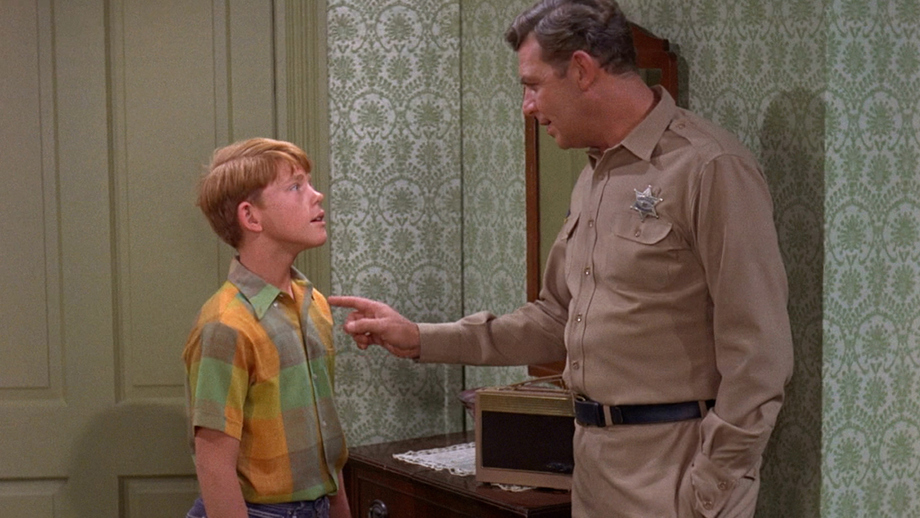
Ron Howard, the actor who famously played Opie Taylor, the son of Andy Griffith on The Andy Griffith Show, has an estimated net worth of $200 million as of 2026. This substantial wealth is the result of a six-decade career transitioning from a beloved child star to a premier Academy Award-winning director and co-founder of Imagine Entertainment.
While many child actors struggle to find footing in adulthood, Ron Howard represents the gold standard of career longevity and financial diversification in the entertainment industry. To understand how "Opie" built a nine-figure fortune, one must look past the nostalgia of Mayberry and into the high-stakes world of Hollywood production, intellectual property, and strategic partnerships.
The Foundation: Opie Taylor and the Early Years
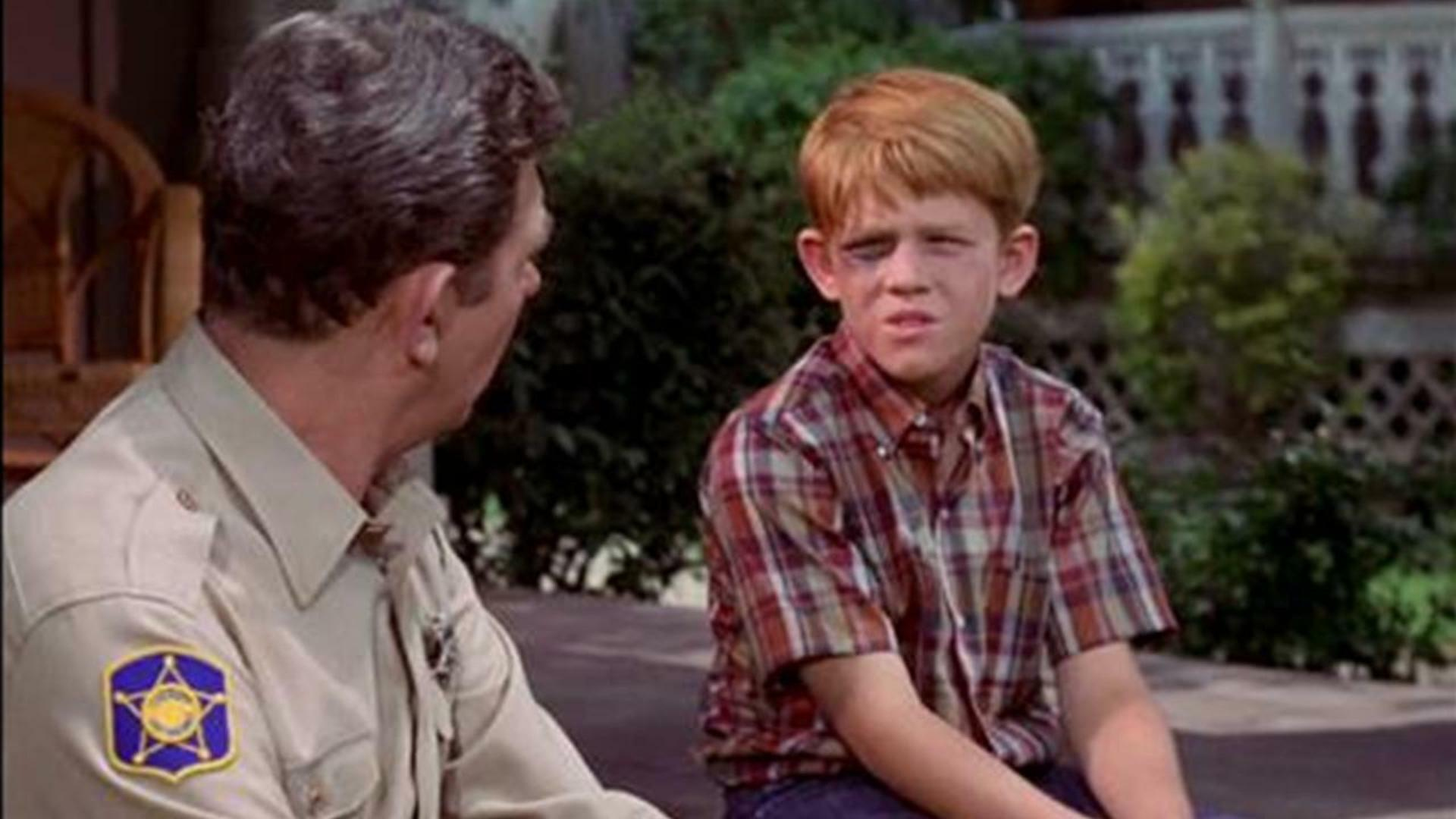
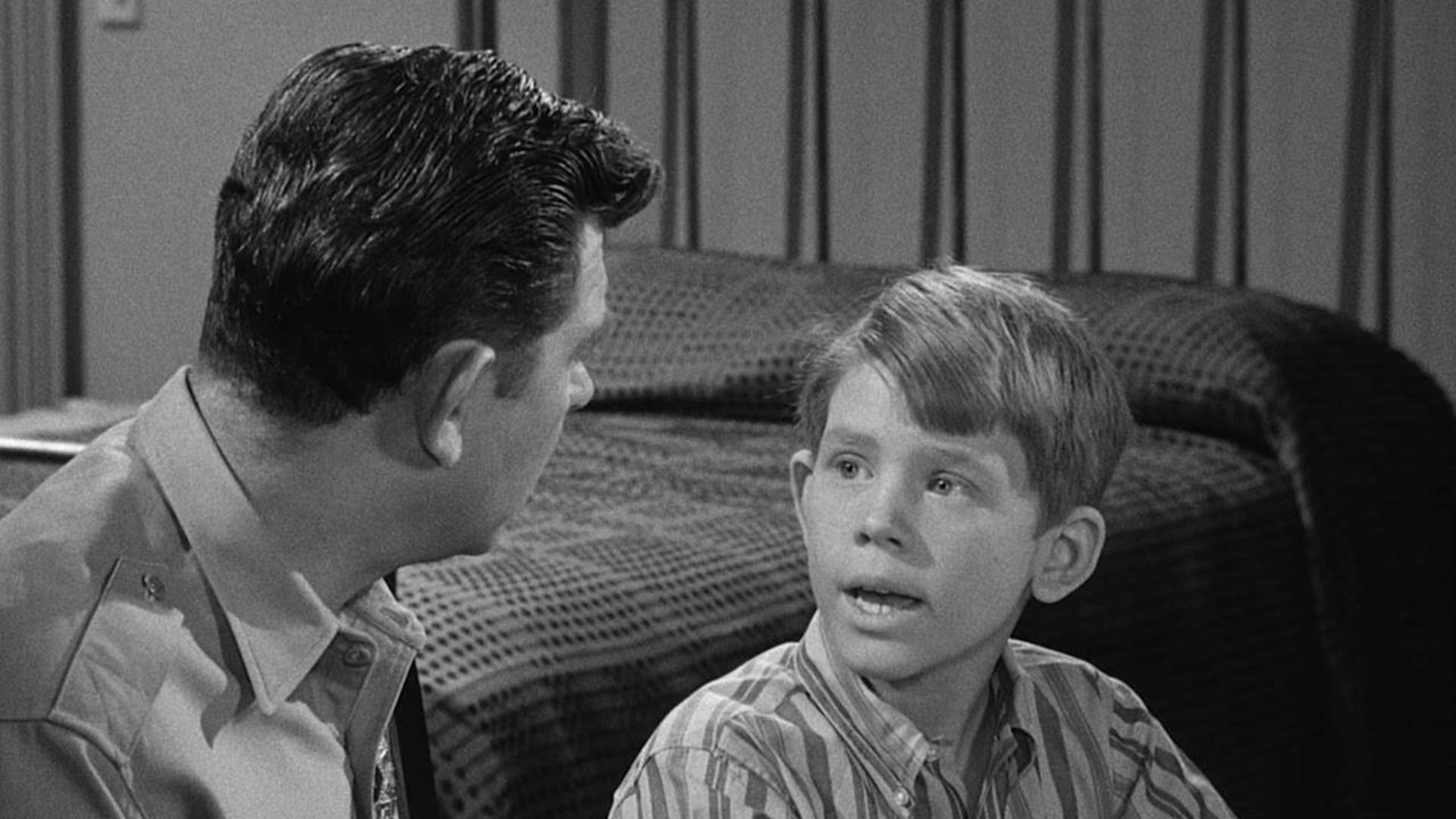
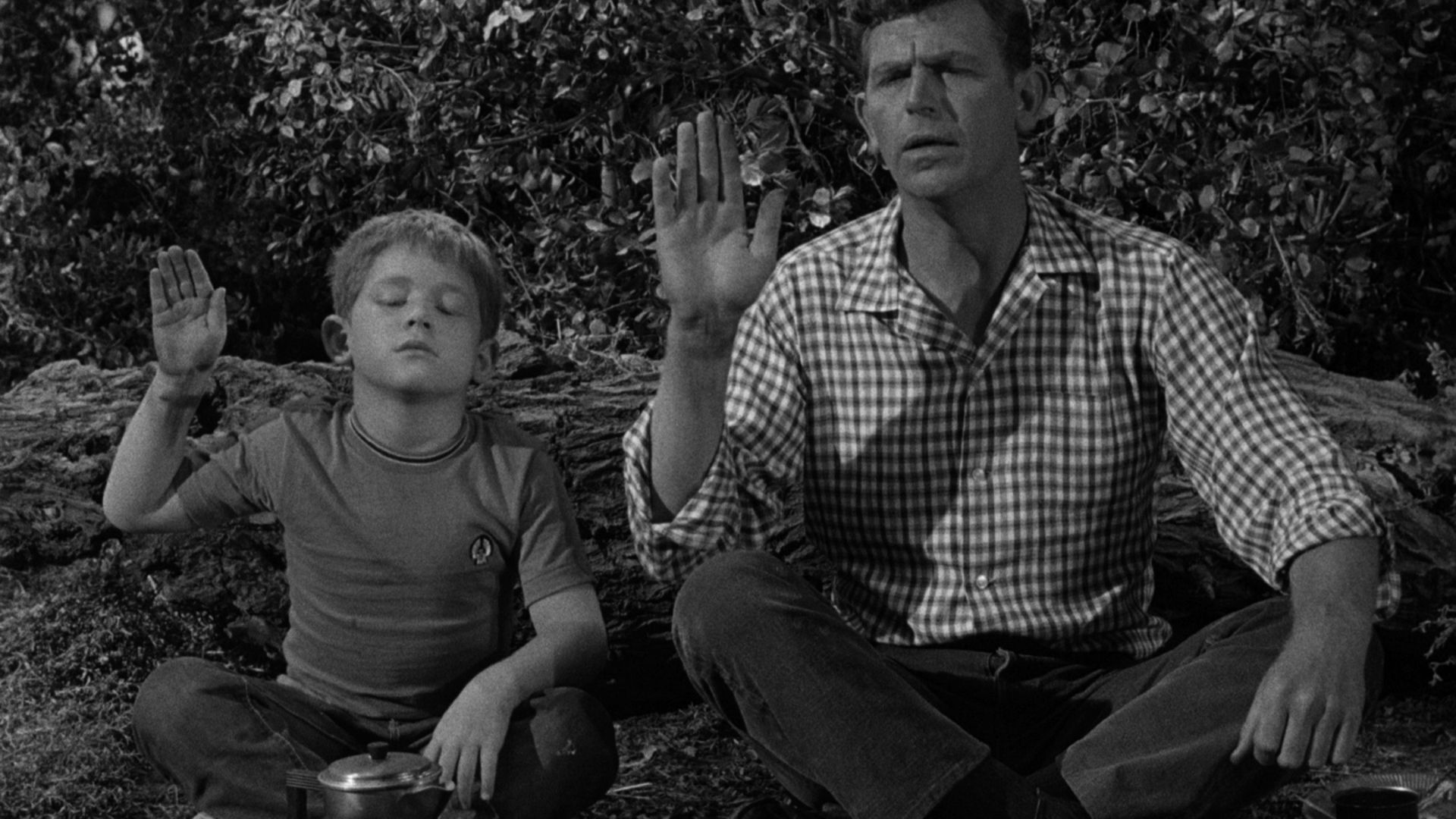
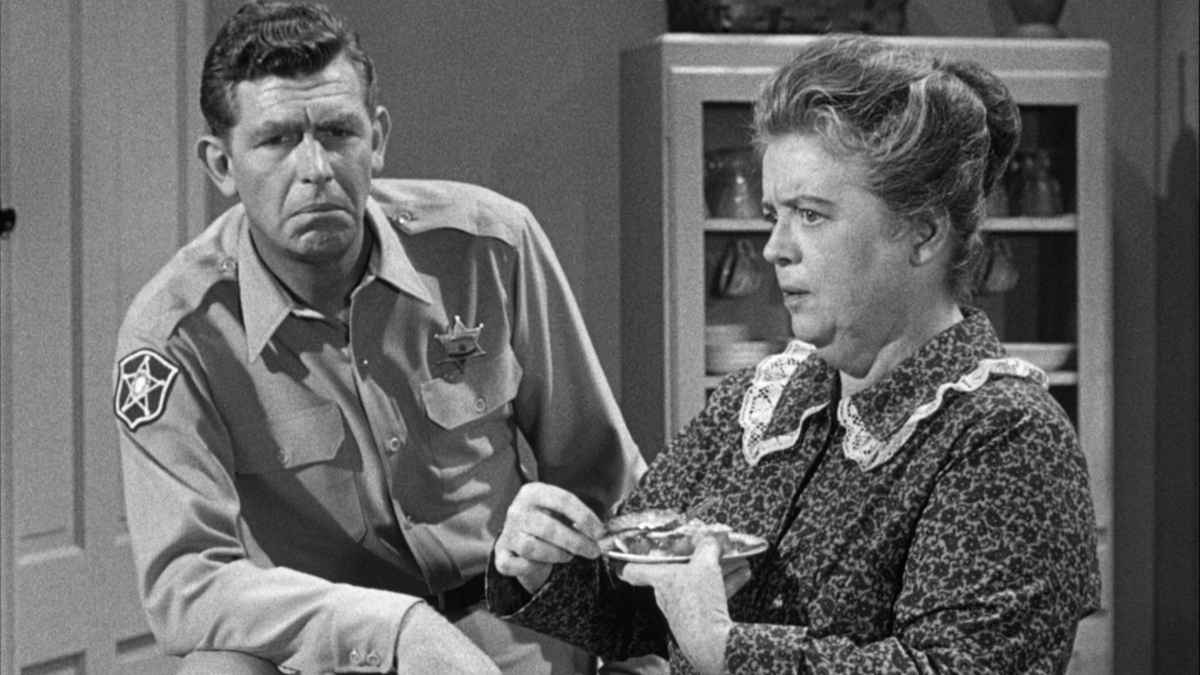
Ron Howard’s financial journey began in 1960 when he was cast as Opie Taylor. Although he had appeared in The Journey and The Twilight Zone, it was his role as the precocious son of Sheriff Andy Taylor that made him a household name.
During the eight-season run of The Andy Griffith Show, Howard was a salaried child actor. In the 1960s, television salaries for child performers were modest compared to the multi-million dollar deals seen today. However, the role provided more than just a paycheck; it established a professional reputation for reliability and talent that would serve as his primary asset for the next sixty years.
The Impact of Syndication and Royalties
A common question regarding the cast of The Andy Griffith Show is the matter of residuals. For shows produced in the early 1960s, residual structures were significantly different from modern Screen Actors Guild (SAG) agreements. Most actors from that era received payments for only a limited number of reruns. While Howard has likely earned modest sums from the show’s perpetual syndication over the decades, the bulk of his $200 million net worth does not come from Opie Taylor royalties, but rather from the career leverage that the role afforded him.
The Transition to Stardom: Happy Days
After Mayberry, Howard successfully navigated the "awkward years" that often end child careers. In 1974, he took on the role of Richie Cunningham in Happy Days. This series was a cultural phenomenon and a massive financial success for ABC.
As the lead of a top-rated sitcom in the 1970s, Howard’s earning power increased exponentially. By the time he left the show in 1980 to pursue directing full-time, he had accumulated the necessary capital to begin his transition from "talent" to "owner." This shift is a critical distinction in his net worth trajectory: Howard realized early that the real wealth in Hollywood lies in production and ownership, not just performance fees.
The Financial Engine: Imagine Entertainment
The most significant contributor to Ron Howard's net worth is Imagine Entertainment, the production company he co-founded with Brian Grazer in 1985. Unlike many vanity production companies owned by actors, Imagine became an independent powerhouse that generated billions in box office revenue.
Ownership and Production Points
Through Imagine Entertainment, Howard isn't just a director-for-hire; he is often a producer with a "back-end" stake in the films. This means he earns a percentage of the gross or net profits. For a blockbuster like The Da Vinci Code, which grossed over $760 million worldwide, the "points" on the film's earnings can lead to payouts totaling tens of millions of dollars for a single project.
Major Imagine Entertainment Successes
The financial health of Howard's portfolio is tied to the consistent success of Imagine’s slate. Notable projects that have bolstered his wealth include:
- Apollo 13 (1995): A massive commercial and critical hit.
- A Beautiful Mind (2001): Earned Howard the Academy Award for Best Director and Best Picture, increasing his market value significantly.
- The Da Vinci Code Trilogy: These films represent some of the highest-earning projects in his career.
- Television Ventures: Hits like Arrested Development, Friday Night Lights, and 24 (via Imagine's television arm) provided steady revenue through licensing and streaming deals.
Directorial Fees and Market Value
As a director, Ron Howard commands a top-tier salary. In 2026, a director of his caliber typically receives an upfront fee ranging from $10 million to $20 million per film, depending on the budget and the studio. When combined with his producer fees and profit participation, a single movie can represent a three-year cycle of income that dwarfs his entire childhood earnings.
Furthermore, Howard has embraced the streaming era. Imagine Entertainment has signed lucrative first-look deals with platforms like Apple TV+ and Netflix. These deals provide the company with significant overhead capital and guaranteed distribution, ensuring that even if a film doesn't have a traditional "box office" run, the creators are compensated at a premium.
Real Estate and Asset Portfolio
A significant portion of any high-net-worth individual’s wealth is held in tangible assets. Ron Howard and his wife, Cheryl, have maintained a sophisticated real estate portfolio over the years.
| Property Type | Location | Estimated Value (Approx.) | Status |
|---|---|---|---|
| Coastal Estate | Greenwich, Connecticut | $27.5 Million | Sold (Historical) |
| Luxury Apartment | Eldorado, New York City | $12 - $15 Million | Primary/Secondary Residence |
| Acreage/Farm | New York State | $10+ Million | Private Estate |
| Industrial/Office | Beverly Hills, CA | Varies | Imagine HQ |
In 2014, the Howards sold their 32-acre Greenwich estate for a record-breaking $27.5 million. These types of strategic real estate moves have allowed Howard to liquefy gains and reinvest them into diversified portfolios, contributing to his sustained $200 million valuation in 2026.
Analyzing the "Opie" Connection to Current Wealth
It is important to clarify a common point of confusion: Ron Howard is the "son on the show" (Opie), but he is not Andy Griffith's biological son. Andy Griffith’s actual son, Sam Griffith, passed away in 1996 and was not involved in the entertainment industry in the same capacity.
Ron Howard’s wealth is entirely self-made. While the role of Opie Taylor gave him his "foot in the door," his current net worth is a result of his business acumen. He leveraged his "good boy" image to build trust with studio executives, which eventually allowed him to take risks on films that others might have passed on.
The Shift to Documentaries and Digital Media
By 2026, Howard has further diversified his income by moving heavily into high-end documentary filmmaking. Through Imagine Documentaries, he has directed or produced acclaimed projects about The Beatles, Pavarotti, and Jim Henson.
Documentaries generally have lower overhead than scripted blockbusters but offer high margins when sold to streaming giants. This strategic pivot ensures that Howard remains relevant in a changing media landscape where traditional mid-budget dramas—his former bread and butter—have largely moved to television.
Comparative Wealth in the "Andy Griffith Show" Universe
To put Howard’s $200 million net worth into perspective, it is helpful to compare it to other icons from the show. At the time of his passing in 2012, Andy Griffith’s net worth was estimated at approximately $60 million. While Griffith was immensely wealthy and successful, Howard’s transition into the "Director/Producer" tier allowed his wealth to eclipse even the star of the show.
Don Knotts (Barney Fife) and other supporting cast members, while successful, did not have the same ownership stakes in their later projects, highlighting the importance of Howard’s move into production via Imagine Entertainment.
Frequently Asked Questions
Did Ron Howard inherit money from Andy Griffith?
No. Ron Howard was Andy Griffith's co-star, not his heir. Their relationship was described as a lifelong mentorship and friendship, but Howard's wealth is the result of his own career earnings and business ventures.
How much did Ron Howard make per episode of The Andy Griffith Show?
Specific contract details from the 1960s are rarely public, but child stars of that era typically earned between $500 and $2,000 per episode depending on the season. Adjusted for inflation, this was a comfortable living for a family but not the source of his current multi-million dollar net worth.
What is the primary source of Ron Howard's wealth today?
The primary source of his wealth is his ownership stake in Imagine Entertainment and his "back-end" participation in the films he directs. Upfront directorial fees and executive producer credits on television series also contribute significantly.
Does Ron Howard still get paid for Opie Taylor?
Yes, he receives residual payments when The Andy Griffith Show airs on television or is streamed. However, due to the age of the show and the contracts of that era, these payments are likely a very small fraction of his annual income.
Is Ron Howard the richest former child star?
He is certainly among the wealthiest. While stars like the Olsen Twins or Mary-Kate and Ashley have higher net worths (estimated at $500 million) due to their fashion empires, Ron Howard is arguably the wealthiest individual to have transitioned from child acting specifically into film directing and production.
How has the 2026 economy affected his net worth?
Despite fluctuations in the traditional film market, Howard's move toward streaming-service deals has insulated his wealth. In 2026, content remains king, and as a proven hitmaker, Howard's services and production library continue to appreciate in value.
Summary of Professional Trajectory
The journey from a $500-per-episode child actor to a $200 million mogul is a rare feat in Hollywood. Ron Howard’s success can be distilled into three phases:
- Visibility: Using The Andy Griffith Show to become a recognizable and trusted brand.
- Transition: Using Happy Days to build the financial reserve necessary to stop acting and start directing.
- Ownership: Founding Imagine Entertainment to ensure he owned a piece of the projects he created.
For fans of the "son on the show," Howard’s net worth is a testament to the fact that the work ethic displayed by Opie Taylor in the fictional town of Mayberry translated into a very real, very successful business career in the real world.