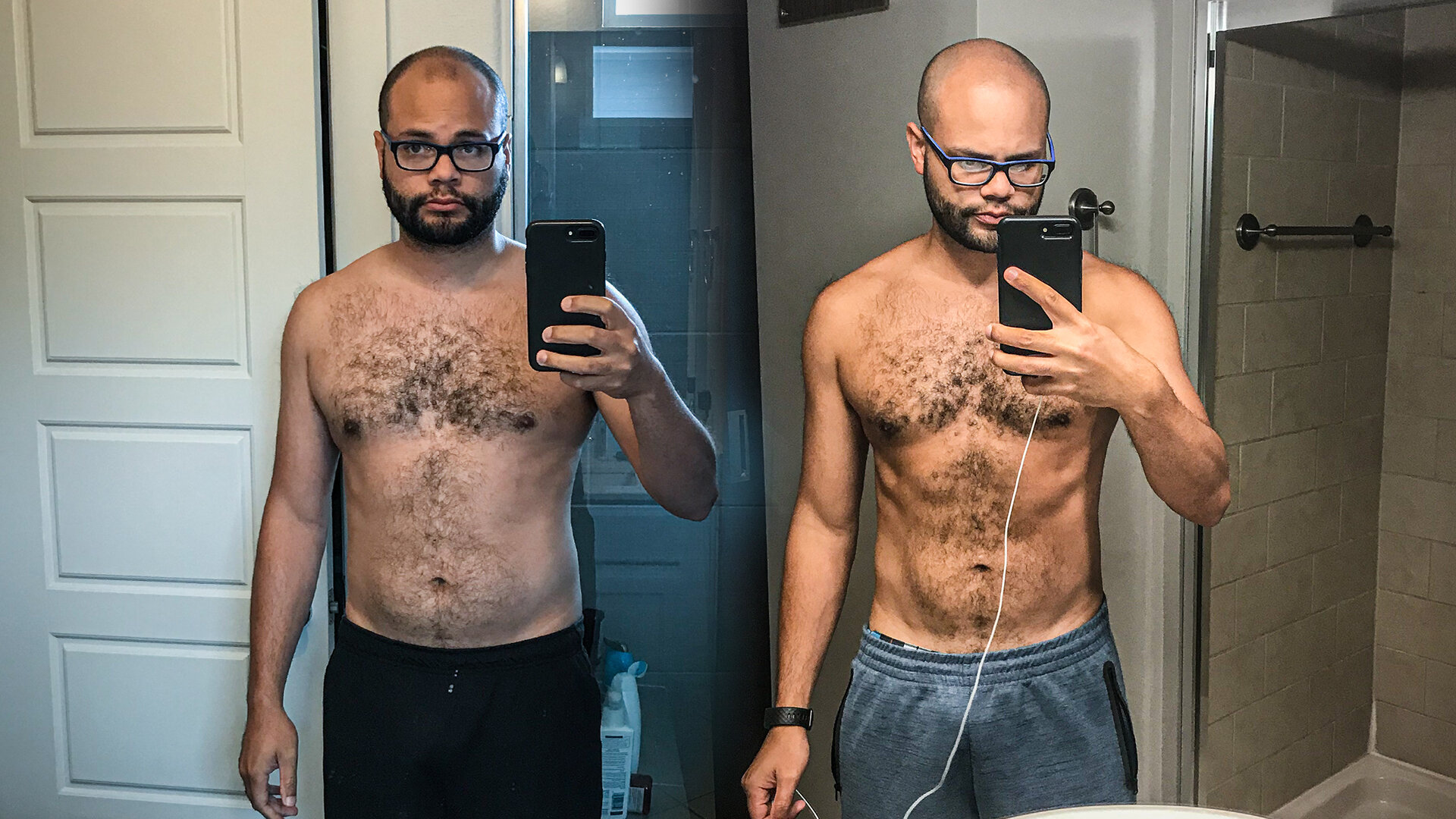
The 75 Hard program, created by entrepreneur Andy Frisella, is a 75-day mental toughness challenge requiring strict adherence to five daily tasks: follow a structured diet with no alcohol or cheat meals, complete two 45-minute workouts (one must be outdoors), drink one gallon of water, read 10 pages of a non-fiction book, and take a daily progress photo. Missing any task requires an immediate restart at Day 1.
Understanding the Philosophy of 75 Hard
As we navigate the demands of 2026, the 75 Hard program remains one of the most discussed and debated self-improvement protocols in the world. It is essential to understand that Andy Frisella does not categorize 75 Hard as a fitness challenge or a weight-loss diet. Instead, he defines it as a "Mental Toughness Program." The primary objective is to cultivate discipline, grit, and "internal power" by forcing participants to execute specific tasks regardless of their mood, the weather, or their schedule.
The program was launched in 2019 via Frisella's "Real AF" podcast and has since evolved into a global phenomenon. The core premise is built on the idea that most people fail to reach their goals because they lack the mental fortitude to stick to a plan when life becomes inconvenient. By removing the "compromise" from the equation, the program aims to rewire the brain to prioritize execution over excuses.
In the context of 2026, where digital distractions and convenience-based lifestyles are at an all-time high, the rigidity of 75 Hard serves as a counter-cultural movement. It challenges the "participation trophy" mentality by providing a binary outcome: you either finish the 75 days perfectly, or you fail and start over. There are no modifications, no "grace periods," and no substitutions allowed.
The Five Core Rules of 75 Hard
To successfully complete the program, an individual must follow five specific rules every single day for 75 consecutive days. These rules are designed to target different aspects of physical and mental discipline.
1. Follow a Structured Diet (No Cheat Meals, No Alcohol)
The first rule is perhaps the most subjective yet also the most punishing. Participants must choose a diet that aligns with their physical goals—whether that is Keto, Paleo, Vegan, or simple calorie counting—and follow it without deviation.
The critical distinction here is the "No Cheat Meals" clause. In many fitness circles, a "cheat meal" is seen as a psychological reward. In 75 Hard, it is seen as a breach of integrity. If your diet says you eat 2,000 calories of clean food, and you eat a single chocolate chip or a piece of bread not included in your plan, you have failed.
Furthermore, the "No Alcohol" rule is absolute. Even a single sip of wine or beer results in an immediate restart. This is intended to improve sleep quality, cognitive function, and to remove the social "crutch" many people use to navigate stress or social gatherings.
2. Two 45-Minute Workouts (One Must Be Outside)
The physical requirement of 75 Hard involves 90 minutes of exercise per day, split into two separate 45-minute sessions. These cannot be back-to-back; they must be distinct sessions separated by a significant period, typically a few hours.
The most famous aspect of this rule is that one workout must be outdoors, regardless of the weather conditions. Whether it is a thunderstorm, a blizzard, or a heatwave, the workout must happen. This is designed to teach participants how to manage "uncontrollables." When you are forced to run in the rain or walk in the snow, you learn that your environment does not dictate your performance.
The workouts do not have to be high-intensity. A 45-minute walk counts just as much as a 45-minute CrossFit session. The goal is the time commitment and the logistical challenge of fitting two sessions into a busy day.
3. Drink One Gallon of Water
Hydration is a cornerstone of health, but drinking a full gallon (approx. 3.78 liters) of plain water is a test of consistency. This rule excludes coffee, tea, or "fitness waters" with additives or flavorings. It must be plain water.
Logistically, this requires the participant to pace themselves throughout the day. Waiting until 9:00 PM to drink half a gallon usually results in a very uncomfortable night of interrupted sleep, which further tests the participant's resolve the following day. This rule reinforces the habit of preparation—ensuring you have your water bottle with you at all times.
4. Read 10 Pages of a Non-Fiction Book
Education and mental expansion are vital to the 75 Hard philosophy. Participants must read 10 pages of a physical book or an e-reader (like a Kindle). Crucially, audiobooks do not count.
The book must be non-fiction and focused on personal development, business, history, or a technical skill. The "10 pages" must be consecutive; you cannot skim or count pictures. This rule is about the discipline of focused learning. Many participants find this rule the hardest to keep late at night when exhaustion sets in, making it a powerful tool for building nighttime discipline.
5. Take a Progress Photo
Every day, without exception, you must take a photo of yourself. While the physical changes over 75 days can be staggering, the photo is not merely for social media "before and afters."
The daily photo is a test of detail-oriented discipline. It is the easiest task to forget, especially on Day 30 or Day 50 when you feel like you aren't seeing massive changes every 24 hours. Forgetting the photo at 11:59 PM is the most common reason for a "Day 1" restart. It forces you to remain mindful of the program every single day.
Summary of 75 Hard Requirements
| Requirement | Specification | Strictness Level |
|---|---|---|
| Diet | Any clean eating plan of your choice | Absolute (Zero cheat meals) |
| Alcohol | Zero consumption for 75 days | Absolute (Zero tolerance) |
| Workout 1 | 45 Minutes (Any intensity) | Mandatory |
| Workout 2 | 45 Minutes (Must be outdoors) | Mandatory |
| Water | 1 Gallon (3.78L) of plain water | Absolute |
| Reading | 10 Pages of non-fiction (No audiobooks) | Mandatory |
| Photo | Daily progress picture | Mandatory |
| Failure | Missing any single task by any margin | Restart at Day 1 |
The "Restart" Rule: Why It Matters
The defining characteristic of 75 Hard is the "no compromise" rule. In most fitness programs, if you miss a workout, you just do it the next day. In 75 Hard, if you forget your 10 pages or have a single bite of a cookie, you are back at Day 1.
This creates a high-stakes environment for personal integrity. Andy Frisella argues that in the real world, "almost" doesn't count. By forcing a total restart, the program teaches you to respect the rules you set for yourself. It eliminates the "I'll make it up tomorrow" loophole that leads to long-term failure in most people's lives. By the time someone reaches Day 75, they have 75 days of "perfect" execution, which builds an immense level of self-trust.
Common Obstacles and How to Overcome Them
Time Management
The most frequent complaint is that 75 Hard "takes too much time." Between 90 minutes of exercise, reading, and meal prep, the program can take up to 2-3 hours of your day. To succeed in 2026's fast-paced environment, participants must master "Power Lists" (a concept also promoted by Frisella). Planning the workouts the night before and carrying a gallon jug of water everywhere are essential logistical strategies.
Physical Overtraining
Because the program requires 75 days of exercise without a "rest day," many worry about injury. The key to longevity in the program is varying intensity. One workout can be a heavy lifting session, while the outdoor session can be a recovery walk. Listening to your body while still fulfilling the time requirement is a skill developed during the challenge.
The "Boredom" Phase
Most people are excited during the first 15 days. The "danger zone" typically occurs between Day 30 and Day 50. This is when the novelty wears off, the physical fatigue sets in, and the "results" might seem to plateau. This is exactly where the "mental toughness" is built—by continuing to execute when the excitement is gone.
Beyond 75 Hard: The Live Hard Program
75 Hard is actually the "Ironman" equivalent of a larger system called the Live Hard Program. For those who finish the initial 75 days, Frisella offers three subsequent phases to be completed within the same calendar year to achieve the title of "Live Hard Graduate."
- Phase 1: An additional 30 days of 75 Hard rules, plus three new tasks: a 5-minute cold shower, 10 minutes of dedicated visualization, and completing three "power list" tasks.
- Phase 2: A 30-day "break" from the rules (though many stay on them) followed by 30 days of the original 75 Hard rules.
- Phase 3: The final 30 days leading up to the one-year anniversary of your start date. This includes the Phase 1 tasks plus a "Random Act of Kindness" and talking to a stranger daily.
Safety and Medical Considerations
While 75 Hard is a mental challenge, it has significant physical demands. In 2026, healthcare professionals generally advise that anyone beginning such a rigorous protocol should consult with a physician, especially regarding the gallon of water (which can lead to hyponatremia if consumed too quickly) and the lack of traditional rest days.
It is vital to distinguish between "mental discomfort," which you should push through, and "physical injury," which requires medical attention. The program is about discipline, not self-destruction.
Frequently Asked Questions
Can I do 75 Hard while traveling?
Yes. The program is designed to be done anywhere. Traveling requires more preparation (finding a place for an outdoor workout, scouting healthy food options), but the rules do not change. Many participants find that completing the tasks in a hotel or airport is one of the most rewarding aspects of the challenge.
Do protein shakes count toward my water goal?
No. The one-gallon requirement must be plain water. While you can drink protein shakes as part of your diet, they do not count toward the 128 ounces of water required by the rule.
What happens if I fall asleep while reading?
If you fall asleep on page 9 and wake up the next morning, you have failed. You must complete the 10 pages before your "day" ends (which is whenever you go to sleep for the night). If you fail to finish the pages, you must restart at Day 1.
Can I substitute the outdoor workout if it's "dangerous" outside?
According to the official rules, no. However, participants are expected to use common sense regarding life-threatening conditions (like a hurricane or extreme lightning). For standard "bad weather" like rain, cold, or heat, the workout must be completed outdoors to maintain the integrity of the program.
Why are audiobooks not allowed?
Andy Frisella specifies physical books or e-readers because audiobooks are a "passive" form of consumption. Reading a physical book requires a higher level of focus and active engagement, which aligns with the goal of building mental discipline.
Next Steps for Starting 75 Hard
If you are ready to begin, do not wait for a "perfect" Monday or the first of the month. The best way to start is to define your diet today, select your first non-fiction book, and ensure you have a way to measure a gallon of water.
Success in 75 Hard is not found in the 75th day; it is found in the micro-decisions made on Day 23 when it's raining, you're tired, and you still have 45 minutes of walking to do. To learn more about the nuances of the program, many participants listen to the Real AF Podcast Episode 208, which serves as the foundational "manual" for the challenge.