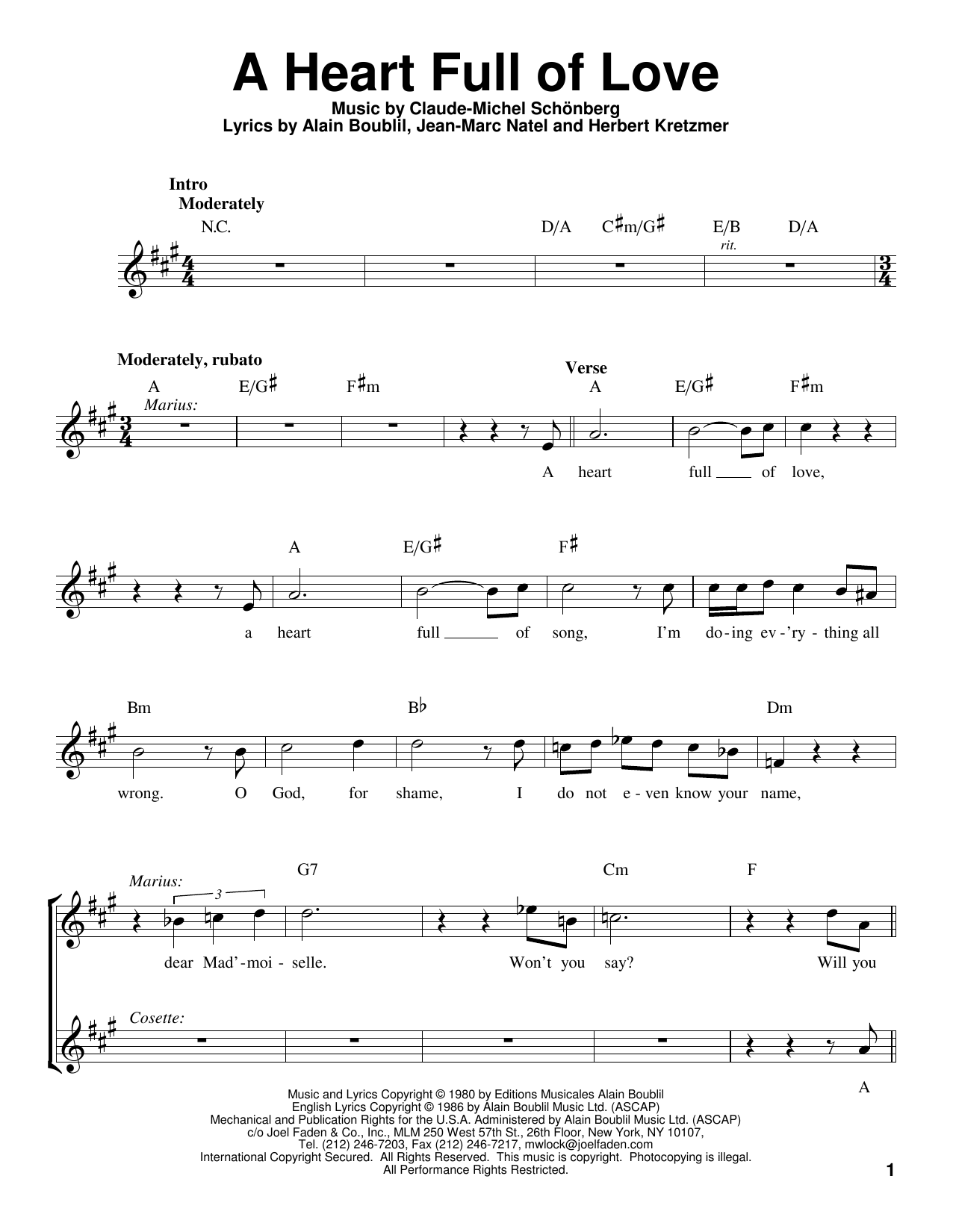
Amanda Seyfried’s performance of “A Heart Full of Love” from the 2012 film adaptation of Les Misérables remains a definitive moment in her career, representing the culmination of her vocal training and her ability to capture the naive, romantic yearning of the character Cosette. Within the narrative of Victor Hugo’s classic story, this musical number serves as the pivotal point where the audience witnesses the sudden, transformative intersection of two lives. Seyfried’s portrayal highlights the technical challenges of live-recorded musical theater and the specific demands of embodying a character defined by both vulnerability and sudden, overwhelming affection.
The Context of the Musical Number
“A Heart Full of Love” is a trio piece featuring Cosette, Marius, and Éponine. It is arguably the most recognizable romantic sequence in Les Misérables, occurring shortly after Marius and Cosette lock eyes for the first time. For Amanda Seyfried, the role of Cosette required a transition from the sheltered, convent-raised girl to a young woman discovering the concept of romantic love.
In the 2012 cinematic adaptation directed by Tom Hooper, the production made the deliberate choice to record vocals live on set rather than opting for the traditional studio-recorded playback method common in film musicals. This choice directly impacted Seyfried’s delivery. Because she was acting and singing simultaneously, the performance carries an authentic, breathy quality that aligns with the character's internal state. When Cosette sings these lines, she is not performing for an audience; she is processing an emotional epiphany.
Vocal Technique and Emotional Execution
Playing Cosette involves a specific vocal range—typically soprano—that requires a balance of delicacy and projection. In “A Heart Full of Love,” the character’s lines are characterized by rising melodies that signify her expanding emotional world.
For Seyfried, this was a significant departure from her previous musical work, such as in Mamma Mia!. While Mamma Mia! relied on the pop-rock vocal sensibilities of ABBA’s catalog, Les Misérables demanded a classical musical theater approach. The technical requirement for this piece includes:
- Controlled Vibrato: To convey the tremulous nature of first love without losing pitch stability.
- Dynamic Range: Moving from the hushed realization of "Did you see his face?" to the soaring harmonies shared with Marius.
- Character Consistency: Maintaining a youthful, "unspoiled" tone throughout the song, which serves as a stark contrast to the gritty, desperate vocal styling of the character Éponine, who provides the third part of the harmony.
Challenges of Live Musical Performance
The 2012 Les Misérables is frequently cited in film studies for its unconventional sound design. By recording live, director Tom Hooper required actors to rely on earpieces playing piano accompaniments, allowing them to adjust their tempo based on their acting choices in the moment.
For Seyfried, this meant that the pacing of "A Heart Full of Love" could fluctuate based on the emotional beats of the scene. If the chemistry between her and Eddie Redmayne (Marius) required a longer pause or a softer delivery, the musical score adapted to that performance. This creates a "heart-full" performance that feels more like an organic conversation than a rigid stage production. However, this method also poses risks; the proximity of the microphones and the physical movement required by film acting can occasionally introduce audible breaths or inconsistencies that a studio-controlled environment would scrub away. In the final edit, these "flaws" were largely embraced as essential to the film's gritty aesthetic.
Comparative Analysis: The Trio Dynamic
The song functions as a narrative device, not merely a romantic interlude. The strength of the track relies on the interaction between three distinct perspectives:
| Character | Role in "A Heart Full of Love" | Emotional State |
|---|---|---|
| Cosette | The object of affection/Initiator | Joyful, confused, blossoming |
| Marius | The admirer | Lovesick, impulsive, reverent |
| Éponine | The observer/Broken heart | Resentful, pained, self-aware |
The interplay between these three is the core of the piece. Seyfried’s performance is balanced by Samantha Barks’ (Éponine) performance. While Seyfried provides the "heart full of love" that is requited, Barks provides the counter-melody of unrequited longing. Understanding this dynamic is crucial for listeners or viewers, as the song is a dialogue of missed connections and emotional contradictions rather than a simple love ballad.
The Legacy of the 2012 Adaptation
As of 2026, the 2012 adaptation remains a significant benchmark for big-budget film musicals. It fundamentally changed how studios approach casting, favoring actors who can demonstrate vocal capability within an acting performance over pure "theatre voices" that may lack cinematic subtlety.
Seyfried’s participation was pivotal in the film’s commercial success. Her ability to anchor the romantic subplot provided the necessary emotional stakes for the tragedy that follows. Fans often revisit this scene on digital streaming platforms to analyze the visual storytelling—specifically the use of soft, naturalistic lighting that complements the airy, dreamlike quality of the music.
Frequently Asked Questions
Did Amanda Seyfried have previous vocal training for this role?
Yes, Seyfried underwent intensive vocal training in preparation for the role. While she had singing experience, the requirements of the Claude-Michel Schönberg score demanded a more formal classical approach to sustain the high notes and maintain consistent tone throughout the film's extended duration.
Was the music for "A Heart Full of Love" recorded in a studio?
No, it was recorded live on the set of the film. Actors performed the song multiple times during filming, and the final audio track heard in the movie is a composite of the best live takes, selected for both emotional resonance and vocal accuracy.
What is the significance of the harmony in this song?
The harmony represents the clash of the three characters' internal worlds. While Cosette and Marius sing in melodic alignment, signifying their growing connection, Éponine’s lines are structurally distinct, highlighting her isolation from the romantic joy being shared by the pair.
Is the film version of the song longer than the stage version?
The film version of "A Heart Full of Love" is generally consistent with the stage version regarding its musical structure, though film pacing often allows for more dramatic pauses and visual storytelling that can make the scene feel more expansive than the stage production.
How does this song fit into the wider narrative of Les Misérables?
It serves as the "calm before the storm." The innocence expressed in this moment is sharply juxtaposed against the political uprising and violence that dominate the latter half of the story. It establishes the stakes for Marius and Cosette, making their later struggles feel more impactful to the audience.
Next Steps for Enthusiasts
If you are interested in the technical aspects of musical performance in film, look toward the supplemental features of the 2012 Les Misérables home media releases, which offer behind-the-scenes footage of the live recording process. For those interested in the history of the piece, comparing the film's version to various stage cast recordings—such as the 10th-anniversary concert or the original Broadway cast—provides a clear look at how the same composition can be interpreted through different lenses of maturity and performance style. Watching these iterations back-to-back illustrates how the song's intent remains a constant, even as the delivery shifts between theatrical projection and cinematic intimacy.