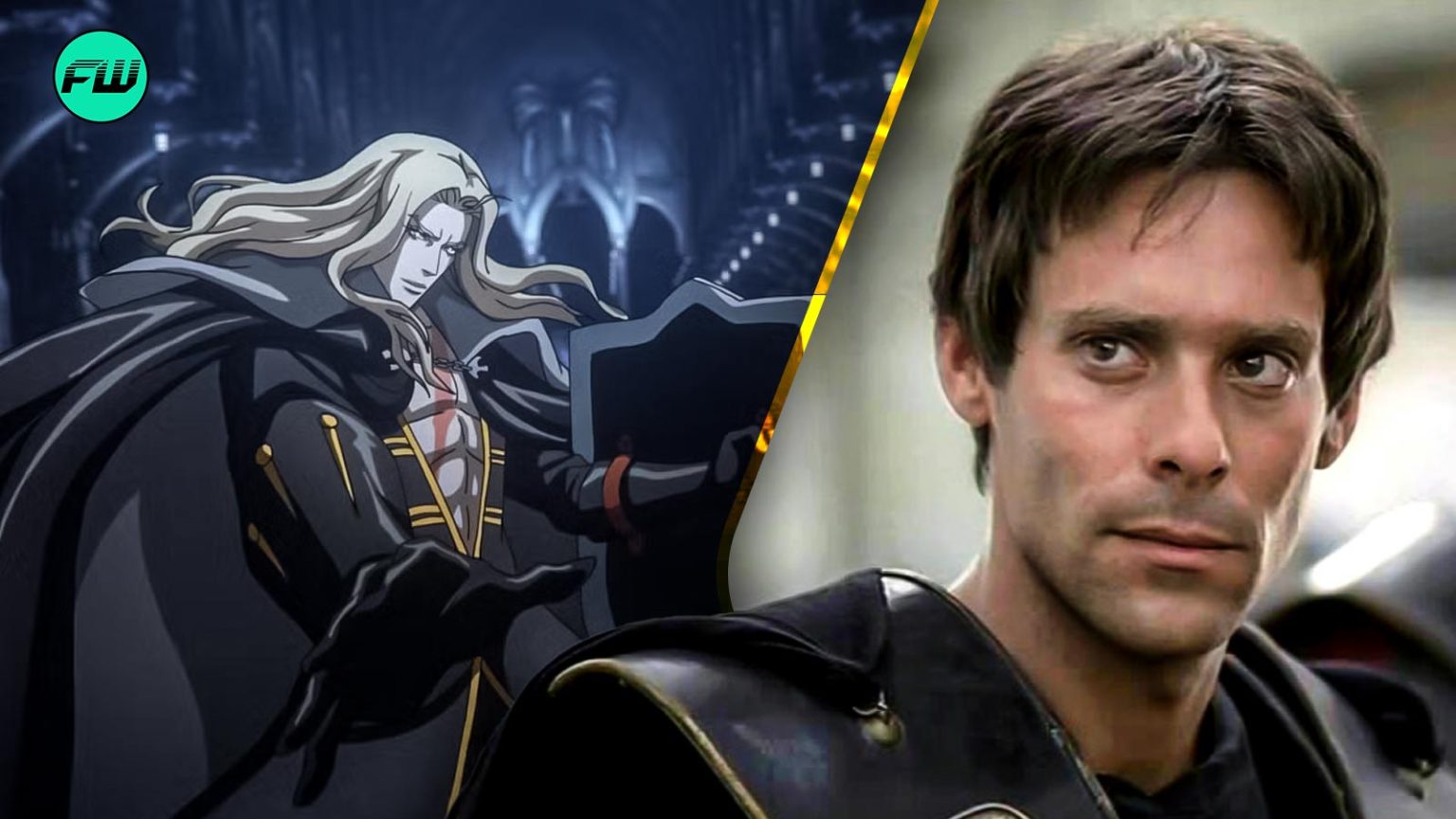
The English voice actor for Alucard (Adrian Tepes) in the Netflix animated series Castlevania is James Callis. Best known for his role as Dr. Gaius Baltar in Battlestar Galactica, Callis voiced the dhampir prince across all four seasons of the original series (2017–2021) and reprised the role for the sequel series, Castlevania: Nocturne.
Who is James Callis? A Career Overview
To understand why James Callis was the definitive choice for Alucard, one must look at his extensive background in dramatic and genre-defining television. Born in London, Callis trained at the London Academy of Music and Dramatic Art (LAMDA), a pedigree that is evident in the precise diction and emotional weight he brings to his vocal performances.
Before entering the world of Wallachia, Callis gained international acclaim for his portrayal of Dr. Gaius Baltar in the 2004 reimagining of Battlestar Galactica. His performance as Baltar—a character defined by intellectual arrogance, crippling guilt, and a desperate survival instinct—demonstrated his ability to play morally complex figures. This specific range proved invaluable when approaching Alucard, a character who is biologically immortal yet emotionally fragile.
Beyond Battlestar Galactica, Callis has appeared in a variety of high-profile projects, including the Bridget Jones film franchise (as Tom), CSI: Crime Scene Investigation, and MacGyver. However, his work in the voice-over booth for Castlevania has arguably become one of his most iconic roles, cementing his status as a fan favorite within the gaming and animation communities. As of 2026, his portrayal remains the gold standard for the character's English-language iterations.
The Evolution of Alucard’s Voice in the Netflix Series
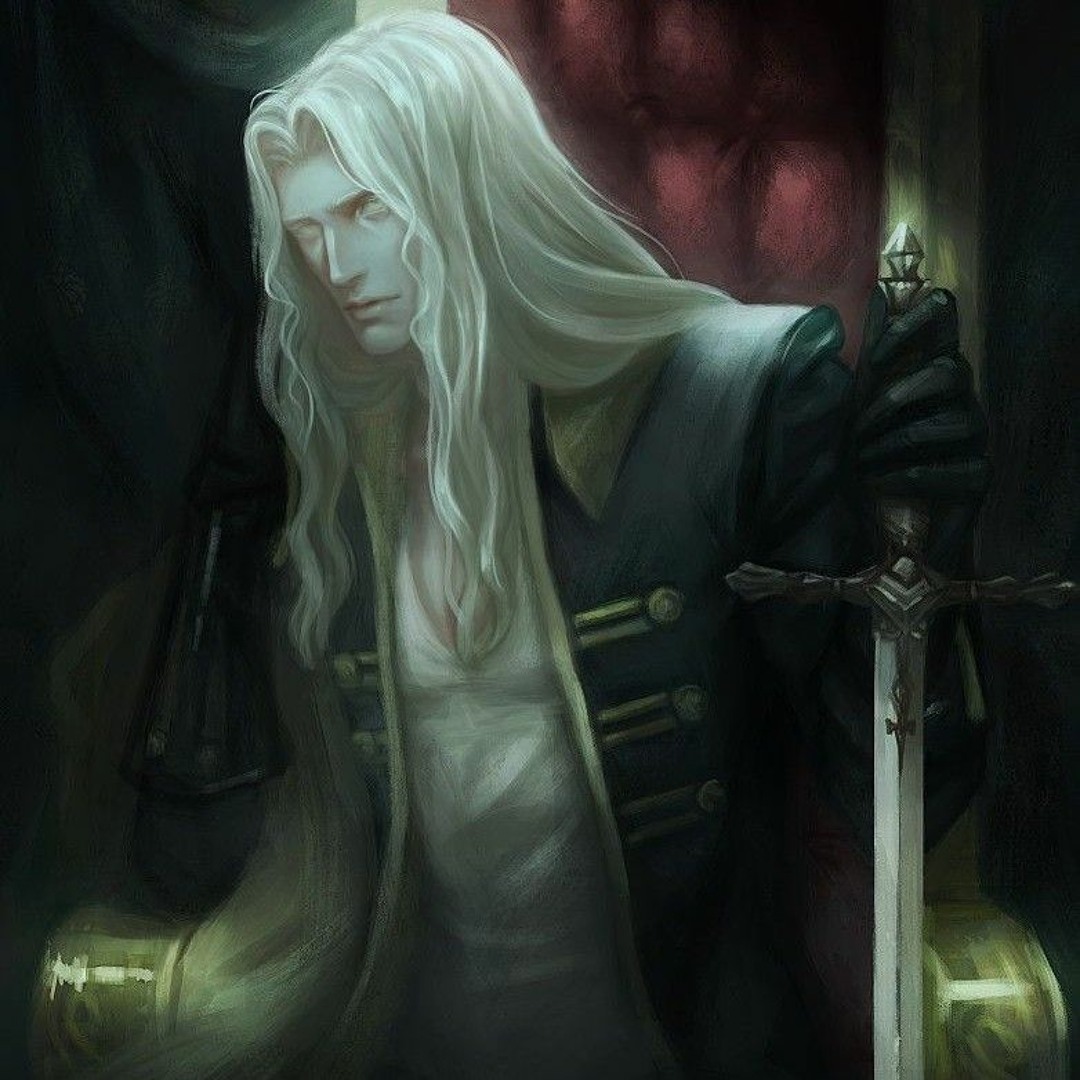
The Alucard presented in the Netflix series is a departure from the more stoic, often silent protagonist seen in early video games like Castlevania: Symphony of the Night. James Callis was tasked with bringing a sense of "aristocratic melancholy" to a character who is half-human and half-vampire. The vocal evolution over the four seasons reflects Alucard’s internal struggle between his duty to his mother’s human heritage and the dark legacy of his father, Dracula.
Season 1: The Wounded Prince
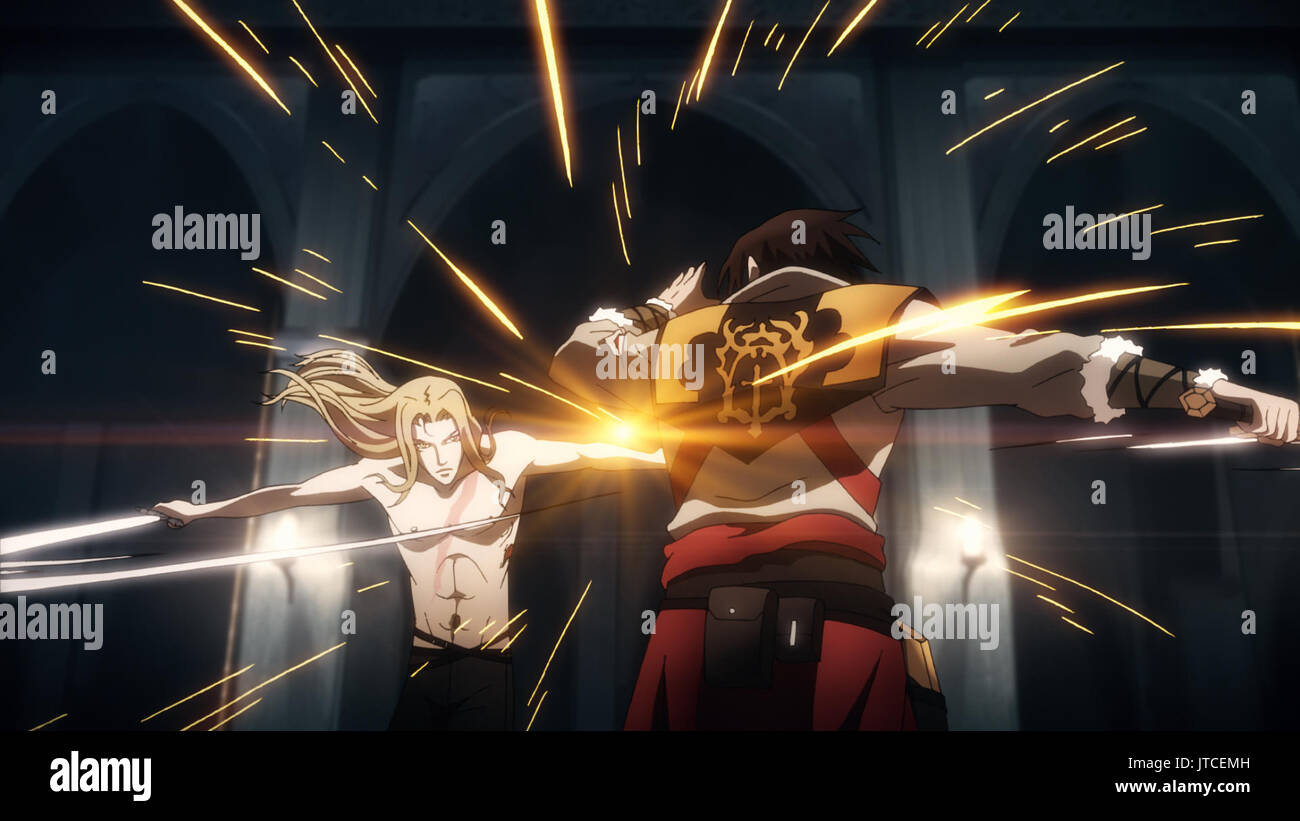
In the debut season, Alucard is introduced as a figure of myth, slumbering in a coffin to heal from a wound inflicted by his father. When he awakens to confront Trevor Belmont and Sypha Belnades, Callis uses a voice that is weary and guarded. There is a "sharpness" to his delivery—every word is measured, reflecting a prince who has been betrayed by his own blood. The chemistry between Callis and Richard Armitage (Trevor Belmont) was established early on through their verbal sparring, where Callis used a dry, haughty wit to establish Alucard’s intellectual superiority.
Seasons 2 and 3: The Weight of Solitude
Season 2 focused on the siege of Dracula's castle. Here, Callis leaned into the tragedy of the character. The final confrontation with Dracula required a vocal performance that conveyed both righteous fury and heartbreaking grief. Following the death of his father, Season 3 saw Alucard descending into a deep, agonizing loneliness. Callis’s performance became more internal and soft-spoken, highlighting the character's vulnerability as he attempted to mentor Taka and Sumi. The betrayal at the end of Season 3 was mirrored in Callis's voice shifting from hopeful to cold and cynical.
Season 4 and Beyond: Restoration and Leadership
By the final season of the original series, Alucard finds a new purpose as a protector of a growing community. Callis adjusted his tone once more, moving away from the despair of Season 3 toward a more grounded, paternal authority. This journey from a grieving son to a legendary hero was unified by Callis’s consistent ability to keep Alucard’s humanity at the forefront, even when the character was performing superhuman feats of combat.
Analyzing the Technical Depth of Callis’s Performance
Voice acting for a character like Alucard requires more than just a "regal accent." It requires an understanding of how immortality affects speech patterns. James Callis opted for a mid-Atlantic, slightly archaic English delivery that suggests a person who has lived through multiple eras.
One of the most notable technical aspects of his performance is his use of vocal fry and breathiness. When Alucard is being vulnerable or reflecting on his mother, Lisa Tepes, Callis allows his voice to drop into a lower, more resonant register. Conversely, in the heat of battle or when trading insults with Trevor, his voice becomes clipped and precise. This contrast helps humanize a character who could easily have felt one-dimensional or overly "edgy."
Furthermore, the "dry wit" Callis brings to the role is a hallmark of the series. The banter between Alucard and Trevor Belmont became the emotional core of the show. Callis’s ability to deliver deadpan humor while maintaining the character’s dignity allowed the series to balance its grim, gothic horror elements with moments of genuine levity.
Comparison: Netflix Alucard vs. Video Game Alucard
The legacy of Alucard spans decades of gaming history. While many actors have voiced the character, James Callis's interpretation is often compared to the two most prominent video game versions.
| Feature | Netflix (James Callis) | Symphony of the Night (Robert Belgrade) | Dracula X Chronicles (Yuri Lowenthal) |
|---|---|---|---|
| Vocal Tone | Melancholic, Arrogatic, Sophisticated | Deep, Operatic, Melodramatic | Youthful, Stoic, Traditional Anime-style |
| Character Focus | Emotional trauma and humanity | Duty and the destruction of evil | Conflict between bloodlines |
| Key Attribute | Sarcastic Banter | Formalist and Gothic dialogue | Direct and utilitarian speech |
| Audience Reception | Highly praised for realism | Cult classic for "cheese" factor | Praised for professional consistency |
Robert Belgrade’s 1997 performance in Symphony of the Night is legendary for its somewhat campy, over-the-top gothic delivery. In contrast, Yuri Lowenthal (who also voices Spider-Man and Sasuke Uchiha) provided a more "standard" hero voice in later localizations and sequels. James Callis occupies a middle ground—he retains the gothic elegance of Belgrade but provides the professional, nuanced emotional range that modern prestige television demands.
The Production Context: Why Callis Was Cast
The casting of Castlevania was handled with a focus on "acting-first" rather than traditional voice-over tropes. Executive producer Adi Shankar and the creative team sought actors who could handle the heavy, Shakespearean dialogue written by Warren Ellis. By casting established live-action actors like James Callis, Richard Armitage, and Graham McTavish (Dracula), the production ensured that the characters felt like real people inhabiting a dark world, rather than caricatures.
Callis has noted in various interviews and convention panels that he approached Alucard as he would a live-action role. He focused on the script's subtext—the idea of a man who is essentially a "broken child" in the body of a god-like warrior. This psychological approach is what allowed the character to resonate so deeply with audiences who were perhaps not even fans of the original Konami games.
Reprising the Role: Castlevania: Nocturne (2026 Context)
As of 2026, the Castlevania universe has expanded significantly with the sequel series, Castlevania: Nocturne. While the new series focuses on Richter Belmont and Maria Renard during the French Revolution (hundreds of years after the original series), the return of Alucard was a pivotal moment for the franchise.
James Callis returned to voice the character, providing a bridge between the two eras. In Nocturne, Alucard appears as an older, more seasoned version of himself—the "legendary savior" spoken of in Belmont lore. Callis’s voice in this era has matured; it carries less of the youthful angst seen in the early seasons and more of the quiet, overwhelming power of an ancient being. His return was vital for maintaining continuity and rewarding long-time fans who associate Callis’s voice inextricably with the character of Adrian Tepes.
Common Myths and Clarifications
There are several misconceptions regarding the voice acting for Alucard that often surface in fan discussions.
- Did James Callis voice Alucard in the games? No. While fans have petitioned for him to re-voice the games, he has only voiced the character in the Netflix animated productions.
- Is Alucard British? While James Callis uses a refined English accent, the character is technically from Wallachia (modern-day Romania). The accent serves to denote his noble upbringing and "old world" heritage.
- Did he record with the other actors? Due to the nature of animation production and the actors' busy schedules, most of the dialogue was recorded solo. The seamless chemistry heard on screen is a testament to both Callis’s acting ability and the skill of the sound editors.
Impact on the Voice Acting Industry
James Callis’s work on Castlevania is often cited as a prime example of the "prestige animation" trend. It showed that "celebrity" casting (hiring known live-action actors) could yield incredible results if the actors were chosen for their specific range and theatrical training rather than just their name recognition. His performance helped elevate the series from a standard video game adaptation to a critically acclaimed drama.
The success of his Alucard has influenced how other video game characters are cast in animated adaptations, emphasizing a "naturalistic" approach to dialogue over the heightened, stylized voices common in Saturday morning cartoons.
Frequently Asked Questions
Who voices Alucard in the Castlevania Netflix series?
The English voice actor is James Callis. He is a British actor known for his roles in Battlestar Galactica and the Bridget Jones films.
Is James Callis returning for Castlevania: Nocturne Season 2?
Yes, following his appearance at the end of the first season of Nocturne, James Callis is confirmed to continue the role of Alucard as the series moves further into the 1790s timeline.
Why does Alucard sound different than he did in the 90s games?
The Netflix series aimed for a more grounded and emotionally complex tone. While the 90s games (like Symphony of the Night) used a very theatrical and sometimes campy vocal style, James Callis provides a more nuanced, dramatic performance suited for serialized storytelling.
Has James Callis won awards for his role as Alucard?
While individual voice acting awards for specific series are often niche, the ensemble cast of Castlevania has been widely praised by critics, and Callis has received numerous nominations from voice acting guilds and fan-voted awards for his performance as the dhampir prince.
What other Castlevania actors does James Callis work with?
In the original series, he frequently shared (vocal) scenes with Richard Armitage (Trevor Belmont), Alejandra Reynoso (Sypha Belnades), and Graham McTavish (Dracula).
Summary of Next Steps for Fans
If you have finished the original Castlevania series and wish to explore more of James Callis’s work or the character of Alucard, consider the following:
- Watch Castlevania: Nocturne: To see the continued evolution of Alucard in the 18th-century setting.
- Explore Battlestar Galactica: To witness the live-action performance that defined Callis’s career before he became Alucard.
- Play Symphony of the Night: For a historical perspective on how the character was originally portrayed in the gaming medium.