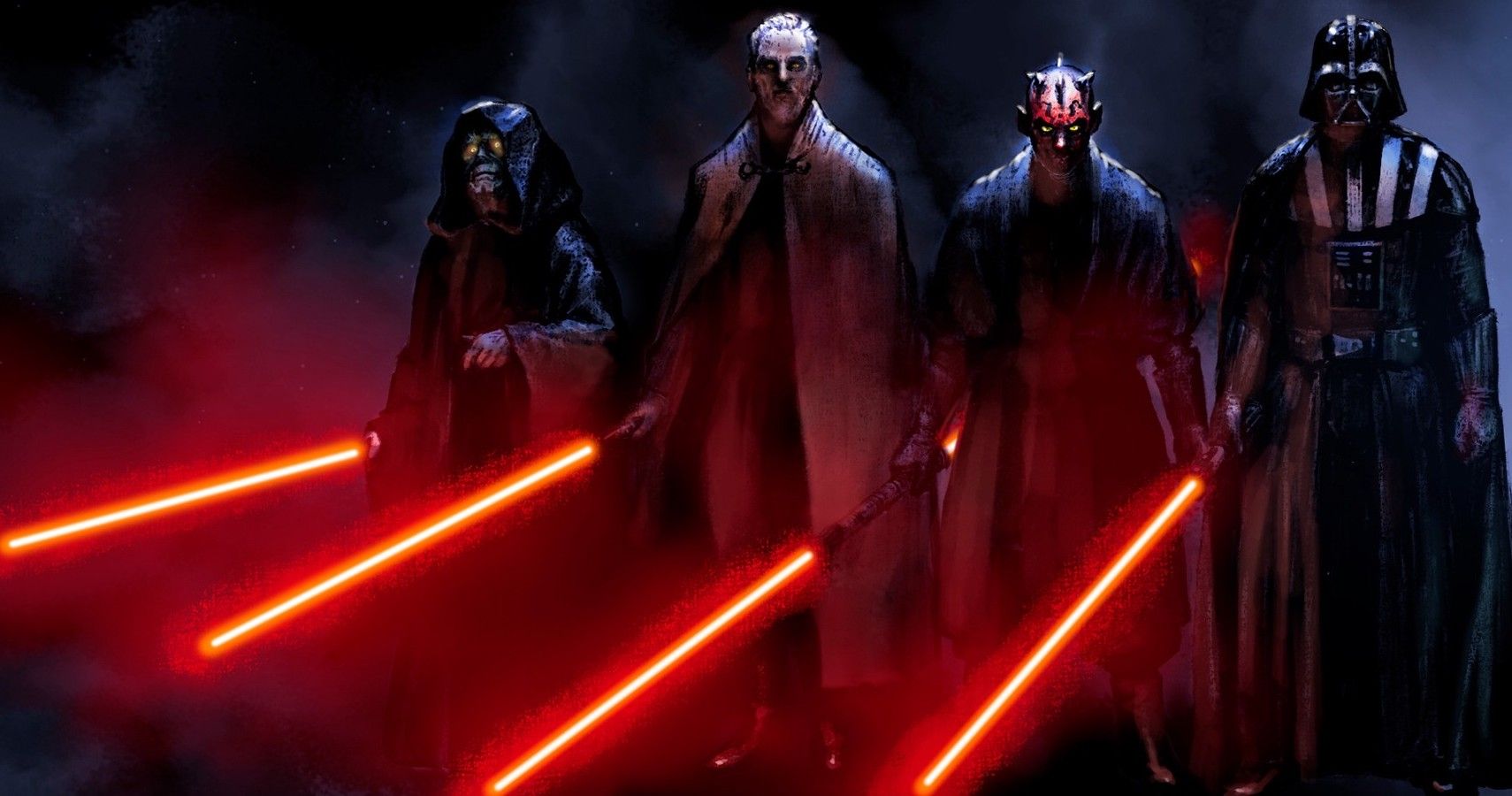
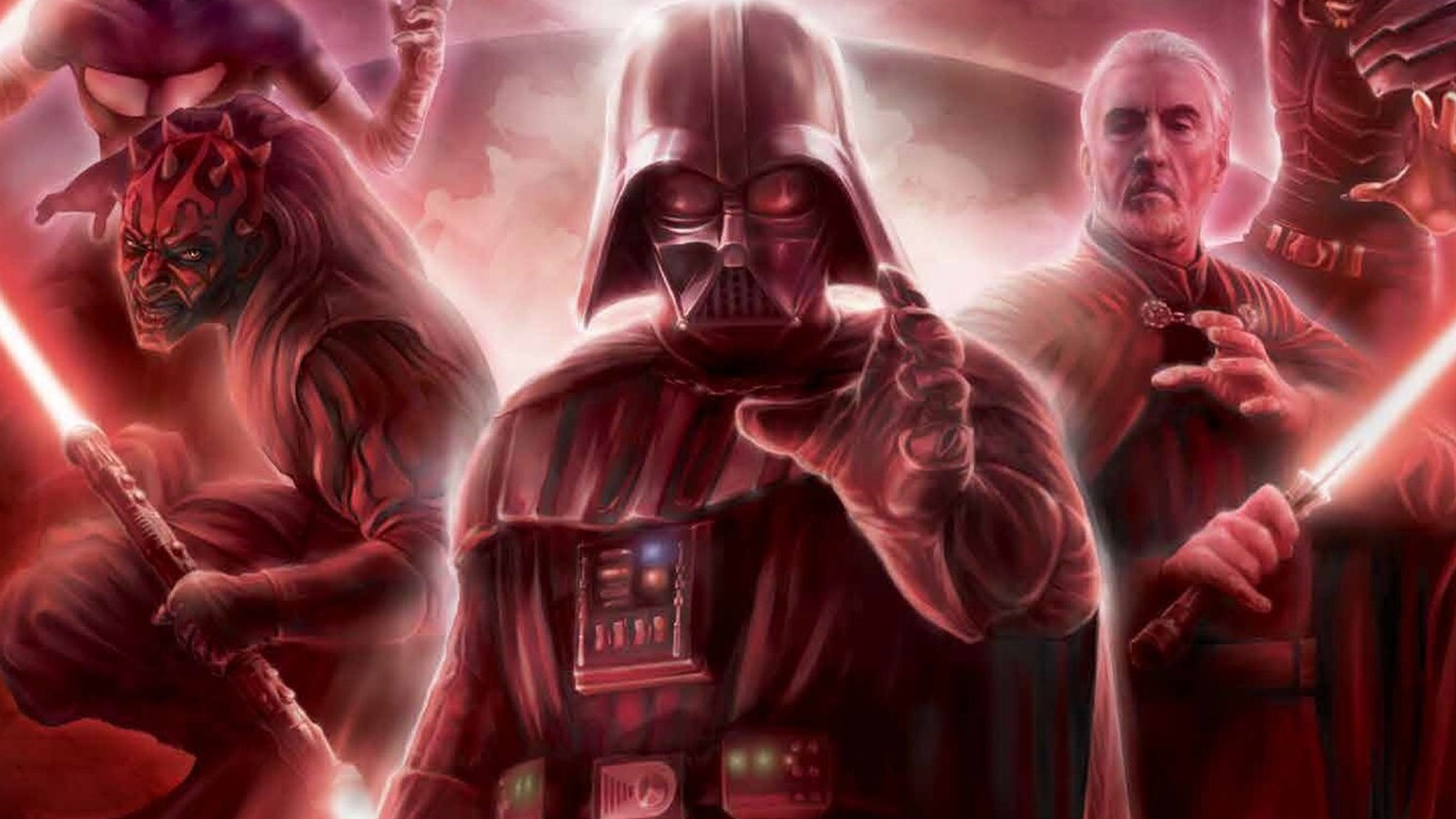
The Sith in Star Wars are an ancient, dark side-wielding religious and military order driven by passion, individualism, and power, serving as the primary mirror and philosophical antithesis to the Jedi Order throughout galactic history.
Introduction to the Sith Order
Understanding the Star Wars galaxy requires looking beyond the binary conflicts of the Galactic Civil War or the Clone Wars to examine the ancient roots of the dark side. The Sith are not merely villains who use red lightsabers; they represent a distinct civilization, philosophy, and theological framework that evolved over millennia. From their origins as a splinter group of rogue Jedi to the esoteric machinations of the Rule of Two and the sprawling secret societies of extended lore, the Sith have continuously shaped galactic destiny through conflict, subterfuge, and ambition.
To make sense of all Sith in Star Wars, one must categorize them chronologically and philosophically. The continuity of the Sith spans thousands of years, divided into distinct eras: the Primeval and Pre-Republic eras, the Old Sith Wars, the Ruusan Reformation and the Rule of Two, the era of the Galactic Empire, and the ultimate resurgence and fall during the Sequel Trilogy. By examining these periods, readers can trace how a philosophy centered on personal freedom through absolute power inevitably collapsed under the weight of its own internal betrayal.
Philosophical Foundations: The Code of the Sith
Before exploring specific historical figures, it is essential to understand the ideological framework that unites all Sith. While the Jedi practice self-discipline, emotional detachment, and altruism, the Sith follow a strict, emotional liberation framework codified by ancient masters:
- Peace is a lie, there is only passion.
- Through passion, I gain strength.
- Through strength, I gain power.
- Through power, I gain victory.
- Through victory, my chains are broken.
- The Force shall free me.
This creed rejects the serenity preached by the Jedi. Instead, the Sith embrace anger, hatred, ambition, and fear, channeling these volatile emotions into kinetic and metaphysical energy. However, this philosophy contains an inherent contradiction: while it promises absolute freedom ("my chains are broken"), the pursuit of ultimate power invariably creates a master-and-apprentice hierarchy defined by manipulation, bondage, and inevitable betrayal.
The Origins and the Old Republic Era
The history of the Sith began over 25,000 years before the Galactic Civil War, originating from a schism within the Jedi Order.
The Hundred-Year Darkness
Around 7,000 BBY (Before the Battle of Yavin), a faction of Jedi began experimenting with dark side alchemy and the creation of unnatural life, believing the dark side offered a more profound understanding of the Force. This ideological rift led to the Hundred-Year Darkness, a devastating conflict between the mainstream Jedi and the dark side faction.
Defeated by the Galactic Republic and the Jedi Order, the surviving dark-side scholars were cast into exile into the Unknown Regions. There, on the remote world of Korriban, they encountered the native Sith species—a red-skinned, primitive humanoid race deeply attuned to the dark side. The exiled Jedi interbred with and subjugated the species, eventually adopting their name and culture. Thus, the Sith Order was born, merging rogue Jedi philosophy with the dark side mysticism of the Sith species.
The Great Sith Wars
Centuries later, the reconstituted Sith Empire, led by fallen Jedi such as Exar Kun and Ulic Qel-Droma, launched massive crusades against the Galactic Republic. These conflicts devastated galactic infrastructure and nearly destroyed the Jedi Order. The Sith during this period operated as large armies, replete with Sith Lords, dark side adepts, and legions of warrior thralls.
However, the inherent nature of the Sith—where every acolyte sought to usurp their master—meant these large empires constantly collapsed from within. Civil wars among Sith Lords frequently proved more destructive to their cause than any campaign waged by the Jedi.
The Rule of Two and the Great Ruusan Reformation
Following millennia of destructive wars that left both the Republic and the Sith battered, a fundamental restructuring of the dark side occurred around 1,000 BBY.
Darth Bane and the Elimination of the Many
Realizing that open warfare and large Sith empires inevitably led to self-destruction due to infighting, a visionary Dark Lord named Darth Bane instituted a revolutionary paradigm shift. Bane observed that when there were many Sith, their collective power was diluted, and weaker apprentices would frequently gang up to assassinate a stronger master, dragging down the overall quality of the lineage.
Bane orchestrated the eradication of the traditional Sith brotherhood during the Seventh Battle of Ruusan. Using a thought bomb—a devastating dark side ritual that destroyed both Jedi and Sith alike on the battlefield—Bane wiped out the existing Sith Order, allowing the galaxy to believe the Sith were extinct.
Structure of the Rule of Two
Bane established the Rule of Two, a strict theological and operational law that governed the Sith for the next millennium:
- The Master: Embodies the power of the dark side, holding ultimate authority and hoarding forbidden knowledge.
- The Apprentice: Seeks to absorb that knowledge until they are powerful enough to betray and kill the master, thereby becoming the new master and taking an apprentice of their own.
This predatory lineage ensured that each generation of Sith was stronger, wiser, and more cunning than the last, allowing them to operate in complete secrecy beneath the nose of the Jedi High Council.
Notable Sith Lords Across Eras
| Era | Notable Sith Lord | Significance / Role |
|---|---|---|
| Old Sith Wars | Exar Kun | Unleashed widespread devastation; discovered ancient dark side temples on Yavin 4. |
| Old Sith Wars | Darth Revan | Former Jedi hero who fell to the dark side, rediscovered ancient Sith secrets, and later redeemed himself. |
| Rule of Two Era | Darth Bane | Creator of the Rule of Two; ended the era of open Sith armies. |
| Fall of the Republic | Darth Plagueis | Master of Darth Sidious; obsessed with manipulating midi-chlorians to achieve eternal life. |
| Fall of the Republic | Darth Sidious (Palpatine) | Mastermind who dismantled the Galactic Republic from within and orchestrated the Jedi purge. |
| Imperial Era | Darth Vader (Anakin Skywalker) | Chosen One who fell to the dark side, served as Palpatine’s enforcer, and ultimately fulfilled his destiny. |
The Grand Plan and the Fall of the Republic
For a thousand years, the Rule of Two quietly advanced a singular objective: the total destruction of the Jedi Order and the subjugation of the Galactic Republic. This multi-generational conspiracy culminated under Darth Plagueis and his apprentice, Darth Sidious (Sheev Palpatine).
Darth Plagueis and Sidious
Darth Plagueis unlocked secrets regarding life and death, believing he could manipulate midi-chlorians to create life. However, true to the Rule of Two, his apprentice Sidious murdered him in his sleep once his usefulness had expired. Sidious then accelerated the "Grand Plan," entering politics as a humble senator from Naboo while secretly orchestrating galactic crises.
The Clone Wars and Order 66
As Supreme Chancellor, Sidious manufactured the Clone Wars, playing both sides of the galactic conflict against each other. He manipulated the Jedi Order into accepting a massive clone army embedded with inhibitor chips. When the time was right, Sidious executed Order 66, branding the Jedi as traitors and commanding the clones to execute them across the galaxy.
Simultaneously, Sidious seduced Anakin Skywalker—the prophesied Chosen One—to the dark side, christening him Darth Vader. With the Jedi nearly extinct and the Republic reorganized into the First Galactic Empire, the Sith achieved total supremacy for the first time in history.
The Rule of the Empire and the Inquisitorius
During the height of the Galactic Empire, the Sith ruled supreme, though their operational footprint shifted. With Sidious acting as Emperor and Darth Vader serving as his primary fist, the remaining Force-sensitive threats were hunted down not just by Vader, but by the Inquisitorius—a cadre of fallen Jedi and dark side adepts trained to hunt surviving Jedi. While the Inquisitors were not true Sith Lords (violating the Rule of Two by existing in numbers greater than two), they served as disposable extensions of Sith will.
This era also showcased the fatal flaw of the Sith philosophy: absolute control breeds absolute resistance. Vader’s internal conflict, stemming from the latent goodness of Anakin Skywalker, and Sidious’s boundless arrogance ultimately led to their downfall at the Battle of Endor, where Vader cast his master down into a reactor shaft before finding redemption.
The Sequel Era: Resurgence and Final Defeat
Despite the deaths of Vader and Sidious at Endor, the dark side proved resilient. Decades later, the remnants of the Empire crystallized into the First Order, guided from the shadows by reconstituted consciousness and clone technology.
Darth Sidious’s Return on Exegol
Darth Sidious survived his fall on the Second Death Star through arcane dark side science and Sith eternal cultists on the desolate world of Exegol. He engineered the fall of Ben Solo, turning him into Kylo Ren, though Ren technically served the dark side without adopting the formal Sith title, preferring the knightly aesthetics of the Knights of Ren.
When Rey confronted Sidious on Exegol, she channeled the collective strength of all past Jedi, while Sidious embodied all the Sith. The resulting clash destroyed Sidious once and for all, neutralizing the physical lineage of the Sith and ending their millennia-long cycle of revenge.
Frequently Asked Questions
What is the difference between a Dark Jedi and a Sith?
A Dark Jedi is simply any Force-user who practices the dark side of the Force without being a member of the formal Sith Order or adhering to its specific philosophical lineage and traditions. The Sith are a structured religious and political order with distinct historical origins, codes, and hierarchies.
Why do Sith use red lightsabers?
Sith lightsabers are powered by synthetic crystals or natural kyber crystals that have been "bled"—a process where a dark side user forces their pain, anger, and hatred into a crystal until it turns crimson red.
Did Darth Vader remain a Sith until his death?
Yes, Darth Vader remained a Sith Lord under Darth Sidious for over two decades. However, upon witnessing his son, Luke Skywalker, being tortured by the Emperor, Anakin Skywalker rejected the Sith philosophy, abandoned the dark side, and sacrificed himself to save his son, fulfilling the prophecy of the Chosen One.
How many Sith can exist at one time under the Rule of Two?
Exactly two: one Master who embodies the power, and one Apprentice who craves it. While dark side users, Inquisitors, and acolytes often existed in lesser capacities, only two true Sith Lords held the title at any given moment during the Rule of Two era.
Are the Knights of Ren considered Sith?
No. While the Knights of Ren are dark side users who served Supreme Leader Snoke and later Kylo Ren, they do not follow the Sith traditions, code, or the Rule of Two, operating instead as an independent warrior cult.
Practical Next Actions for Star Wars Enthusiasts
To deepen your understanding of the Sith and their history, consider exploring authoritative multimedia and literary sources:
- Read the Darth Bane Trilogy (Path of Destruction, Rule of Two, Dynasty of Evil) by Drew Karpyshyn for an exhaustive look at the establishment of the Rule of Two.
- Examine Canon Reference Materials such as Star Wars: Timelines to trace the exact chronological placement of Sith conflicts alongside galactic history.
- Analyze On-Screen Media by watching Star Wars: The Clone Wars and Star Wars Rebels, which feature crucial lore regarding ancient Sith holocrons, Moraband (Korriban), and dark side mysticism.