The "dance mom" archetype, popularized by the long-running Lifetime series Dance Moms, represents a complex intersection of maternal ambition, competitive sports, and reality television drama. Since the show’s debut in 2011, these figures have evolved from regional parents into global media personalities, defining a specific sub-genre of entertainment.
The term "Dance Mom" has become synonymous with a specific brand of high-stakes parenting found in competitive performing arts. While the original Lifetime series remains the most recognized, the phenomenon spans multiple spin-offs and similar programs that showcase the relentless pursuit of stardom. In 2026, we look back at the figures who defined this era, the children they propelled to fame, and the lasting impact they have had on the reality TV landscape.
The Pioneers: The Original Cast of Lifetime’s Dance Moms
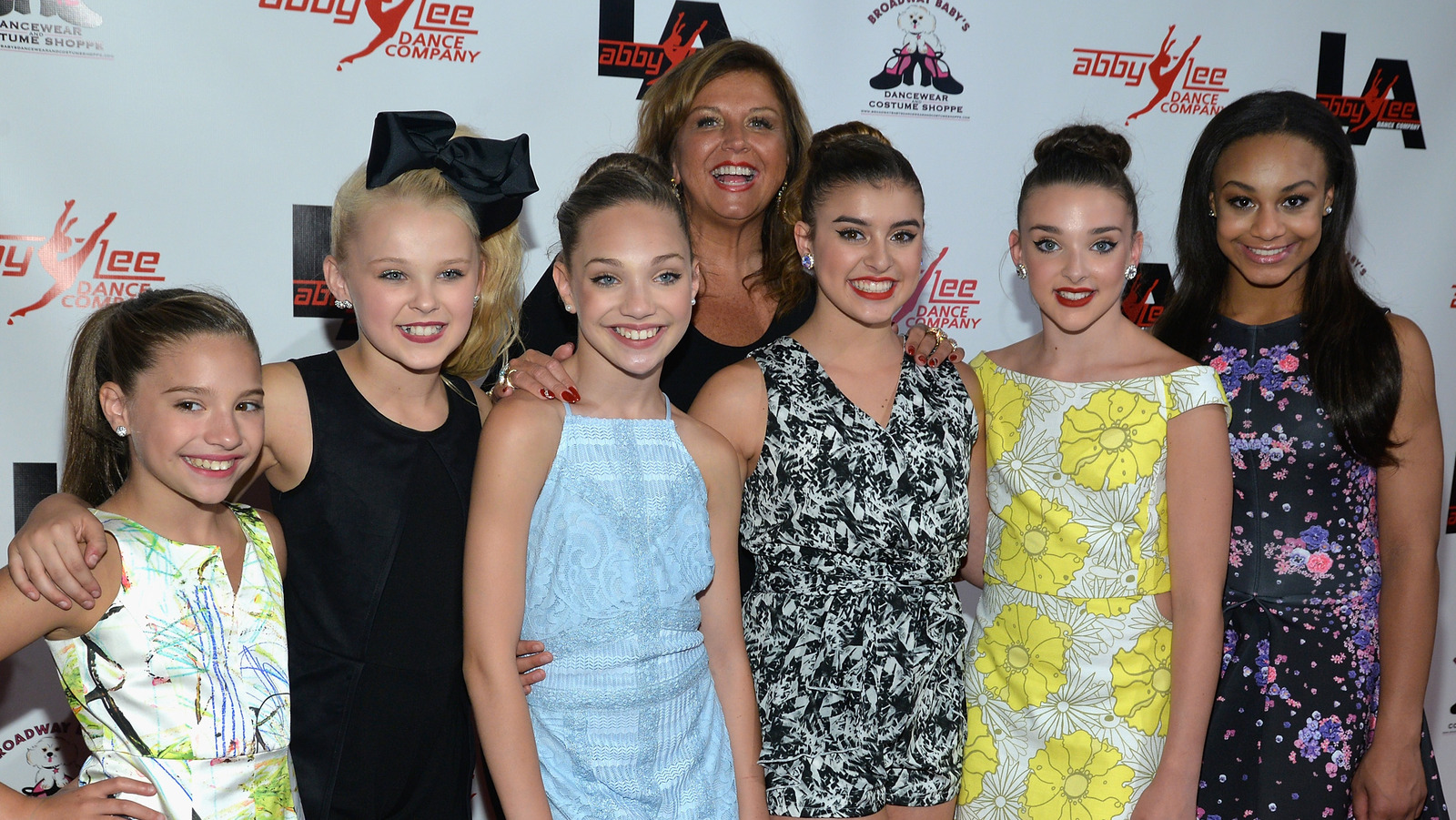
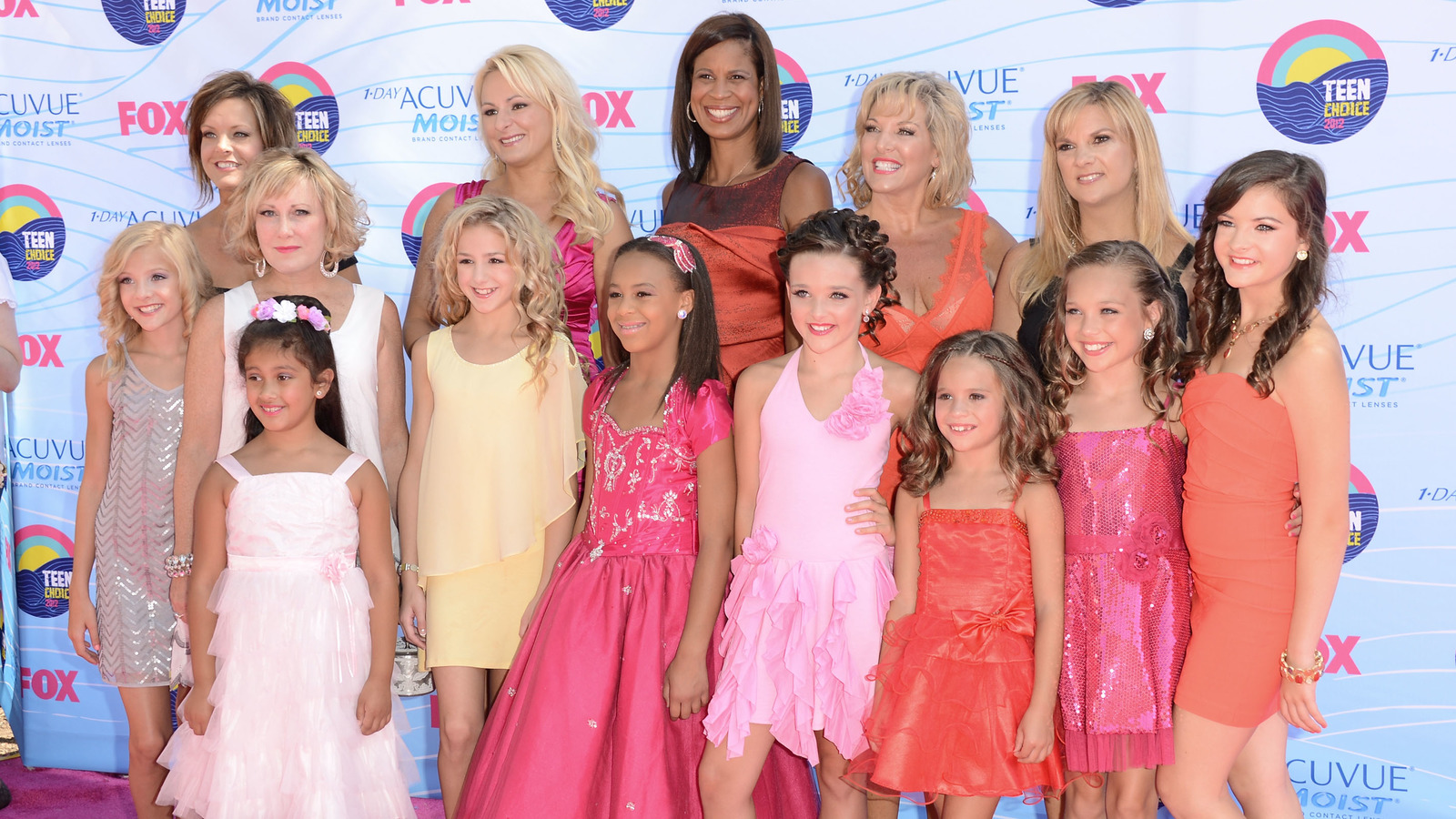
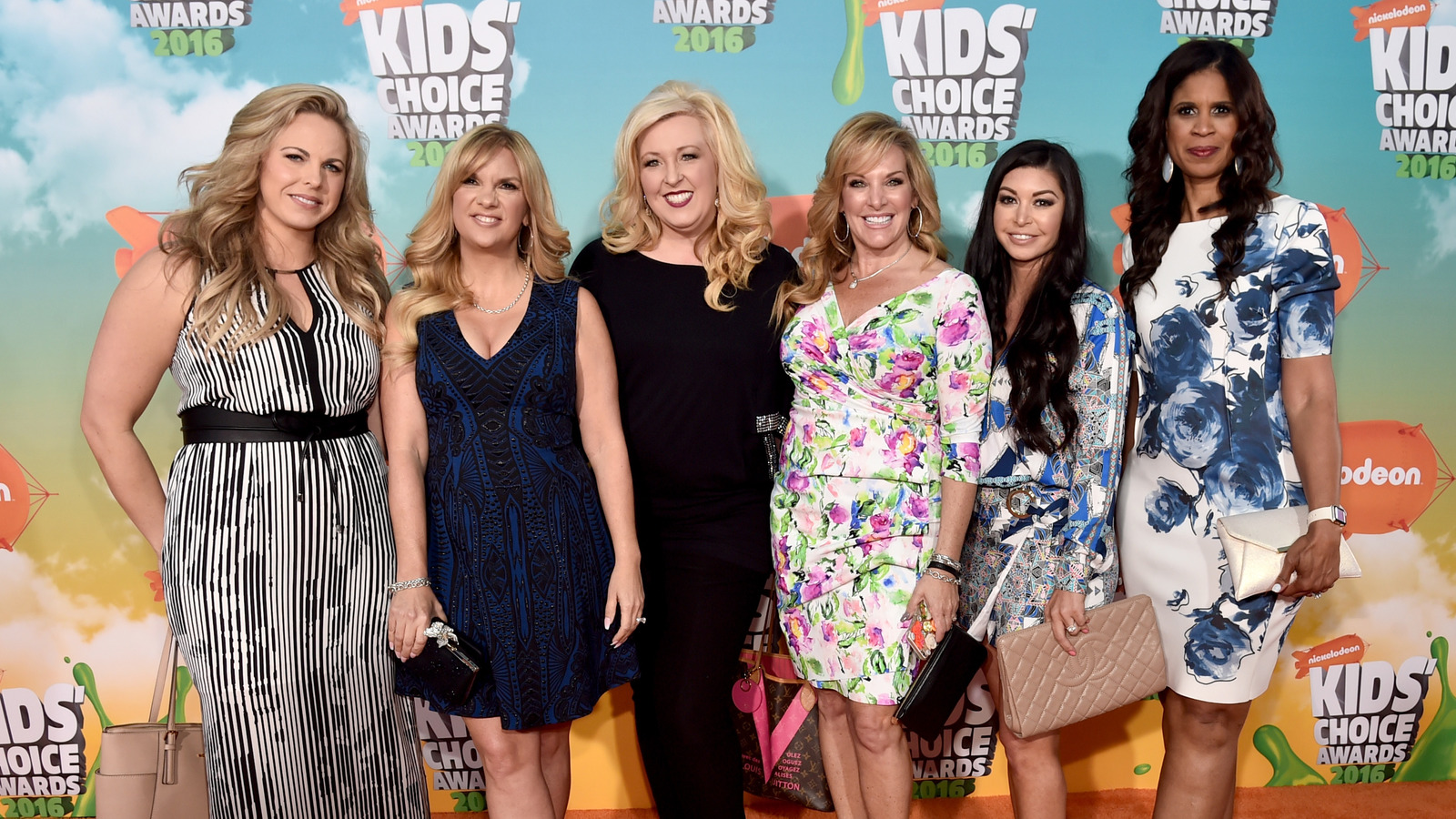
The original Dance Moms cast, based at the Abby Lee Dance Company (ALDC) in Pittsburgh, Pennsylvania, set the gold standard for reality TV conflict and loyalty. These women were not just parents; they were essential characters in a narrative constructed around the demanding tutelage of Abby Lee Miller.
Christi Lukasiak
Christi Lukasiak, mother to Chloe Lukasiak, was often positioned as the primary antagonist to Abby Lee Miller’s authority. Her role in the series was defined by a fierce protectiveness over her daughter, whom she felt was frequently overlooked in favor of other dancers. Christi’s quick wit and willingness to confront Abby directly made her a fan favorite, though it often led to explosive arguments. By 2026, Lukasiak has leveraged her reality TV fame into a successful career as a content creator and entrepreneur, co-hosting the popular Back to the Barre podcast, where she provides a retrospective look at the series.
Kelly Hyland
Kelly Hyland brought a unique dynamic to the show as a former student of Abby Lee Miller herself. Mother to Brooke and Paige Hyland, Kelly’s relationship with Abby was deeply personal and fraught with decades of history. This history eventually reached a breaking point in Season 4 during a physical altercation in New York, which led to Kelly’s departure from the series and a subsequent legal battle. Her presence on the show highlighted the emotional toll that long-term competitive environments can take on families.
Holly Frazier
Often referred to as "The Voice of Reason," Dr. Holly Frazier (mother to Nia Sioux) provided a stark contrast to the more volatile personalities on the show. As an educator with a doctorate, Holly frequently advocated for professionalism and dignity, even when the environment became toxic. Her journey was marked by her efforts to ensure Nia received the same opportunities as her peers, despite Abby’s often dismissive treatment. Holly’s endurance—staying on the show for the majority of its original run—cemented her status as a pillar of the Dance Moms legacy.
Melissa Gisoni
Melissa Gisoni, mother to Maddie and Mackenzie Ziegler, was frequently at the center of the "favoritism" debate. Because Maddie was Abby’s star pupil, Melissa often found herself at odds with the other mothers, who accused her of being "sneaky" or overly transactional in her relationship with the studio owner. Melissa’s focus was singular: the success of her daughters. This strategy proved effective, as the Zieglers transitioned into mainstream Hollywood success more rapidly than almost any other reality TV family of the era.
The Expansion: New Dynamics and Spin-off Personalities
As Dance Moms grew in popularity, the cast expanded to include "replacement" moms and stars from various spin-offs. These individuals often entered the show with a clear understanding of the "reality TV" requirements, leading to even higher levels of orchestrated drama.
Jill Vertes
Joining in Season 2, Jill Vertes (mother to Kendall Vertes) became a permanent fixture of the series. Jill’s narrative often revolved around her relentless efforts to get Kendall a "solo" or a spot on the "pyramid." She famously moved between studios to find the best fit for her daughter, embodying the transient nature of the competitive dance world. Jill’s "my little Kendall" catchphrase became a staple of the show's meme culture.
Kira Girard and Ashlee Allen
Later seasons introduced Kira Girard (mother to Kalani Hilliker) and Ashlee Allen (mother to Brynn Rumfallo). Their rivalry represented a shift in the show’s tone, focusing more on the technical ranking of the children and the "new" vs. "old" team dynamics. Kira’s blunt communication style often clashed with Ashlee’s more defensive posture, illustrating the social hierarchy inherent in elite dance troupes.
Jessalynn Siwa
Perhaps the most commercially successful mother-daughter duo to emerge from the franchise is Jessalynn Siwa and her daughter, JoJo Siwa. Entering through Abby’s Ultimate Dance Competition and later joining the main Dance Moms cast, Jessalynn was unapologetic about her goal: making JoJo a superstar. Her management style was criticized by some as being too aggressive, but the resulting "JoJo Siwa" brand—worth millions—validated her methods in the eyes of many industry observers.
Comparing the Key Reality TV Dance Mothers
The following table summarizes the primary mothers from the Dance Moms universe and their contributions to the genre.
| Mother | Primary Show | Daughter(s) | Notable "Character" Trait | 2026 Status / Focus |
|---|---|---|---|---|
| Christi Lukasiak | Dance Moms | Chloe | The Vocal Rebel | Podcasting / Influencer |
| Dr. Holly Frazier | Dance Moms | Nia | The Voice of Reason | Public Speaking / Author |
| Melissa Gisoni | Dance Moms | Maddie, Mackenzie | The Strategic Ally | Lifestyle Media / Philanthropy |
| Kelly Hyland | Dance Moms | Brooke, Paige | The Lifelong Local | Podcasting / Small Business |
| Jill Vertes | Dance Moms | Kendall | The Opportunist | Influencer / Brand Partner |
| Jessalynn Siwa | AUDC / Dance Moms | JoJo | The Brand Architect | Talent Manager / Producer |
| Miss D (Dianna Williams) | Bring It! | N/A (Coach) | The Disciplinarian | Studio Owner / Mentor |
| Brigette Triana | Dance Moms: Miami | Lucas | The Competitive Peer | Professional Dance Coach |
Beyond the ALDC: Other Significant Dance Mom Programs
While the ALDC moms dominate the conversation, other reality shows have explored the "dance mom" dynamic with varying degrees of intensity and cultural specificity.
Bring It! and the DDP
The Lifetime series Bring It! introduced viewers to the world of HBCU-style majorette dancing via the Dancing Dolls of Jackson, Mississippi. The mothers on this show, known as the "DDP" (Dancing Doll Parents), offered a different perspective on the genre. Led by the formidable Coach Dianna "Miss D" Williams, the show focused on community, discipline, and the specific pressures of the "Battle Zone." The DDP were often just as loud and protective as the Pittsburgh moms, but their conflicts were frequently rooted in the communal success of the troupe rather than individual solo placements.
Dance Moms: Miami
A short-lived spin-off, Dance Moms: Miami, attempted to replicate the original’s success at the Stars Dance Studio. While it only lasted one season, it showcased the "Miami heat" version of dance parenting, where the aesthetics of the dancers and the high-octane environment of South Florida influenced the maternal drama. It remains a cult favorite for those interested in the variations of the genre.
Dancing Queens
More recently, Bravo’s Dancing Queens pivoted the focus from the children to the mothers themselves—or rather, to adult women in the world of competitive ballroom dancing. While not strictly about "moms" managing their children, it explored the same psychological territory: the expense, the ego, and the obsession with winning in a subjective art form.
The Psychological and Cultural Impact of the Archetype
The "Dance Mom" trope has been criticized by child advocates and psychologists for the pressure it places on young performers. However, from a media perspective, these women revolutionized the role of the "Stage Mom."
- The Shift in Agency: Historically, stage moms were seen as behind-the-scenes figures. Reality TV brought them to the forefront, making their reactions and interpersonal conflicts the primary product, often overshadowing the dancing itself.
- Economic Reality: These shows pulled back the curtain on the extreme costs of competitive dance. From costumes costing hundreds of dollars to travel expenses and "privates" (one-on-one lessons), the moms highlighted the financial barriers to entry in the performing arts.
- The Ethics of Child Stardom: By 2026, many of the children from these shows have spoken out about their experiences. The moms often find themselves in the difficult position of defending their choice to film their children’s formative years, leading to a broader cultural conversation about child labor laws in digital and reality media.
Frequently Asked Questions
Who was the most successful mom from Dance Moms?
In terms of brand building and financial success, Jessalynn Siwa is widely considered the most successful. She successfully transitioned her daughter, JoJo Siwa, from a reality TV participant into a global brand encompassing music, film, and merchandise. However, Melissa Gisoni also saw immense success through her daughters Maddie and Mackenzie, who have maintained steady careers in mainstream Hollywood.
Are any of the original Dance Moms still friends?
Yes. Despite the televised drama, several of the original "moms" have maintained close relationships. Christi Lukasiak, Kelly Hyland, Holly Frazier, and Jill Vertes frequently collaborate on projects, such as the Because Mom Said So and Back to the Barre podcasts. Their shared experience of the show’s intense production schedule appears to have forged a lasting bond.
How much of the drama was real?
While the emotions were often genuine, the "drama" was frequently facilitated by production. Producers would often withhold information, "seed" topics of conversation, or orchestrate the "pyramid" rankings to ensure conflict. However, the long-standing legal battles (such as Kelly Hyland’s lawsuit and Abby Lee Miller’s bankruptcy fraud case) were very much a part of the real-world consequences of the show.
Did the moms get paid to be on the show?
Yes. As the show became a hit, the mothers transitioned from "participants" to "talent." While initial salaries were modest, by the middle seasons, the core cast members were earning significant per-episode fees. This financial incentive often played a role in why families stayed on the show despite the visible stress it caused.
What happened to the moms from Dance Moms: Miami?
Most of the Miami cast returned to their professional lives in the dance world. Unlike the Pittsburgh cast, they did not achieve the same level of sustained celebrity, though many are still active in the South Florida dance community as coaches or studio administrators.
Practical Recommendation for Viewers and Aspiring Performers
When analyzing "all the dance moms in reality tv," it is important to distinguish between the entertainment product and the reality of the dance industry. For parents entering the world of competitive dance, the behaviors seen on television are often a cautionary tale rather than a blueprint for success.
Next Actions:
- For Fans: Check out the various podcasts hosted by the former cast members for a "behind-the-scenes" look at the production of these shows. They provide valuable context on what was edited and what was authentic.
- For Parents: If you are enrolling a child in competitive dance, prioritize studios that focus on technical growth and mental well-being over "stardom." The extreme environments depicted on TV are rarely sustainable or healthy for developing dancers.
- For Researchers: Look into the 2024 and 2025 updates to child labor laws in several states, which were influenced by the experiences of reality TV children like those on Dance Moms.