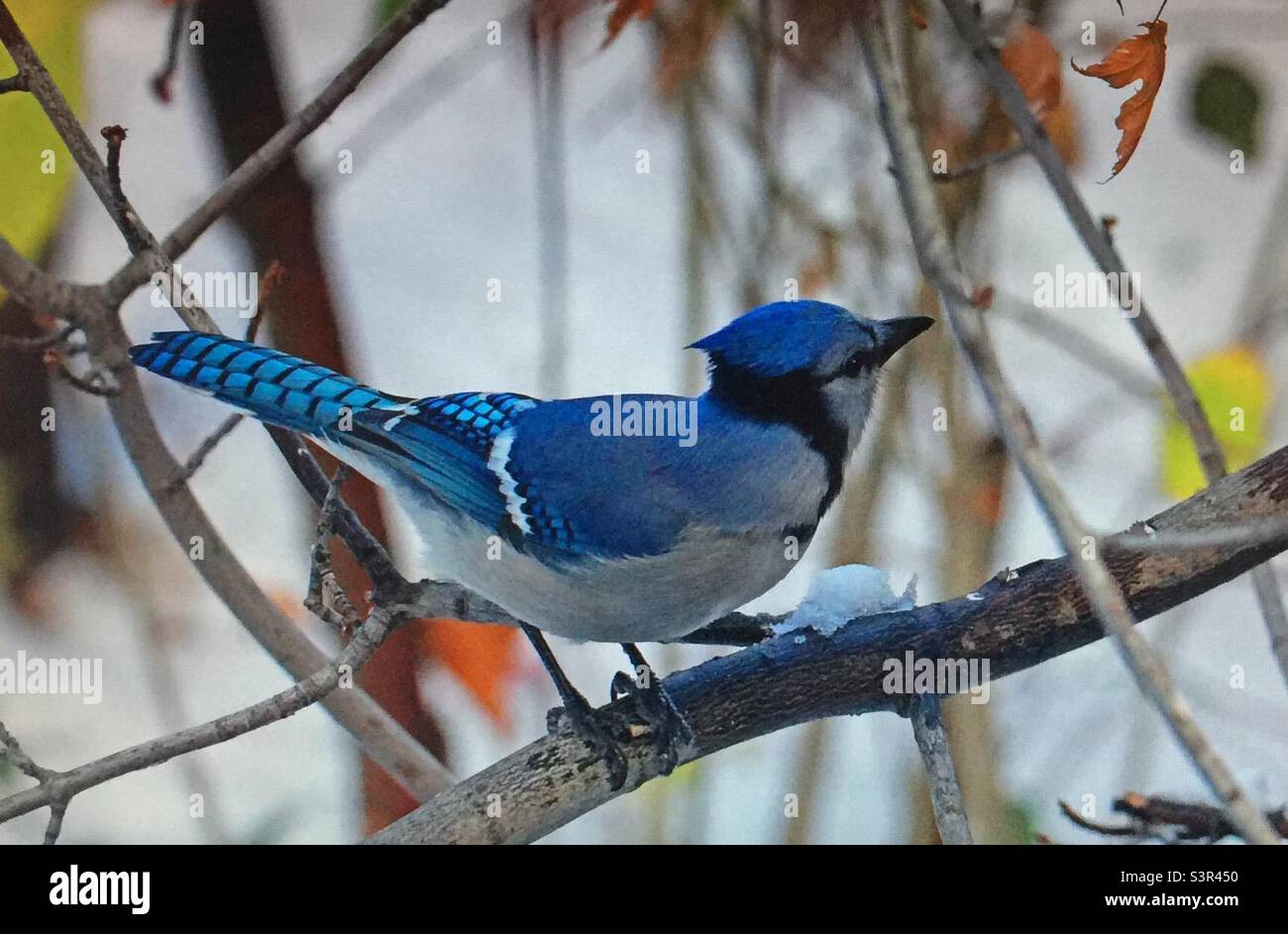
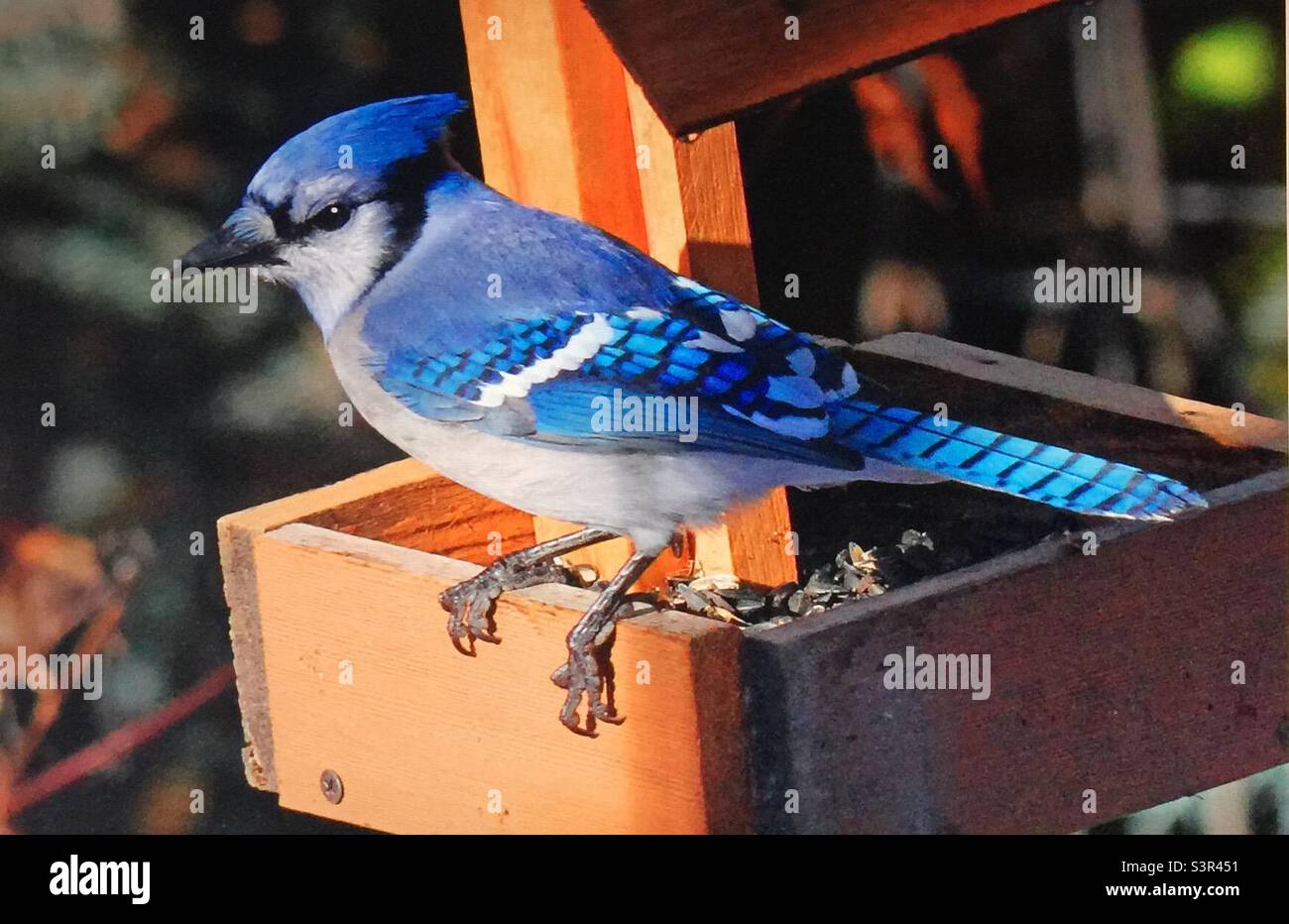
Blue jays are iconic songbirds native to North America, recognized for their striking blue plumage, prominent crests, and high intelligence. As members of the Corvidae family, they exhibit complex social behaviors, sophisticated vocal mimicry, and a vital ecological role in forest regeneration through their unique acorn-caching habits and seasonal movements.
Understanding the Taxonomy and Origins of the Blue Jay
The Blue Jay (Cyanocitta cristata) belongs to the family Corvidae, a group of birds renowned for their high cognitive abilities, which also includes crows, ravens, and magpies. Within the genus Cyanocitta, the Blue Jay is the eastern counterpart to the Steller’s Jay found in western North America. Evolutionary biologists note that while many songbirds rely on vibrant pigments for their color, the Blue Jay’s appearance is a result of complex light interference, a phenomenon known as structural coloration.
Historically, the Blue Jay has occupied the deciduous and mixed-wood forests of central and eastern North America. In 2026, their range continues to expand slightly northward and westward, aided by both climate shifts and the prevalence of backyard bird feeding stations that provide reliable winter sustenance. These birds are not merely colorful ornaments in a garden; they are apex communicators within their ecosystems, often serving as an "alarm system" for other species by signaling the presence of predators like hawks or owls.
Physical Characteristics and the Mystery of Structural Color
One of the most frequent questions regarding Blue Jays is the source of their vivid blue hue. Unlike birds with red or yellow feathers, which derive color from carotenoids in their diet, Blue Jays do not possess blue pigment. Instead, their feathers contain a unique arrangement of keratin cells and air pockets. When light hits these structures, it scatters all wavelengths except blue, which is reflected back to the observer. If a Blue Jay feather is crushed, the blue disappears because the internal structure is destroyed, leaving only the underlying brown melanin visible.
The Crest and Body Language
The Blue Jay is distinguished by a prominent feathered crest on its head, which serves as a highly visible indicator of the bird’s emotional state. When the bird is feeding with family members or relaxed, the crest is usually flattened. However, when the bird becomes aggressive, excited, or frightened, the crest bristles upward. A partially raised crest often indicates a state of high alertness. This physical trait, combined with a black "necklace" of feathers around the throat and a white underbelly, makes the Blue Jay one of the most easily identifiable birds in North America.
Size and Dimorphism
Adult Blue Jays typically measure between 9 and 12 inches from bill to tail, with a wingspan ranging from 13 to 17 inches. Unlike many other avian species where males are significantly more colorful than females, Blue Jays exhibit sexual monomorphism. This means that males and females are virtually indistinguishable by plumage alone. While males are slightly larger on average, observers usually require behavioral cues—such as nesting roles—to tell them apart in the wild.
Habitat and Geographic Distribution in 2026
The Blue Jay’s primary range spans from southern Canada through the eastern United States and down to the Gulf Coast and Florida. To the west, their territory extends to the edge of the Rocky Mountains. While they are traditionally forest-dwelling birds, they have become remarkably well-adapted to human-dominated landscapes.
Preferred Environments
In 2026, Blue Jays are found in a variety of habitats, including:
- Deciduous Forests: They favor areas with a high density of oaks and beech trees, which provide their primary food sources.
- Edge Habitats: The transition zones between forests and open fields are ideal for foraging.
- Suburban and Urban Parks: Well-wooded residential areas offer both nesting sites and supplemental food sources from bird feeders.
- Agricultural Land: They frequent windbreaks and small woodlots near grain fields.
Migration Patterns
Blue Jay migration remains one of the more mysterious aspects of their biology. They are considered "partial migrants," meaning some populations migrate while others stay in the same territory year-round. Young birds are more likely to migrate than adults, but even this is inconsistent. Large flocks of Blue Jays can be seen migrating along the Great Lakes and Atlantic coasts during the autumn months, sometimes numbering in the thousands. The decision to migrate seems to be influenced by weather patterns and the abundance of winter food supplies, particularly the "mast crop" of acorns.
Sophisticated Social Behavior and Intelligence
The intelligence of the Blue Jay is comparable to that of primates in certain problem-solving tasks. They are highly social, typically living in tight-knit family groups. Their communication system is one of the most complex in the avian world, consisting of a wide array of calls, clicks, and whistles.
Vocal Mimicry and Deception
The most famous vocalization of the Blue Jay is the "jeer" call, a loud, harsh sound used to ward off intruders or alert the flock to danger. However, they are also master mimics. They frequently imitate the calls of hawks, particularly the Red-shouldered Hawk. Ornithologists believe this mimicry serves two purposes: to warn other jays that a hawk is nearby, or to deceive other bird species into fleeing a bird feeder, allowing the jay to have exclusive access to the food.
Cognitive Mapping and Memory
Blue Jays possess an extraordinary spatial memory. They are "scatter-hoarders," meaning they hide thousands of individual nuts and seeds across the landscape to prepare for winter. Studies have shown that they can remember the exact location of these caches months later. This behavior has a significant ecological impact; since jays do not recover every nut they hide, they are responsible for the natural dispersal and planting of oak and beech forests across North America.
Diet, Foraging, and the Role of Bird Feeders
Blue Jays are omnivores with a diverse diet that changes based on the season. While they have a reputation for being aggressive at feeders, they are also cautious birds that often yield to larger species like Woodpeckers or Crows.
Natural Food Sources
In the wild, their diet consists of:
- Vegetable Matter (approx. 75%): Acorns, beechnuts, corn, berries, and various seeds.
- Invertebrates (approx. 22%): Grasshoppers, caterpillars, beetles, and spiders.
- Vertebrates (approx. 3%): Occasionally, they may consume small frogs, nestlings, or eggs, though this is a much smaller portion of their diet than commonly perceived.
Attracting Blue Jays to Your Yard
For enthusiasts looking to observe these birds closely, providing the right environment is key. In 2026, bird conservationists recommend the following for backyard habitats:
- Peanuts: Whole in the shell or shelled peanuts are the most effective way to attract Blue Jays.
- Sunflower Seeds: Black oil sunflower seeds and striped sunflower seeds are staples.
- Water Sources: A sturdy birdbath is essential, as jays are frequent bathers.
- Platform Feeders: Because of their size, Blue Jays prefer large, open platform feeders rather than small, hanging tube feeders.
Breeding, Nesting, and Life Cycle
The breeding season for Blue Jays typically begins in March and can extend through July. The pair bond is usually long-term, and both the male and female play active roles in the nesting process.
Nest Construction
Blue Jays build cup-shaped nests using twigs, roots, bark, and sometimes mud. They often incorporate human-made materials like string, paper, or cloth. Nests are typically situated 10 to 25 feet above the ground in the crotch of a tree or on a thick horizontal branch. Both partners participate in building, though the female does most of the actual shaping while the male brings materials.
Incubation and Fledgling Development
A typical clutch consists of 3 to 7 eggs, which are bluish or light brown with darker spots. The female incubates the eggs for 17 to 18 days, during which time the male brings her food. Once the chicks hatch, both parents share the responsibility of foraging. The young birds fledge (leave the nest) about 17 to 21 days after hatching. Even after fledging, the family group often stays together for the remainder of the summer and into the fall, as the parents continue to teach the juveniles foraging techniques.
Comparative Analysis of North American Corvids
To better understand the Blue Jay's place in the ecosystem, it is helpful to compare it with its close relatives within the Corvid family.
| Feature | Blue Jay (Cyanocitta cristata) | Steller's Jay (Cyanocitta stelleri) | American Crow (Corvus brachyrhynchos) |
|---|---|---|---|
| Primary Region | Eastern/Central North America | Western North America | Entire North America |
| Dominant Color | Blue, White, Black | Dark Blue, Black, Charcoal | Solid Black |
| Crest | Prominent, movable | Very prominent, pointed | Absent |
| Intelligence | High (Cache memory/Mimicry) | High (Social complexity) | Exceptional (Tool use/Face recognition) |
| Primary Diet | Acorns, nuts, insects | Conifer seeds, nuts, insects | Opportunistic omnivore, carrion |
| Social Structure | Small family groups | Loose flocks | Large, complex "murders" |
Conservation Status and Challenges in 2026
As of 2026, the Blue Jay is classified as a species of "Least Concern" by the International Union for Conservation of Nature (IUCN). However, this does not mean they are without threats. Their populations remain stable across much of their range, but they face several modern challenges.
West Nile Virus
Blue Jays are highly susceptible to the West Nile Virus. In the early 2000s, the species saw significant local declines following the virus's arrival in North America. While populations have largely rebounded due to natural immunity and adaptation, local outbreaks still cause temporary fluctuations in bird numbers.
Habitat Loss and Urban Sprawl
While jays are adaptable, the continued loss of mature oak forests reduces their primary food source and nesting sites. The fragmentation of forests also increases the risk of nest predation by edge-dwelling species like domestic cats and raccoons. Conservation efforts focusing on maintaining "corridors" of native trees are vital for the long-term health of the species.
Climate Change Impacts
Current data in 2026 suggests that the warming climate is shifting the northern boundaries of the Blue Jay's range. While they are expanding into parts of the Canadian boreal forest, they may face increased competition for resources from other species moving northward. Monitoring programs like the Cornell Lab of Ornithology's eBird provide essential data for tracking these shifts in real-time.
Frequently Asked Questions
Are Blue Jays aggressive toward other birds?
Blue Jays are assertive and territorial, especially near food sources or nesting sites. They may dive-bomb potential predators or competitors to drive them away. However, their "aggression" is often a survival strategy to protect their young or secure limited food supplies. In many cases, their loud presence actually benefits other small birds by providing early warnings of predators.
How long do Blue Jays live in the wild?
The average lifespan of a Blue Jay in the wild is approximately 7 years. However, the oldest recorded wild Blue Jay lived to be 17 years and 6 months old. Mortality is highest during the first year of life, as fledglings must learn to navigate predators and find food during their first winter.
Why do Blue Jays mimic hawks?
Mimicry is believed to be a functional tool for Blue Jays. By imitating a hawk, they can clear a bird feeder of other birds, allowing them to eat in peace. It can also be used to test whether a real hawk is nearby; if other birds react to the mimicry, the jay knows to remain cautious.
Do Blue Jays mate for life?
Blue Jays generally form long-term pair bonds that last through several breeding seasons. While they may find a new mate if one dies, they are considered socially monogamous. These strong bonds are essential for the cooperative effort required to build nests and raise multiple clutches of eggs.
What is the best way to help Blue Jays in my area?
Beyond providing food and water, the most impactful action is to plant native nut-bearing trees, such as oaks and beeches. These provide both natural sustenance and the specific nesting environments Blue Jays have evolved to thrive in. Reducing the use of pesticides in your garden also ensures a healthy supply of insects for jays to feed their young during the spring.
Next Steps for Bird Enthusiasts
To further your understanding of Blue Jays, consider participating in citizen science projects like the Great Backyard Bird Count. Recording sightings in 2026 helps ornithologists track population trends and migration shifts. Additionally, investing in a high-quality field guide or a set of binoculars will enhance your ability to observe the nuanced social behaviors and complex vocalizations that make the Blue Jay one of the most fascinating avian residents of North America.