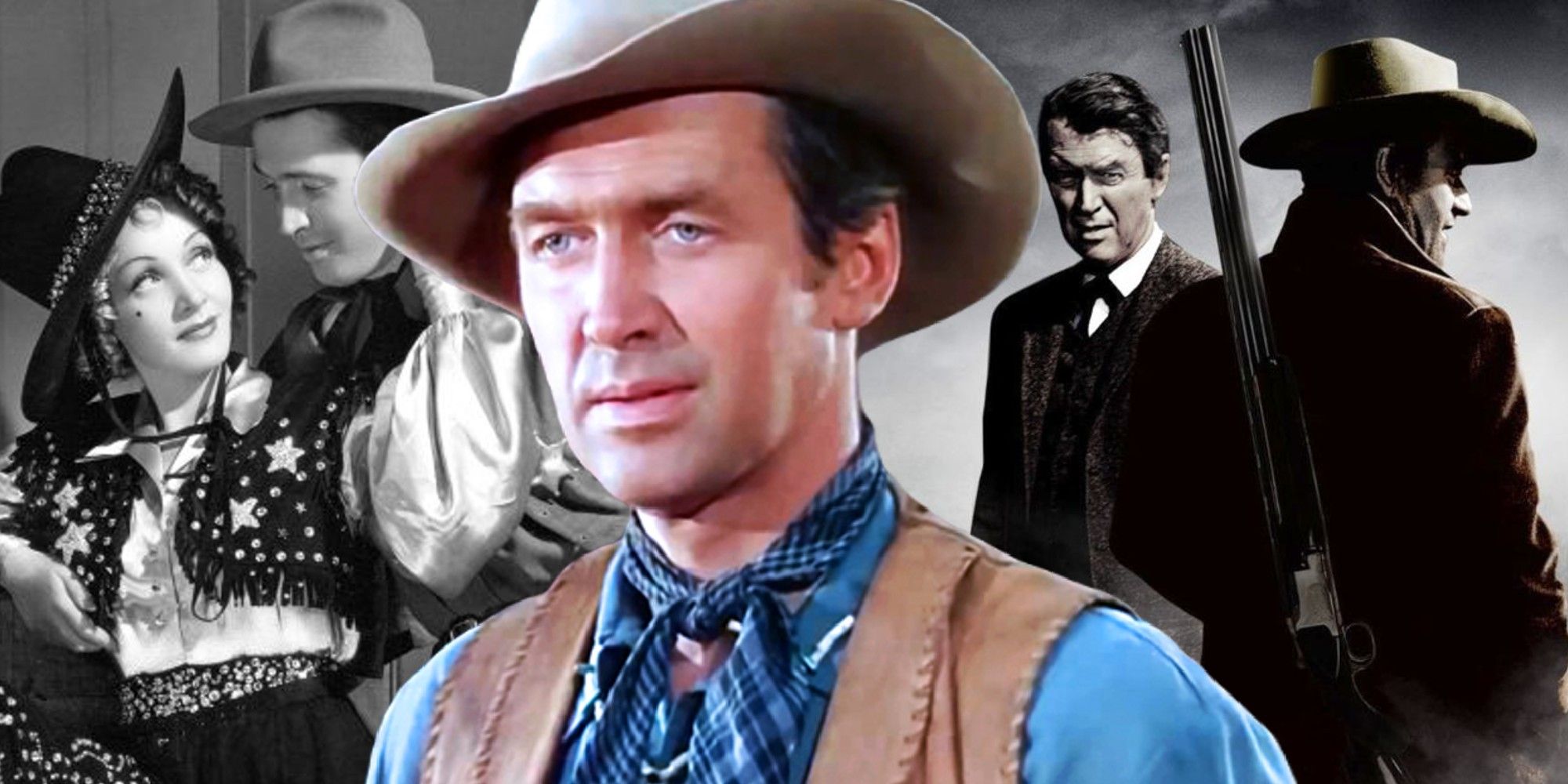
All-black Western movies, ranging from early 20th-century "race films" to modern blockbusters, showcase the historical reality of Black pioneers and cowboys in the American West. These films challenge traditional Hollywood myths by centering Black protagonists in narratives of frontier justice, homesteading, and rebellion, reclaiming a legacy where one in four cowboys was Black.
The Hidden History of the Black Cowboy in Cinema
To understand the significance of all-black Western movies in 2026, one must first look at the historical erasure they seek to correct. For decades, the quintessential American Western was portrayed through a monochromatic lens, featuring white actors like John Wayne and Clint Eastwood. However, historians estimate that roughly 25% of cowboys in the 19th-century frontier were Black. These individuals were often former slaves who found a degree of freedom and autonomy on the cattle trails of Texas and Kansas.
The emergence of all-black Westerns was a direct response to this exclusion. These films were not merely entertainment; they were acts of cultural reclamation. By placing Black men and women in the roles of sheriffs, outlaws, and ranchers, filmmakers provided a counter-narrative to the stereotypical "servant" roles prevalent in mainstream Hollywood during the early 20th century.
The "Race Film" Era: The Birth of the Black Western (1930s–1940s)
During the era of segregation, a parallel film industry emerged in the United States. Known as "race films," these were movies produced by and for Black audiences, often shown in segregated "midnight rambles" or specialized theaters. The Western genre was a natural fit for this burgeoning industry, offering escapism and a sense of heroic agency.
Herb Jeffries: The Bronze Buckaroo
The most significant figure of this era was Herb Jeffries, often called the "Black Singing Cowboy." Jeffries recognized that Black children had no cinematic heroes who looked like them in the Western genre. Working with Sack Amusement Enterprises, he produced and starred in several groundbreaking films:
- Harlem on the Prairie (1937): Often cited as the first all-black Western musical, this film broke ground by using a traditional Western structure—complete with a hero, a villain, and a love interest—but with an entirely Black cast.
- The Bronze Buckaroo (1939): This film solidified Jeffries' status as a star. It featured classic Western tropes like cattle rustling and trick riding, but integrated Black musical traditions.
- Two-Gun Man from Harlem (1938): Another classic entry that showcased the versatility of Black performers in a genre that had previously denied them entry.
These films were technically ambitious for their low budgets, often filmed on "soul ranches" like Murray’s Dude Ranch in Apple Valley, California, which served as a safe haven for Black performers.
The Civil Rights Era and the Blaxploitation Shift (1960s–1970s)
As the Civil Rights Movement gained momentum, the tone of all-black Westerns shifted from the stylized "singing cowboy" format to more gritty, politically charged narratives. This era saw the rise of major stars who used the Western backdrop to explore themes of racial tension, systemic oppression, and self-determination.
Buck and the Preacher (1972)
Directed by and starring Sidney Poitier, alongside Harry Belafonte, Buck and the Preacher is a landmark in the genre. Unlike earlier race films, this was a major studio production. The story follows a wagon master (Poitier) helping former slaves migrate to the West after the Civil War, while being pursued by white bounty hunters. The film was revolutionary for its time, portraying the alliance between Black pioneers and Native Americans against a common oppressor.
The Blaxploitation Influence
The mid-1970s brought the "Blaxploitation" era, which infused the Western genre with urban style, funk soundtracks, and a heightened sense of rebellion. Key films include:
- Thomasine & Bushrod (1974): Often described as a Black "Bonnie and Clyde" in the Old West, this film starred Max Julien and Vonetta McGee. It focused on outlaws who stole from the wealthy to give to the poor, echoing the Robin Hood myth through a racial lens.
- Take a Hard Ride (1975): This film brought together an international cast, including Jim Brown and Fred Williamson, blending the "Spaghetti Western" aesthetic with Black action-hero sensibilities.
The Modern Revival: Resurgence and Big Budgets (1990s–Present)
After a lull in the 1980s, the all-black Western saw a significant revival in the 1990s, led by filmmakers who grew up watching both classic Westerns and the revolutionary films of the 70s. This period was marked by a desire for historical accuracy blended with high-octane action.
Posse (1993)
Directed by Mario Van Peebles, Posse is perhaps the most influential modern all-black Western. It begins with a historical prologue detailing the existence of Black cowboys, setting the stage for a story about a group of Spanish-American War deserters seeking justice in a corrupt frontier town. The film was notable for its aggressive editing style and its unapologetic focus on the "Buffalo Soldiers."
The Harder They Fall (2021)
In the early 2020s, Netflix’s The Harder They Fall, directed by Jeymes Samuel, redefined the genre for a new generation. While the plot is fictional, the characters are based on real-life historical figures, including Nat Love, Stagecoach Mary, Bass Reeves, and Cherokee Bill. The film used a hyper-stylized aesthetic, a contemporary hip-hop and reggae soundtrack, and a star-studded cast (Idris Elba, Regina King, Jonathan Majors) to prove that Black Westerns could be global hits.
Essential All-Black Western Movies Comparison
The following table highlights key films that have defined the genre across different eras.
| Film Title | Year | Primary Director | Notable Cast | Cultural Significance |
|---|---|---|---|---|
| Harlem on the Prairie | 1937 | Sam Newfield | Herb Jeffries | The first all-Black Western musical of the "race film" era. |
| The Bronze Buckaroo | 1939 | Richard C. Kahn | Herb Jeffries | Established the "Black Singing Cowboy" archetype. |
| Buck and the Preacher | 1972 | Sidney Poitier | Sidney Poitier, Harry Belafonte | First major studio Black Western with a focus on post-Civil War migration. |
| Thomasine & Bushrod | 1974 | Gordon Parks Jr. | Max Julien, Vonetta McGee | Blended Blaxploitation style with the outlaw Western mythos. |
| Posse | 1993 | Mario Van Peebles | Mario Van Peebles, Stephen Baldwin | Reintroduced historical context of Black frontiersmen to a 90s audience. |
| Rosewood | 1997 | John Singleton | Ving Rhames, Don Cheadle | A grim look at the destruction of a Black town, featuring a Western-style hero. |
| The Harder They Fall | 2021 | Jeymes Samuel | Idris Elba, Regina King, Jonathan Majors | A high-budget, stylized reimagining of real historical figures. |
| Outlaw Johnny Black | 2023 | Michael Jai White | Michael Jai White | A spiritual successor to Black Dynamite, blending comedy with Western tropes. |
Technical and Social Impact of the Genre
The production of all-black Western movies faced unique technical and financial hurdles. During the early 20th century, these films were often shot in just a few days with minimal budgets. Filmmakers had to be resourceful, often using the same ranch locations as white-led productions but during "off-hours."
The TOBA Circuit and Distribution
Distribution was another challenge. The "Theatre Owners Booking Association" (TOBA) circuit was essential for these movies to reach their target demographic. Because mainstream theaters often refused to show Black-led films, a grassroots network of community centers, churches, and "Black-only" cinemas became the primary screening venues. This created a unique, communal viewing experience that solidified the films' status as cultural touchstones.
Costume and Sound Design
Modern Black Westerns like The Harder They Fall have used production design to challenge the "dusty" aesthetic of 1950s Westerns. By using vibrant colors, intricate leatherwork, and soundtracks that blend Ennio Morricone-style scores with modern bass-heavy beats, these films argue that the Black experience in the West was as vibrant and modern as any other era.
Real-Life Inspiration: The Men and Women Behind the Movies
Many modern all-black Westerns draw direct inspiration from real historical figures whose lives were often more dramatic than fiction.
- Bass Reeves: A former slave who became one of the most successful Deputy U.S. Marshals in the Indian Territory, reportedly capturing over 3,000 outlaws. He is often cited as the real-life inspiration for the "Lone Ranger."
- Stagecoach Mary (Mary Fields): The first African American female star route mail carrier in the United States. She was known for her toughness, her penchant for cigars, and her unwavering reliability.
- Nat Love: Also known as "Deadwood Dick," he was an expert roper and shooter who wrote a famous autobiography detailing his life as a cowboy.
Frequently Asked Questions
Why were there so many Black cowboys in real life?
After the American Civil War, many newly freed Black men moved West seeking opportunities that were unavailable in the Jim Crow South. The cattle industry was a meritocracy to some extent; if you could ride, rope, and handle the grueling conditions of a cattle drive, you could find work regardless of race.
Is The Harder They Fall a true story?
The movie is a work of fiction, but the characters—such as Nat Love, Rufus Buck, and Stagecoach Mary—were real people who lived during the frontier era. However, most of them did not live at the same time or interact with each other as they do in the film.
Who was the first Black Western star?
Herb Jeffries is widely considered the first Black Western star. He saw that Black children were playing "cowboys and Indians" but had no Black heroes to emulate, which inspired him to create the "Singing Cowboy" films of the 1930s.
Where can I watch classic all-black Westerns?
Many race films from the 1930s and 40s are now in the public domain and can be found on archives like the Library of Congress website or specialized streaming platforms like Criterion Channel. Modern films like Posse and The Harder They Fall are available on major streaming services like Netflix and Amazon Prime.
What is the difference between a "Race Film" and a modern Black Western?
"Race films" were produced during the era of segregation (1910s–1950s) specifically for Black audiences because they were excluded from mainstream cinema. Modern Black Westerns are mainstream productions intended for global audiences, often featuring high budgets and focusing on correcting historical inaccuracies.
Recommended Next Steps for Viewers
To truly appreciate the depth of the all-black Western genre, viewers should start with the "Singing Cowboy" films of Herb Jeffries to understand the roots of the movement. Following this, watching Buck and the Preacher provides necessary context on how the genre evolved to include social commentary. Finally, a viewing of The Harder They Fall demonstrates how far the genre has come in terms of production value and cultural reach. For those interested in historical accuracy, researching the life of Bass Reeves provides a fascinating bridge between cinematic fiction and the gritty reality of the American frontier.