The best seats on an Airbus A330-300 are typically found in the front of the cabin for quietness, or in the exit rows and bulkheads for maximum legroom. In the standard 2-4-2 economy configuration, the "duo" window-aisle pairs are highly coveted by couples, while business class travelers should prioritize 1-2-1 layouts for direct aisle access.
The Airbus A330-300 remains a cornerstone of international long-haul travel in 2026. Despite the rise of newer generations like the A350 and the A330neo, the classic A330-300 continues to serve hundreds of routes globally. Because airlines have retrofitted these aircraft with modern interiors, the experience can vary wildly between carriers. Understanding the physical layout of this twin-aisle wide-body is essential for ensuring comfort on flights that often exceed eight hours.
Understanding the Airbus A330-300 Cabin Architecture
The Airbus A330-300 is a "classic" wide-body aircraft known for its distinctive fuselage width, which comfortably accommodates an eight-abreast seating arrangement in economy class. Unlike the Boeing 787 or 777, which often utilize a 3-3-3 or 3-4-3 layout, the A330's 2-4-2 configuration is widely considered more passenger-friendly. This layout means that only one out of every four passengers is "trapped" in a middle seat, and couples can enjoy the privacy of the window-and-aisle pairs on either side of the aircraft.
In 2026, most A330-300s in operation have undergone significant cabin refreshes. These updates include high-definition In-Flight Entertainment (IFE) systems, USB-C charging ports, and improved LED mood lighting designed to reduce jet lag. However, the physical dimensions of the cabin remain constant. The aircraft's taper at the rear and the placement of galleys and lavatories create specific "sweet spots" and "no-go zones" that savvy travelers should identify before check-in.
The 2-4-2 Economy Advantage
The primary reason the A330-300 is a favorite among economy travelers is the 2-4-2 seating. This configuration offers a higher ratio of aisle and window seats compared to larger aircraft. For those traveling as a pair, the outer blocks (Seats A-C and H-K in most configurations) offer a level of privacy that is hard to find in modern economy cabins. You do not have to climb over a stranger to reach the aisle, and no stranger has to climb over you.
Best Seats in Business Class: Privacy and Access
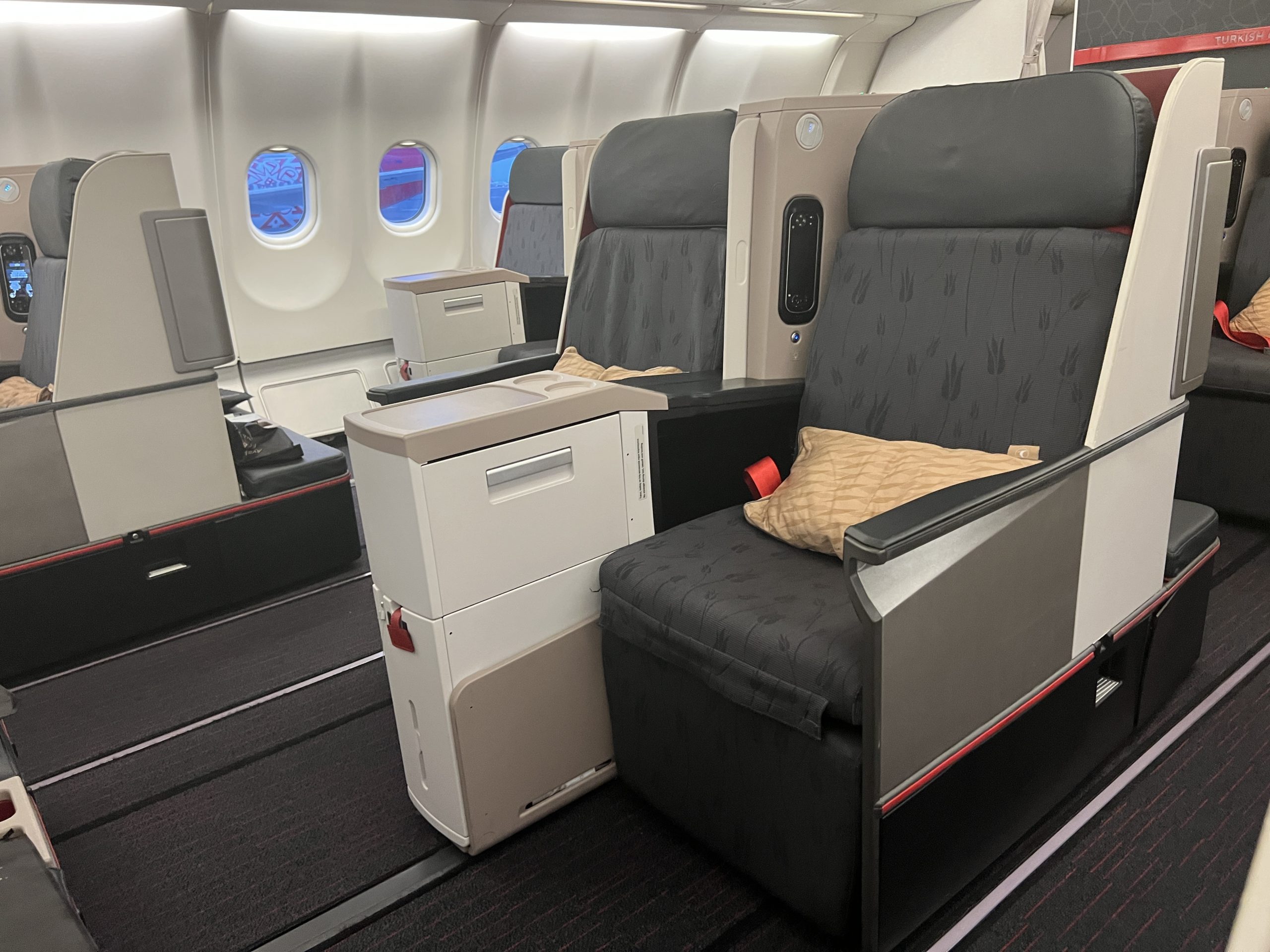
In 2026, the business class landscape on the A330-300 is divided into two main categories: the older 2-2-2 "Lie-Flat" configurations and the modern 1-2-1 "Direct Aisle Access" suites. Your "best seat" choice depends entirely on which layout the airline uses.
The 1-2-1 Reverse Herringbone or Staggered Layout
Airlines like Cathay Pacific, Delta, and Qatar Airways often utilize a 1-2-1 configuration. In these cabins, every seat has direct access to the aisle.
- The Best for Solo Travelers: Window seats (usually labeled 'A' or 'K') are the gold standard. They face toward the window and away from the aisle, providing excellent privacy.
- The Best for Couples: The center "honeymoon" seats are ideal. These are two seats positioned close together in the center section. However, in 2026, many of these include a retractable privacy divider if you end up sitting next to a stranger.
- Rows to Avoid: Generally, the very first row and the very last row of the business cabin should be avoided. The front row is close to the forward galley and lavatory, where light and noise from the crew can be disruptive. The last row often borders the Economy or Premium Economy cabin, where the noise from a larger number of passengers—and sometimes the "bassinet" row—can bleed through the curtain.
The 2-2-2 Configuration
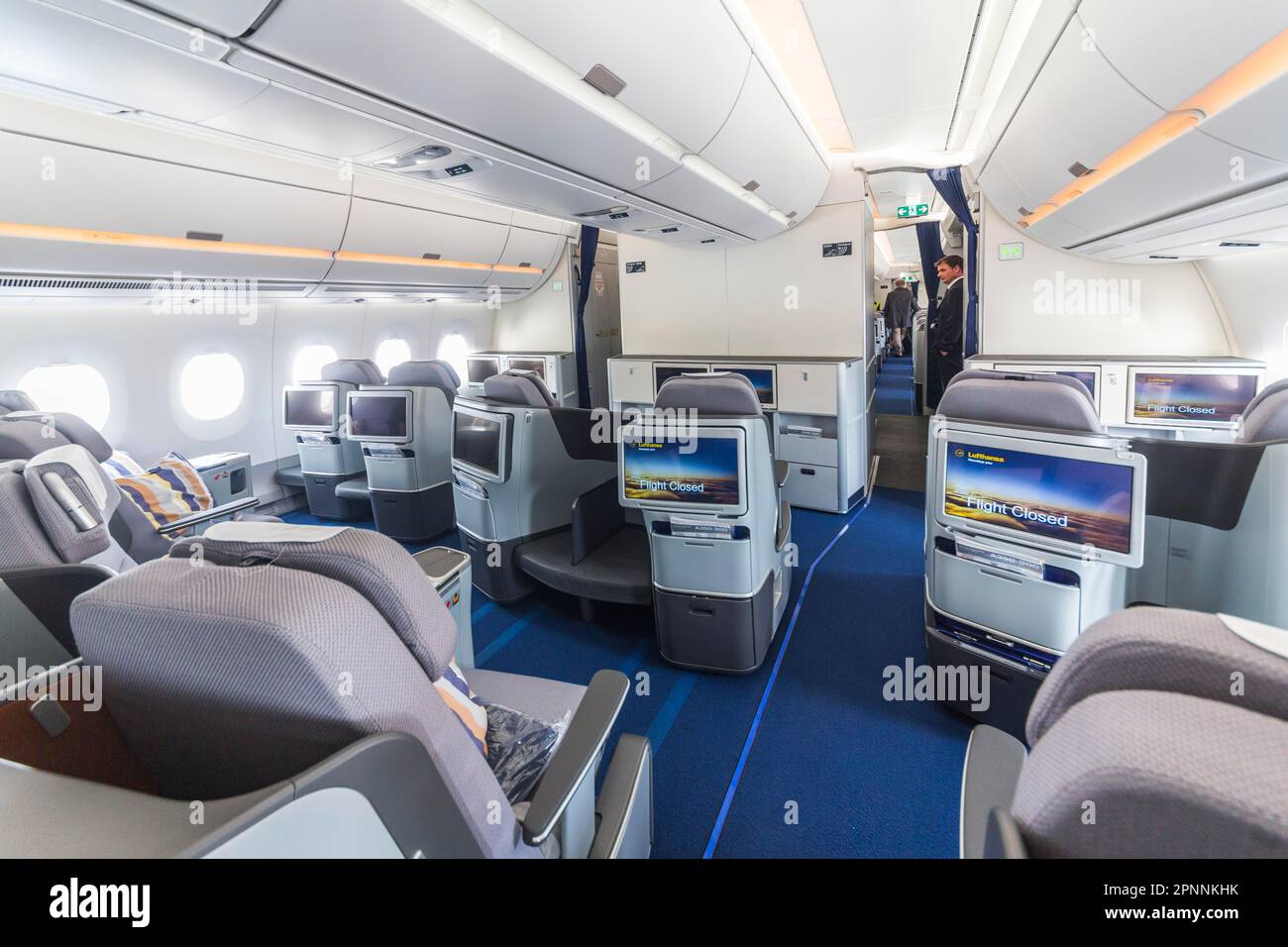
Some leisure-oriented airlines or regional carriers still operate the A330-300 with a 2-2-2 business class layout.
- The Strategy: If you are traveling alone, the center pair of seats is actually the best choice. Why? Because neither passenger is "trapped." Both have direct aisle access. If you take a window seat in a 2-2-2 layout, you will have to step over your neighbor's legs if they are in the lie-flat position.
Premium Economy: The Middle Ground
Premium Economy has become a standard feature on many A330-300s by 2026. These cabins usually feature a 2-3-2 layout, offering wider seats and more legroom (typically 38 inches of pitch compared to 31-32 in economy).
- Bulkhead Seats in Premium Economy: These are the seats in the very first row of the section. They offer unmatched knee room, as there is no seat in front of you to recline into your space. However, be aware that the IFE screens are often stowed in the armrest, making the armrests fixed and slightly reducing the seat width.
- Middle Seats: In a 2-3-2 layout, the "E" seat (the middle of the center three) is the one to avoid. You lose the primary benefit of the A330's spaciousness by being flanked on both sides.
Economy Class: Finding the "Sweet Spots"
For most travelers, the goal is to find an economy seat that offers extra legroom or a quieter environment without paying for a full upgrade.
The Exit Rows (Rows 29-30, varies by airline)
Exit rows are the most sought-after seats in the economy cabin because they offer near-infinite legroom. On the A330-300, these are typically located at the mid-cabin doors.
- Pros: You can stretch your legs fully and get up without disturbing anyone.
- Cons: The "cold door" effect. The proximity to the emergency exit door can make these seats significantly colder during flight due to less insulation around the door frame. Additionally, these seats are often near the lavatories, leading to passengers hovering in your personal space while waiting.
- Fixed Armrests: Because the tray tables are stored in the armrests, these seats are slightly narrower than standard seats.
The Bulkhead Rows
These are the seats directly behind a wall or curtain dividing cabins.
- The Bassinet Factor: Bulkhead rows are where airlines place infant bassinets. If you are not traveling with a baby, you run a high risk of being seated next to a crying infant.
- Legroom vs. Footroom: While you have plenty of space for your knees, you cannot stretch your feet out under a seat in front of you. For tall passengers, this can actually be less comfortable than a standard seat.
The "Duo" Seats at the Rear
As the Airbus A330-300 fuselage narrows toward the tail, the 2-4-2 configuration often transitions into a 2-3-2 or even just pairs of seats on the sides with a wider aisle.
- Why they are great: In the last 3-5 rows, you might find seats where the window seat is not actually flush against the wall. This provides extra shoulder room. These "pair" seats are perfect for travelers who want to be tucked away.
- The Trade-off: Being at the very back means you are the last off the plane, which can be a problem for tight connections. Furthermore, these seats are closest to the rear galley and the most active lavatories.
Seats to Avoid: The "Blacklist"
Not all seats on the A330-300 are created equal. Some should be avoided at all costs if you value comfort or a view.
- Missing Window Seats: On many A330-300 configurations, certain rows (often around the wing or the back of the first economy cabin) are missing a window due to the placement of air conditioning risers. Checking a seat map for "misaligned windows" is crucial.
- Last Row of Any Cabin: These seats often have restricted recline because of the wall behind them. They are also high-traffic areas for passengers and crew.
- Seats Near the Wing (for photographers): If you enjoy taking photos, avoid rows roughly between 15 and 30. The massive wing of the A330-300 will block most of your view of the ground.
- Seats Directly Behind Lavatories: Beyond the smell and noise, the constant "flush" sound and the light from the door opening/closing can make sleeping nearly impossible.
Comparing Seat Specifications on the A330-300
The following table outlines the typical dimensions and features you can expect across different cabin classes on a standard-configured A330-300 in 2026.
| Feature | Business Class (1-2-1) | Premium Economy (2-3-2) | Economy Class (2-4-2) |
|---|---|---|---|
| Seat Pitch | 75–80 inches (Bed Length) | 38 inches | 31–32 inches |
| Seat Width | 20–22 inches | 18.5–19 inches | 17.5–18 inches |
| Recline | 180° (Full Flat) | 8 inches | 5–6 inches |
| IFE Screen Size | 15–18 inches | 12–13 inches | 10–11 inches |
| Power Outlets | AC + USB-C + Wireless | AC + USB-C | USB-C (Shared AC) |
| Best For | Sleep & Privacy | Extra Work Space | Value for Couples |
Technical Factors Influencing Comfort
The A330-300 is a "metal" aircraft, meaning its cabin is pressurized to a higher altitude (typically 7,000 to 8,000 feet) compared to carbon-fiber aircraft like the A350 (6,000 feet). This can lead to increased fatigue and dryness.
To mitigate this, choose seats in the forward half of the aircraft. The air in an aircraft cabin generally flows from front to back, and the forward sections tend to be slightly more humid and quieter. The Rolls-Royce Trent 700 engines, while reliable, are loudest when you are seated directly over or just behind the wing. For the quietest possible flight, aim for rows ahead of the engines.
Airline-Specific Best Seats for 2026
- Delta Air Lines: Delta has upgraded many A330-300s with the "Delta One" suites. In Economy, their "Comfort+" seats (rows 10-14 usually) offer 3-4 extra inches of legroom and are the best value on the plane.
- Cathay Pacific: Known for their excellent reverse-herringbone business class. In economy, their seats feature a unique "cradle" recline that doesn't intrude as much into the space of the person behind you.
- Lufthansa: Often uses a 2-2-2 business class. If flying solo, always aim for the center block (Seats D and G) to ensure you have aisle access without being disturbed.
- Turkish Airlines: Many of their A330s have a very generous economy pitch. Their "best" seats are the exit rows in Row 29, which offer massive amounts of space.
FAQ
What is the quietest seat on an Airbus A330-300? The quietest seats are located in the very front of the Business Class cabin. Because the engines are mounted under the wings, the noise travels backward. By sitting as far forward as possible, you stay ahead of the "acoustic cone" of the engine noise. In Economy, the rows furthest forward (usually right behind the Business or Premium Economy divider) are the quietest.
Do all A330-300 seats have power outlets in 2026? Almost all major international airlines have retrofitted their A330-300 fleets by 2026. You can expect USB-C ports at every seat in Economy. Business and Premium Economy usually offer universal AC power outlets as well. However, some smaller regional carriers may still lack individual power in Economy, so carrying a portable power bank is recommended for those flights.
Which seats have the most legroom in Economy without an extra fee? This is becoming rarer as airlines "monetize" every inch of space. However, the best chance for "free" extra legroom is the very last row where the cabin narrows. Sometimes, the space between the seat and the window is so large you can store a small bag there (though usually not during takeoff/landing) or stretch your legs at an angle.
Is the Airbus A330-300 better than the Boeing 787 for Economy? Many frequent flyers prefer the A330-300 over the Boeing 787 for economy class. The A330's 2-4-2 layout allows for 18-inch wide seats. Most airlines configure the 787 Dreamliner in a 3-3-3 layout, which results in narrower 17-inch seats. While the 787 has better cabin pressure and humidity, the A330-300 often wins on pure seat width and the convenience of the 2-abreast pairs.
Are the bulkhead seats better for tall people? It depends. While bulkhead seats offer excellent knee room, they have a solid wall in front of them. This means you cannot stretch your feet out under the seat in front of you. For very tall passengers (over 6'2"), a standard seat with "under-seat" footroom might actually be more comfortable for long-term stretching than a bulkhead seat.
Final Recommendation
Before booking your seat on an Airbus A330-300, always verify the specific tail number or configuration on a site like SeatGuru or AeroLOPA. Because this aircraft has been in production for decades, the difference between a "classic" interior and a "2026 refurbished" interior is massive.
If you are traveling as a couple, prioritize the A-C or H-K pairs in the rear half of the plane for maximum privacy. If you are a solo traveler in Business Class, always opt for a window seat in a 1-2-1 configuration to ensure you aren't disturbed by your neighbor's movements. Avoid the rows immediately adjacent to lavatories and galleys to ensure the best possible rest on your long-haul journey.