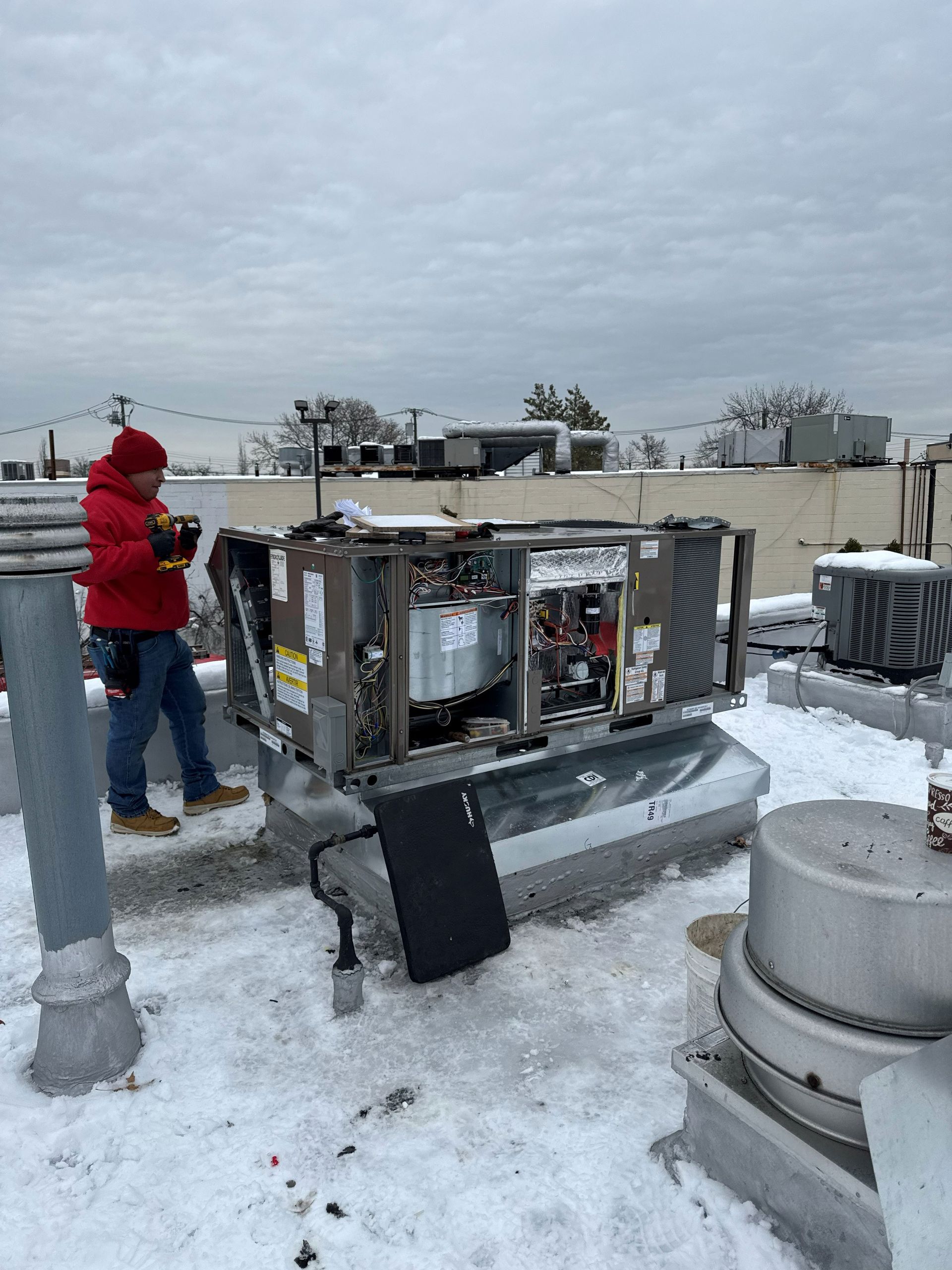
When your air conditioning system fails in Staten Island, prompt professional intervention is essential to prevent system damage and restore indoor comfort. Effective repair requires identifying the root cause of the malfunction—ranging from refrigerant leaks and electrical failures to drainage blockages—and ensuring the technician possesses local licensing, insurance, and specific familiarity with residential or commercial HVAC configurations prevalent in the borough.
Understanding the Staten Island HVAC Landscape
Staten Island presents a unique environment for HVAC systems. Its proximity to the Atlantic Ocean and the Kill Van Kull means that air conditioning units are frequently exposed to high humidity and salt air, which can accelerate the corrosion of condenser coils and outdoor electrical components. As of 2026, homeowners and business owners must navigate a market that prioritizes energy-efficient technology, such as high-SEER2 (Seasonal Energy Efficiency Ratio) heat pumps and ductless mini-split systems.
When seeking repair services, it is critical to recognize that Staten Island is part of the New York City jurisdiction. This means that contractors must hold proper credentials, and major repairs or installations may require specific permits. Understanding these local nuances ensures that the repair you receive is not only functional but also compliant with regional building codes and safety standards.
Identifying Common Air Conditioning Failures
Before calling a technician, it is helpful to categorize the symptoms your system is displaying. Most common air conditioning issues fall into a few distinct technical buckets.
Refrigerant Leaks and Pressure Issues
If your system is blowing air that is not cold, or if you notice ice building up on the refrigerant lines, the system may be low on refrigerant (often R-410A). It is a common misconception that air conditioners "consume" refrigerant; if it is low, there is a leak that must be located and repaired. Simply adding more refrigerant without fixing the leak is a temporary, inefficient, and environmentally harmful solution.
Electrical and Capacitor Failures
The "start capacitor" is one of the most frequently replaced parts in residential AC units. This component provides the energy jolt required to start the compressor or fan motor. If you hear a humming noise but the unit does not turn on, the capacitor is a likely culprit. Over time, high temperatures and power fluctuations can cause these to wear out, requiring a professional with the right multimeter tools to test and replace them safely.
Drainage and Condensate Blockages
The humid climate of Staten Island causes significant condensation during the cooling process. This water must drain away through a condensate line. If this line becomes clogged with algae, dust, or debris, the internal float switch will trip, turning the unit off to prevent water damage to your home. Regular cleaning of this line is a vital part of preventative maintenance.
Selecting a Qualified Repair Contractor
Finding a reliable contractor in Staten Island requires more than a simple search engine result. Because HVAC repair involves high-voltage electricity and pressurized chemicals, you should verify the following credentials before allowing a technician into your home.
1. Verification of Licensing and Insurance
In New York, HVAC technicians should ideally hold professional licenses. Always ask if the company carries general liability and workers' compensation insurance. This protects you from financial liability in the event of an injury or property damage during the repair process.
2. Manufacturer Certification
If you have a high-end system (e.g., Trane, Carrier, Mitsubishi, or Daikin), look for contractors who are "factory-authorized" or "certified" for that specific brand. These technicians have undergone manufacturer-specific training and typically have access to original, warrantied parts rather than generic substitutes.
3. Transparent Pricing Models
Reputable companies in Staten Island generally utilize a flat-rate pricing guide rather than an open-ended hourly model. They should be able to provide an estimate after a diagnostic fee is paid. Avoid contractors who provide "guesstimates" over the phone without seeing the system firsthand.
Comparison of Common Repair Services
When engaging a service provider, understanding the service levels can help you manage expectations regarding cost and timeline.
| Service Type | Scope of Work | Typical Turnaround |
|---|---|---|
| Emergency Repair | Immediate response for total system failure (e.g., during a heatwave) | 4–12 hours |
| Diagnostic Visit | Testing electrical, mechanical, and airflow parameters | Same or next day |
| Annual Maintenance | Cleaning coils, checking pressure, tightening connections | Scheduled weeks in advance |
| Component Replacement | Replacing fans, motors, or capacitors | Same day (if part is in stock) |
The Role of Preventative Maintenance
The most effective way to avoid expensive emergency repairs is a consistent maintenance schedule. By 2026, many homeowners in Staten Island are shifting toward membership-based service plans. These programs typically include two annual visits: one in the spring to prepare the system for the summer cooling load, and one in the fall for heating.
During these visits, the technician should perform:
- Coil Cleaning: Removing salt and dust accumulation to maximize heat exchange efficiency.
- Filter Inspection: Verifying the appropriate MERV rating for your system to maintain airflow.
- Electrical Tightening: Ensuring all connections are secure to prevent arcing and fires.
- Performance Testing: Comparing current operating temperatures against the manufacturer’s design specifications.
Troubleshooting Your System Before Calling
Sometimes, a perceived failure is simply a user error or a minor maintenance issue that you can resolve yourself. Before placing an emergency call, perform the following steps to avoid unnecessary service fees:
- Check the Thermostat: Ensure the thermostat is set to "Cool" and the temperature is set at least five degrees lower than the current room temperature. Check that the batteries in the thermostat are not dead.
- Examine the Circuit Breaker: Check your home's electrical panel. If the AC breaker has tripped, flip it off and then back on once. If it trips again immediately, do not force it—this indicates a serious electrical short that requires a professional.
- Inspect the Air Filter: A heavily clogged filter can cause the unit to freeze up or shut down due to restricted airflow. If the filter is visibly gray or dusty, replace it before assuming the system is broken.
- Clear the Exterior Unit: Ensure that shrubs, debris, or patio furniture are at least two feet away from the outdoor condenser unit. Obstructions restrict airflow and force the compressor to work harder, leading to overheating.
Frequently Asked Questions
How much does a typical AC repair cost in Staten Island? Diagnostic fees generally range between $100 and $250, depending on the company. The total repair cost varies wildly based on whether the issue is a minor capacitor replacement or a major compressor failure. Always request an itemized estimate after the diagnostic is complete.
Are there specific regulations for AC units in Staten Island? Yes, all work must adhere to the New York City Mechanical Code. If you are replacing an outdoor unit or installing a new system, be aware that there are strict noise ordinance requirements and zoning laws regarding the placement of units to avoid disturbing neighbors.
What should I do if my AC is leaking water? Turn the system off immediately to prevent water damage to your flooring or ceiling. The leak is usually caused by a blocked drain line. You can try to clear the line with a wet/dry shop vacuum, but if the leak persists, call a professional to prevent mold growth.
How often should I replace my air filter? In Staten Island, where humidity and dust can vary by neighborhood, checking your filter once a month is standard. In most homes, replacing the filter every three months is sufficient, but if you have pets or suffer from allergies, you may need to replace it more frequently.
Is it better to repair or replace an old unit? If your AC unit is more than 10–12 years old and requires a repair costing more than 30% of the value of a new unit, replacement is often more cost-effective. Modern units are significantly more efficient, which can lead to lower monthly utility bills that offset the replacement cost over time.
Next Steps for Immediate Assistance
If your air conditioning system is currently non-operational, your priority is to mitigate further damage. If the system is making loud grinding noises, emitting a burning smell, or sparking, turn off the power at the circuit breaker and contact a licensed HVAC contractor immediately. Do not attempt to bypass internal safety switches. For non-emergency issues, document the behavior of the unit—such as whether the indoor fan turns on but the outdoor unit does not—as this information helps the technician prepare the correct parts for the service call, potentially saving you time and money.