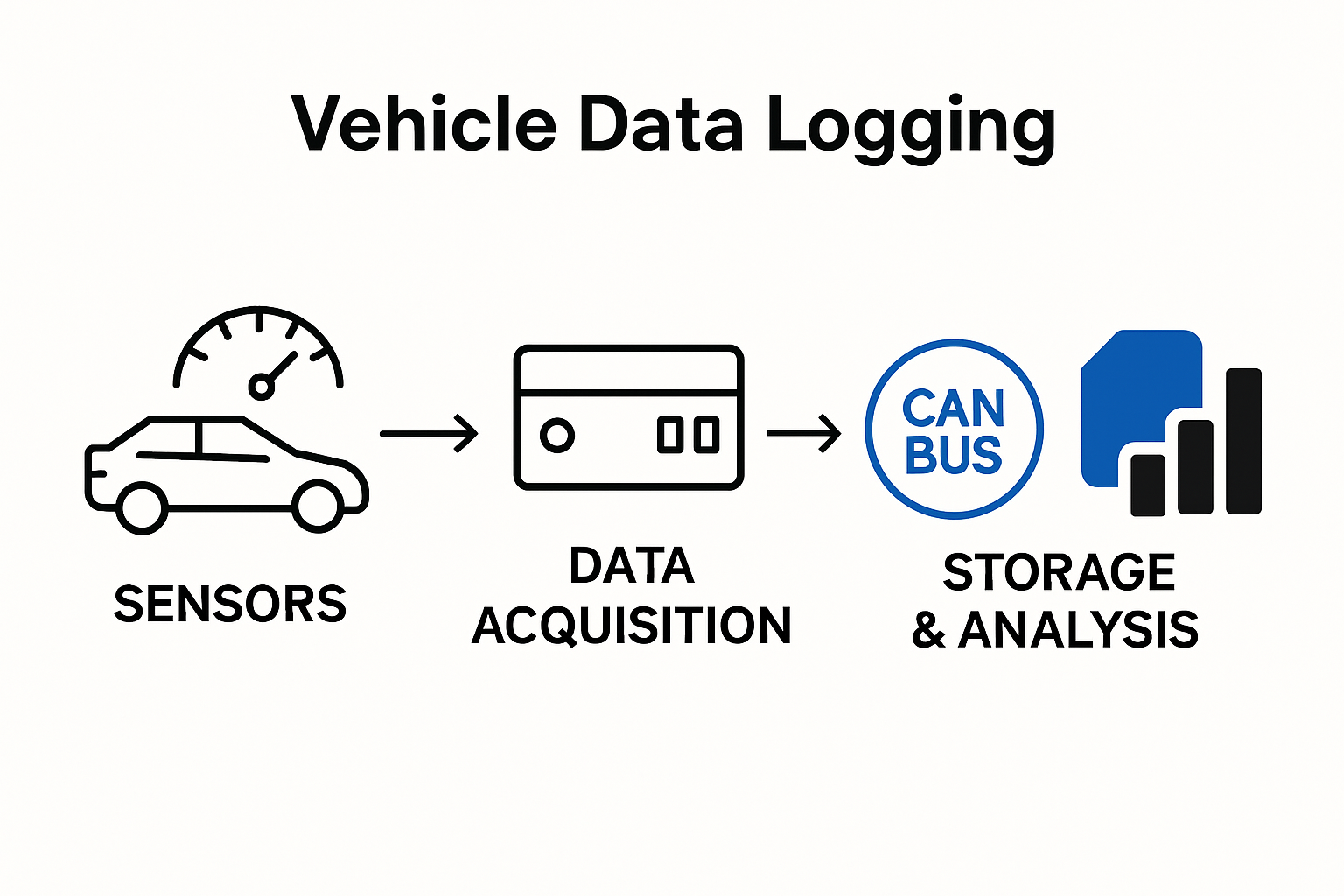
AgData and automotive data collection represent the intersection of agriculture technology, connected vehicles, and specialized telematics networks that aggregate, process, and monetize machine data. This ecosystem encompasses how modern farm machinery, heavy commercial vehicles, and agricultural logistics fleets gather operational metrics, telemetry, and agronomic insights to optimize performance, lower maintenance costs, and inform broader industrial supply chains.
The Foundations of Automotive Data Collection in Agriculture
Automotive data collection in the agricultural sector relies on a dense network of embedded electronic control units (ECUs), Global Positioning System (GPS) receivers, implement sensors, and wireless telematics gateways. Modern agricultural machinery—such as combines, self-propelled sprayers, and high-horsepower tractors—functions essentially as specialized heavy automotive platforms. These machines continuously monitor engine parameters, hydraulic pressures, fuel consumption rates, operational speeds, and implement-specific variables like seed-drop counts or fertilizer application rates.
Data collection mechanisms typically capture two distinct categories of information: machine health telemetry and operational agronomic data. Machine health telemetry mirrors the predictive maintenance protocols found in traditional commercial vehicle fleets, tracking engine temperatures, oil degradation, transmission stress, and diagnostic trouble codes (DTCs). Operational agronomic data, conversely, records field-specific performance metrics, including yield monitor readouts, soil compaction indicators, pass-to-pass accuracy lines, and variable-rate application logs.
Organizations like AgData operate within this space to bridge the gap between raw machine-generated telemetry and actionable business intelligence. By aggregating inputs from various Original Equipment Manufacturer (OEM) proprietary platforms—such as John Deere Operations Center, Climate FieldView, or Case IH Advanced Farming Systems (AFS)—these specialized data environments normalize disparate data streams into standardized formats. This consolidation allows enterprise agricultural operations, input manufacturers, and insurance providers to analyze performance across multi-brand equipment fleets without wrestling with proprietary data silos.
Core Architecture and Data Pipelines
The journey of automotive data in agriculture from a physical sensor to a cloud-based dashboard involves a sophisticated multi-tier pipeline. Understanding this architecture is essential for fleet managers and data administrators seeking to secure their systems and maximize throughput.
- On-Board Sensors & ECUs
- Machine Telematics Gateway (TCU)
- Cellular / Satellite Transmission
- Cloud Ingestion & Normalization Engine
- Analytics & Enterprise Integration APIs
1. On-Board Capture and Edge Processing
Sensors distributed throughout the chassis, engine bay, and implements capture continuous analog and digital signals. An on-board Telematics Control Unit (TCU) or edge-computing module samples these signals, performs preliminary filtering to eliminate noise, and packages the data into structured payloads. Edge processing minimizes bandwidth consumption by transmitting only critical diagnostic exceptions in real-time while buffering granular high-frequency logs for bulk transmission.
2. Wireless Transmission Protocols
Once buffered, the telematics gateway transmits data over cellular networks (4G LTE and 5G) when available. In remote agricultural regions with limited cellular coverage, systems rely on satellite communication links or store-and-forward methodologies where data is cached locally on ruggedized solid-state drives until the vehicle returns to a farm headquarters Wi-Fi network or stable coverage zone.
3. Cloud Ingestion and Normalization
Raw payloads arrive at cloud-hosted ingestion endpoints, where ingestion services authenticate the transmitting device, validate payload integrity, and route the data to transformation engines. Because different OEMs utilize proprietary data schemas and CAN bus (Controller Area Network) message identifiers, normalization engines translate proprietary hexadecimal codes into readable parameters—converting engine load percentages and spatial coordinates into standardized formats like ISOXML or JSON.
Comparison of Agricultural Telematics Data Streams
| Data Stream Category | Primary Parameters Captured | Core Business Use Case | Typical Update Frequency |
|---|---|---|---|
| Machine Diagnostics | DTCs, fuel burn rate, coolant temp, battery voltage | Predictive maintenance, reducing unplanned downtime | Real-time / 1-minute intervals |
| Positional Telematics | Latitude, longitude, heading, ground speed, idle time | Fleet tracking, routing optimization, security tracking | 5-to-15 second intervals |
| Agronomic Execution | Applied rates, yield mass flow, moisture content, pass lines | Variable-rate prescription validation, yield mapping | High-frequency / 1-second intervals |
| Environmental Context | Ambient temperature, wind speed, relative humidity | Spray drift management, regulatory compliance logging | Variable / 5-minute intervals |
Privacy, Ownership, and Security Considerations
The collection and aggregation of agricultural and automotive data raise complex questions regarding data ownership, privacy, and cybersecurity vulnerabilities. Unlike standard consumer automotive data, which primarily concerns driver behavior and vehicle health, agricultural data encompasses proprietary business intelligence, including exact yield outputs, land productivity ratings, and detailed financial inputs regarding seed and chemical applications.
Farmers and agricultural enterprises frequently grapple with "right to repair" legislation and data ownership agreements embedded within machinery purchase contracts. When a connected tractor uploads telemetry to a manufacturer cloud, questions arise regarding who holds secondary ownership rights to that aggregated dataset. Independent data aggregators and service providers often require explicit consent frameworks to pool anonymized machine performance metrics for benchmark reporting or product development.
Security protocols must guard against unauthorized access and remote manipulation. Agricultural machinery operates on interconnected CAN bus networks that historically lacked robust encryption standards. Securing these pathways requires implementing cryptographic authentication for all over-the-air (OTA) firmware updates, segmenting telematics units from critical safety-critical braking and steering systems, and enforcing strict role-based access control (RBAC) across cloud-based data repositories.
Practical Applications and Enterprise Benefits
The systematic collection and analysis of automotive and operational data in agriculture yield tangible operational efficiencies. Fleet managers leverage predictive maintenance algorithms to identify failing components—such as a degrading hydraulic pump or a clogged diesel particulate filter—weeks before a catastrophic breakdown occurs during peak harvest seasons. This proactive intervention prevents costly field delays and reduces premium overnight parts shipping fees.
Furthermore, integrating telematics data with enterprise resource planning (ERP) software streamlines supply chain logistics. Grain cart operators, semi-truck transport fleets, and agricultural input distributors can view real-time machinery locations and bin capacity levels, optimizing dispatch schedules and minimizing idle waiting times at the edge of the field. Input manufacturers utilize aggregated, anonymized usage data to refine product formulations, tailoring chemical effectiveness ratings and seed hybrid performance metrics to specific regional soil types and climatic conditions.
Frequently Asked Questions
What types of data are collected from modern agricultural vehicles?
Modern agricultural machinery collects machine health telemetry (engine diagnostics, fuel consumption, temperatures), positional data (GPS coordinates, route history, idle time), and agronomic execution metrics (yield monitor readouts, seed drop rates, spray application volumes).
Who legally owns the data generated by a connected tractor?
Data ownership is typically governed by the purchase or lease agreement between the farmer and the equipment manufacturer. While farmers generally own the raw data generated by their operations, manufacturers often secure rights to collect anonymized diagnostic and performance telemetry to improve their equipment and software systems.
How is agricultural telematics data transmitted from remote fields?
Data is transmitted primarily via cellular networks (4G/5G). In remote areas lacking cellular coverage, TCUs utilize satellite links or local caching mechanisms that store data until the machine connects to Wi-Fi at a central farm facility.
Can third-party platforms access OEM-locked agricultural data?
Yes, through standardized API integrations, data-sharing agreements, and third-party clearinghouses like the Ag Data Transparent (ADT) certification framework, farmers can authorize third-party software providers to ingest and analyze their multi-brand equipment data.
What are the primary cybersecurity risks in connected agricultural machinery?
Primary risks include unauthorized remote access to machine control networks, interception of telemetry data streams during transmission, and vulnerabilities within third-party cloud analytics platforms that could expose proprietary operational metrics.
Conclusion and Next Actions
Mastering agdata and automotive data collection requires balancing technological capability with rigorous data governance. Agricultural enterprises and fleet managers should audit their existing equipment inventory to identify telematics capabilities, review manufacturer data-sharing agreements to ensure compliance with privacy preferences, and implement secure API protocols when integrating multi-brand data into centralized farm management software. Establishing clear internal protocols for data access and security will safeguard sensitive operational intelligence while maximizing the financial and logistical benefits of connected machine ecosystems.