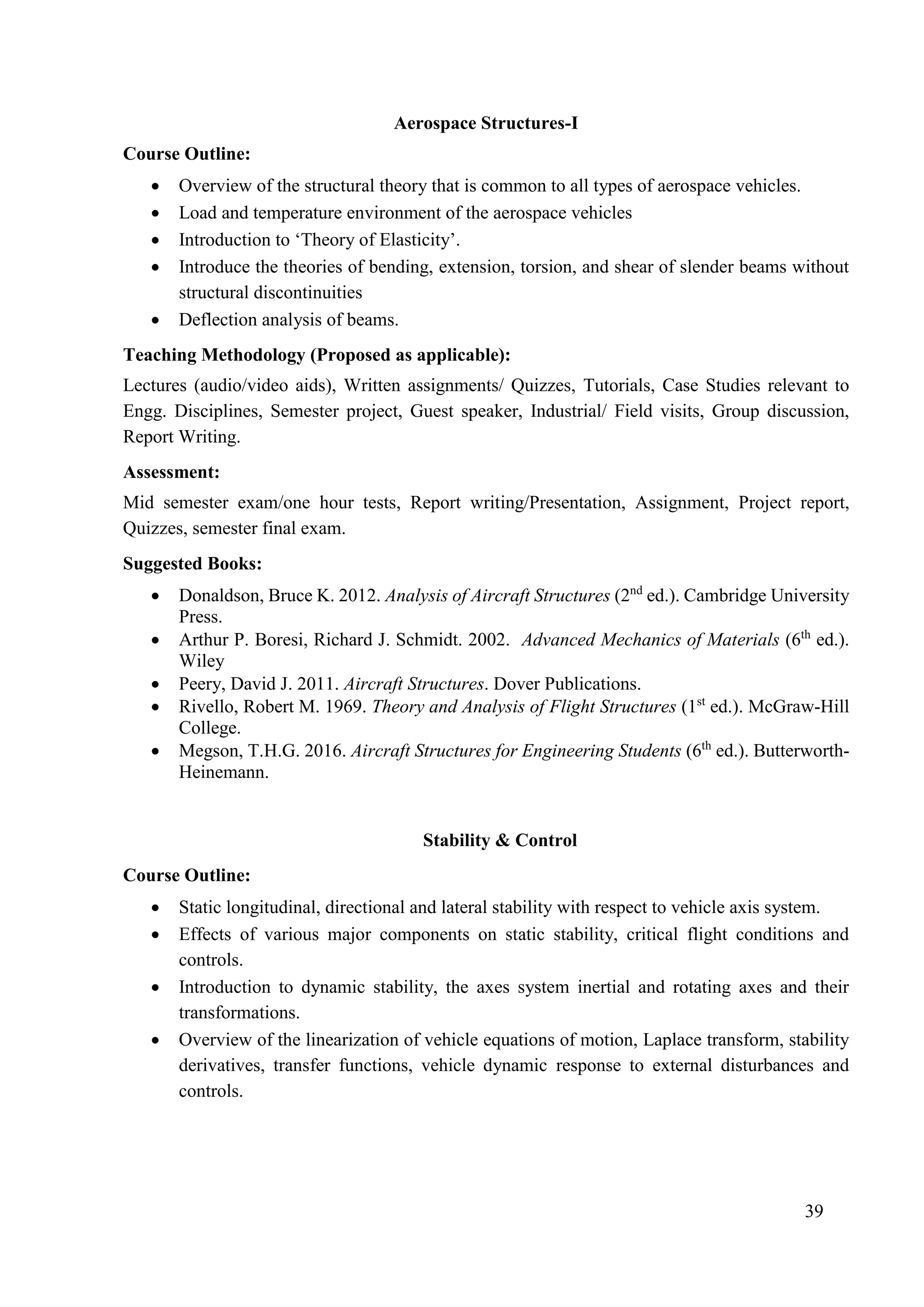
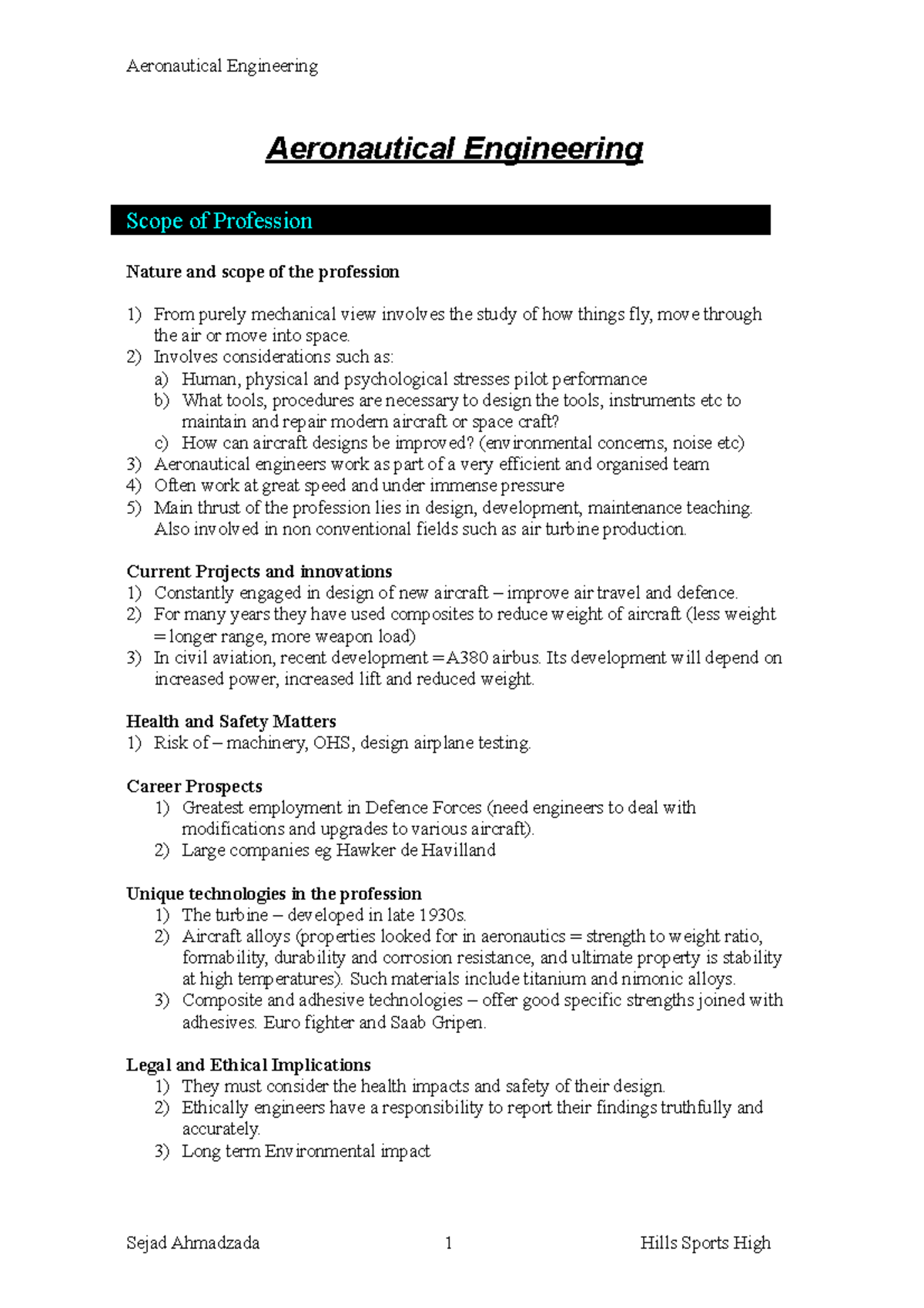
An aerospace engineering study overview encompasses the rigorous academic exploration of aircraft and spacecraft design, propulsion systems, aerodynamics, and structural mechanics, preparing students to solve complex challenges in atmospheric and space flight environments through mathematics, physics, and advanced computational modeling.
Introduction to Aerospace Engineering Education
Aerospace engineering is one of the most intellectually demanding and technologically vital disciplines in modern higher education. Students entering this field embark on a journey that bridges classical Newtonian physics with cutting-edge supersonic fluid dynamics, materials science, and orbital mechanics. Whether a student is drawn to commercial aviation, defense technology, or deep-space exploration, an academic program in aerospace engineering provides the theoretical foundation and practical skills necessary to design, test, and manufacture vehicles that operate within Earth's atmosphere and beyond.
The primary intent of an aerospace engineering study overview is to demystify the curriculum, clarify the core technical branches, and outline the academic and professional trajectories available to prospective students. Because the field is broad and highly specialized, navigating degree requirements, laboratory expectations, and industry standards requires a structured approach. This guide examines the fundamental pillars of aerospace study, the differences between atmospheric and space disciplines, standard degree requirements, career outcomes, and strategic advice for academic success.
Core Branches of Aerospace Study
An aerospace engineering curriculum is typically split into two primary, highly interconnected domains: aeronautical engineering and astronautical engineering. While both share a foundation in mathematics, physics, and basic engineering principles, they diverge significantly based on the operational environment of the vehicles being designed.
Aeronautical Engineering
Aeronautical engineering focuses specifically on vehicles that operate within Earth's atmosphere. Students concentrating in this branch study the behavior of air as it interacts with solid objects, a subfield known as aerodynamics. Key areas of study include:
- Subsonic and Supersonic Aerodynamics: Analyzing lift, drag, pressure distributions, and boundary layer behaviors across various flight regimes.
- Flight Mechanics and Control: Determining how aircraft respond to control inputs, stability augmentation systems, and autopilot algorithms.
- Aircraft Structures: Designing lightweight, durable airframes capable of withstanding extreme aerodynamic loads, thermal expansion, and fatigue.
- Propulsion Systems: Examining jet engines, turbofans, turboprops, and piston engines, focusing on thermodynamics, combustion efficiency, and thrust generation.
Astronautical Engineering
Astronautical engineering shifts the operational focus to spacecraft that operate outside Earth's atmosphere, entering near-Earth orbit or deep space. This branch requires a heavy emphasis on orbital dynamics, vacuum physics, and harsh thermal environments. Key areas of study include:
- Orbital Mechanics (Astrodynamics): Calculating trajectories, launch windows, orbital transfers (such as Hohmann transfers), and satellite constellations using Keplerian laws and perturbation theory.
- Spacecraft Environment and Interactions: Studying solar radiation, micrometeoroids, atomic oxygen, and plasma environments that degrade spacecraft materials.
- Rocket Propulsion: Analyzing liquid-propellant, solid-propellant, and ion propulsion systems, focusing on specific impulse, nozzle expansion ratios, and staging mechanics.
- Attitude Determination and Control Systems (ADCS): Utilizing reaction wheels, thrusters, and star trackers to orient spacecraft precisely in zero gravity.
Undergraduate Curriculum and Academic Progression
A standard Bachelor of Science (B.S.) in aerospace engineering typically spans four years (or five years in cooperative education programs that incorporate professional internships). The curriculum follows a traditional engineering education arc, moving from foundational sciences to specialized design projects.
Year One and Two: Foundations
The initial semesters are designed to build a rock-solid mathematical and physical baseline. Students cannot tackle advanced flight mechanics without first mastering calculus and differential equations.
- Mathematics: Single and multivariable calculus, linear algebra, ordinary and partial differential equations.
- Basic Sciences: University physics (mechanics, electricity, and magnetism, thermodynamics), general chemistry, and introductory computer science (typically MATLAB, Python, or C++).
- Core Engineering Science: Statics, dynamics, mechanics of materials (solid mechanics), and introductory thermodynamics.
Year Three: Advanced Core Disciplines
By the third year, students transition into discipline-specific courses that form the backbone of aerospace engineering.
- Fluid Mechanics: Control volume analysis, continuity equations, Navier-Stokes equations, and compressible flow (shock waves, expansion fans).
- Aerodynamics: Airfoil and wing theory (finite wing theory, panel methods), wind tunnel testing methodologies.
- Structural Analysis: Matrix structural analysis, finite element method (FEM) introductions, buckling, and aeroelasticity (the interaction between aerodynamic forces and structural flexibility).
- Control Systems: Classical control theory, Laplace transforms, Bode plots, stability margins, and feedback loop design.
Year Four: Capstone Design and Electives
The culmination of an aerospace engineering degree is the capstone design project, where students work in teams to conceptualize, design, analyze, and sometimes build and test a physical aerospace system (such as a CubeSat, uncrewed aerial vehicle, or rocket stage) to meet a specific set of operational requirements.
| Academic Year | Primary Focus Areas | Key Technical Tools & Methods |
|---|---|---|
| Freshman (Years 1) | Calculus, Physics, General Chemistry | Basic Programming (MATLAB), Graphing Calculators |
| Sophomore (Year 2) | Statics, Dynamics, Thermodynamics, Mechanics of Materials | CAD Software (SolidWorks, CATIA), Numerical Methods |
| Junior (Year 3) | Fluid Dynamics, Aerodynamics, Control Systems, Structures | Computational Fluid Dynamics (CFD), Wind Tunnels, FEM |
| Senior (Year 4) | Capstone Design, Advanced Technical Electives | Systems Engineering, Hardware-in-the-Loop Testing |
Laboratory Work and Computational Tools
Aerospace engineering is an empirical as well as theoretical discipline. Academic programs integrate rigorous laboratory components to validate theoretical calculations through physical experimentation and digital simulation.
Experimental Laboratories
Students regularly utilize specialized engineering laboratories to observe physical phenomena firsthand. Wind tunnel laboratories allow students to measure lift and drag coefficients on scale models using pressure taps, load balances, and smoke visualization. Propulsion labs provide hands-on experience with small jet or rocket test stands, measuring thrust output, exhaust velocity, and fuel consumption under controlled conditions. Structures labs subject coupons of composite materials and aerospace alloys to tensile, compressive, and torsional loads to determine yield strengths and failure modes.
Computational Engineering Tools
Modern aerospace engineers rely heavily on sophisticated software suites. Proficiency in these tools is a standard expectation for graduates entering the workforce:
- Computer-Aided Design (CAD): Used for 3D modeling of components, assemblies, and complete vehicle configurations.
- Computational Fluid Dynamics (CFD): Software packages such as ANSYS Fluent or OpenFOAM allow students to simulate fluid flow, pressure fields, and thermal transfer around complex geometries without physical wind tunnel constraints.
- Finite Element Analysis (FEA): Used to stress-test virtual structures, identifying high-stress concentration areas and optimizing weight distribution.
Graduate Studies: Master’s and Ph.D. Pathways
While a bachelor's degree qualifies graduates for many entry-level engineering positions, complex research, specialized design, and academic careers often require graduate education.
Master of Science (M.S.)
An M.S. in aerospace engineering can be pursued via two main tracks: coursework-only or thesis-based.
- Coursework Track: Ideal for working professionals or those wishing to deepen their technical knowledge in specific areas such as hypersonics, composite materials, or guidance systems without committing to original research.
- Thesis Track: Requires original research conducted under faculty supervision, culminating in a defense. This track is heavily recommended for students considering a transition to a Ph.D. or research-and-development (R&D) intensive roles.
Doctor of Philosophy (Ph.D.)
A Ph.D. is an intensive research degree focused on pushing the boundaries of human knowledge in a hyper-specific subfield, such as plasma thruster physics, hypersonic boundary-layer transition, or advanced space propulsion. Doctoral candidates spend years conducting original research, publishing peer-reviewed papers in academic journals, and defending a comprehensive dissertation.
Career Paths and Industry Sectors
Graduates of aerospace engineering programs enter a diverse and globally significant job market. The skills acquired—ranging from rigorous problem-solving to advanced mathematical modeling—are valued across multiple high-tech industries.
- Commercial Aviation: Designing fuel-efficient commercial airliners, reducing engine emissions, improving avionics, and developing electric or hybrid-electric vertical takeoff and landing (eVTOL) urban air mobility vehicles.
- Defense and Aerospace Contractors: Developing military fighter aircraft, strategic missiles, unmanned combat aerial vehicles (UCAVs), and advanced radar or guidance systems.
- Space Exploration and Commercial Spaceflight: Designing launch vehicles, reusable rockets, lunar landers, space habitats, and planetary rovers for private corporations (such as SpaceX, Blue Origin, and Northrop Grumman) and national space agencies (such as NASA, ESA, and JAXA).
- Non-Aerospace Sectors: Transferable skills often lead aerospace graduates into wind energy engineering (turbine blade design), automotive manufacturing (aerodynamic drag reduction and crash safety simulation), and biomedical engineering (fluid dynamics of artificial hearts).
Frequently Asked Questions
What high school courses are best for preparing for an aerospace engineering degree?
Prospective students should build a strong foundation in advanced mathematics—including algebra, trigonometry, and calculus—alongside rigorous coursework in physics and chemistry. Computer science courses, mechanical drawing or CAD classes, and competitive extracurriculars like robotics clubs or rocketry teams also provide a distinct advantage.
Is coding necessary for aerospace engineering students?
Yes. Programming is an indispensable tool in modern aerospace engineering. Students must be comfortable writing scripts and algorithms to analyze large datasets, automate repetitive calculations, and interface with simulation software. MATLAB and Python are standard requirements in undergraduate programs, while C++ and Fortran are frequently utilized in advanced computational research.
What is the difference between aerospace engineering and mechanical engineering?
While mechanical engineering is a broader discipline covering thermal systems, manufacturing, and general machine design, aerospace engineering is a specialized branch focused specifically on vehicles and systems that operate in flight environments (air and space). Aerospace engineers take specialized coursework in aerodynamics, orbital mechanics, compressible flow, and flight vehicle structures that mechanical engineering curricula generally do not cover in depth.
How important is hands-on project experience during my studies?
Extremely important. Employers in the aerospace sector place a high value on practical experience outside the traditional classroom. Participation in collegiate design competitions—such as design-build-fly teams, Formula SAE, or student rocket launch initiatives—demonstrates teamwork, project management, and a practical understanding of engineering constraints that a GPA alone cannot convey.
Can international students study aerospace engineering in major aerospace nations?
Yes, though certain countries and institutions implement restrictions on international student enrollment in specific defense-related or space-sensitive research laboratories due to export control regulations (such as ITAR in the United States). Prospective international students should thoroughly review institutional policies and citizenship requirements for research grants and specialized coursework before applying.
Strategic Next Actions for Prospective Students
For individuals planning to enter the field of aerospace engineering, preparation should begin early. Review the specific ABET-accredited (or equivalent regional body) curriculum requirements for target universities. Strengthen mathematical and computational competencies through online courses or independent study. Finally, engage with practical projects, such as building model rockets, participating in coding bootcamps, or joining local engineering hobbyist clubs, to ensure a smooth transition into this dynamic and challenging academic pursuit.