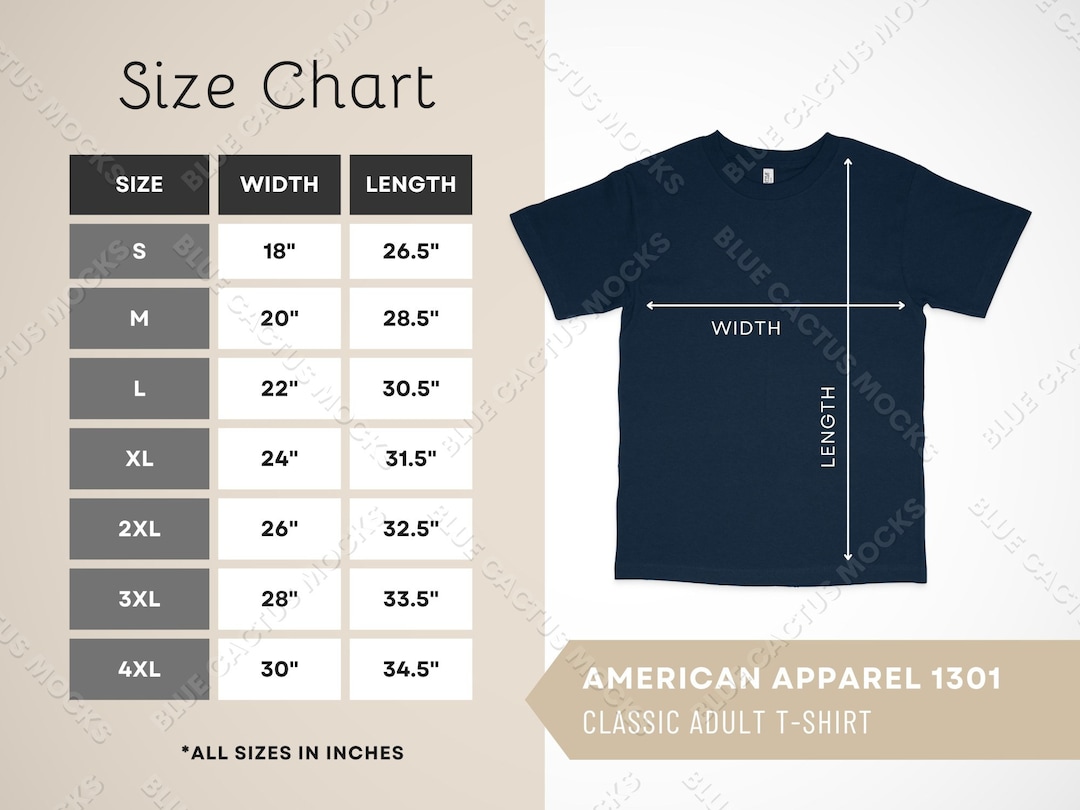
Selecting the correct adult medium size requires understanding that sizing standards vary significantly across apparel, health equipment, protective gear, and lifestyle products. Because there is no universal global measurement for a medium fit, consumers and professionals must rely on specific dimensional parameters, manufacturer size charts, and industry guidelines to ensure proper functionality, comfort, and safety.
Understanding the Concept of Adult Medium Size
The designation "adult medium size" serves as an intermediate benchmark positioned between small and large classifications across multiple consumer and industrial sectors. Unlike children's sizing, which typically correlates directly with age ranges, adult sizing is built upon anthropometric data—the systematic measurement of the human body. However, because human body proportions vary widely across global populations, a medium size in one product category or geographic region may not align with another.
In the context of apparel, a medium size generally accommodates a specific range of chest, waist, and hip dimensions. In specialized fields, such as medical devices, safety equipment, and personal protective gear, an adult medium size is not merely a matter of comfort; it is a critical specification that determines whether a product performs its intended function safely. Misunderstanding these dimensions can lead to product failure, discomfort, physical chafing, or compromised safety margins.
Navigating this category effectively requires examining how different industries define medium measurements, evaluating standard size charts, understanding material stretch and ergonomics, and identifying common pitfalls when selecting products online or in retail environments.
Anthropometric Foundations and Variability
Human anthropometry provides the scientific baseline for all clothing and equipment manufacturing. Standard sizing systems are derived from large-scale population surveys that capture height, weight, circumference, and skeletal length.
Despite these statistical baselines, commercial sizing often diverges from strict scientific data due to brand-specific fit models, vanity sizing trends, and regional manufacturing differences. An adult medium size in North American markets frequently maps to different numerical parameters than the same designation in European or Asian markets. Recognizing these regional discrepancies is the first step toward selecting the appropriate item.
Furthermore, individual body shape—such as athletic builds, pear shapes, or long torsos—influences how a standard medium garment or piece of equipment rests on the body. Two adults of identical height and weight may require different sizes depending on their muscle distribution and skeletal structure. Therefore, relying solely on qualitative labels like "medium" without checking numerical inch or centimeter measurements frequently results in an improper fit.
Apparel and Fashion Sizing Parameters
Apparel is the most common consumer category utilizing the adult medium size label. While historical tailoring relied entirely on bespoke measurements, modern ready-to-wear clothing standardizes production by grouping body ranges into letter grades.
Common Apparel Dimensions for Medium Fits
For standard adult tops and shirts, a medium size typically targets a chest circumference ranging from 38 to 40 inches (approximately 96 to 102 centimeters). Sleeve lengths and shoulder widths scale proportionally based on these chest measurements. For bottoms, such as trousers, jeans, and skirts, an adult medium waist measurement generally spans from 32 to 34 inches (81 to 86 centimeters), with hip measurements scaling correspondingly.
Knitwear Versus Structured Fabrics
The choice of fabric heavily dictates how an adult medium size performs in practice:
- Woven Fabrics: Materials like traditional cotton poplin or denim offer minimal natural stretch. A medium-sized garment in these fabrics must match the wearer's exact body measurements to avoid restriction.
- Knits and Performance Blends: Fabrics containing elastane, spandex, or stretchy knit structures tolerate minor variations in body dimensions, allowing a medium size to accommodate a broader range of shapes comfortably.
| Garment Type | Typical Medium Chest/Waist (Inches) | Typical Medium Chest/Waist (Centimeters) | Primary Fit Considerations |
|---|---|---|---|
| Casual T-Shirts | 38 - 40 (Chest) | 96 - 102 (Chest) | Relaxed cut; shoulder seams should align with the natural shoulder bone. |
| Tailored Dress Shirts | 15 - 15.5 (Neck) / 38 - 40 (Chest) | 38 - 39 cm (Neck) / 96 - 102 cm (Chest) | Structured fit; check sleeve length and collar clearance carefully. |
| Trousers and Pants | 32 - 34 (Waist) | 81 - 86 (Waist) | Rise and inseam length vary independently of the waist sizing. |
| Athletic Activewear | 38 - 40 (Chest) / 32 - 34 (Waist) | 96 - 102 cm / 81 - 86 cm | Form-fitting design intended to wick moisture and minimize friction. |
Protective Gear and Safety Equipment
When transitioning from casual wear to personal protective equipment (PPE) and safety gear, the stakes of selecting an accurate adult medium size increase significantly. Items such as industrial respirators, motorcycle helmets, sports padding, and safety harnesses rely on precise sizing to function correctly.
In protective equipment, a medium size is engineered to maintain structural integrity under stress. For instance, a safety harness that is too large in a medium classification may shift during a fall, while one that is too small can restrict circulation or limit mobility. Manufacturers of certified safety gear adhere to stringent testing standards set by organizations such as the American National Standards Institute (ANSI) or the European Committee for Standardization (CEN), meaning their medium size charts must be followed rigorously rather than estimated.
Healthcare and Personal Care Products
In healthcare and wellness sectors, adult medium size classifications are vital for products such as diagnostic cuffs, compression garments, orthopedic braces, and adult hygiene items.
For example, blood pressure monitoring cuffs require exact mid-arm circumference measurements to deliver accurate readings. A medium cuff is typically calibrated for arms measuring between 22 and 32 centimeters in circumference. Using an incorrect size—such as placing a medium cuff on an arm that requires a large size—can lead to falsely elevated blood pressure readings, potentially skewing medical evaluations. Similarly, graduated compression stockings rely on precise ankle and calf circumferences within the medium bracket to ensure proper blood circulation and venous return.
Practical Steps for Determining Your Correct Size
To eliminate guesswork when shopping for or utilizing items designated as an adult medium size, follow a structured verification process:
- Gather Precise Tools: Use a flexible, non-stretch fabric measuring tape rather than a rigid metal construction tape to measure body contours accurately.
- Measure Over Appropriate Layers: Measure directly against bare skin or lightweight undergarments, depending on whether the item is intimate apparel or outer winter wear.
- Consult Brand-Specific Charts: Never assume a medium from one manufacturer matches another. Cross-reference your body measurements with the brand's official sizing matrix.
- Account for Shrinkage: Consider material composition. Natural fibers like untreated cotton may shrink during initial laundering, whereas synthetic blends maintain their dimensional stability.
- Evaluate Return Policies: When purchasing unfamiliar brands online, confirm that the retailer allows exchanges or returns for items that fail to fit as expected.
Frequently Asked Questions
What exact body measurements correspond to an adult medium size?
While dimensions vary by brand, a standard adult medium typically corresponds to a 38 to 40-inch chest for tops and a 32 to 34-inch waist for bottoms. Always review the specific manufacturer's sizing chart, as international standards differ.
Are adult medium sizes consistent across international markets?
No. International sizing standards vary considerably. A medium size manufactured in Asian markets often runs smaller than a standard North American or European medium due to differing baseline anthropometric data used by local garment makers.
How do I choose between a medium and a large if my measurements fall in between?
If your measurements sit on the boundary between medium and large, evaluate the product's fabric and intended fit. Choose the larger size if you prefer a relaxed fit or if the fabric lacks stretch. Choose the medium if the garment features high elasticity or is designed to be worn snug against the body.
Why is sizing accuracy critical for medical and safety products?
For safety gear and medical devices, an incorrect size compromises functionality and safety. A poorly fitted respirator allows hazardous particles to bypass seals, while an incorrectly sized medical cuff or brace fails to provide accurate therapeutic pressure or physical support.
Does "adult medium size" apply equally to men and women?
No. Adult medium sizing is categorized differently for men's, women's, and unisex cuts. Men's medium cuts generally feature broader shoulders and straighter torsos, while women's medium cuts account for varied bust, hip, and waist proportions.
Conclusion and Next Actions
Selecting the correct adult medium size requires moving beyond the simple label and evaluating verified dimensional data, material properties, and intended application. Whether you are purchasing apparel, safety equipment, or health-related accessories, always prioritize precise body measurements over generalized sizing tags. Review manufacturer specifications carefully, account for fabric elasticity, and verify return options to ensure your selected items deliver the intended comfort, fit, and performance.