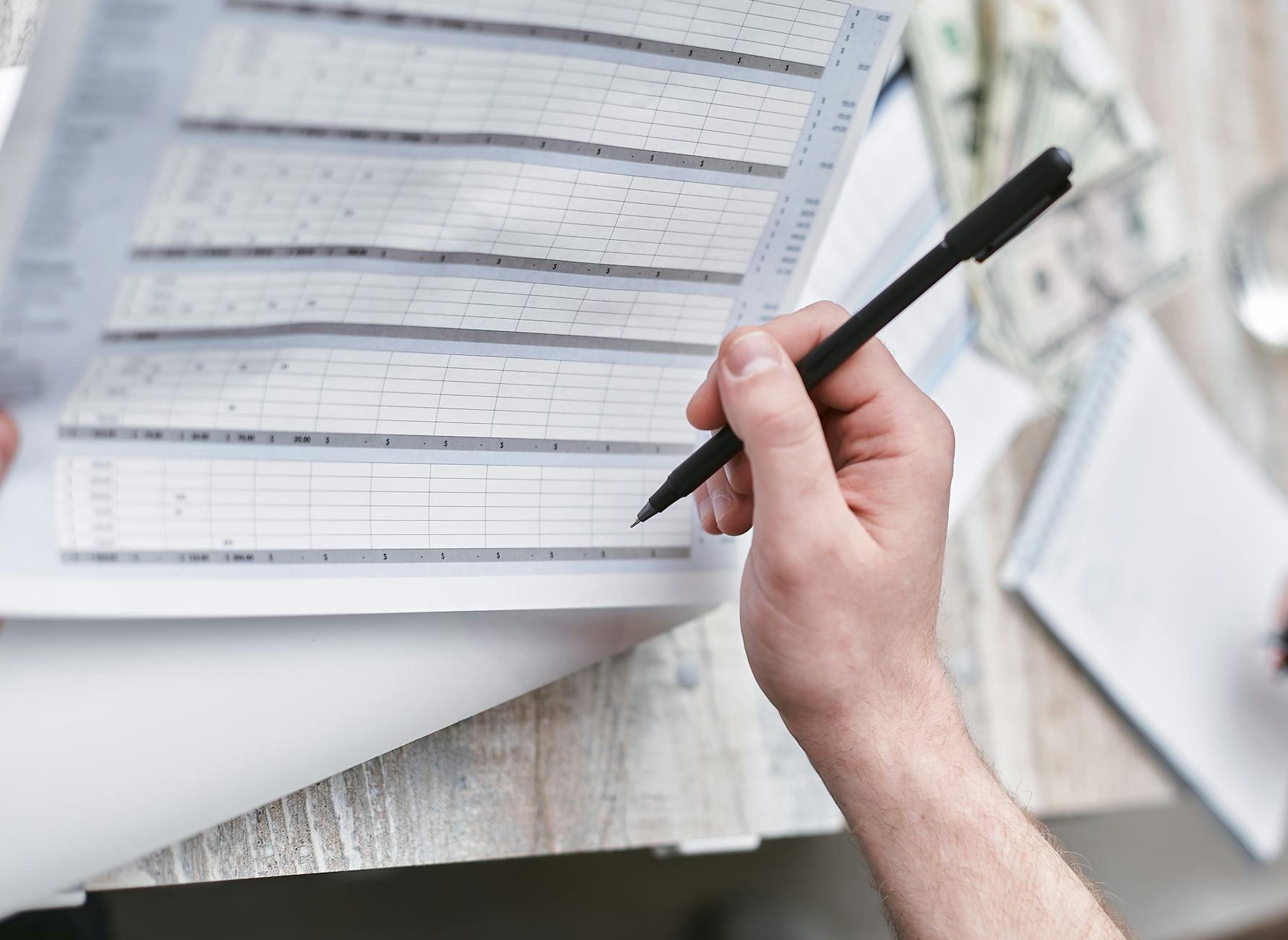
Accounting in Germany, known as Buchhaltung, is a highly structured financial discipline governed by the German Commercial Code (Handelsgesetzbuch or HGB) and the Tax Code (Abgabenordnung or AO). To maintain compliance, businesses must adhere to the Grundsätze ordnungsmäßiger Buchführung (GoB), which dictate the principles of proper accounting, ensuring that all financial records are accurate, complete, chronological, and tamper-proof.
Operating a business in Germany requires navigating a rigorous regulatory framework where precise record-keeping is not merely an internal administrative task but a legal necessity. The German system is designed to provide maximum transparency for tax authorities (Finanzamt) and creditors, relying on strict adherence to codified accounting standards. Whether you are a sole trader, a partnership, or a limited liability company (GmbH), your accounting practices must align with the specific legal form of your entity. Failure to maintain these standards can result in severe penalties, rejected tax returns, and potential criminal liability during audits. This guide outlines the essential components, legal requirements, and best practices for managing accounting in Germany as of 2026.
The Foundation of German Accounting: The HGB and GoB
The cornerstone of the German accounting system is the Handelsgesetzbuch (HGB). Unlike some international jurisdictions that allow for more flexible reporting, the HGB sets firm requirements for the preparation of annual financial statements (Jahresabschluss). These statements typically consist of a balance sheet (Bilanz) and a profit and loss statement (Gewinn- und Verlustrechnung or GuV).
The Grundsätze ordnungsmäßiger Buchführung (GoB) represent the underlying principles that guide how transactions are recorded. The most critical aspect of the GoB is the requirement that accounting must be "orderly." This means:
- Completeness: Every transaction must be documented.
- Chronology: Transactions must be recorded in the order they occur.
- Traceability: It must be possible for an external expert to reconstruct the business process from the records within a reasonable timeframe.
- Tamper-proof storage: Digital records must be stored in a way that they cannot be altered retroactively.
In 2026, the Grundsätze zur ordnungsmäßigen Führung und Aufbewahrung von Büchern, Aufzeichnungen und Unterlagen in elektronischer Form sowie zum Datenzugriff (GoBD) continue to govern digital accounting. These rules mandate that if you use software for your bookkeeping, the system must be certified or at least configured to prevent unauthorized changes to posted entries.
Legal Requirements by Entity Type
Your accounting obligations are strictly tied to your legal entity. The intensity of your reporting duties increases significantly as you transition from a small business to a formal corporation.
Sole Traders and Small Businesses (Kleingewerbetreibende)
If you are a sole trader with revenue and profit below certain thresholds (currently under €800,000 in revenue or €80,000 in profit per fiscal year), you may be exempt from the full, formal double-entry bookkeeping requirements of the HGB. Instead, you can often use Einnahmen-Überschuss-Rechnung (EÜA), or "cash-basis accounting." This method is significantly simpler, as you only record the difference between business income and business expenses.
Commercial Partnerships and Corporations (GmbH, UG, AG)
Entities such as the Gesellschaft mit beschränkter Haftung (GmbH) or the Unternehmergesellschaft (UG) are considered merchants under the HGB. They are mandated by law to perform full double-entry bookkeeping (doppelte Buchführung). This involves:
- Inventory (Inventur): A physical count or documentation of all assets and liabilities.
- Balance Sheet (Bilanz): A snapshot of assets vs. liabilities.
- Profit and Loss Statement (GuV): An analysis of revenue minus expenses over the fiscal year.
- Electronic Publication: Annual reports must be filed with the Unternehmensregister (Business Register).
Key Components of Daily Accounting
Managing day-to-day accounts involves a cycle of document collection, entry, and reconciliation. The German tax authority places high importance on the "no booking without a voucher" (keine Buchung ohne Beleg) rule.
- Receipt Management: Every expense must be supported by an invoice that meets specific legal criteria (such as including the tax ID, VAT rate, and sequential invoice number).
- The Chart of Accounts (Kontenrahmen): Most businesses in Germany use standardized charts of accounts, such as the SKR 03 or SKR 04 (Standardkontenrahmen). Using these standardized systems ensures your financial data is easily interpretable by tax accountants and the Finanzamt.
- VAT Management (Umsatzsteuer): In Germany, you must generally file a monthly or quarterly VAT return (Umsatzsteuervoranmeldung) via the ELSTER portal. This system requires you to calculate the output VAT (charged to customers) minus input VAT (paid on business expenses).
Comparison Table: Accounting Methods
| Feature | Cash-Basis (EÜA) | Double-Entry (Bilanzierung) |
|---|---|---|
| Applicability | Sole traders, small businesses | GmbH, UG, large traders |
| Complexity | Low | High |
| Records | Income vs. Expenses | Assets, Liabilities, Equity |
| Legal Basis | § 4 Abs. 3 EStG | HGB / AO |
| Transparency | Basic | High (Investors/Creditors) |
Digitalization and the GoBD
As of 2026, the digitalization of accounting is mandatory for almost all businesses. The Finanzamt does not merely accept digital copies; they require that the digital process maintains the same integrity as a paper trail.
When choosing accounting software, you must ensure it is "audit-proof" (GoBD-konform). This means the software must have:
- Change logs: Any modification to a transaction must be recorded, including the user, the time, and the original value.
- Archiving: Once a document is digitized and entered into the system, it must be stored in a read-only format for a period of ten years.
- Data Export: Your system must be capable of providing the tax office with a standardized data export, typically in a format known as IDEA, if they perform a digital audit.
Common Mistakes and How to Avoid Them
Even with sophisticated software, human error remains the leading cause of audit issues in Germany.
- Mixing Private and Business Finances: Never pay for personal expenses from a business account. This creates a "hidden profit distribution" (verdeckte Gewinnausschüttung) in corporations, which can lead to severe tax consequences.
- Missing or Incorrect Invoices: If an invoice lacks the mandatory details—such as your company's full address, the tax office-issued VAT ID, or a unique invoice number—the Finanzamt will reject your input VAT deduction.
- Ignoring Deadlines: The deadlines for filing your VAT returns or annual financial statements are strict. Late filings trigger automatic penalty fees (Verspätungszuschläge).
- Poor Documentation of Cash Transactions: If your business handles physical cash, you are required to maintain a digital cash book (Kassenbuch) that updates in real-time. Manually written cash books are heavily scrutinized and often deemed inadmissible by auditors.
Professional Support: Steuerberater vs. Buchhalter
Given the complexity of the German tax code, most businesses engage a Steuerberater (Tax Advisor). While a Buchhalter (Bookkeeper) can help with data entry and monthly reconciliation, a Steuerberater is legally authorized to provide tax planning advice and represent you before the tax authorities.
In Germany, the fee structure for tax advisors is regulated by the Steuerberatervergütungsverordnung (StBVV). Fees are often based on the value of the business assets and the turnover, meaning costs are somewhat predictable but can scale as your business grows. Engaging a professional early in your business lifecycle is the most effective way to ensure compliance and optimize your tax burden through legal deductions.
Frequently Asked Questions
1. What is the difference between EÜA and Bilanzierung? EÜA is a simple cash-basis calculation of profit. Bilanzierung is double-entry bookkeeping, which requires a balance sheet and profit/loss statement. The latter is mandatory for corporations and larger businesses under the HGB.
2. How long do I need to keep my accounting documents? Under German law, most business documents, invoices, and accounting records must be archived for ten years. Correspondence and other documents related to the business must be archived for six years.
3. What is the ELSTER portal? ELSTER is the official online portal provided by the German tax authorities. It is the mandatory platform for filing VAT returns, income tax returns, and other tax-related documents.
4. Can I use foreign accounting software? You can, provided that the software meets the GoBD requirements. It must allow for the "traceability" of transactions, have audit-proof archiving, and be accessible to German tax authorities during an audit. Many international tools offer "German localization" packages to meet these specific needs.
5. What happens during a tax audit? A Betriebsprüfung (tax audit) is a routine or triggered examination of your books. The auditor will review your records to ensure they meet the GoB principles. If you have clean, digital, and systematic records, the process is significantly smoother and less likely to result in assessed back taxes.
Next Actions for Business Compliance
To ensure your business remains compliant in the current regulatory environment:
- Select Compliant Software: Use accounting software specifically designed for the German market to ensure you remain GoBD-compliant by default.
- Separate Accounts: Maintain a dedicated business bank account and never intermingle private funds.
- Engage a Steuerberater: Even if you perform the daily bookkeeping yourself, consult a tax advisor at least quarterly to review your filings and ensure you are taking advantage of all permissible tax deductions.
- Organize Receipts: Implement a digital document management system immediately to avoid the clutter and risk of losing paper receipts, ensuring all digital files are backed up and immutable.