To access IT insights through Gartner, users must visit the official portal at www.gartner.com. While significant high-level data and "Peer Insights" are available for free to registered users, full access to proprietary research like the Magic Quadrant and Hype Cycles typically requires a paid enterprise subscription or a client seat.
Gartner, Inc. remains the world’s leading research and advisory company, providing senior leaders with the actionable, objective insights they need to make smarter decisions. For IT professionals, the platform serves as a primary source for vendor evaluation, strategic planning, and technology trend forecasting. As of 2026, the digital landscape has become increasingly complex due to the maturation of generative AI and autonomous systems, making the structured methodologies offered by Gartner more critical than ever for organizational stability.
Understanding the Value of Gartner IT Insights
Accessing Gartner is not merely about reading articles; it is about utilizing a specialized framework for decision-making. The "IT Insight" provided on the platform covers a vast spectrum of the technology lifecycle, from initial innovation to legacy decommissioning. Organizations use these insights to mitigate risk when investing in multi-million dollar software contracts or when pivoting their entire infrastructure to new architectural models like Composable Business or Continuous Threat Exposure Management (CTEM).
The primary value proposition of the Gartner portal lies in its objectivity. Unlike vendor-sponsored whitepapers, Gartner research follows a rigorous peer-review process and a documented methodology. This independence is what makes a Gartner report a powerful tool during board meetings or budget justifications. When an IT Director can point to a specific position on a Hype Cycle, it provides a level of authoritative backing that internal data alone often lacks.
Types of Access: Public, Registered, and Client Tiers
Navigating www.gartner.com effectively requires understanding what is available at different "gate" levels. The site is structured to provide value to the general public while reserving deep-dive data for paying clients.
1. Public Access (Unregistered)
Anyone visiting the website can access the "Gartner Newsroom" and various "Insights" blogs. These sections provide a high-level overview of current IT trends, such as the top strategic technology trends for 2026. You can also access "Gartner Peer Insights," which features thousands of verified user reviews for enterprise software and services. This is an excellent starting point for professionals who need quick, crowd-sourced feedback on a specific vendor’s performance.
2. Registered Individual Access
By creating a free account using a professional email address, users can often unlock a limited number of complimentary research reports each year. This tier also provides access to live and recorded webinars. These webinars are particularly useful for IT managers who need to understand the "Why" behind a new trend but do not yet have the budget for a full enterprise license. Registration also allows you to save "Peer Insights" comparisons and receive tailored newsletters based on your specific IT interests (e.g., Cybersecurity, Data & Analytics, or Infrastructure).
3. Full Client/Enterprise Access
This is the gold standard for IT insight. Client access is typically purchased at the organizational level. It provides full, unrestricted access to the entire library of "Core Research." This includes the detailed "Magic Quadrant" notes, "Critical Capabilities" rankings, and "Hype Cycles." Furthermore, client access often includes the ability to book 30-minute inquiry calls with Gartner analysts—specialists who focus on specific niches and can provide tailored advice for your company’s unique challenges.
How to Navigate the Gartner Portal for Research
Once you have established access, the interface at www.gartner.com is designed to filter a massive volume of data into manageable streams.
Using the Search Functionality
The search bar on the Gartner portal is highly optimized for IT terminology. Instead of searching for generic terms, use specific "Market Guide" titles or technology categories. For example, searching for "Cloud ERP" will yield not just articles, but a structured list of vendor evaluations, cost optimization tools, and implementation roadmaps.
The "My Gartner" Personalized Dashboard
For clients, the "My Gartner" page is the central hub. It uses AI-driven recommendations to surface research based on your previous activity and the roles you have defined in your profile. If you are a CISO, your dashboard will prioritize reports on zero-trust architecture and regulatory compliance in 2026. You can also set alerts for specific vendors; if a vendor you use is moved from the "Leader" to the "Challenger" quadrant, you will receive a notification.
Key Gartner Methodologies Explained
To get the most out of your access to IT insights, you must understand the specific research products Gartner produces. These are not just different layouts; they serve different purposes in the IT decision-making process.
The Magic Quadrant (MQ)
The Magic Quadrant is perhaps the most famous IT research tool in the world. It plots vendors on a matrix based on two axes: Ability to Execute and Completeness of Vision.
- Leaders: High scores on both axes. They have the most stable products and a clear roadmap.
- Visionaries: They understand where the market is going but may not yet have the market share or execution consistency of Leaders.
- Challengers: These companies execute well today and have large footprints but may lack a forward-looking strategy that anticipates market shifts.
- Niche Players: Focus on a specific segment or region. They are often excellent for specialized needs but lack the broad appeal of Leaders.
The Hype Cycle
The Hype Cycle is essential for timing investments. It tracks a technology's journey through five phases:
- Innovation Trigger: A potential technology breakthrough kicks things off.
- Peak of Inflated Expectations: Early publicity produces success stories—and many failures.
- Trough of Disillusionment: Interest wanes as experiments fail to deliver. This is often the best time to buy if the technology is sound.
- Slope of Enlightenment: More instances of how the technology can benefit the enterprise start to crystallize.
- Plateau of Productivity: Mainstream adoption starts to take off.
Critical Capabilities
While the Magic Quadrant looks at the vendor as a whole, the Critical Capabilities report looks at the product. It provides a deeper technical dive, scoring specific features and functionalities. This is the document an IT architect should use when comparing the technical specs of two competing firewall solutions.
Technical Requirements and Troubleshooting
Accessing www.gartner.com is generally straightforward, but enterprise environments occasionally face technical hurdles.
| Feature | Requirement / Detail |
|---|---|
| Supported Browsers | Chrome (latest), Edge (latest), Safari, and Firefox. |
| Authentication | Support for Single Sign-On (SSO) via SAML 2.0 for enterprise clients. |
| Mobile Access | Available via the Gartner Mobile App (iOS and Android) for clients. |
| Cookies | Must be enabled to maintain session state and personalized "My Gartner" settings. |
| PDF Viewing | Internal browser viewers are recommended; some older reports may require Adobe Acrobat. |
Common Login Issues
If you are unable to access the portal despite having credentials, the most common cause in 2026 is an SSO (Single Sign-On) handshake failure. Many large corporations integrate Gartner access into their internal "App Portals." If the link from your company intranet fails, try clearing your browser cache or accessing the site directly via www.gartner.com/login. If your organization uses IP-based authentication, ensure you are connected to your corporate VPN.
Leveraging Gartner Peer Insights for Vendor Selection
If you do not have a paid seat, "Gartner Peer Insights" is your most valuable resource. This is a free, community-driven platform where IT professionals review the tools they use daily. Unlike consumer review sites, Gartner verifies every reviewer’s identity and ensures they are an active professional in the industry.
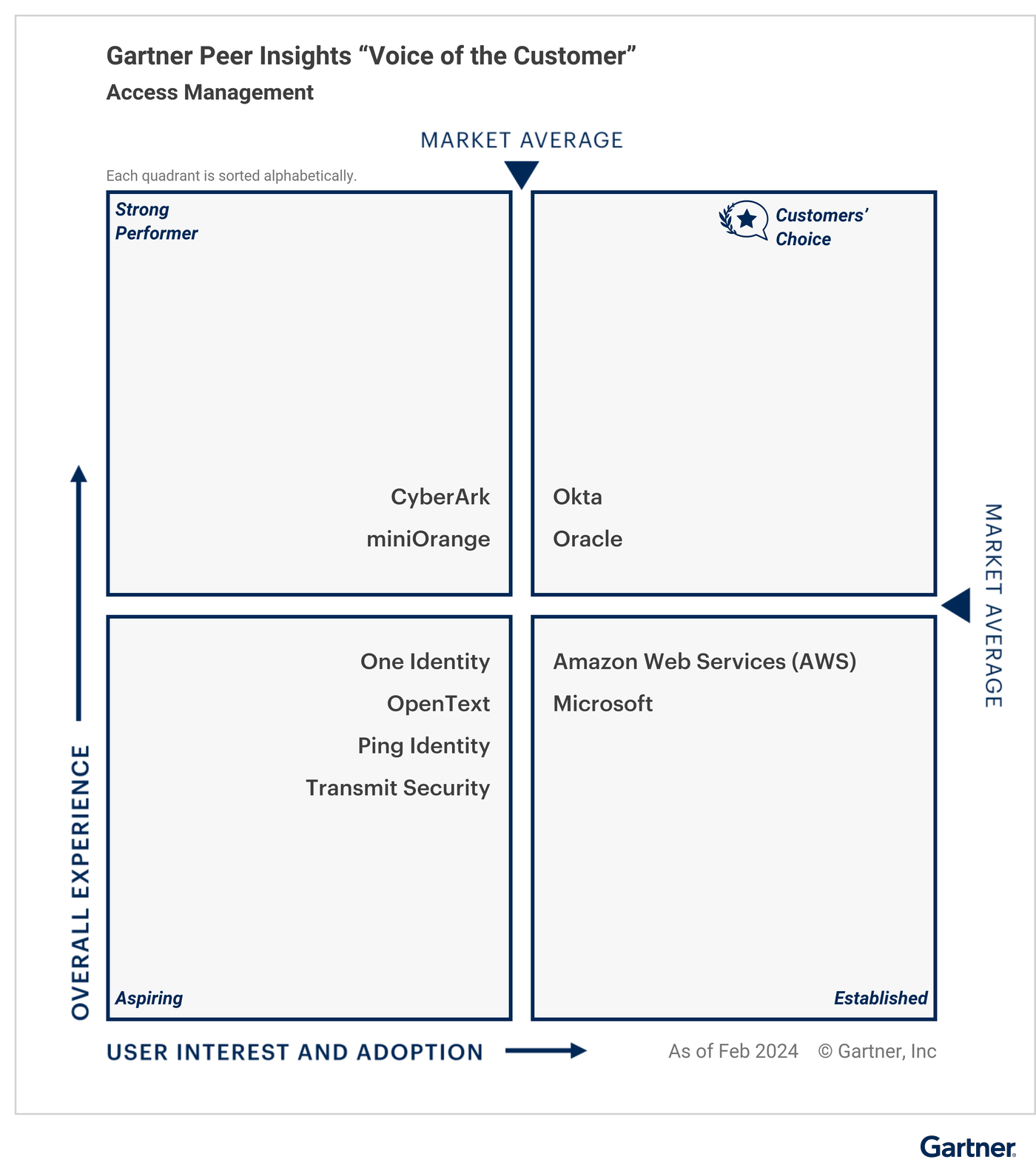
When using Peer Insights, look for the "Voice of the Customer" reports. These aggregate thousands of reviews into a single document that ranks vendors based on user experience and contract negotiation flexibility. In 2026, this has become a vital counterpoint to the analyst-driven Magic Quadrant, as it reflects the "boots on the ground" reality of software implementation.
Applying IT Insights to Strategy and Budgeting
Accessing the data is only the first step. The true "IT insight" comes from applying Gartner’s findings to your specific business context.
- Benchmarking: Use Gartner’s IT Key Metrics Data to compare your IT spending against industry averages. Are you overspending on infrastructure and underspending on security?
- Contract Negotiation: Use the research to challenge vendor claims. If a vendor claims to be the market leader but Gartner has them in the "Niche Player" category, you have significant leverage for price discounts.
- Talent Management: Gartner provides insights into the "Future of Work." Use these to structure your remote work policies or to identify which skills (like AI prompt engineering or quantum computing basics) your team will need by 2027.
Frequently Asked Questions
Can I access Gartner reports for free?
Yes, but with limitations. Gartner provides a significant amount of "complimentary research" on their website under the "Insights" tab. Additionally, vendors who are named "Leaders" in a Magic Quadrant often purchase redistribution rights, allowing you to download the full report for free from the vendor's own website in exchange for your contact information.
What is the difference between a Gartner Analyst and a Consultant?
Analysts focus on broad market trends and vendor evaluations for a wide audience. They write the reports you see on www.gartner.com. Consultants, however, work on a project-by-project basis for specific companies to solve unique internal problems. While both use Gartner data, the consultant provides a hands-on, customized implementation strategy.
Is Gartner Peer Insights reliable?
Yes. Gartner uses a rigorous verification process. Every reviewer must use a corporate email address, and their identity is checked against LinkedIn or other professional databases. Furthermore, every review is read by a human moderator to ensure it is substantive and free of vendor bias.
How often are the Magic Quadrants updated?
Most Magic Quadrants are updated annually. However, in rapidly evolving markets (like Artificial Intelligence or Cloud Security), Gartner may issue "Market Guides" or interim updates to reflect major shifts before the next full MQ cycle.
Can individuals buy a single Gartner report?
Generally, no. Gartner’s business model is built on enterprise subscriptions. While some specific historical reports might be available for individual purchase in certain academic contexts, the vast majority of "IT Insight" is accessed through corporate seats or limited-time promotional access provided by vendors.
Final Recommendation: Your Next Steps
To maximize your "access www gartner com for it insight" experience, your first action should be to create a registered user profile using your professional email. This immediately unlocks the ability to follow specific topics and participate in webinars.
If you are an IT leader, check with your procurement or legal department to see if your organization already pays for an enterprise license. Many professionals are unaware that their company has "unclaimed" seats. If access is available, your next step should be to set up a personalized "My Gartner" dashboard to filter out the noise and focus on the 2026 trends—such as autonomous workforce platforms and AI-augmented development—that will define the coming fiscal year.