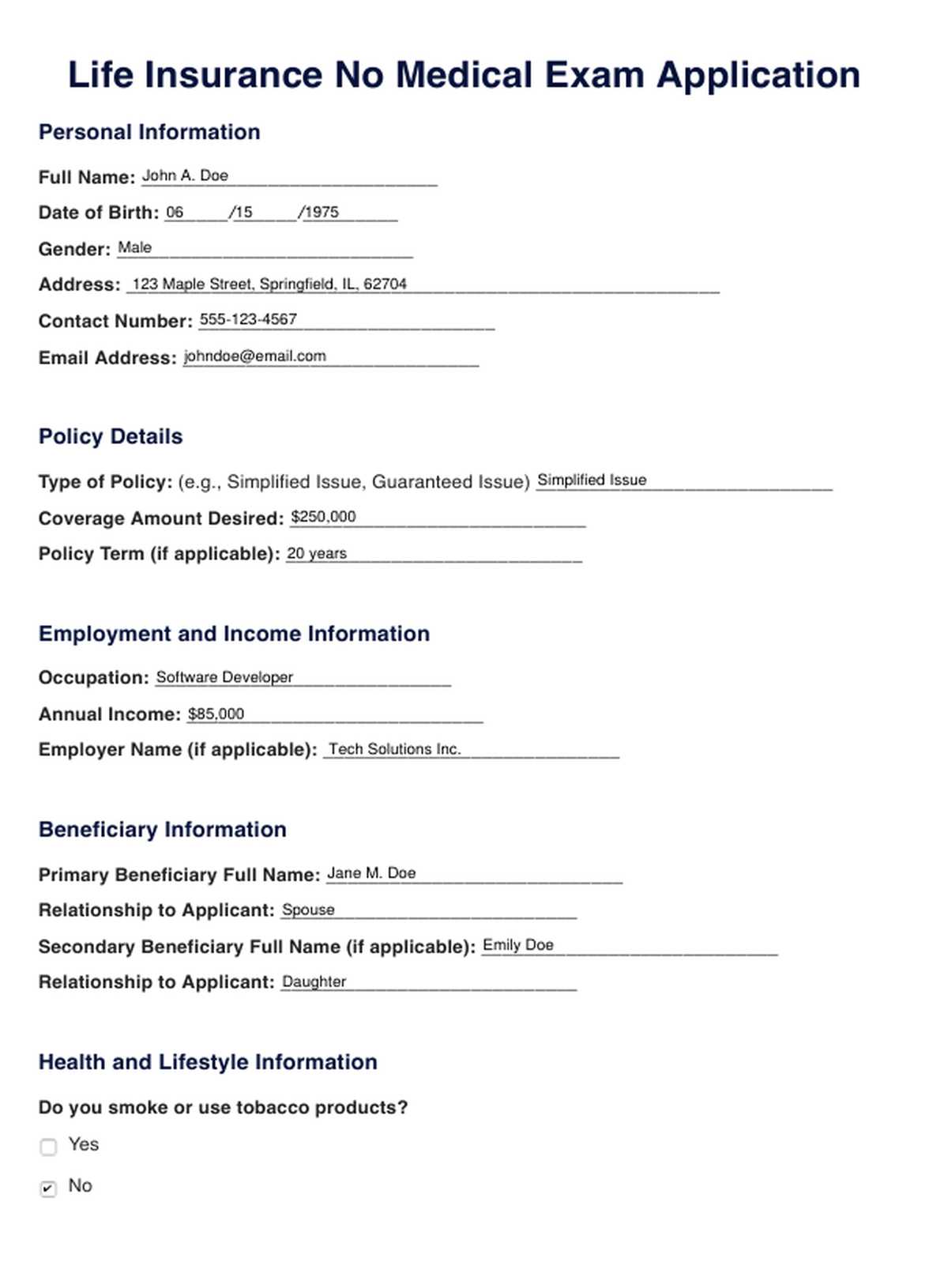
The AARP-branded whole life insurance, underwritten by New York Life Insurance Company, offers a simplified issue path that eliminates the traditional medical examination. Coverage is designed for older adults, typically ages 50 to 80, who want permanent life insurance without the intrusive health screenings, lab work, or physician statements often required by conventional policies.
Understanding the "No Medical Exam" Process
When you apply for a life insurance policy through the AARP Life Insurance Program, the "no medical exam" provision does not mean that health status is ignored entirely. Instead, it refers to a "simplified issue" underwriting process. In a traditional policy, you might be required to provide blood samples, urine samples, and a physical exam. With this specific AARP-endorsed product, the underwriting is based on a series of health-related questions on the application form and a review of your prescription history through third-party databases.
Because the insurer does not require a medical professional to perform a physical assessment, the turnaround time from application to approval is often significantly shorter than standard policies. However, it is essential to understand that this is a trade-off. By removing the medical exam, the insurer takes on a higher level of risk regarding the applicant's health. This is reflected in the product structure, which often includes a "graded benefit" or a specific death benefit limitation if the policyholder passes away due to natural causes within the first two years of coverage.
Eligibility and Coverage Specifications
The program is curated specifically for AARP members. To be eligible, you must typically be an AARP member and fall within the age range defined by the specific product offering, which generally covers individuals between 50 and 80 years old.
Key Characteristics of the Policy
- Permanent Coverage: Unlike term life insurance, which expires after a set number of years, this is whole life insurance. As long as premiums are paid, the coverage remains in effect for the remainder of your life.
- Level Premiums: The premium payments are generally locked in at the time of purchase. They do not increase as you age, providing predictable costs for those on a fixed retirement income.
- Cash Value Accumulation: As a whole life product, it builds cash value over time on a tax-deferred basis. This feature allows the policy to act as a secondary financial asset, which can be borrowed against or surrendered for cash if the policy is no longer needed in the future.
- Simplified Underwriting: The process relies heavily on the "knockout questions" presented during the application phase. These questions screen for chronic conditions, past surgeries, and recent hospitalizations.
Comparing Simplified Issue vs. Guaranteed Acceptance
A common point of confusion for consumers is the distinction between "simplified issue" and "guaranteed acceptance." It is vital to note that the AARP-endorsed whole life product is a simplified issue policy.
Simplified Issue (The AARP Model)
This process requires you to answer health questions. While you do not have to provide medical records or see a doctor, the insurer reserves the right to decline your application if your answers to the health questions do not meet their underwriting criteria. Because you are vetted through these questions, the premiums are generally lower than those for guaranteed acceptance policies.
Guaranteed Acceptance
These policies do not ask any health questions. They are designed for individuals who might be declined by every other insurer due to severe health conditions. Because the insurer has no knowledge of the health status of the applicant, the premiums are much higher, and the death benefit is almost always limited for the first two or three years.
The Role of the Underwriting Database
Even without a physical exam, the insurer performs a background check on your medical history. They utilize databases that aggregate information regarding your prescription medication history. If your application states you do not have certain medical conditions, but your pharmacy records show you are taking specialized medication for heart disease or diabetes, the insurance company will identify the discrepancy.
This reliance on electronic data means that your application must be as accurate as possible. Providing incorrect information—even unintentionally—can lead to the denial of a death benefit claim later, as the insurer reserves the right to contest claims if they discover the application was based on false statements.
Financial Planning: Is Whole Life the Right Tool?
Whole life insurance is a versatile financial instrument, but it serves a specific purpose. Unlike term insurance, which is designed to cover large, temporary financial burdens (such as a 30-year mortgage or the years your children are in school), whole life insurance is often used for:
- Final Expenses: Covering funeral costs, burial, or cremation services to ensure these costs do not fall on survivors.
- Legacy Planning: Creating a tax-free cash benefit for beneficiaries or heirs.
- Debt Liquidation: Paying off smaller, lingering debts like final medical bills or credit card balances.
Because the cash value component increases the cost of the policy, you should only select whole life if you truly need the permanent nature of the policy or if you are specifically looking for a conservative, tax-advantaged savings component. If your only goal is income replacement for your dependents, term life insurance may be a more cost-effective alternative.
Operational Limitations and Considerations
Before purchasing, consider the following limitations that often apply to AARP-endorsed whole life insurance:
- Benefit Caps: These policies usually have a lower maximum death benefit compared to underwritten, exam-based whole life insurance. This makes them unsuitable for multi-million dollar estate planning.
- Graded Death Benefits: Depending on the specific iteration of the product you choose, if death occurs due to non-accidental causes in the first 24 months, the beneficiary may only receive a return of premiums paid plus a small percentage of interest, rather than the full face value of the policy.
- Cost Efficiency: If you are in excellent health, a fully underwritten policy (with a medical exam) will almost certainly offer lower monthly premiums for the same amount of coverage. The "no exam" feature is effectively a premium for convenience and accessibility.
Table: Comparison of Life Insurance Paths
| Feature | Simplified Issue (AARP) | Guaranteed Acceptance | Fully Underwritten |
|---|---|---|---|
| Medical Exam | No | No | Yes |
| Health Questions | Yes | No | Yes |
| Approval Time | Fast (Days/Weeks) | Immediate | Slower (Weeks/Months) |
| Cost | Moderate | High | Lowest |
| Eligibility | Health-Dependent | Almost Everyone | Health-Dependent |
Common Mistakes to Avoid
- Failing to Verify Beneficiaries: Always ensure your primary and contingent beneficiaries are current. A policy without a valid beneficiary will likely enter probate, delaying payment and potentially causing tax complications.
- Ignoring the "Contestability Period": Be aware that most policies have a two-year contestability period. During this time, the insurance company can investigate the validity of your application. Ensure all medical history disclosures are precise.
- Overlooking Premium Frequency: Some policies offer discounts for annual payments versus monthly payments. If your budget allows, opting for an annual payment can reduce administrative fees and total costs.
- Buying for the Wrong Reason: Do not treat life insurance as an investment vehicle to compete with stocks or bonds. While cash value grows, it is a conservative asset class, not a wealth-building tool.
Frequently Asked Questions
Does AARP offer life insurance for people with pre-existing conditions?
Yes, but it depends on the severity. Because this is a simplified issue policy, you must answer health questions. If your condition is stable and does not fall under the list of "knockout" medical issues, you may still be eligible. If your condition is severe, you may be declined and should look toward guaranteed acceptance products.
How do I verify if my health history is clear for this policy?
You do not have to verify it beforehand, but you should review your own medical records and current prescriptions. If you are uncertain about how a specific diagnosis will be viewed, you can contact an insurance representative who can clarify whether your condition falls within their guidelines.
Can I cancel the policy if I change my mind?
Most life insurance policies come with a "free-look" period, usually 10 to 30 days depending on your state of residence. During this time, you can return the policy for a full refund of your premiums if you decide it is not the right fit for your financial goals.
Is the death benefit taxable?
Generally, life insurance death benefits are received income-tax-free by the beneficiaries. However, if the policy is structured in a way that triggers estate tax implications (which is rare for these policies due to the lower benefit caps), you should consult with a tax professional.
Does the death benefit change if I develop health issues later?
No. Once the policy is in force, the insurer cannot raise your premiums or decrease your death benefit even if your health declines significantly after the policy is issued. This is the primary advantage of purchasing the policy while you are as healthy as possible.
Next Steps for Prospective Policyholders
If you are considering an AARP-endorsed whole life policy, begin by requesting an official quote based on your age and desired benefit amount. You do not need to commit immediately. Review the "Specimen Policy" provided by the insurer, which outlines all the legal terms, exclusions, and the specific definition of the "graded benefit" period.
Compare this quote against other simplified issue carriers to ensure you are receiving a competitive rate. Before finalizing, verify that the insurance company is rated highly by independent agencies like A.M. Best or Moody’s to ensure long-term financial stability. Once you are comfortable with the terms, proceed through the application portal, ensuring that all health questions are answered with complete honesty.