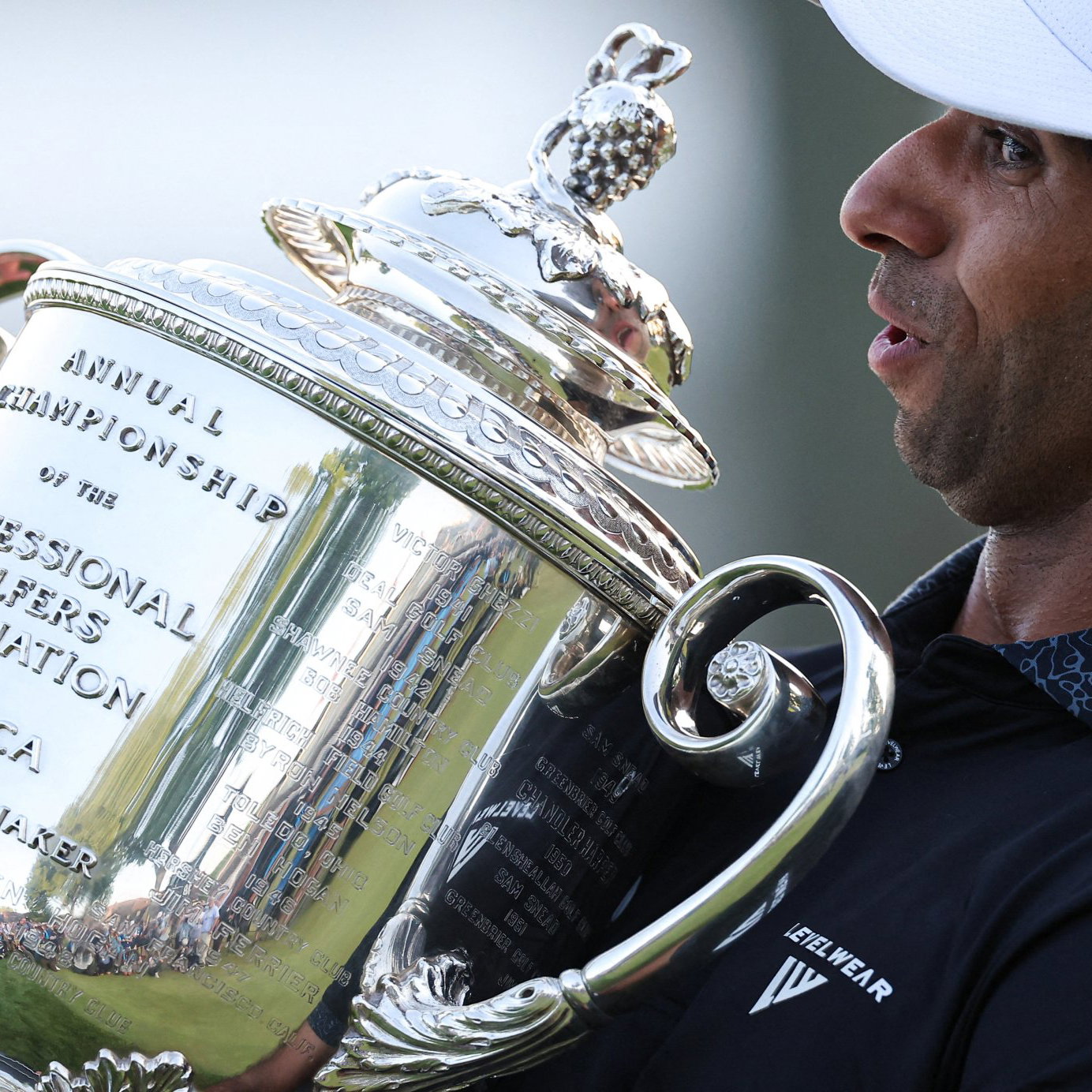
Aaron Rai maintains an estimated net worth derived primarily from his professional golf career on the DP World Tour and the PGA Tour, supplemented by tournament winnings, Official World Golf Ranking milestones, and endorsement contracts. While private financial portfolios remain confidential, tracking his prize money, performance bonuses, and sponsorship visibility provides a comprehensive picture of his economic standing in professional golf.
Introduction to Aaron Rai and His Professional Golf Journey
Aaron Rai has built a reputation as one of the most mechanically sound and meticulous ball-strikers in professional golf. Known for his distinctive habit of wearing two golf gloves—a practice he adopted in his youth due to a specific grip feel and sustained for consistency—Rai transitioned from a successful amateur career on the English amateur circuit to establishing himself globally. His journey includes formative years playing on the EuroPro Tour, the Challenge Tour, and ultimately securing his card on the DP World Tour (formerly the European Tour) before successfully breaking through onto the premier United States-based PGA Tour.
Understanding Aaron Rai's net worth requires examining the complex financial ecosystem of elite golf. Professional golfers do not receive a guaranteed annual salary; instead, their net worth fluctuates based on tournament prize money, performance bonuses, cut percentages, and commercial endorsements. As Rai has transitioned from a promising regional competitor to a consistent contender in major global events, his earnings have scaled significantly. This financial trajectory reflects both his rising status in the Official World Golf Rankings (OWGR) and his ability to contend in high-stakes fields against the world's best players.
Career Prize Money and On-Course Earnings
The foundation of any professional golfer's net worth is tournament prize money. Since turning professional, Aaron Rai has accumulated millions of dollars in official and unofficial earnings across multiple major tours. Analyzing these figures requires looking at both his foundational years in Europe and his subsequent high-yield campaigns in the United States.
DP World Tour Breakthroughs
Rai’s early professional years were defined by grinding through developmental circuits before making his mark on the DP World Tour. His breakthrough victory came at the 2018 Honma Hong Kong Open, where he triumphed against a world-class field, securing a substantial winner's check and a multi-year exemption on the tour. Subsequent strong performances, including a victory at the 2020 Aberdeen Standard Investments Scottish Open at Renaissance Club, significantly elevated his career earnings baseline.
Each victory on the DP World Tour not only provides an immediate financial injection through the prize purse but also secures entry into more lucrative events, such as World Golf Championships and Rolex Series tournaments, which boast substantially larger prize pools.
PGA Tour Transition and Earnings Acceleration
Securing a PGA Tour card represents a major financial turning point for international players. Rai earned his PGA Tour card through the Korn Ferry Tour Finals and subsequently retained and improved his status through consistent play. The prize money on the PGA Tour underwent historic expansions, driven by elevated events instituted to combat competing golf circuits.
Even when not winning outright, finishing in the top 10 or top 25 in PGA Tour full-field and elevated events yields hundreds of thousands of dollars per week. Rai's consistency in making cuts and positioning himself on the leaderboard has translated into steady, high-volume on-course revenue. Below is an overview of how tournament tiers impact a golfer's gross earnings profile:
| Tournament Tier | Typical Purse Range | Winner's Share | Impact on Career Net Worth |
|---|---|---|---|
| PGA Tour Elevated Events | $20,000,000+ | $3,600,000 - $4,000,000 | Highest potential for rapid wealth accumulation |
| Standard PGA Tour Events | $8,000,000 - $10,000,000 | $1,400,000 - $1,800,000 | Provides steady accumulation through consistent top finishes |
| DP World Tour Rolex Series | $9,000,000 - $10,000,000 | $1,500,000 - $1,700,000 | Strengthens European standing and global earnings |
| Major Championships | $15,000,000 - $20,000,000 | $3,000,000 - $3,600,000 | Offers maximum prestige, ranking points, and financial payout |
Endorsements, Equipment, and Sponsorship Contracts
While tournament winnings form the visible bedrock of a professional golfer's financial portfolio, off-course income via endorsements often matches or exceeds on-course earnings for elite athletes. Aaron Rai’s meticulous approach to his equipment and his clean-cut sportsmanship make him an attractive property for corporate sponsors.
Equipment Deals
Golf equipment manufacturers invest heavily in players who validate their products in competitive environments. Rai has maintained notable relationships with major golf equipment brands. Because golf equipment contracts often include performance-based bonuses for wins, top-10 finishes, and major championship appearances, a player's standing directly influences these commercial agreements. Rai’s choice of clubs, balls, and apparel contributes a steady, guaranteed baseline of revenue independent of weekly tournament performance.
Apparel and Corporate Partnerships
In addition to hardware, professional golfers secure partnerships with apparel companies, watchmakers, financial institutions, and automotive brands. Rai’s distinctive appearance—often featuring his dual gloves and branded caps—provides clear visual inventory for corporate partners during televised broadcasts. These endorsement deals typically involve multi-year contracts with guaranteed base retainers and performance escalators tied to Official World Golf Ranking milestones and qualification for season-ending playoff events.
Expenses and Capital Outlays in Professional Golf
When evaluating net worth, it is essential to account for the substantial operational expenses that professional golfers incur. Unlike traditional employees, tour professionals operate as independent contractors running a high-turnover enterprise.
- Caddies: Professional caddies typically receive a base weekly salary plus a percentage of the player's prize money (ranging from 5% to 10% depending on performance and cuts made).
- Travel and Logistics: Weekly flights, luxury accommodation, ground transportation, and team expenses for coaches and physiotherapists consume a significant portion of gross earnings.
- Coaching and Support Staff: Retaining elite swing coaches, putting specialists, mental game coaches, and fitness trainers requires substantial annual retainers.
- Taxes and Management Fees: Golfers face complex international tax burdens, paying taxes based on the jurisdiction where prize money is earned. Additionally, player management agencies and legal representation typically command commissions between 10% and 20% of endorsement and prize revenue.
These overhead costs mean that a player's gross career earnings figures reported by tours must be discounted by roughly 30% to 40% to estimate true net accumulation before investments and compound growth.
Investment Strategies and Long-Term Wealth Preservation
Like many top-tier professional athletes, Aaron Rai utilizes professional financial management firms to structure his wealth. Preservation of capital earned during a relatively narrow peak athletic window is paramount in professional golf. Investment portfolios for athletes typically favor a diversified mix of real estate, low-risk index funds, and private equity to ensure long-term financial security long after their competitive playing days conclude.
Real estate acquisitions in stable markets serve as a cornerstone for players traveling frequently between Europe and the United States. Furthermore, building a personal brand allows athletes to secure post-playing revenue streams through golf course design, media work, and ambassador roles within the golf industry.
Frequently Asked Questions About Aaron Rai's Financial Profile
What is Aaron Rai's primary source of income?
Aaron Rai's primary source of income is tournament prize money earned on the PGA Tour and the DP World Tour, closely followed by commercial endorsements, equipment partnerships, and corporate sponsorships.
How does missing cuts affect a professional golfer's net worth?
Missing cuts means a player receives zero tournament prize money for that specific week while still incurring all travel, coaching, and caddie expenses. This makes consistency and making weekend cuts vital for maintaining a healthy profit margin.
Do professional golfers pay taxes in every state or country they play in?
Yes. Professional athletes are subject to "jock taxes" or local income taxes in the specific states or countries where tournaments are held, making international tax planning a complex and costly necessity.
What role do equipment contracts play in a golfer's net worth?
Equipment contracts provide guaranteed base income regardless of weekly performance. They also include performance bonuses that can significantly increase a player's annual earnings during breakout seasons.
How do caddie fees impact professional golf earnings?
Caddies are paid a weekly retainer plus a percentage of tournament winnings (typically 7% to 10% for a win). This makes caddie remuneration one of the largest single operational expenses for a touring professional.
Conclusion and Financial Outlook
Aaron Rai’s financial standing as a professional golfer illustrates the rewards of sustained excellence at the highest levels of global competition. By transitioning successfully from European developmental circuits to establishing himself as a formidable competitor on the PGA Tour, Rai has secured substantial career earnings through both prize purses and lucrative commercial partnerships. While high operational expenses, travel overhead, and tax obligations reduce gross revenues, disciplined management and consistent leaderboard appearances ensure that his long-term financial trajectory remains strong.