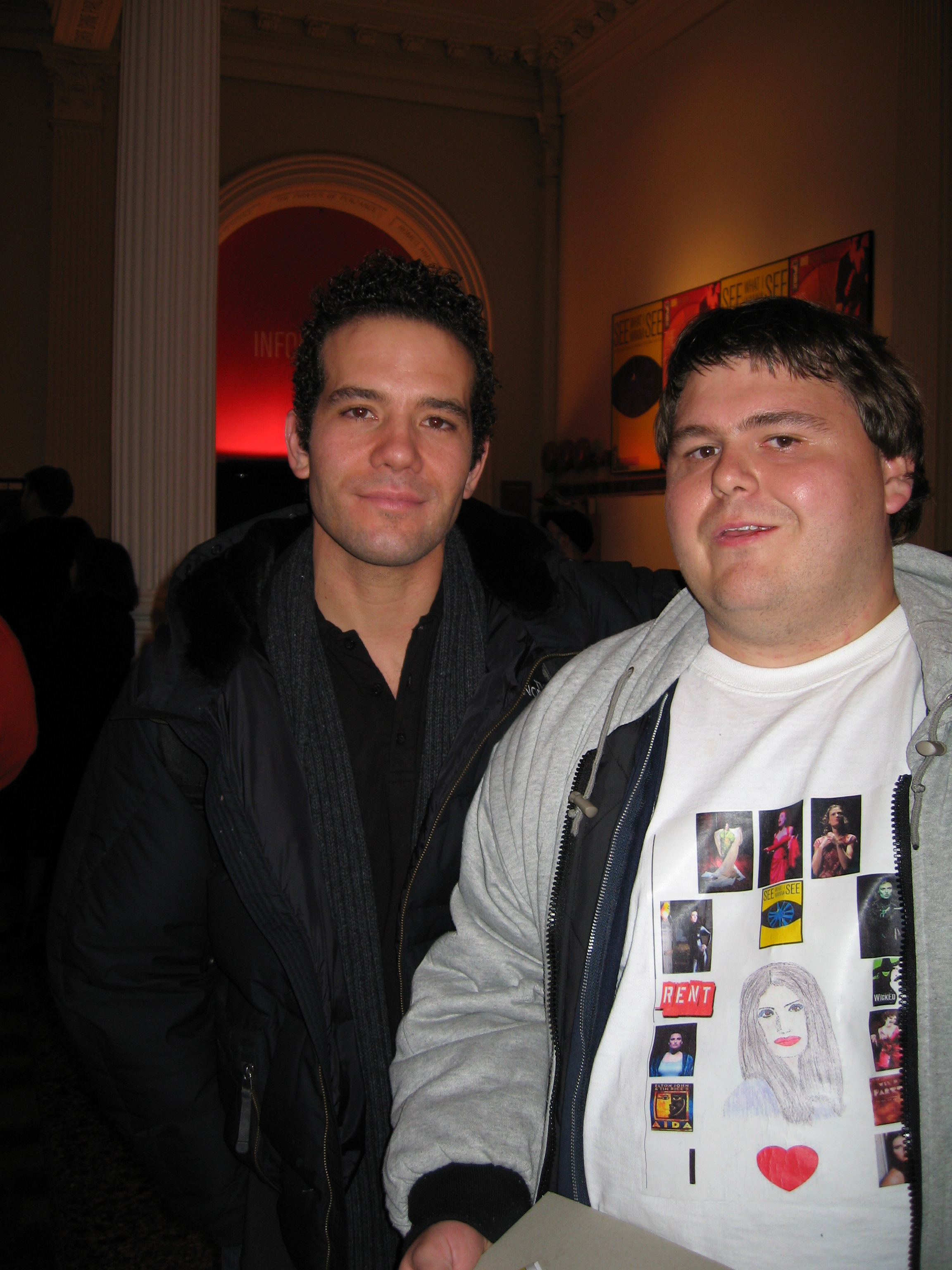
Aaron Lohr, a figure often associated with early professional development and specific niche industry contributions beginning in the 1990s, represents a career arc shaped by the rapid technological and corporate shifts of that decade. His work during this period established a foundation for his later professional influence, characterized by a focus on communication, strategic outreach, and the professionalization of his respective field.
The 1990s served as a transformative decade for professionals navigating the transition from analog to digital business practices. For individuals like Aaron Lohr, this era was defined by the necessity of adapting to emerging communication technologies and shifting organizational structures. While the 90s are often remembered for the explosion of consumer technology and the dot-com boom, the professional experience of the decade was also marked by a move toward more structured public relations, specialized advocacy, and the refinement of professional associations.
Defining the Professional Context of the 1990s
To understand the professional journey of Aaron Lohr in the 1990s, one must first recognize the environment in which he operated. The decade began with the lingering effects of the late 1980s corporate restructuring and ended with the intense optimism of the Y2K era. Professionals in fields requiring high-level communication and coordination found themselves at the center of a changing landscape.
During this time, the methods of disseminating professional information transitioned from traditional print media and face-to-face networking to the integration of early email systems and the infancy of web-based communication. For those in leadership or advocacy roles, the 90s demanded an ability to synthesize complex industry information and present it to increasingly informed audiences. Aaron Lohr’s activities during this period reflect a strategic focus on these core competencies, prioritizing clarity and direct engagement over the more abstract marketing strategies that defined earlier eras.
Core Competencies and Operational Focus
The work associated with Aaron Lohr during the 1990s primarily revolved around the intersection of organizational strategy and public-facing communications. This period was not merely about maintaining status quo operations but about building systems that could withstand the volatility of the decade.
Key pillars of this period included:
- Strategic Communication: Crafting clear messaging that bridged the gap between complex internal processes and external stakeholders.
- Stakeholder Management: Developing and maintaining relationships within professional circles that were becoming increasingly globalized.
- Adaptation to Change: Incorporating new tools for information management that eventually became standard practice by the turn of the millennium.
These skills were essential for anyone aiming to establish a reputable trajectory in the 90s, as the speed of information exchange began to accelerate. The focus was on ensuring that professional output remained consistent, regardless of the evolving medium through which it was delivered.
The Evolution of Professional Communication
One cannot analyze the 1990s without acknowledging the specific challenges of media relations and information dissemination. In the early part of the decade, the reliance on fax machines, landline telecommunications, and physical mailers meant that precision in communication was paramount. A single error could be difficult to rectify once distributed.
As the decade progressed, the landscape shifted. By the mid-to-late 90s, the emergence of the World Wide Web provided a new platform for professionals to exert influence. Those who successfully navigated this transition, like Lohr, did so by maintaining a focus on core subject matter while adopting these new channels to broaden their reach. This transition helped move professional advocacy from localized influence to a more scalable model.
Comparative Analysis of Professional Environments
To better understand the distinct nature of the 1990s compared to the current landscape of 2026, it is helpful to look at how specific professional operational metrics have changed.
| Feature | 1990s Approach | 2026 Approach |
|---|---|---|
| Primary Medium | Print, Fax, Landlines | Digital platforms, Instant messaging |
| Reach | Localized or Regional | Global, near-instantaneous |
| Response Time | Days to weeks | Seconds to hours |
| Data Storage | Physical archives/Legacy systems | Cloud-native, AI-integrated |
| Communication | Formal, structured, periodic | Informal, continuous, data-driven |
This table illustrates that while the foundational principles of communication and advocacy remain, the velocity and accessibility of these functions have undergone a radical transformation. The work performed in the 90s was characterized by a deliberate, patient approach, whereas modern requirements favor speed and high-volume data processing.
Challenges Faced During the 1990s
The 1990s were not without significant hurdles. The technological shift was often disruptive, leading to periods of uncertainty. Many professionals found that their established networks were suddenly insufficient to meet the demands of a changing market.
For those in niche fields, the challenge was twofold: maintaining the integrity of their core work while simultaneously learning to navigate the digital frontier. This required a high degree of adaptability. Problems were often addressed through iterative trial and error, as there was very little precedent for how digital integration should be handled at the organizational level. Troubleshooting in the 90s often meant reliance on manuals, human support networks, and community-based knowledge sharing, rather than the automated help desks common in 2026.
Why 90s Experience Remains Relevant Today
The career path established by individuals in the 90s provides a valuable blueprint for longevity. The ability to pivot during times of extreme technological disruption is a skill that remains highly sought after in 2026. By observing the career of figures like Aaron Lohr, one can identify the traits necessary for long-term success: patience, an adherence to core values, and a willingness to embrace new tools even when they seem daunting.
The 90s taught professionals that technology is a tool, not a replacement for fundamental expertise. This lesson is particularly poignant today, as artificial intelligence and automation change the landscape once again. The "manual" nature of the 90s forced a deep understanding of subject matter that is sometimes bypassed in the modern era of automated shortcuts.
Frequently Asked Questions
What were the primary drivers of professional success in the 90s? Success in the 1990s was largely driven by the ability to manage information flows effectively, maintain strong professional networks, and adapt to the early adoption of digital communication tools while retaining traditional relationship-building skills.
How did the 1990s shape modern organizational communication? The 90s introduced the transition toward digital records and instant connectivity, which shifted the expectation from periodic, high-stakes communication to a model of constant, iterative interaction.
Were there specific regulatory changes in the 90s that affected professional careers? Yes, the 90s saw numerous updates to corporate governance and communications law, particularly as the internet began to play a role in commercial activity, requiring professionals to become more attuned to compliance and ethical standards in public messaging.
How does the work ethic of the 90s compare to current professional expectations? While the 90s prioritized deliberate, long-form output and deep relationship management, the modern era (2026) prioritizes speed, high-frequency updates, and data analytics, creating a significant shift in daily operational requirements.
Why is it important to understand the history of one’s field? Understanding the history—including the specific challenges of the 1990s—allows professionals to see current technological shifts as part of a longer continuum, enabling them to anticipate future trends and avoid repeating the tactical errors of the past.
Final Recommendations
For those looking to gain perspective on the professional history of the 1990s, the most effective next step is to examine specific industry archives or professional records from that era. This archival research reveals the specific hurdles faced by professionals like Aaron Lohr and provides a context that summary-level analysis cannot capture. Engaging with these historical documents ensures that one approaches professional development with a full awareness of the foundations laid during the formative years of the digital age. Maintaining this historical perspective is essential for contextualizing the rapid advancements we navigate in 2026.