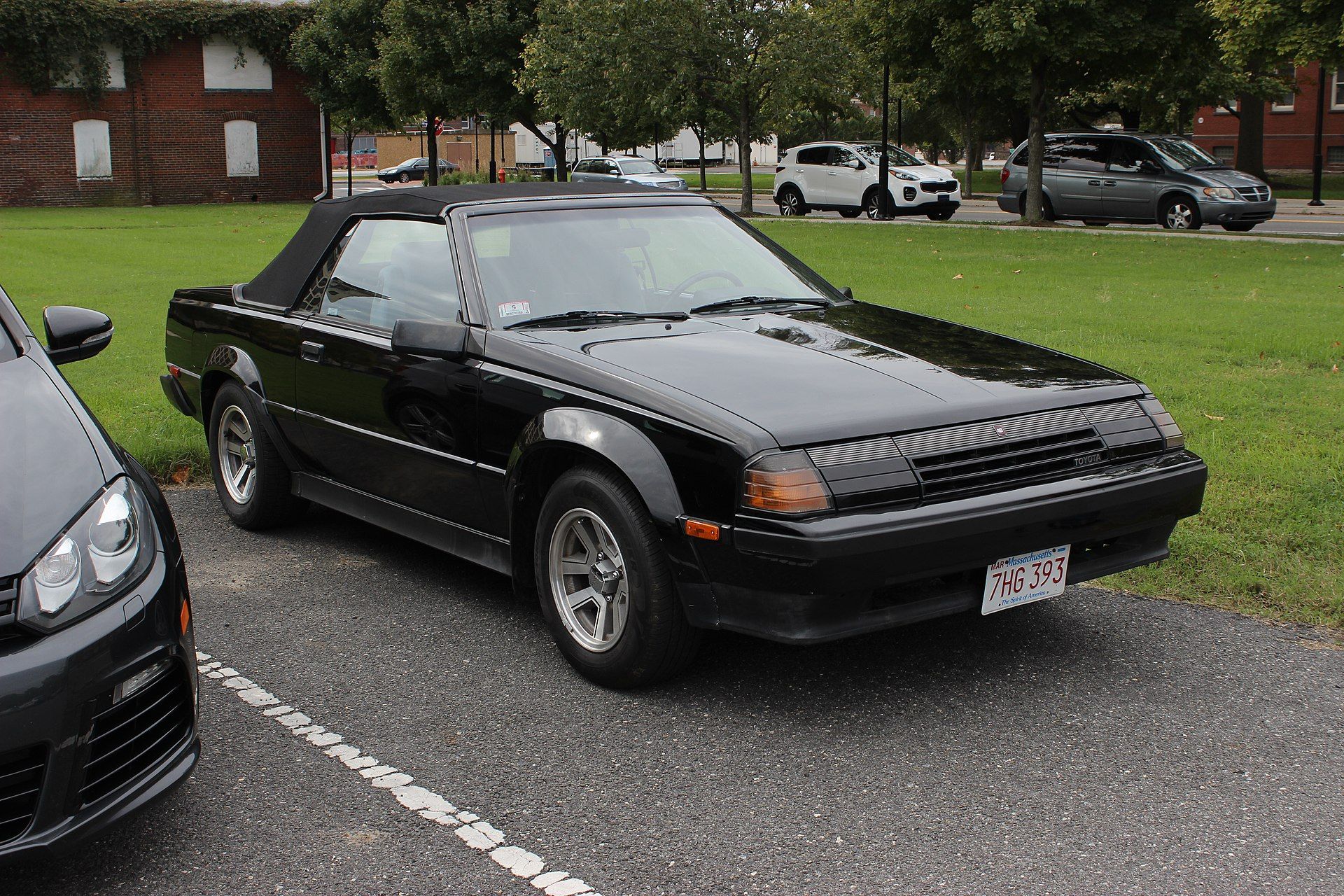
The 1985 Toyota Supra represents the ultimate refinement of the second-generation (A60) chassis, balancing lightweight agility with a smooth inline-six engine. Its combination of Lotus-tuned handling, aggressive "P-Type" styling, and 1980s analog charm makes it a more engaging and accessible driver’s car than many modern, over-engineered alternatives.
In the landscape of classic car collecting in 2026, few vehicles evoke the same sense of nostalgia and mechanical purity as the 1985 Toyota Celica Supra. While the fourth-generation (A80) often steals the spotlight due to its pop-culture fame and the legendary 2JZ-GTE engine, the 1985 model (the peak of the MKII generation) offers a distinct "win" for enthusiasts who prioritize driving feel, iconic 1980s aesthetics, and a manageable entry point into the world of vintage Japanese performance.
The Pinnacle of the A60 Generation
To understand why the 1985 model "wins," one must look at the evolution of the Celica Supra. The second generation, produced from 1982 to 1986, was the era when the Supra truly began to distance itself from the standard Celica. By 1985, Toyota had perfected the formula. It featured the most powerful version of the 5M-GE engine, the most refined interior options, and the definitive "wide-body" look that defined the decade.
The 1985 model year was the last full year of production for the A60 before the mid-1986 introduction of the heavier, more complex MKIII. Consequently, the '85 stands as the lightest, most sorted version of the original "Supra" identity. It captures a specific moment in automotive history where Toyota was aggressively proving it could out-engineer European and American competitors in the grand touring segment.
The Heart of the Beast: The 5M-GE Engine
The soul of the 1985 Supra is the 5M-GE 2.8-liter DOHC inline-six. While 161 horsepower and 169 lb-ft of torque may seem modest by 2026 standards, the way this engine delivers its power is what makes it a winner.
Smoothness and Reliability
The 5M-GE is an interference-free engine known for its incredible balance. As an inline-six, it possesses natural primary and secondary balance, resulting in a vibration-free rev range that modern turbocharged four-cylinder engines struggle to replicate. In 1985, Toyota updated the engine with a revised knock sensor and a slightly higher compression ratio, ensuring it was the most potent iteration of the 5M series.
The Mechanical Connection
Unlike modern drive-by-wire systems, the 1985 Supra utilizes a physical throttle cable. This provides an immediate, linear connection between the driver's foot and the engine's intake. There is no computer intervention smoothing out your inputs; the car responds exactly to what you command. For the purist, this mechanical honesty is a major reason why the '85 model continues to win over modern sports cars that often feel "filtered" through electronic assists.
The Lotus Connection: Handling and Suspension
One of the best-kept secrets of the 1985 Supra’s success is its DNA. During the early 1980s, Toyota and Lotus shared a technical partnership. Lotus engineers provided significant input into the suspension tuning of the A60 Supra.
The 1985 model features a fully independent suspension setup—MacPherson struts in the front and a semi-trailing arm design in the rear. For 1985, the spring rates and shock valving were at their most refined. The result is a car that feels surprisingly modern in its composure. It doesn't crash over bumps like many 40-year-old vehicles, nor does it feel disconnected. It has a "tossable" nature that was lost in the later, heavier generations.
The P-Type vs. L-Type Distinction
In 1985, the Supra was offered in two distinct flavors: the Performance Type (P-Type) and the Luxury Type (L-Type).
- P-Type: This is the version that most collectors covet today. It featured fiberglass fender flares, wider 14x7-inch aluminum alloy wheels, and 8-way adjustable sport seats. Most importantly, it often came with a limited-slip differential (LSD), which is crucial for spirited driving.
- L-Type: This version focused on a more understated look, with narrower wheels, no flares, and a digital instrument cluster that looked like it was ripped straight out of a science fiction movie.
The P-Type's aggressive stance and mechanical grip are primary reasons the 1985 model is considered the aesthetic and functional peak of the era.
1980s Design: Pop-Ups and Geometric Perfection
From a design perspective, the 1985 Supra is a masterclass in the "wedge" era of automotive styling. It features the quintessential 80s hallmark: pop-up headlights. These are not just a gimmick; they allow for a low, aerodynamic nose that gives the car a predatory silhouette.
The '85 model specifically benefited from several cosmetic updates that earlier MKIIs lacked. It featured a wrap-around front turn signal design and a revised rear spoiler that integrated more seamlessly with the hatch. The "Supra" branding across the rear light bar became more prominent, cementing its identity.
Inside, the cabin is a shrine to 1980s ergonomics. The 1985 "P-Type" seats are frequently cited as some of the best factory seats ever produced. They feature pneumatic lumbar support and adjustable side bolsters, allowing the driver to "dial in" the seat to their body—a feature that many modern luxury cars still charge a premium for today.
Comparing the 1985 Supra to its Contemporaries
To understand why the '85 Supra wins, it must be measured against its rivals from the same period.
| Feature | 1985 Toyota Supra (P-Type) | 1985 Nissan 300ZX (Z31) | 1985 Mazda RX-7 (FB) |
|---|---|---|---|
| Engine Type | 2.8L Inline-6 (DOHC) | 3.0L V6 (SOHC) | 1.1L Rotary (12A/13B) |
| Horsepower | 161 hp | 160 hp | 101 - 135 hp |
| Suspension | Lotus-Tuned Independent | Independent | Live Rear Axle (mostly) |
| Weight | ~3,000 lbs | ~3,100 lbs | ~2,400 lbs |
| Character | Balanced Grand Tourer | Tech-Heavy Cruiser | Pure Lightweight Sports |
| Reliability | High (Iron Block) | Moderate (Timing Belt) | Moderate (Apex Seals) |
The Supra won this era by providing the most "complete" package. While the RX-7 was lighter, it lacked the torque and long-distance comfort of the Supra. While the 300ZX was futuristic, its SOHC V6 lacked the rev-happy nature of Toyota's DOHC inline-six. The 1985 Supra sat in the "Goldilocks" zone of performance, reliability, and style.
Ownership in 2026: The Practicality of a Legend
In 2026, the 1985 Supra is no longer just a "used car"; it is a bona fide classic. However, unlike many European classics of the same age, the Supra remains remarkably viable for the average enthusiast.
Parts Availability
While some interior trim pieces have become difficult to find (NLA - No Longer Available), the mechanical components are robust. The 5M-GE shares many internal philosophies with later Toyota engines, and a dedicated community of aftermarket suppliers has emerged to provide high-quality reproductions of weatherstripping, bushings, and cooling system components.
Modern Upgrades
Many 1985 owners in 2026 opt for subtle "OEM+" upgrades. Replacing the original 14-inch wheels with 15 or 16-inch replicas allows for better tire selection, as high-performance 14-inch rubber has become scarce. Modern dampening technology in the shocks can also further enhance the Lotus-tuned handling without ruining the car's vintage character.
Value and Investment
The 1985 model has seen a steady rise in value. According to historical auction data from platforms like Bring a Trailer, clean, low-mileage examples of the 1985 P-Type have begun to command prices that rival the MKIII and early MKIV non-turbo models. It is perceived as a "safer" investment because it lacks the complex electronics and turbocharging issues that plague later 80s and 90s performance cars.
Common Challenges and Solutions
Despite its "winning" status, the 1985 Supra is a 40-year-old machine. Prospective owners should be aware of a few specific areas that require attention:
- Rust: Like all Japanese cars of the 1980s, the A60 is prone to rust in the rear hatch, wheel arches, and rocker panels. Finding a "dry" car from a desert climate is the single most important factor in a successful purchase.
- Vacuum Leaks: The 5M-GE uses an extensive network of vacuum lines to control everything from idle speed to emissions. Replacing these with modern silicone lines is a common and necessary weekend project.
- Oil Leaks: The cam tower gaskets on the 5M-GE are notorious for weeping oil over time. While not a catastrophic failure, it requires a methodical teardown of the top end of the engine to fix properly.
- Differential Noise: The limited-slip differentials can whine if the fluid hasn't been changed regularly. Using a high-quality gear oil with the correct friction modifiers is essential.
Frequently Asked Questions
Is the 1985 Supra faster than a modern car?
In a straight line, no. Most modern family sedans will out-accelerate a stock 1985 Supra. However, speed is not why the 1985 model "wins." It wins on engagement, steering feedback, and the tactile sensation of driving. It feels fast because you are intimately involved in the process of generating that speed.
What is the difference between an 1984 and a 1985 Supra?
While they look nearly identical, the 1985 model received a few final tweaks. This includes the move to a 4.10:1 rear gear ratio for the manual transmission cars (improving acceleration) and the standardization of the two-piece rear spoiler. The engine also saw minor internal refinements for better longevity.
Can I daily drive a 1985 Supra in 2026?
Technically, yes. The 5M-GE is exceptionally reliable if maintained. However, due to the scarcity of body panels and the lack of modern safety features like side-curtain airbags and advanced crumple zones, most owners reserve them for weekend drives and car meets.
How do I identify a true P-Type?
Look for the factory fiberglass fender flares and the "P" designation on the door jamb sticker. A true P-Type will also have the 14x7 wheels (unless changed) and the iconic 8-way adjustable sport seats with the pump-up lumbar bulb on the side.
Is the automatic transmission version worth buying?
The A43DE 4-speed automatic was quite advanced for its time, featuring an "ECT" (Electronic Control Transmission) switch for Power or Normal modes. While the 5-speed W58 manual is more desirable for enthusiasts, the automatic is a smooth cruiser that suits the "Grand Touring" nature of the L-Type perfectly.
The Verdict: Why It Still Wins
The 1985 Toyota Supra wins because it occupies a unique space where reliability meets personality. It is a car that you can work on yourself in your garage, yet it is sophisticated enough to take on a long-distance road trip without fatigue. It represents a time when Toyota was building cars to a standard of "over-engineering" that became legendary.
For the driver who wants the "rad" 80s aesthetic without the headaches of more temperamental European counterparts, the '85 Supra remains the ultimate choice. It is a mechanical time capsule that reminds us that driving was once about the connection between man and machine, rather than the screen size of the infotainment system.
Next Steps for Potential Buyers: If you are looking to acquire a 1985 Supra, prioritize the "P-Type" with a manual transmission. Ensure you inspect the "sunroof tracks" and "rear hatch seal" for signs of water ingress, as these are common points of failure that lead to hidden rust. Join the CelicaSupra.com forums, which remain the definitive knowledge base for this chassis even in 2026.