Increasing your chances of conception involves a combination of timing, physiological health, and lifestyle adjustments. By focusing on identifying your most fertile window, optimizing reproductive health for both partners, and addressing modifiable risk factors, you can improve the efficiency of your efforts. Understanding the science behind these changes is the first step toward building a proactive fertility plan.
1. Precisely Time Intercourse Around Ovulation
The most critical factor in achieving pregnancy is the timing of sexual intercourse relative to ovulation. A woman is fertile for only a short window each cycle—typically the five days leading up to ovulation and the day of ovulation itself. This is because sperm can survive inside the female reproductive tract for up to five days, while the egg is only viable for approximately 12 to 24 hours after release.
To maximize your chances, aim to have intercourse every one to two days during this fertile window. Relying solely on a calendar-based method is often insufficient because cycles can fluctuate. Instead, utilize tools such as ovulation predictor kits (OPKs), which detect a surge in luteinizing hormone (LH) in your urine, or track your basal body temperature (BBT) and cervical mucus consistency. These physiological indicators offer a more accurate, real-time assessment of when you are approaching your peak fertility.
2. Optimize Male Reproductive Health
Fertility is a shared endeavor. Research indicates that male factor infertility contributes to nearly half of all cases where couples struggle to conceive. Sperm health is defined by concentration, motility (the ability to move), and morphology (the shape of the sperm).
Lifestyle factors play a significant role in sperm production, which typically follows a 70-to-90-day cycle. Men should avoid excessive heat exposure, such as hot tubs or saunas, which can temporarily impair sperm quality. Furthermore, maintaining a balanced diet rich in antioxidants—such as vitamin C, vitamin E, and selenium—can help protect sperm from oxidative stress. If you have concerns about sperm count or quality, a semen analysis performed by a urologist or reproductive endocrinologist is the gold standard for gathering actionable data.
3. Achieve and Maintain a Healthy Body Mass Index (BMI)
Weight management is a major determinant of fertility for both men and women. For women, adipose tissue influences the production and metabolism of hormones, including estrogen. Being significantly underweight or overweight can lead to ovulatory dysfunction, where the ovaries fail to release an egg regularly.
Conversely, for men, obesity is linked to lower testosterone levels and increased levels of estrogen, which can negatively affect sperm quality. The goal is to reach a healthy weight range (typically a BMI of 18.5 to 24.9) through sustainable lifestyle changes rather than rapid, restrictive dieting. Consult with a healthcare provider to determine a target weight that supports hormonal balance without creating nutritional deficiencies.
4. Prioritize Preconception Nutrition and Supplementation
Preparing your body for pregnancy begins months before conception. Nutritional status directly impacts egg and sperm quality. A balanced diet should emphasize whole foods, including leafy greens, lean proteins, healthy fats, and complex carbohydrates.
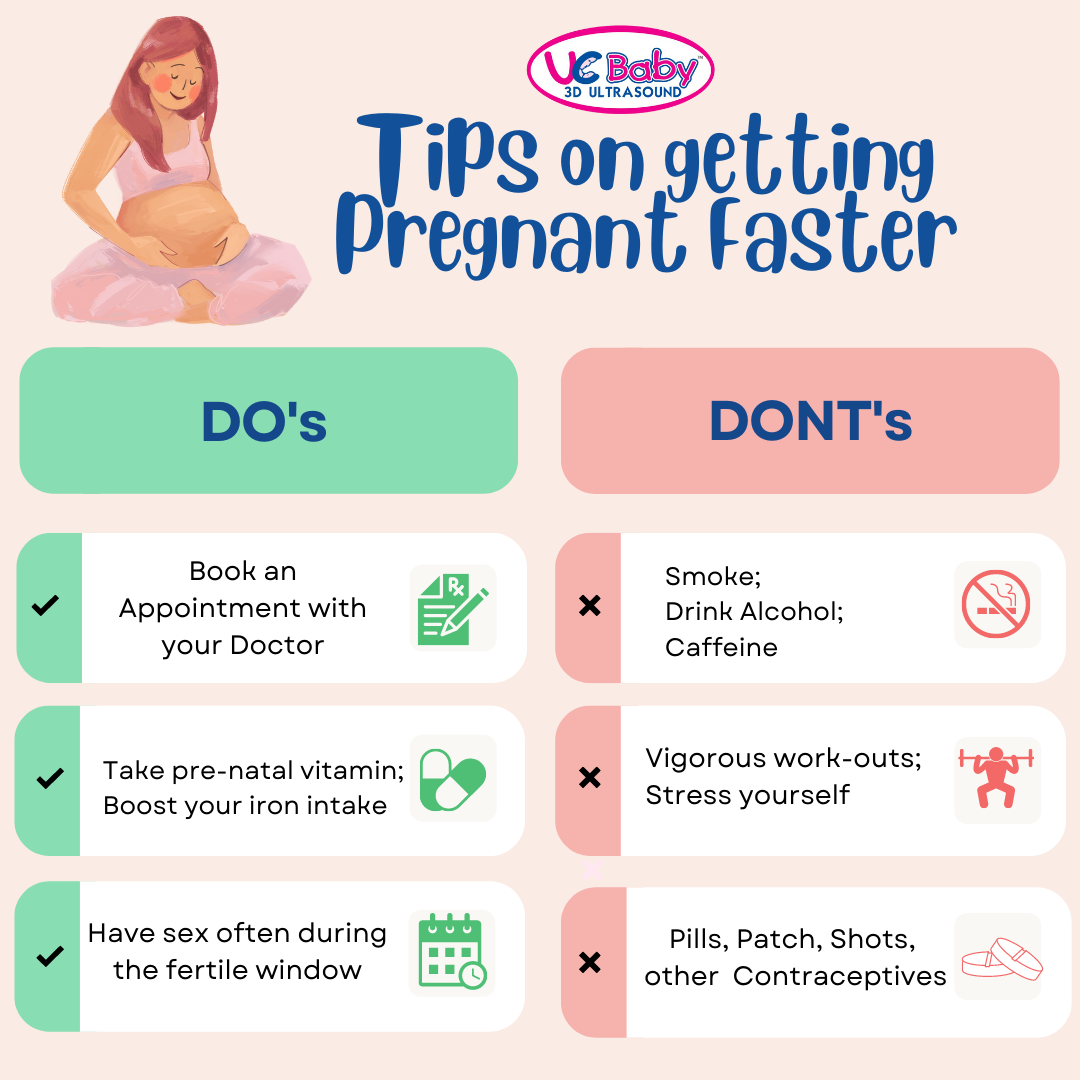
Supplementation is also vital. The most well-established recommendation is the intake of folic acid (or folate). The American College of Obstetricians and Gynecologists recommends that those planning a pregnancy take at least 400 micrograms of folic acid daily to help prevent neural tube defects in the developing fetus. Additionally, ensure adequate intake of iron, calcium, and vitamin D. Avoid megadoses of vitamins, as excessive intake of certain nutrients can be harmful. Always verify any supplement regimen with a physician to ensure it aligns with your specific health history.
5. Eliminate Environmental and Lifestyle Toxins
Certain substances and environmental exposures can disrupt the delicate hormonal signals required for conception. Smoking, heavy alcohol consumption, and the use of recreational drugs have been clinically proven to reduce fertility in both partners.
- Tobacco: Smoking is linked to accelerated ovarian aging and decreased sperm count.
- Alcohol: Moderate to heavy intake may interfere with the reproductive hormones necessary for ovulation and sperm development.
- Environmental Toxins: Exposure to endocrine-disrupting chemicals, such as certain pesticides or heavy metals, may impact reproductive health. While it is difficult to avoid every environmental pollutant, limiting exposure to known toxins in cleaning supplies or plastic food containers is a prudent, evidence-based precautionary measure.
6. Manage Stress and Sleep Patterns
While stress alone is rarely the sole cause of infertility, chronic high levels of stress can lead to hypothalamic dysfunction, potentially disrupting the timing of ovulation or reducing libido. The fertility journey itself is often stressful, creating a cycle that can be difficult to break.
Prioritizing sleep is equally important. Disruptions to the circadian rhythm can affect hormone production, including the hormones that regulate the menstrual cycle. Aim for 7–9 hours of quality sleep per night. If you find the process of trying to conceive is significantly impacting your mental health, consider integrating mindfulness practices, yoga, or counseling. These activities do not just "lower stress"—they provide a necessary framework for maintaining the physical stamina and emotional resilience required for the journey.
7. Know When to Seek Professional Guidance
Evidence-based practice includes knowing when to transition from "trying at home" to "seeking medical intervention." The standard clinical definition of infertility is the inability to conceive after 12 months of regular, unprotected intercourse. However, if you are over the age of 35, or if you have a known history of conditions such as polycystic ovary syndrome (PCOS), endometriosis, or irregular cycles, it is recommended to seek a consultation after just six months of trying.
Summary of Fertility Factors
| Factor | Primary Impact | Recommended Action |
|---|---|---|
| Ovulation Timing | Maximizes egg-sperm encounter | Use OPKs or BBT tracking |
| Sperm Quality | Influences fertilization success | Avoid heat, maintain antioxidant intake |
| Weight/BMI | Hormonal regulation | Aim for healthy, sustainable weight |
| Folic Acid | Fetal development foundation | Supplement 400mcg daily |
| Substance Use | Toxicity levels | Cease smoking and limit alcohol |
| Professional Care | Diagnostic clarity | Consult specialist after 6–12 months |
Frequently Asked Questions
Does the position during intercourse affect the likelihood of getting pregnant? There is no robust clinical evidence to suggest that specific sexual positions improve the chances of conception. While gravity-based myths exist, the physiological process of sperm transport is highly efficient regardless of the physical angle of intercourse. Focus instead on the frequency of intercourse during the fertile window.
Should I stop taking birth control months before we start trying? It is generally recommended to discontinue hormonal birth control when you are ready to conceive. For most people, regular ovulation returns within a few weeks to a few months. However, if you do not see your period return within three months of stopping contraceptives, consult your healthcare provider to investigate potential underlying causes of amenorrhea.
Can "trying too hard" actually make it harder to get pregnant? "Trying too hard" is a colloquial term often used to describe the stress associated with tracking cycles or scheduling intimacy. While high stress can affect your physiology, the primary reason couples don't conceive is usually related to timing or biological factors. If tracking methods become a source of significant anxiety, consider simplified methods or seek the guidance of a fertility specialist.
Are there specific foods that "boost" fertility? No single "superfood" can guarantee pregnancy. However, the Mediterranean diet—characterized by high intake of vegetables, fruits, whole grains, and healthy fats like olive oil—has been associated with better reproductive outcomes. Focus on a diet that reduces systemic inflammation and supports hormonal health rather than looking for a single dietary miracle.
How soon can I take a pregnancy test? Most modern home pregnancy tests detect human chorionic gonadotropin (hCG) in urine. For the most accurate result, it is best to wait until the first day of your missed period. Testing too early, even if you are pregnant, can lead to a "false negative" because your body has not yet produced a detectable level of the pregnancy hormone.
Next Steps
Your next action should be to establish a clear baseline. If you have been tracking your cycle, review your data to confirm whether you are consistently identifying your ovulation window. If you have not been tracking, begin doing so for the next three cycles using a combination of calendar methods and ovulation kits. Schedule a preconception checkup with your primary care physician or OB-GYN to review your current medications, ensure your immunizations are up to date, and discuss any personal health history that may warrant early intervention.