Planning a successful company party requires balancing team engagement, logistics, and financial constraints while finding options close enough to minimize travel friction. Whether your organization operates on a shoestring startup budget or has discretionary funds for an upscale quarterly gala, sourcing localized events that cater to diverse employee preferences is essential for maximizing attendance and morale.
1. Casual Local Park or Public Green Space Gatherings (Low Budget)
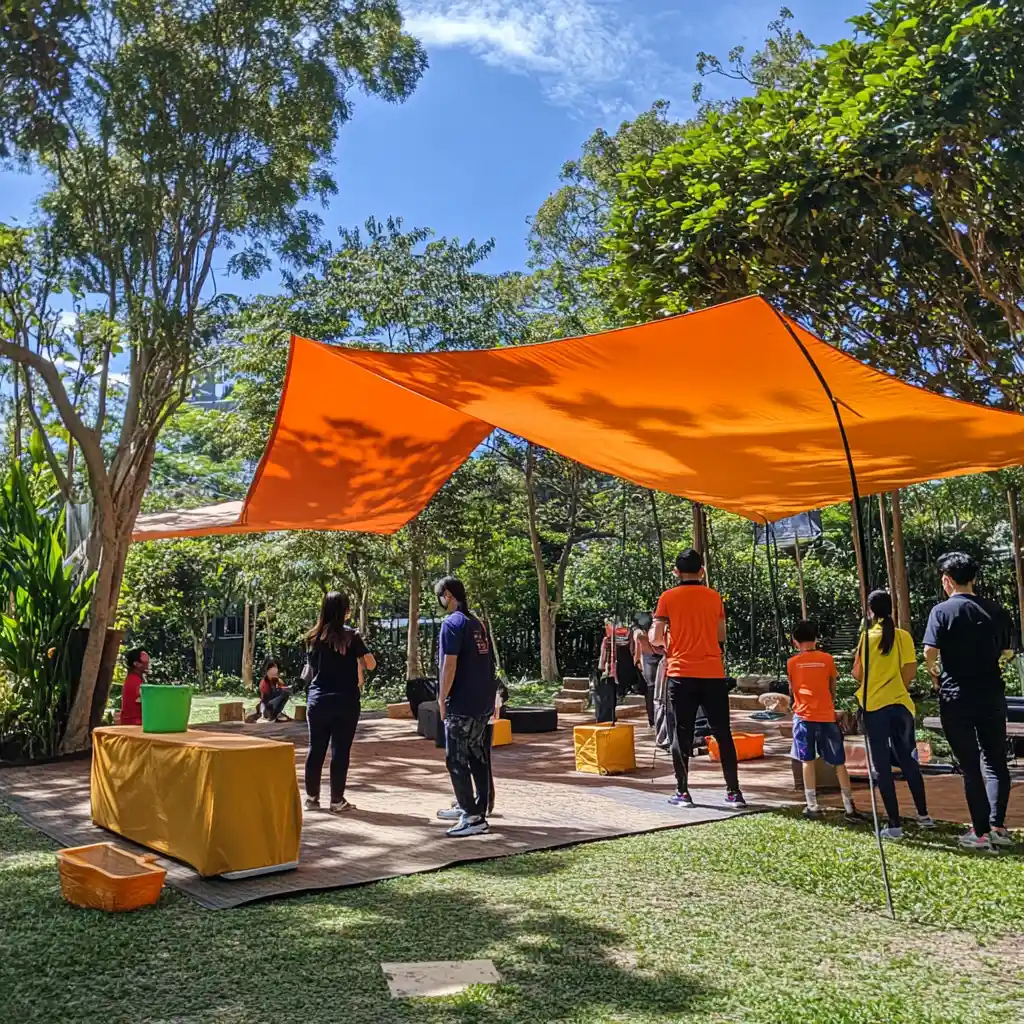
Leveraging public parks, community gardens, or municipal beaches represents one of the most cost-effective ways to host a company party without sacrificing atmosphere. Most local municipalities allow pavilion reservations for a minimal fee, or open green spaces can be utilized on a first-come, first-served basis.
To execute this effectively, plan around seasonal weather patterns and secure permits early if your local parks department requires them for groups exceeding a specific headcount. Catering can be managed via self-funded or company-sponsored potlucks, local food truck catering, or a classic catered barbecue.
- Prerequisites: Permit acquisition, weather contingency plan, dietary preference inventory.
- Estimated Cost: $0 to $300 (covering permits and basic supplies).
- Ideal Team Size: 10 to 150+ employees.
2. Interactive Local Escape Rooms and Puzzle Challenges (Moderate Budget)
Escape rooms offer structured team-building exercises that require collaboration, communication, and creative problem-solving. Because escape room facilities are widely available in most metropolitan and suburban areas, finding a venue "near me" is typically straightforward.
Most escape room businesses accommodate corporate groups by running simultaneous rooms or staging custom tournament brackets where different departments compete against the clock. Following the puzzle session, teams can walk to a nearby café or diner to debrief, keeping overall event logistics simple.
- Prerequisites: Advance group booking, headcount confirmation, accessibility screening for participants.
- Estimated Cost: $30 to $50 per person.
- Ideal Team Size: 6 to 30 employees (larger groups require staggered scheduling).
3. Private Room Rental at a Local Restaurant or Gastropub (Flexible Budget)
Booking a dedicated space at a neighborhood restaurant, brewery, or gastropub eliminates the need for external catering logistics while supporting local hospitality businesses. Many establishments offer fixed-price buffet packages, family-style sharing platters, or customized cocktail menus.
When vetting venues near your office or central employee hub, inquire about audiovisual equipment availability if you plan on presenting annual awards or hosting brief speeches. Choosing a venue with a distinct private room also ensures that corporate conversations remain private and comfortable.
- Prerequisites: Minimum spend guarantees, dietary restriction collection, reservation deposit.
- Estimated Cost: $50 to $150+ per person, depending on food and beverage selections.
- Ideal Team Size: 15 to 80 employees.
4. Collaborative Cooking Class at a Local Culinary School (Moderate to High Budget)
Culinary workshops provide a hands-on, engaging environment where teams learn new skills while preparing a shared meal together. Local culinary studios, artisanal bakeries, and specialized cooking schools often host private corporate buyouts.
Participants are divided into smaller stations to tackle different courses, fostering informal communication across hierarchical lines. Once the cooking concludes, the team sits down to enjoy the fruits of their labor, paired with local wines or craft beers if permitted by the venue.
- Prerequisites: Early booking due to limited instructor availability, detailed allergy management.
- Estimated Cost: $75 to $150 per person.
- Ideal Team Size: 10 to 25 employees (venue-dependent capacity).
5. Private Screening at an Independent or Boutique Cinema (Flexible Budget)
Independent theaters, historic movie houses, and luxury boutique cinema chains frequently rent out individual auditoriums for private corporate events. This idea works exceptionally well for celebrating a company milestone, product launch, or year-end review.
Organizations can screen a classic film, a curated reel of company highlights, or even let employees vote on a favorite movie. Many boutique theaters also provide high-end concession packages, craft cocktail service at the seats, or access to an adjoining lounge area for mingling before and after the screening.
- Prerequisites: Screening license verification (if showing commercial media), projector compatibility checks.
- Estimated Cost: $500 to $2,500+ flat rental fee, plus food and beverage minimums.
- Ideal Team Size: 20 to 100+ employees.
6. Curated Local Museum or Art Gallery Evening Tour (Moderate Budget)
Many local history museums, science centers, and contemporary art galleries offer after-hours private rentals and docent-led tours for corporate groups. This option provides a sophisticated, culturally enriching backdrop that appeals to diverse employee interests.
A museum night can be paired with light catering and wine service in the atrium or sculpture garden. Because these cultural institutions are often centrally located, they are easily accessible via public transit or short rideshares from major office districts.
- Prerequisites: After-hours facility coordination, security staff arrangements, catering vendor approval.
- Estimated Cost: $40 to $90 per person, factoring in admission and rental fees.
- Ideal Team Size: 25 to 200 employees.
7. Premium Venue Buyout or Destination Gala (High Budget)
For organizations with substantial event budgets aiming to pull out all the stops, renting a high-end local venue—such as a boutique hotel rooftop, historic estate, or performing arts center—creates an unforgettable experience.
These venues typically provide comprehensive event management support, including professional lighting, live band or DJ staging, bespoke mixology bars, and multi-course plated dinners. While requiring significant upfront planning, this approach minimizes internal administrative burden by outsourcing execution to professional hospitality teams.
- Prerequisites: Long lead times (6 to 12 months), formal contract negotiation, comprehensive liability insurance.
- Estimated Cost: $150 to $400+ per person.
- Ideal Team Size: 50 to 500+ employees.
Cost and Logistics Comparison Table
| Party Idea | Estimated Cost Range | Planning Complexity | Best Suited For |
|---|---|---|---|
| Park / Green Space | Low ($0 - $300 total) | Moderate | Casual gatherings, family-inclusive events, warm weather |
| Escape Rooms | Moderate ($30 - $50 / person) | Low | High-energy team building, small-to-midsize groups |
| Restaurant / Gastropub | Flexible ($50 - $150+ / person) | Low | Networking, dining, minimal logistical overhead |
| Cooking Class | Moderate-High ($75 - $150 / person) | Moderate | Hands-on collaboration, creative teams |
| Boutique Cinema | Flexible ($500+ venue fee + packages) | Moderate | Milestones, presentations, entertainment-focused groups |
| Museum / Gallery | Moderate ($40 - $90 / person) | Moderate-High | Cultural engagement, sophisticated networking |
| Premium Venue Buyout | High ($150 - $400+ / person) | High | Annual galas, major milestones, large workforces |
Frequently Asked Questions
How do I choose a company party idea that appeals to all employees?
The most reliable method is distributing a brief, anonymous survey with 3 to 4 categorized options (e.g., active, culinary, casual, formal). Ensure your selections account for physical accessibility, dietary restrictions, and non-drinking preferences so every team member feels included.
How far in advance should I book a local venue?
For standard restaurant spaces or escape rooms, 4 to 6 weeks is usually sufficient. However, for premium venue buyouts, holiday season dates, or specialized culinary workshops, you should begin outreach 3 to 6 months in advance to secure preferred weekend time slots.
What should be included in a company party budget?
Beyond the direct venue rental and catering costs, always allocate a 10% to 15% contingency fund for gratuities, unexpected service fees, parking validations, transportation stipends (like rideshare codes), and name tags or signage.
How can we make introverted team members comfortable at large parties?
Incorporate structured activities—such as trivia, cooking classes, or guided tours—that provide a natural focal point so conversations flow easily without forced small talk. Additionally, offer quiet breakout zones where employees can step away to recharge.
Next Steps
Begin your planning process by determining your hard financial cap per employee and surveying your team to gauge interest levels across different event styles. Once you narrow down your preferences, contact two to three local vendors to verify availability, minimum spend requirements, and accessibility features before locking in your official date.