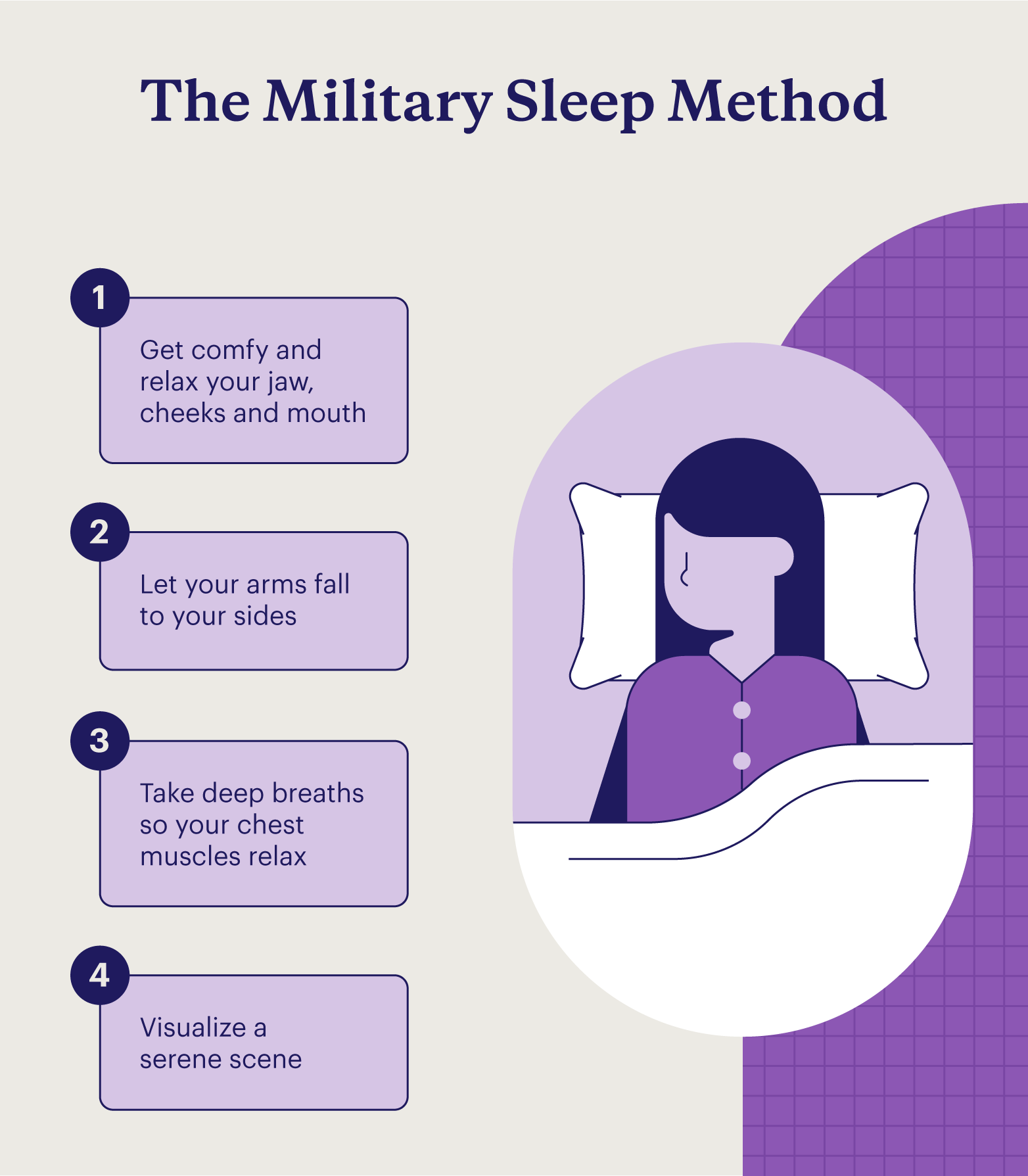
Achieving restorative rest requires a combination of behavioral adjustments, environmental optimization, and physiological alignment. The seven most effective ways to fall asleep and stay asleep include maintaining a strict circadian rhythm, optimizing your sleep environment, implementing a digital curfew, managing dietary intake before bed, utilizing cognitive wind-down techniques, mastering temperature regulation, and resolving physical discomfort through proper ergonomics.
Rest is a foundational pillar of human health, yet millions of individuals struggle nightly with sleep onset insomnia—the inability to fall asleep—and sleep maintenance insomnia, which involves frequent waking throughout the night. Chronic sleep deprivation compromises immune function, impairs cognitive performance, and elevates the risk of long-term metabolic and cardiovascular conditions. While pharmacological interventions offer temporary relief, behavioral and environmental modifications provide sustainable, long-term solutions. Grounded in sleep science and clinical chronobiology, here are the seven best strategies to transform your nights and secure deep, uninterrupted rest.
1. Anchor Your Circadian Rhythm with Consistent Timing
The human body operates on an internal master clock known as the circadian rhythm, managed by the suprachiasmatic nucleus in the hypothalamus. This biological clock regulates cortisol, melatonin, and core body temperature fluctuations over a roughly 24-hour cycle. When your sleep and wake times fluctuate wildly between weekdays and weekends—a phenomenon known as social jetlag—your biological clock becomes misaligned, making it difficult for the body to recognize when it should produce sleep-inducing hormones.
Establishing a Fixed Wake Time
The single most powerful anchor for your circadian rhythm is waking up at the exact same time every single day, regardless of how poorly you slept the night before. While sleeping in on weekends feels restorative, it shifts your circadian phase later, making Sunday night insomnia almost guaranteed. By waking up consistently, you build homeostatic sleep pressure—a biochemical drive driven by the accumulation of adenosine in the brain—ensuring that you will naturally feel tired at the appropriate hour the following evening.
Morning Phototherapy
Exposing your eyes to natural sunlight within thirty minutes of waking reinforces your circadian anchor. Photons hit retinal ganglion cells, which signal the brain to suppress melatonin production and spike cortisol, effectively kickstarting your daytime alertness and signaling the biological clock that a new day has begun. Aim for at least 15 to 30 minutes of outdoor morning light, or use a certified 10,000-lux light therapy box if natural sunlight is unavailable.
2. Optimize Your Bedroom Environment for Sensory Deprivation
Your bedroom should function as a dedicated sanctuary exclusively reserved for sleep and intimacy. Evolutionary biology dictates that humans remain hyper-vigilant to environmental stimuli during sleep; even minor sensory inputs can trigger micro-arousals that pull you out of deep and REM (Rapid Eye Movement) sleep stages without fully waking you up.
Light Control and Blackout Solutions
Melatonin, the primary hormone responsible for facilitating sleep onset, is profoundly sensitive to light exposure. Even ambient light from streetlamps, alarm clocks, or standby LEDs can penetrate closed eyelids and disrupt pineal gland output. Install blackout curtains or shades that extend beyond the window frame to eliminate external light pollution. Remove or cover all glowing electronic indicators within the sleeping area.
Acoustic Mitigation and Sound Masking
Sudden acoustic changes—such as passing traffic, plumbing noises, or barking dogs—frequently cause nocturnal awakenings. If you cannot eliminate these sounds, introduce a consistent, low-frequency soundscape. White noise machines or pink noise generators create an acoustic blanket that raises your auditory arousal threshold, masking sudden sound spikes and smoothing out the sonic environment.
3. Implement a Strict Digital Curfew
The proliferation of smartphones, tablets, and LED-backlit televisions has decimated modern sleep hygiene. Electronic devices emit short-wavelength blue light, which peaks around 460 to 480 nanometers. This specific spectral band mimics daytime sunlight, vigorously signaling the retina's intrinsically photosensitive retinal ganglion cells to halt melatonin secretion.
Cognitive Stimulation and Late-Night Stress
Beyond the optical effects of screens, the content consumed on digital devices poses a significant psychological hurdle. Engaging with work emails, social media feeds, or distressing news alerts activates the sympathetic nervous system—the fight-or-flight mechanism—releasing adrenaline and cortisol. This biochemical state is entirely incompatible with sleep onset, which requires a dominance of the parasympathetic nervous system.
Creating the Wind-Down Buffer
Establish a digital curfew at least 60 to 90 minutes before your targeted bedtime. Power down all smartphones, laptops, and televisions, placing them outside the bedroom entirely. Replace digital consumption with analog activities such as reading a physical book under warm, dim lighting, journaling, or listening to calming instrumental music.
4. Manage Dietary Intake and Stimulant Timelines
What you consume throughout the day, and particularly in the hours leading up to bedtime, dictates the stability of your nocturnal physiology. Digestion, metabolic processing, and chemical clearance all directly influence your ability to transition into deep, undisturbed rest.
The Pharmacokinetics of Caffeine and Alcohol
Caffeine is a competitive adenosine receptor antagonist. It blocks adenosine—the chemical responsible for building up your sleep drive—from binding to its receptors, masking fatigue rather than eliminating it. Because caffeine has an average half-life of 5 to 7 hours (and a quarter-life of up to 12 hours), a mid-afternoon coffee leaves significant chemical traces in your bloodstream by bedtime. Cease all caffeine consumption by noon.
While many individuals use alcohol as a sedative because it induces initial drowsiness, its metabolization wrecks the second half of the night. As the liver breaks down alcohol, it produces aldehyde byproducts that trigger sympathetic activation, leading to frequent night awakenings, vivid nightmares, suppressed REM sleep, and severe dehydration.
Strategic Evening Nutrition
Avoid heavy, high-fat, or heavily spiced meals within three hours of bedtime. Digestion slows down significantly during sleep, and lying flat with a stomach full of digesting food can trigger acid reflux, gastrointestinal distress, and elevated core body temperatures. If you experience nocturnal hunger, opt for a small, tryptophan- and carbohydrate-rich snack, such as a banana with a small handful of almonds, which aids in the natural synthesis of serotonin and melatonin.
5. Master Core Body Temperature Regulation
Thermoregulation is intimately tied to the human sleep cycle. To initiate sleep, your core body temperature must drop by approximately 1 to 2 degrees Fahrenheit. This physiological cooling process is orchestrated by the dilation of blood vessels in your hands and feet—a process known as vasodilation—which releases internal heat through the skin's surface.
The Warm Bath Protocol
Taking a hot bath or shower 90 minutes before bed accelerates this cooling mechanism. When you immerse yourself in warm water, blood rushes to the peripheral extremities. Upon stepping out of the bath, your body rapidly redistributes that heat away from your core, causing a sharp, compensatory drop in internal core temperature that signals to the brain that it is time to sleep.
Ambient Room Temperature
Keep your bedroom cool. Clinical sleep research consistently demonstrates that an ambient room temperature between 60 and 67 degrees Fahrenheit (15 to 19 degrees Celsius) is optimal for maintaining uninterrupted sleep. Temperatures above 75 degrees Fahrenheit disrupt REM sleep and increase restlessness, as the body struggles to shed excess heat.
6. Utilize Cognitive and Somatic Wind-Down Techniques
Racing thoughts and anticipatory anxiety are leading causes of sleep onset delay. When your mind fixates on tomorrow's to-do list or replays stressful events, physiological arousal spikes. You cannot force sleep; instead, you must create the optimal neurological conditions that allow sleep to overtake you passively.
Cognitive Shuffling and Brain Dumps
If your mind is active at bedtime, execute a "brain dump" by writing down every lingering task, worry, or thought on a physical piece of paper. This externalization acts as a cognitive offloading mechanism, assuring your brain that the information is safely stored and does not need to be actively monitored throughout the night.
For persistent rumination, practice cognitive shuffling—a technique developed by cognitive scientists to disrupt linear thought patterns. By visualizing a neutral word and slowly generating random objects starting with each letter of that word (for example, letter "A" for apple, anchor, ant), you trick the brain into simulating the random, disjointed neural firing patterns that naturally precede sleep onset.
Somatic Relaxation Practices
Incorporate progressive muscle relaxation (PMR) or diaphragmatic breathing exercises once you are in bed. Box breathing—inhaling for four seconds, holding for four, exhaling for four, and holding for four—stimulates the vagus nerve, immediately shifting your autonomic nervous system from sympathetic strain to parasympathetic relaxation by lowering your heart rate and blood pressure.
7. Resolve Physical Discomfort Through Ergonomic Alignment
Unresolved physical discomfort is a primary driver of sleep maintenance insomnia. Tossing and turning throughout the night is frequently the body's subconscious attempt to relieve pressure points, correct spinal misalignment, or alleviate muscular tension that builds up due to poor ergonomic support.
Mattress and Pillow Selection
Your mattress must provide adequate spinal support while contouring to your body's natural curves to prevent pressure accumulation at the hips and shoulders. Side sleepers generally require a softer mattress and a thicker pillow to bridge the gap between the ear and the outside of the shoulder, maintaining a neutral cervical spine. Back and stomach sleepers typically require a firmer mattress and a thinner, flatter pillow to prevent the neck from craning upward or the lower back from hyperextending.
Positional Adjustments
If you suffer from chronic lower back pain, place a pillow beneath your knees when sleeping on your back, or between your knees when sleeping on your side. This simple modification neutralizes the pelvic tilt, relieves strain on the lumbar spine, and drastically reduces nocturnal micro-movements that disrupt sleep continuity.
| Technique | Primary Mechanism | Implementation Timing | Expected Benefit |
|---|---|---|---|
| Circadian Anchoring | Stabilizes internal biological clock and hormone release | Daily upon waking | Faster sleep onset, deeper sleep drive |
| Environmental Control | Eliminates sensory disruptions and light-based melatonin suppression | Continuous / Evening | Reduced night awakenings |
| Digital Curfew | Prevents short-wavelength light exposure and mental arousal | 60–90 minutes pre-bed | Lowered cognitive alertness, easier transition |
| Dietary Management | Clears adenosine blockers and stabilizes digestion | Afternoon and evening | Uninterrupted deep sleep stages |
| Temperature Regulation | Triggers core body cooling via peripheral vasodilation | 90 minutes pre-bed | Faster sleep onset, stable REM cycles |
| Cognitive Wind-Down | Deactivates sympathetic nervous system and racing thoughts | Bedtime | Reduced sleep onset latency |
| Ergonomic Alignment | Eliminates physical pain points and spinal strain | Continuous | Minimized tossing, turning, and micro-arousals |
Frequently Asked Questions
What is the 4-7-8 breathing technique, and does it help you fall asleep?
The 4-7-8 breathing technique is a somatic relaxation exercise developed by Dr. Andrew Weil. It involves inhaling quietly through the nose for 4 seconds, holding the breath for 7 seconds, and exhaling audibly through the mouth for 8 seconds, repeated for four breath cycles. It works by forcing the nervous system to slow down heart rate and increase vagal nerve tone, making it an effective tool to quiet a racing mind and ease sleep onset.
How long does it take to reset a broken sleep schedule?
Resetting a misregulated circadian rhythm typically takes between several days to two weeks of strict adherence to a consistent wake time and evening wind-down routine. The exact timeline depends on the severity of the prior misalignment, your age, and your consistency with morning light exposure and evening darkness.
Is it normal to wake up briefly during the night?
Yes, normal human sleep architecture consists of multiple 90-minute sleep cycles. Brief awakenings—lasting less than two minutes—between these cycles are entirely natural, and most people do not consciously remember them. However, if you wake up fully and struggle to fall back asleep for more than 20 minutes, it indicates an underlying disruption in your sleep drive, stress levels, or physiological environment.
What should I do if I wake up in the middle of the night and cannot fall back asleep?
If you remain awake for more than 20 minutes, get out of bed and move to a dimly lit area of your home. Engage in a quiet, low-stimulation activity such as reading a physical book or practicing gentle stretching until you feel drowsy. Staying in bed while frustrated conditions your brain to associate the mattress with wakefulness and anxiety rather than rest.
Are sleep tracking devices accurate enough to diagnose sleep disorders?
Consumer-grade wearable sleep trackers and smart rings provide useful general trends regarding sleep duration and basic sleep stage estimations, but they lack the clinical precision required to diagnose medical sleep disorders like obstructive sleep apnea or chronic insomnia. They measure movement and heart rate variability (HRV) rather than direct brain activity, so they should be used as motivational wellness tools rather than diagnostic medical equipment.
Next Steps for Sustainable Rest
Transforming your sleep quality requires patience and systematic implementation rather than an overnight fix. Begin by locking in a single, unyielding wake-up time every morning and maximizing your morning light exposure. Once that baseline is established, systematically address your evening environment by introducing a digital curfew, cooling down your bedroom, and refining your pre-sleep cognitive routine. If chronic sleep disturbances persist despite weeks of rigorous behavioral hygiene adjustments, consult a qualified sleep physician or primary care provider to rule out underlying physiological conditions such as restless legs syndrome or sleep apnea.