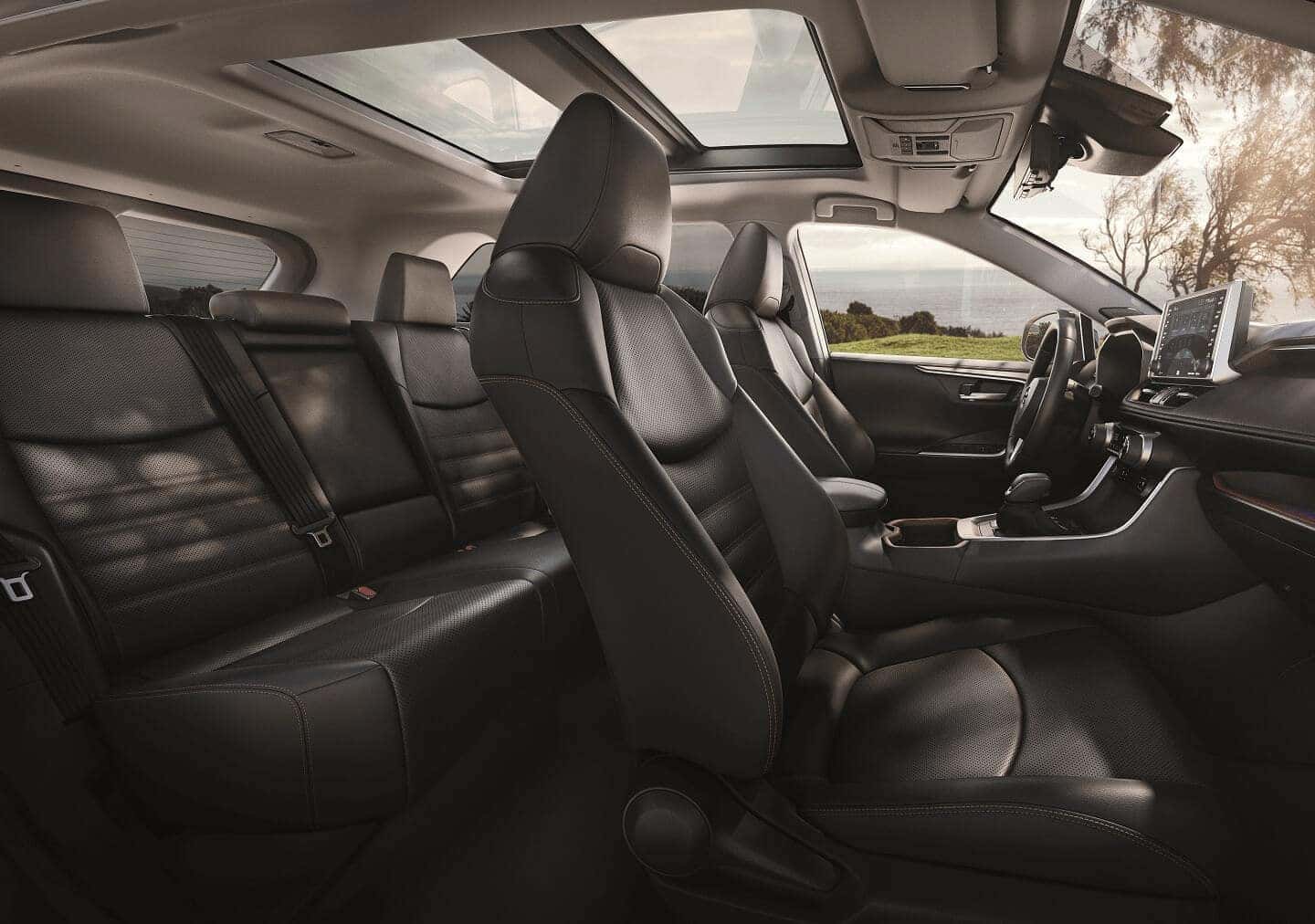
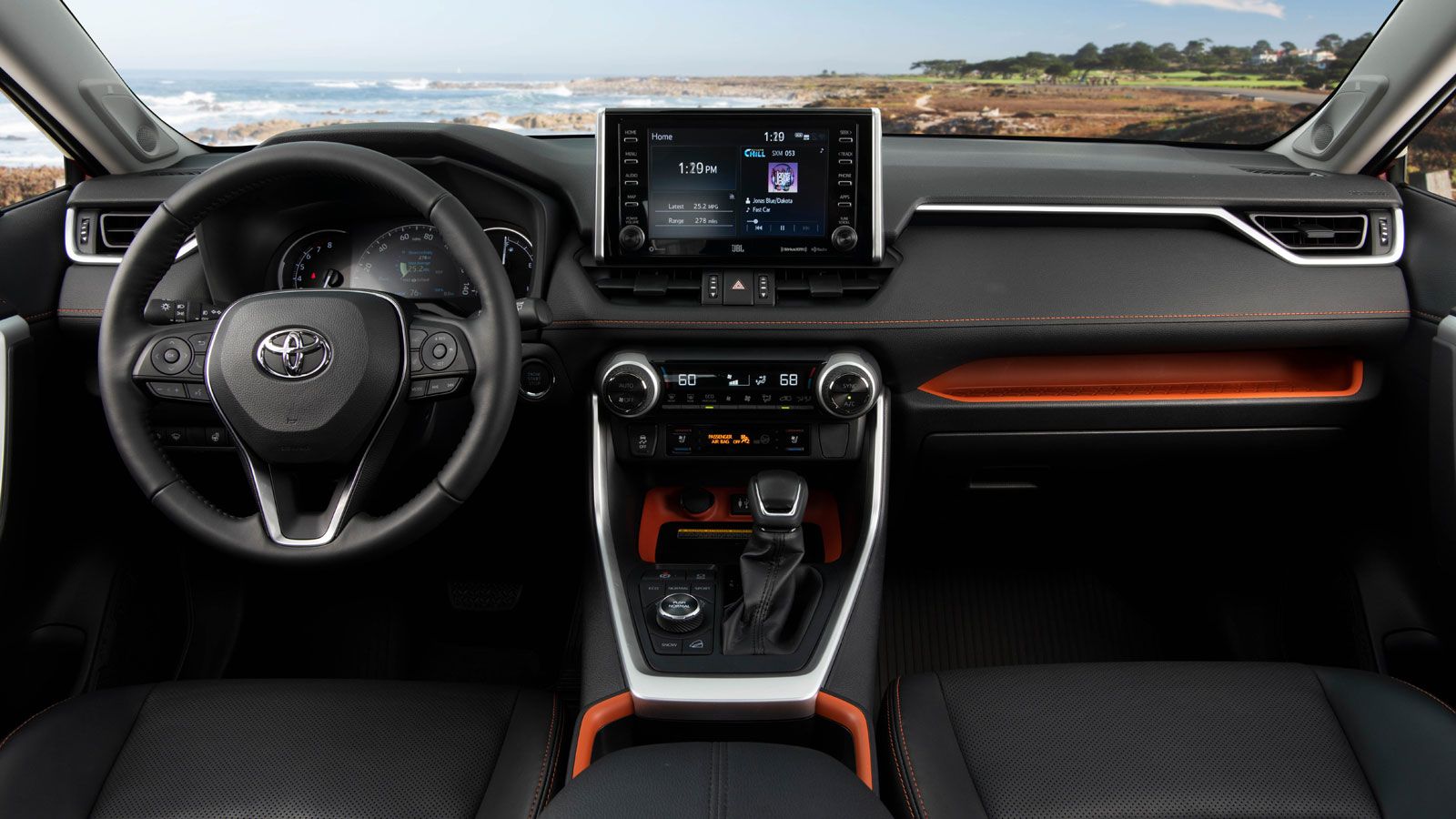
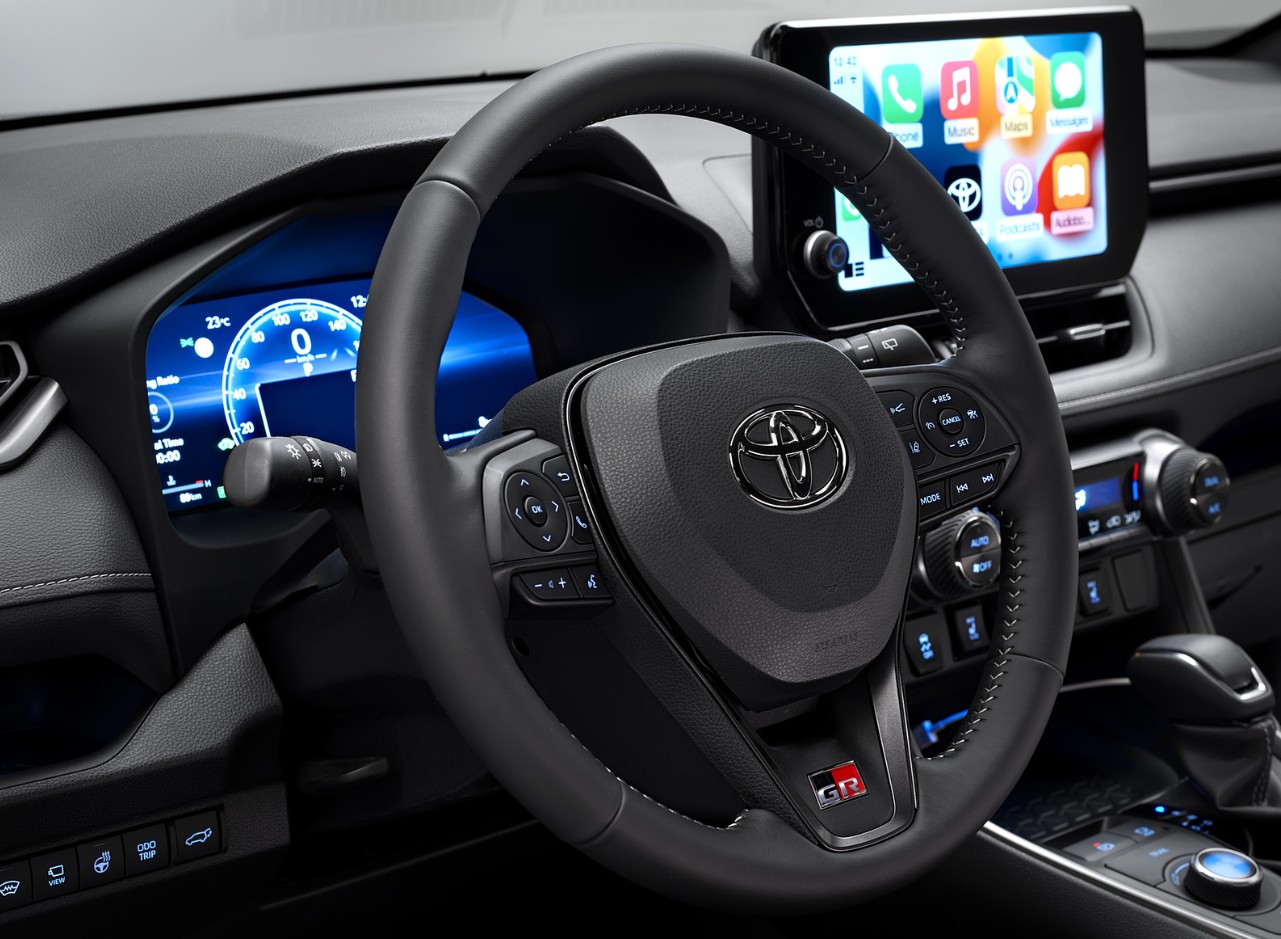
The 2019 Toyota RAV4 transition marked the introduction of the fifth-generation (XA50), shifting the interior from a utilitarian, dated aesthetic to a rugged, high-tech, and ergonomically focused environment. Key changes included a floating infotainment screen, premium SofTex materials with bold accents, a digital rearview mirror, rubberized tactile controls, and a significant overhaul of storage solutions.
The 2019 Toyota RAV4 remains a pivotal vehicle in the compact SUV segment. When it launched, it didn't just iterate on the previous design; it completely reimagined what a Toyota crossover cabin should feel like. By moving to the Toyota New Global Architecture (TNGA-K) platform, engineers were able to widen the track and lower the center of gravity, which fundamentally changed the interior dimensions and the driver’s seating position. As of 2026, the 2019 model continues to be a high-volume leader in the pre-owned market, largely because these interior changes set a benchmark that many competitors are still chasing.
However, these updates were not without controversy. While many praised the bold new direction, others found specific omissions and design choices to be polarizing. Below, we examine the five most impactful changes and the debates that continue to surround this specific model year.
1. The Transition to a Floating Infotainment Screen
One of the most immediate visual changes in the 2019 RAV4 was the relocation of the infotainment display. In the 2018 model, the screen was integrated into the center stack, flush with the surrounding plastic. For 2019, Toyota adopted a "floating" or "tablet-style" design.
Technical Implementation
The standard screen size was 7 inches, with an 8-inch option available on higher trims (Limited, Adventure, and XSE). This placement moved the screen higher on the dashboard, closer to the driver's line of sight. From a technical standpoint, this reduced the time the driver's eyes were off the road, a significant safety improvement. The system featured Toyota’s Entune 3.0, which introduced a more modern UI and better response times compared to previous iterations.
The Connectivity Debate
This change sparked the most heated debate of the 2019 model year: the inclusion of Apple CarPlay but the total absence of Android Auto. At the time, Toyota cited privacy concerns regarding Google's data collection as the reason for the delay. For Android users, this was a massive drawback. While later models eventually received Android Auto, 2019 owners were stuck with Toyota’s proprietary navigation or third-party workarounds. Even in 2026, this remains a primary point of negotiation in the used car market.
2. Ergonomic Overhaul and Rubberized Controls
Toyota moved away from the sleek, flat buttons of the fourth generation in favor of chunky, rubberized knobs and tactile switchgear. This was a deliberate design choice intended to align the RAV4 with Toyota’s "truck DNA," specifically drawing inspiration from the Tacoma and Tundra.
Material Science and Utility
The climate control knobs were oversized and finished with a high-grip rubber texture. The logic was functional: the RAV4 is marketed to outdoor enthusiasts who might be wearing gloves. This "chunky" aesthetic extended to the door handles and the drive mode selector.
The Aesthetic Debate
The debate here centered on "Rugged vs. Refined." Some critics argued that the rubberized controls felt "toy-like" or less premium than the piano-black finishes found in competitors like the Mazda CX-5. However, owners who prioritized longevity and ease of use frequently cited these controls as one of the best features of the 2019 redesign. The rubber resists fingerprints and is far easier to clean than glossy plastics, which tend to scratch over time.
3. Premium Material Integration and Color Accents
The 2019 RAV4 introduced a more sophisticated palette of materials, most notably the expanded use of SofTex—a synthetic leather that is lighter and more durable than genuine leather while being easier to clean.
Trim-Specific Personalization
Perhaps the most notable change was the use of bold color accents. In the Adventure trim, Toyota introduced bright orange stitching and orange-lined storage cubbies. In the XSE Hybrid, blue accents were used to denote the electrified powertrain. The dashboard itself utilized a multi-layered design with soft-touch materials on the upper sections and contrast stitching that flowed into the door panels.
The "Longevity" Debate
Critics initially questioned whether these colorful accents would age poorly or if the SofTex would crack under heavy UV exposure. Now, seven years after its release, the evidence largely supports Toyota’s material choices. The SofTex has proven remarkably resilient. The debate has shifted toward the "busy-ness" of the interior; some users find the mixture of different textures (rubber, plastic, SofTex, and metallic trim) to be visually cluttered compared to more minimalist European designs.
4. The Introduction of the Digital Rearview Mirror
The 2019 RAV4 was the first Toyota vehicle in North America to offer a Digital Rearview Mirror. This feature uses a high-resolution camera mounted at the top of the rear hatch to project a live feed onto the rearview mirror housing.
Operational Benefits
With a flip of a lever, the mirror switches from a standard reflective surface to a digital display. This solved a common SUV problem: visibility being blocked by tall rear passengers or a cargo area packed to the roof. The digital feed provides a wider field of vision and eliminates the obstruction of the D-pillars.
The Depth Perception Debate
While technologically impressive, the digital mirror created a divide among drivers. Some users reported difficulty with eye strain, as the eye must refocus from the long-distance view of the road to the short-distance view of the digital screen. Furthermore, in inclement weather, the camera lens could become obscured by salt or mud, rendering the digital mode less effective until cleaned. This debate highlights the tension between traditional mechanical solutions and modern digital enhancements.
5. Storage Solutions and Interior Packaging
The 2019 redesign focused heavily on "smart storage." This included the addition of a long shelf built into the dashboard on the passenger side and a larger center console.
Mechanical Packaging
By utilizing the TNGA-K platform, Toyota was able to optimize the interior floor. The 2019 model featured a reversible cargo floor—one side carpeted for groceries and the other side hard plastic for wet or muddy gear. Additionally, the rear seats were redesigned to fold nearly flat, providing a more versatile loading surface than the previous generation.
The Passenger Seat Height Debate
Despite the improvements in storage, a significant debate emerged regarding the passenger seat. In the 2019 model, the front passenger seat lacked a height adjustment feature, even on higher trims. For taller passengers, this meant sitting uncomfortably high, and for shorter passengers, the fixed position felt restrictive. This omission was so widely criticized that it became one of the most documented "cons" in consumer reviews, eventually leading Toyota to address it in subsequent model years.
Comparison of Interior Dimensions: 2018 vs. 2019 RAV4
To understand the scale of the 2019 changes, it is helpful to look at the raw data comparing it to the outgoing 2018 model.
| Feature | 2018 RAV4 (Gen 4) | 2019 RAV4 (Gen 5) | Change Impact |
|---|---|---|---|
| Infotainment Screen | Integrated 6.1" or 7" | Floating 7" or 8" | Better visibility, modern UI |
| Connectivity | Entune 2.0 (No CarPlay) | Entune 3.0 (CarPlay Standard) | Major tech leap (minus Android Auto) |
| Rear Seat Legroom | 37.2 inches | 37.8 inches | Marginal increase in comfort |
| Cargo Volume (Seats Up) | 38.4 cu. ft. | 37.5 cu. ft. | Slight decrease for better styling |
| Parking Brake | Mechanical Handbrake | Electronic (with Auto-Hold) | Frees up center console space |
| Digital Rearview Mirror | Not Available | Available (on higher trims) | First-in-class visibility tech |
Ongoing Debates and Long-Term Reliability
As we look at the 2019 RAV4 from the perspective of 2026, the debates have evolved from "new feature excitement" to "long-term ownership reality."
The Road Noise Concern
One of the most persistent debates regarding the 2019 interior is cabin quietness. Many owners and reviewers noted that the 2019 model had significant wind noise at highway speeds, specifically coming from the side mirrors and A-pillars. Toyota used thinner glass and different weather stripping in the 2019 model compared to later "hush" updates. In the used market today, this is often a point of contention, with some owners opting for aftermarket sound-deadening kits.
The Infotainment Stability
While Entune 3.0 was a step forward, the 2019 units were prone to software glitches in their first two years. Firmware updates have resolved most of these issues, but the debate over Toyota's software engineering vs. simply using a phone-mirroring interface (like CarPlay) continues to influence how consumers view the dash layout.
FAQ
Q: Does the 2019 Toyota RAV4 have Android Auto? No, the 2019 model only supports Apple CarPlay and Amazon Alexa. Android Auto was not introduced to the RAV4 lineup until the 2020 model year. Owners of the 2019 model must use Bluetooth for audio or look into aftermarket head unit replacements to get native Android Auto support.
Q: Is the 2019 RAV4 interior smaller than the 2018 model? Technically, the total cargo volume with the seats up decreased slightly from 38.4 to 37.5 cubic feet. However, the 2019 model's interior feels wider and more spacious for passengers due to the TNGA platform's increased width and improved ergonomic layout.
Q: Can the passenger seat height be adjusted in the 2019 model? In the 2019 model year, the passenger seat lacks a power or manual height adjustment feature across all trims. This was one of the most common complaints from early buyers. If this is a dealbreaker, you may need to look at 2021 or later models where power passenger seats became more widely available.
Q: How does the Digital Rearview Mirror perform at night? The digital mirror performs exceptionally well in low-light conditions by using high-sensitivity sensors to brighten the image. However, it can sometimes experience "flare" from the headlights of cars behind you. Most users prefer the digital mode at night because it provides a clearer view than a traditional dimmed mirror.
Q: What is SofTex, and is it better than leather? SofTex is Toyota's proprietary synthetic leather. It is designed to be more breathable than traditional vinyl and more durable than real leather. It is also vegan-friendly and highly resistant to spills. In the 2019 RAV4, it has proven to hold its shape and color very well over long-term use.
Practical Recommendation for Buyers
If you are evaluating a 2019 Toyota RAV4 in the current 2026 market, focus your inspection on the infotainment firmware version and the condition of the door seals. Ensure that all TSBs (Technical Service Bulletins) related to the roof rail leaks and side-mirror vibrations have been addressed by the previous owner, as these were common "early-generation" issues that impacted the interior experience.
The 2019 interior is ideal for those who value tactile, easy-to-use controls and a rugged aesthetic. However, if Android Auto or a highly adjustable passenger seat are priorities, you may find the 2020 or 2021 models to be a more suitable investment, as they refined the groundwork laid by this transformative 2019 redesign.