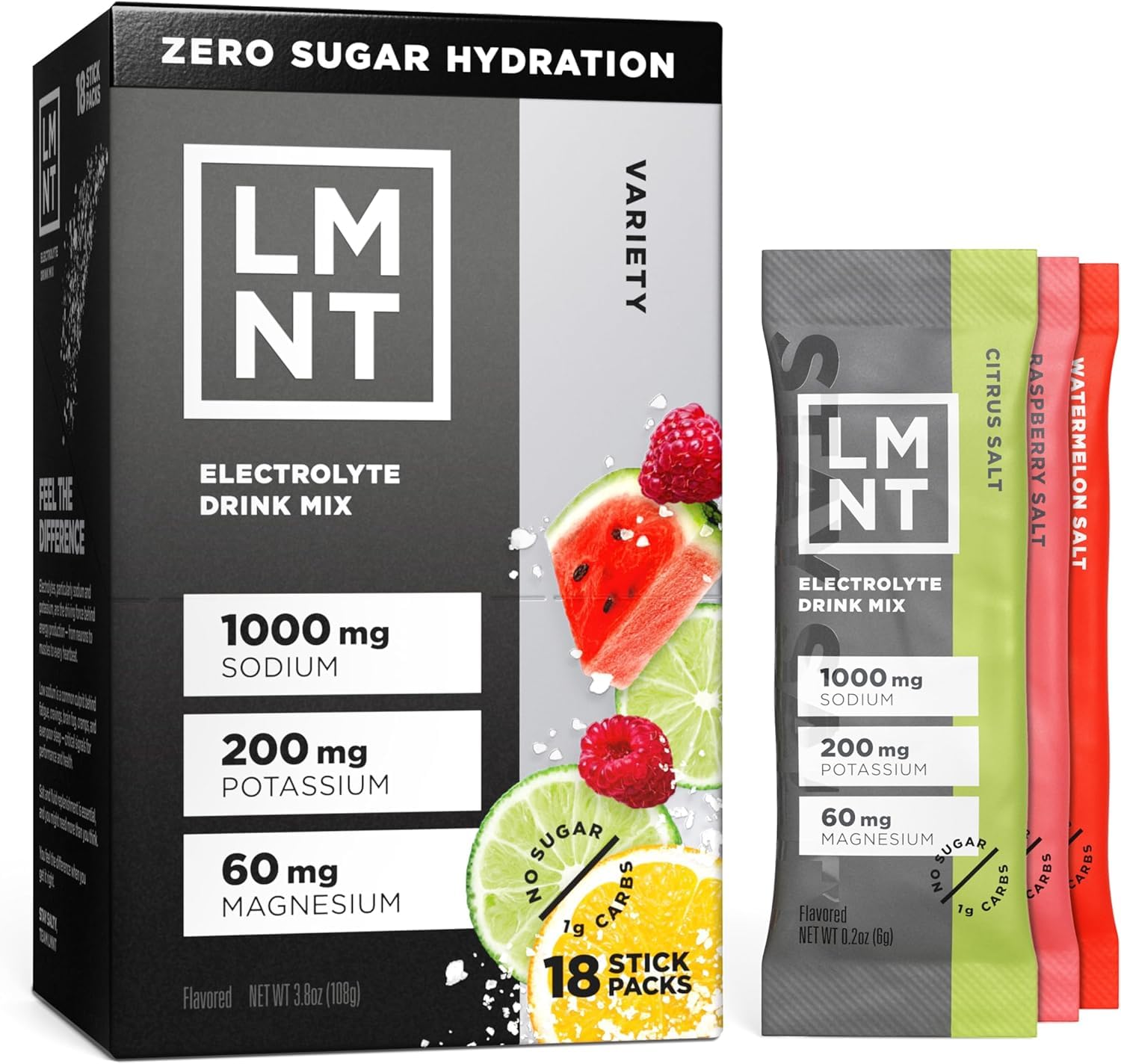
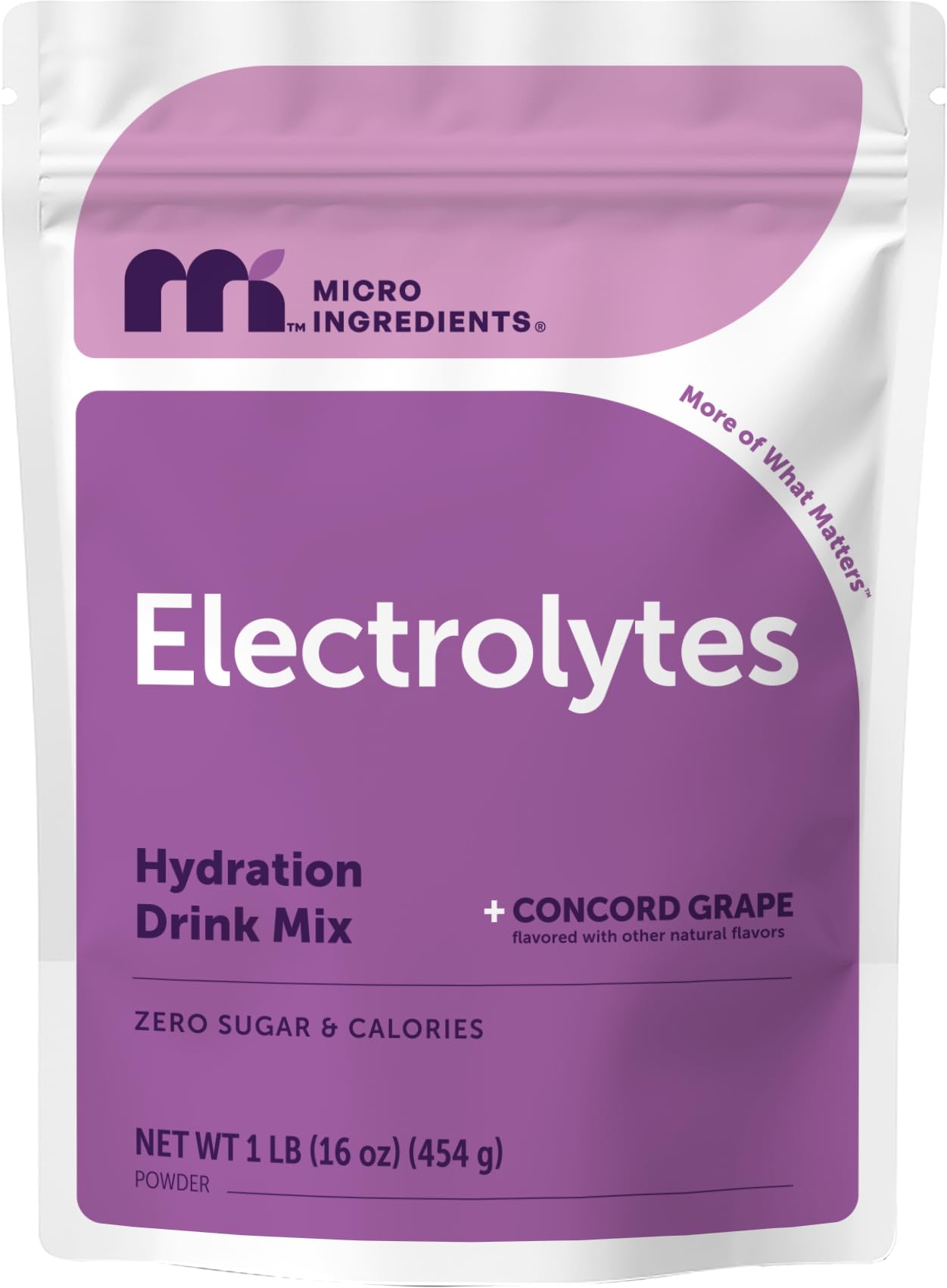
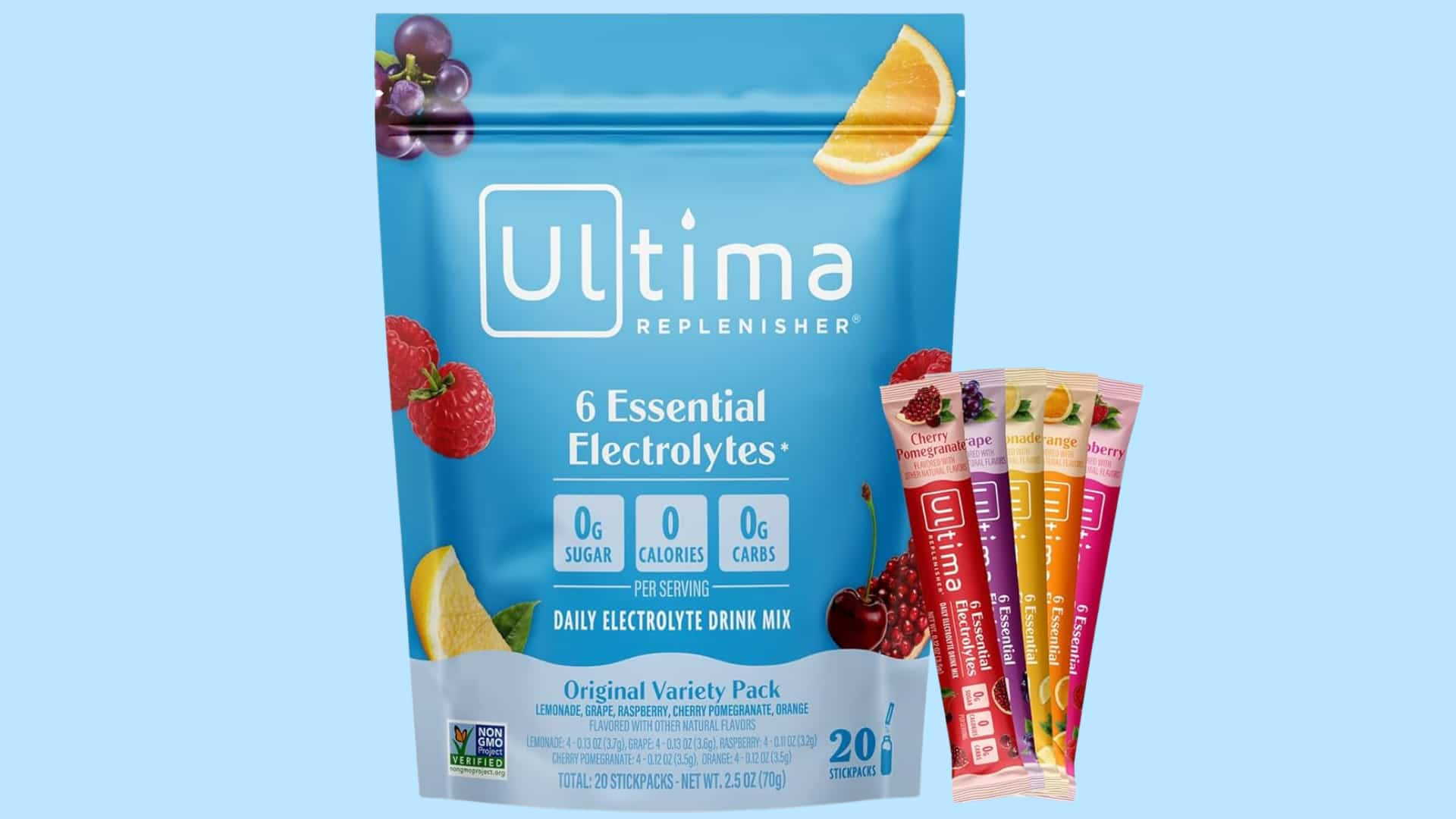
When recovering from diarrhea, your body loses essential fluids and vital minerals like sodium, potassium, and chloride that are necessary for proper cellular function. The five best drinks to replace these lost electrolytes include World Health Organization (WHO) oral rehydration solutions, low-sugar sports drinks, diluted fruit juices with a pinch of salt, bone broth, and coconut water. Choosing the right beverage helps restore fluid balance, prevents dangerous dehydration, and supports intestinal recovery without worsening gastrointestinal distress.
Understanding Fluid and Electrolyte Loss From Diarrhea
Acute or chronic diarrhea places an immense strain on the body’s fluid regulation systems. The primary function of the small and large intestines is to absorb water and nutrients from ingested food. When an infection, medication, or inflammatory condition disrupts this process, the lining of the gastrointestinal tract fails to reabsorb water efficiently. Instead, it secretes excess fluids and electrolytes into the bowel lumen, resulting in watery stools.
Beyond water volume, this rapid purging depletes critical minerals known as electrolytes. Sodium and potassium are chief among them, governing everything from nerve impulse transmission and muscle contraction to blood pressure and cellular osmotic balance. When these minerals are washed out of the system, individuals frequently experience lethargy, muscle cramps, dizziness, and confusion.
Rehydration is therefore not merely a matter of drinking plain water. Ingesting large quantities of plain water without sufficient sodium and glucose can actually dilute remaining blood sodium levels further, a dangerous condition known as hyponatremia. Effective rehydration requires a scientifically balanced ratio of water, salts, and carbohydrates to leverage the intestinal sodium-glucose cotransporter mechanism, which actively pulls water back into the bloodstream.
Disclaimer: The following information is for educational purposes and does not constitute medical advice. Severe dehydration, persistent vomiting, high fever, or blood in the stool requires immediate professional medical evaluation.
1. Oral Rehydration Solutions (ORS)
Oral Rehydration Solutions represent the gold standard for medical rehydration following severe gastrointestinal illness. Developed and endorsed by organizations like the World Health Organization and UNICEF, ORS formulations are meticulously engineered to maximize intestinal water absorption.
| Solution Type | Sodium Content | Potassium Content | Sugar / Carb Level |
|---|---|---|---|
| WHO-ORS | High (approx 75mEq/L) | Moderate | Balanced (Low Osmolality) |
| Sports Drinks | Low to Moderate | Low | High |
| Coconut Water | Low | High | Moderate (Natural) |
| Bone Broth | High | Low to Moderate | Negligible |
Mechanism and Formulation
The secret behind ORS lies in the precise stoichiometric ratio of glucose and sodium. The sodium-glucose cotransport system in the brush border of the small intestine uses glucose molecules to pull sodium—and consequently water—across the intestinal wall and into the extracellular fluid, even when active diarrhea is present.
Commercial Options vs. Homemade Recipes
Pharmacists stock various pre-mixed packets and liquid formulations, such as Pedialyte or generic oral rehydration salts. If commercial packets are unavailable, a temporary WHO-compliant solution can be mixed at home using clean water: one liter of safe water, six level teaspoons of sugar, and a half level teaspoon of salt. Strict adherence to measurements is vital, as incorrect proportions can worsen osmotic diarrhea.
2. Low-Sugar Sports Drinks
Sports drinks are widely accessible and frequently utilized for post-diarrhea rehydration due to their palatability and commercial availability. However, standard athletic beverages are formulated for sweating athletes rather than individuals recovering from gastroenteritis.
Navigating Sugar Content
Many popular sports drinks contain excessive amounts of simple sugars, such as high-fructose corn syrup or sucrose. When the intestinal lining is inflamed from diarrhea, a high concentration of sugar can pull additional water into the digestive tract via osmosis, potentially exacerbating loose stools and causing osmotic cramping.
Dilution and Selection Strategy
To make sports drinks suitable for recovery, choose low-sugar or zero-sugar formulations, or dilute regular sports drinks with an equal part of water. This adjustment reduces the osmolality of the liquid, bringing it closer to body fluids and allowing for gentler absorption while still supplying necessary sodium and potassium.
3. Diluted Fruit Juices With a Pinch of Salt
Fruit juices offer a natural source of potassium, which is heavily depleted during bouts of diarrhea. However, unadulterated fruit juices are notoriously high in fructose and possess a high osmolality that can irritate a sensitive gut.
Potassium Replacement and Osmotic Balance
Juices such as white grape, apple, or diluted tart cherry juice provide vital micronutrients without heavy pulp or complex fibers that require intense digestive effort. To adapt juice for rehydration, experts recommend a dilution ratio of one part juice to one or two parts clean water.
Enhancing Mineral Profiles
Because natural fruit juices are naturally low in sodium, adding a tiny pinch of table salt (sodium chloride) to the diluted mixture transforms it into an effective makeshift electrolyte drink. This simple kitchen remedy balances the electrolyte profile, ensuring both potassium and sodium are replenished safely.
4. Bone Broth
For individuals experiencing mild to moderate diarrhea who are transitioning back to solid foods or seeking a savory alternative to sweet drinks, bone broth is an exceptional therapeutic option.
Nutritional Profile and Sodium Delivery
Bone broth simmered from animal bones contains naturally occurring minerals, trace amino acids like glycine and glutamine, and a reliable supply of sodium. The high sodium content helps correct electrolyte deficits, while the warm liquid provides comforting hydration.
Gut Lining Support
The gelatin and collagen present in genuine bone broth may offer soothing properties to the gastrointestinal tract. Amino acids found in broth support mucosal repair in the intestinal epithelium, making it a functional food choice during the recovery phase when heavy, greasy, or spicy foods must be strictly avoided.
5. Coconut Water
Coconut water has gained immense popularity as nature's sports drink, prized for its refreshing taste and natural origin.
Natural Electrolytes and Potassium Density
Coconut water is exceptionally rich in potassium, containing significantly more per serving than many standard commercial sports drinks. It also contains trace amounts of sodium, magnesium, and calcium, alongside easily digestible carbohydrates.
Limitations in Severe Cases
While coconut water is fantastic for mild hydration or recovery from light stomach bugs, it has clinical limitations. Its sodium-to-potassium ratio is skewed toward high potassium and low sodium. In cases of severe diarrhea with substantial sodium loss, coconut water alone may not provide adequate sodium replacement to prevent dangerous imbalances, meaning it should be supplemented with salty broths or oral rehydration salts if symptoms are severe.
Drinks to Avoid When Replacing Electrolytes
Just as selecting the right beverages accelerates recovery, consuming the wrong fluids can prolong illness, increase fluid loss, and irritate the digestive system.
- Caffeinated Beverages: Coffee, strong black teas, and energy drinks act as mild diuretics and can stimulate intestinal motility, worsening diarrhea frequency.
- Alcohol: Alcohol impairs vasopressin release, worsening dehydration, and directly irritates the gastric and intestinal mucosa.
- Full-Sugar Sodas and Undiluted Juices: The heavy loads of high-fructose corn syrup overwhelm the damaged gut's ability to absorb sugar, leading to osmotic water drawing and increased cramping.
- Full-Fat Dairy Products: Temporary lactase deficiency frequently accompanies acute infectious diarrhea, making milk and heavy dairy products difficult to digest and prone to causing gas and bloating.
Step-by-Step Rehydration Protocol for Diarrhea Recovery
Rehydrating a compromised digestive tract requires patience and a systematic approach. Flooding the stomach with large volumes of fluid all at once can trigger nausea and reflexive vomiting, compounding fluid deficits.
| Phase | Timing & Volume | Recommended Fluid Choices |
|---|---|---|
| Phase 1 | First 2-4 hours; small sips | Oral Rehydration Solutions (ORS) |
| Phase 2 | 4-12 hours; increased frequency | Diluted sports drinks, bone broth |
| Phase 3 | 12-24 hours; larger volumes | Coconut water, diluted fruit juices, water |
| Phase 4 | Return to normal diet | Broths, BRAT diet foods, balanced fluids |
Phase 1: Small, Frequent Sips
Begin rehydration within the first few hours of symptom onset or recovery. Consume 1 to 2 tablespoons (15 to 30 milliliters) of an Oral Rehydration Solution every few minutes. The objective is to introduce fluid continuously without distending the stomach.
Phase 2: Gradual Volume Increase
As your stomach settles and no vomiting occurs, increase the volume to half a cup every hour. Transition between ORS and alternative approved beverages such as bone broth or diluted sports drinks to maintain palatability and supply varied minerals.
Phase 3: Transitioning to Broader Hydration
Once watery stools begin to decrease in frequency, incorporate coconut water or diluted fruit juices. Monitor urine color as a practical benchmark: pale yellow indicates adequate hydration, while dark amber signals ongoing fluid deficits.
Phase 4: Integrating Bland Foods
As hydration stabilizes, reintroduce easily digestible foods—such as bananas, rice, applesauce, and toast (the BRAT diet)—alongside your ongoing fluid regimen to restore caloric intake and firm up stool consistency.
Frequently Asked Questions
Can I drink plain water after having diarrhea?
Plain water is essential for overall hydration, but drinking it exclusively after severe diarrhea can dilute your blood sodium levels, leading to hyponatremia. Water must be paired with sodium and potassium sources, such as oral rehydration salts, broths, or electrolyte-infused beverages, to restore proper mineral balance.
How long should I continue taking electrolyte drinks?
Electrolyte drinks should be consumed actively while acute diarrhea persists—typically 24 to 72 hours. Once normal bowel movements resume and you are tolerating regular solid foods and water, you can discontinue specialized electrolyte solutions in favor of a normal diet and standard hydration.
Is Pedialyte effective for adults recovering from diarrhea?
Yes. Although marketed primarily for children, Pedialyte is formulated to precise medical standards for electrolyte absorption and works equally well for adults experiencing fluid loss from gastrointestinal illness, intense workouts, or travel-related stomach bugs.
Why does sugar matter in an electrolyte drink?
Glucose is chemically required to activate the sodium-glucose cotransporter protein in the small intestine. Without a balanced amount of sugar alongside sodium, the intestinal wall cannot efficiently absorb water and salts, allowing fluids to pass straight through the digestive tract.
When should I see a doctor for diarrhea and dehydration?
Seek medical attention immediately if you experience diarrhea lasting longer than 48 hours in adults (or 24 hours in children), signs of severe dehydration (extreme thirst, dry mouth, little to no urination, severe dizziness), high fever, severe abdominal pain, or stools containing blood or black coloration.