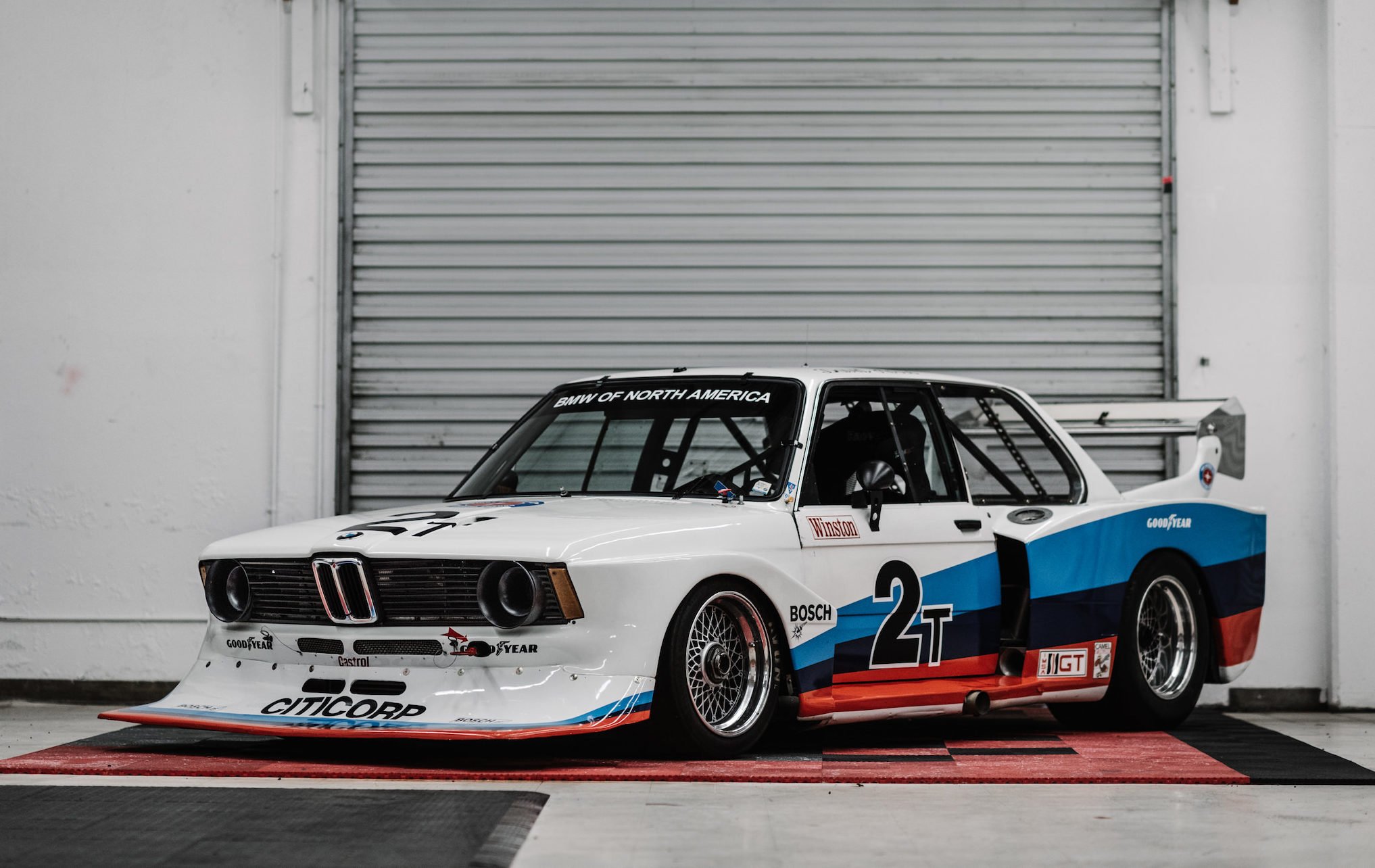
The 320 turbo, most prominently represented by the BMW 320i and 320d models, serves as the global benchmark for balancing spirited performance with executive efficiency. Utilizing a 2.0-liter displacement bolstered by TwinPower Turbo technology, it delivers between 184 and 190 horsepower in standard trims, offering a refined blend of low-end torque and sustained highway reliability for modern drivers.
Understanding the "320 turbo" requires looking beyond a simple engine badge. In 2026, this powertrain represents the culmination of decades of refinement in downsizing and forced induction. Whether you are looking at the gasoline-powered 320i or the diesel-powered 320d, the core philosophy remains the same: providing the driving dynamics of a larger engine with the fuel footprint of a four-cylinder. This guide explores the mechanical architecture, real-world performance, and long-term ownership practicalities of one of the most successful engine configurations in automotive history.
The Mechanical Foundation: TwinPower Turbo Technology
A common misconception regarding the 320 turbo is that the "TwinPower" label signifies two separate turbochargers. In reality, for the 2.0-liter four-cylinder engines (such as the B48 gasoline and B47 diesel units), it refers to a twin-scroll turbocharger setup.
In a twin-scroll system, the exhaust manifold and the turbocharger turbine housing are split into two separate channels (scrolls). For a four-cylinder engine, exhaust pulses from cylinders one and four are fed into one scroll, while cylinders two and three feed into the other. This prevents exhaust gas interference, allowing the turbine to spin up much faster at low RPMs.
Valvetronic and Double-VANOS
The power of the 320 turbo isn't derived from the turbocharger alone. It works in harmony with BMW’s proprietary valve control systems:
- Valvetronic: This system offers fully variable intake valve lift. Instead of using a traditional throttle body to regulate air intake, Valvetronic controls how much the valves open, reducing pumping losses and improving throttle response.
- Double-VANOS: This manages the timing of both the intake and exhaust camshafts. By adjusting when the valves open and close relative to the piston position, the engine can optimize for fuel economy at cruise or maximum power under acceleration.
This synergy ensures that the 320 turbo feels "punchy" from as low as 1,350 RPM, virtually eliminating the "turbo lag" that plagued smaller turbocharged engines in previous decades.
Power Output and Performance Dynamics
In the 2026 automotive landscape, the 320 turbo remains a competitive performer despite the rise of full-electric alternatives. The gasoline 320i typically produces 184 hp and 300 Nm (221 lb-ft) of torque. While these numbers might seem modest compared to high-performance "M" models, the delivery of that torque is what defines the driving experience.
Acceleration and Top Speed
The 320 turbo is designed for the "Goldilocks" zone of driving. It is fast enough to feel premium but efficient enough for daily commuting.
- 0-100 km/h (0-62 mph): Usually achieved in approximately 7.1 to 7.5 seconds depending on the body style (Sedan vs. Touring) and drivetrain (sDrive vs. xDrive).
- Highway Passing: The mid-range torque allows for effortless overtaking between 80 km/h and 120 km/h, which is where most drivers spend their "performance" budget.
The Role of the Transmission
The power of the 320 turbo is managed almost exclusively by the ZF 8-speed automatic transmission. This gearbox is widely regarded as one of the best in the industry. Its ability to skip multiple gears during a kick-down and its lightning-fast shift speeds ensure that the engine stays within its optimal power band. In 2026, software refinements have made the integration between the turbo’s boost curve and the transmission’s shift points nearly seamless.
Practicalities: Fuel Economy and Daily Usability
The primary reason consumers choose the 320 turbo over the more powerful 330i or M340i is practicality. The 2.0-liter displacement allows for exceptional fuel economy during light-load conditions, such as highway cruising.
Real-World Efficiency
In mixed driving conditions, the gasoline 320i can comfortably achieve 6.4–7.0 L/100km (approx. 33–36 MPG). The diesel variant, the 320d, remains a favorite for long-distance commuters, often reaching as low as 4.8 L/100km (approx. 49 MPG) on the highway.
For 2026, many 320 turbo models also incorporate 48V Mild Hybrid Technology. This system uses a small starter-generator to recover energy during deceleration and provide a modest "electric boost" during initial acceleration. More importantly, it allows the engine to shut off earlier when coasting to a stop, further enhancing urban fuel efficiency.
Maintenance Costs and Requirements
Owning a 320 turbo requires adherence to a specific maintenance regimen to ensure the longevity of the forced induction components.
- Oil Quality: Turbochargers operate at extremely high speeds and temperatures. Using the correct synthetic oil (typically LL-01 or LL-17 FE+ specifications) is non-negotiable.
- Cooling Systems: The B48 engine series is known for its complex cooling circuits. Regular inspections of the coolant expansion tank and hose connectors are vital, as the turbocharger relies on both oil and coolant for thermal management.
- Spark Plugs and Ignition: In turbocharged engines, the ignition system works harder due to higher cylinder pressures. Replacing spark plugs every 50,000 to 60,000 kilometers is recommended to prevent misfires.
Comparison of 320 Turbo Variants (2026 Models)
The following table compares the most common iterations of the 320 turbo platform found in the 2026 market.
| Feature | 320i (Gasoline) | 320d (Diesel) | 320e (Plug-in Hybrid) |
|---|---|---|---|
| Engine Type | 2.0L 4-Cyl Turbo | 2.0L 4-Cyl Turbo | 2.0L Turbo + Electric Motor |
| Horsepower (Combined) | 184 hp | 190 hp | 204 hp |
| Torque | 300 Nm | 400 Nm | 350 Nm |
| 0-100 km/h (sec) | ~7.4 | ~6.8 | ~7.6 |
| Drivetrain | RWD / AWD | RWD / AWD | RWD / AWD |
| Best For | City & Mixed Driving | Long-distance Highway | Short Commutes / Tax Incentives |
Common Concerns and Reliability Factors
While the 320 turbo is a refined machine, prospective owners often raise questions regarding its long-term viability. Since the transition from the older N20 engine to the current B48/B47 modular engine family, reliability has significantly improved.
Timing Chain Durability
Older BMW four-cylinder engines suffered from premature timing chain wear. The B48 engine (found in 320i models from late 2015 through 2026) addressed this by redesigning the guides and tensioners. While no mechanical part is infinite, the 320 turbo timing chain is now generally considered a "life of the engine" component, provided oil changes are performed at reasonable intervals (ideally every 10,000–12,000 km rather than the extended 25,000 km intervals sometimes suggested by onboard computers).
Plastic Components and Heat
Because the turbocharger generates significant heat under the hood, plastic components—such as the oil filter housing and certain coolant flanges—can become brittle over 8–10 years. In the 2026 context, many aftermarket and revised OEM parts have moved toward reinforced materials to mitigate this "heat soak" effect.
Carbon Buildup
As a direct-injection engine, the 320 turbo is susceptible to carbon buildup on the intake valves. Because fuel is sprayed directly into the cylinder rather than over the valves, there is no "cleaning" effect from the gasoline. Using high-quality fuel and occasionally driving at sustained highway speeds (the "Italian Tune-up") can help reduce this accumulation.
Tuning Potential: The "Hidden" Power
One of the most appealing "practicalities" for enthusiasts is the 320 turbo’s headroom for modification. Because the 320i uses a very similar block to the more powerful 330i, it is highly receptive to ECU remapping.
A simple Stage 1 tune can often bring a 320i from 184 hp up to 240-250 hp safely. However, owners must be aware that:
- Warranty: Tuning almost certainly voids the powertrain warranty.
- Heat Management: Increased boost generates more heat, which may require an upgraded intercooler if the car is driven aggressively in warm climates.
- Component Limits: While the blocks are similar, the 330i often utilizes different piston designs or compression ratios to handle higher boost levels. Over-tuning a 320 turbo can lead to increased stress on internal components.
FAQ: Understanding the 320 Turbo
Is the 320 turbo powerful enough for highway driving?
Yes, the 320 turbo is more than adequate for highway driving. With a torque peak starting at low RPMs, it maintains cruising speeds effortlessly and has enough reserve power to pass vehicles at 110–120 km/h without straining the engine.
What is the difference between a 320i and a 320 turbo?
"320 turbo" is a descriptive term for the engine technology used in the 320i (gasoline) and 320d (diesel) models. Since the F30 generation, all BMW 320 models have been turbocharged; there is no naturally aspirated 320 model in the modern era.
How often should I change the oil in a 320 turbo?
While BMW’s official Condition Based Service (CBS) may suggest intervals up to 25,000 km (15,000 miles), most technical experts and long-term owners recommend changing the oil every 10,000 km (6,000 miles) or once a year. This is the single best way to protect the turbocharger bearings.
Does the 320 turbo require premium gasoline?
For the 320i (gasoline), using premium fuel (95 octane or higher) is highly recommended. While the engine's knock sensors can adjust for lower-grade fuel, doing so will reduce power output and fuel efficiency, and may lead to increased carbon buildup over time.
Is the 320d turbo better than the 320i turbo?
It depends on your driving habits. The 320d offers significantly more torque (400 Nm vs 300 Nm) and better fuel economy, making it superior for heavy mileage and towing. The 320i is quieter, lighter at the front end (offering slightly better handling), and is generally better suited for short city trips where a diesel particulate filter (DPF) might clog.
Final Recommendation: Is it Right for You?
The 320 turbo remains the "sensible" choice that doesn't feel like a compromise. For the majority of drivers in 2026, the 184–190 horsepower range provides exactly what is needed: enough power to enjoy a winding road, enough efficiency to ignore the fuel pump for weeks, and enough prestige to fit into any professional setting.
If you prioritize low running costs and high resale value, the 320 turbo is an industry leader. However, if you are an enthusiast seeking raw speed or a track-day vehicle, you may find the 320 turbo's linear and refined power delivery a bit too "polite," in which case the six-cylinder M340i would be the logical step up. For everyone else, the 320 turbo represents the peak of four-cylinder engineering—a perfect marriage of power and practicality.