Finding reliable foundation repair companies in Beaumont, Texas, requires understanding the region's unique soil composition, specific contractor credentials, and the long-term implications of structural stabilization. Homeowners often encounter issues related to the expansive clay soils prevalent in Southeast Texas, which can cause significant shifting, cracking, and leveling discrepancies, necessitating professional intervention from established, locally experienced specialists.
Understanding the Beaumont Soil Context
The geography of Beaumont, Texas, presents specific challenges for residential and commercial foundations. The region sits upon deep, expansive clay soils—often referred to as Beaumont Clay. These soils possess high plasticity, meaning they expand significantly when saturated with water during the heavy rains common to the Gulf Coast and shrink substantially during extended dry spells or drought conditions. This constant cycle of expansion and contraction creates a "heave and shrink" phenomenon that exerts immense pressure on concrete slab foundations, pier and beam structures, and crawl space supports.
Because of these geological factors, foundation repair in Beaumont is not a one-size-fits-all endeavor. The primary intent of any professional repair service in this area must be to achieve long-term stability by bypassing the volatile surface soil layers and reaching more stable strata or, in the case of slab foundations, providing a system that can move incrementally with the soil without cracking the structural integrity of the home.
Selecting a Qualified Foundation Specialist
When evaluating the top foundation repair companies in Beaumont, TX, homeowners should look for three specific pillars of professional competence: verified licensing and insurance, specialized local engineering experience, and long-term, transferable warranties.
1. Professional Credentials and Insurance
In Texas, there is no specific "foundation repair license" issued by the state, which makes verifying the credentials of a company critical. You must ensure the company carries comprehensive General Liability Insurance and Workers' Compensation Insurance. Liability insurance protects your property in the event of an accident during the repair process, while Workers' Compensation ensures that you are not held liable if a crew member is injured on your premises.
2. The Importance of Structural Engineering
The most reputable companies either employ a licensed Professional Engineer (PE) or work in close partnership with one. An engineer’s assessment provides an objective, science-based diagnosis of your foundation's movement. They can distinguish between cosmetic issues—such as hairline cracks in bricks caused by seasonal temperature changes—and structural failures that threaten the integrity of your home. Always ask if a structural report is included in the initial estimate.
3. Warranty Reliability
Foundation repair is a significant investment. A company’s warranty is only as good as its tenure. Beaumont has seen numerous "fly-by-night" operators appear after major weather events only to dissolve a few years later. Prioritize companies that have established offices in the Beaumont/Port Arthur area and have been in business for over a decade. A "lifetime" warranty is ineffective if the company no longer exists to honor it.
Comparison of Foundation Repair Approaches
Selecting a contractor often depends on the type of foundation repair methodology they propose. Below is a comparison of standard techniques utilized by high-quality contractors in the Beaumont area.
| Methodology | Best Suited For | Advantages | Potential Drawbacks |
|---|---|---|---|
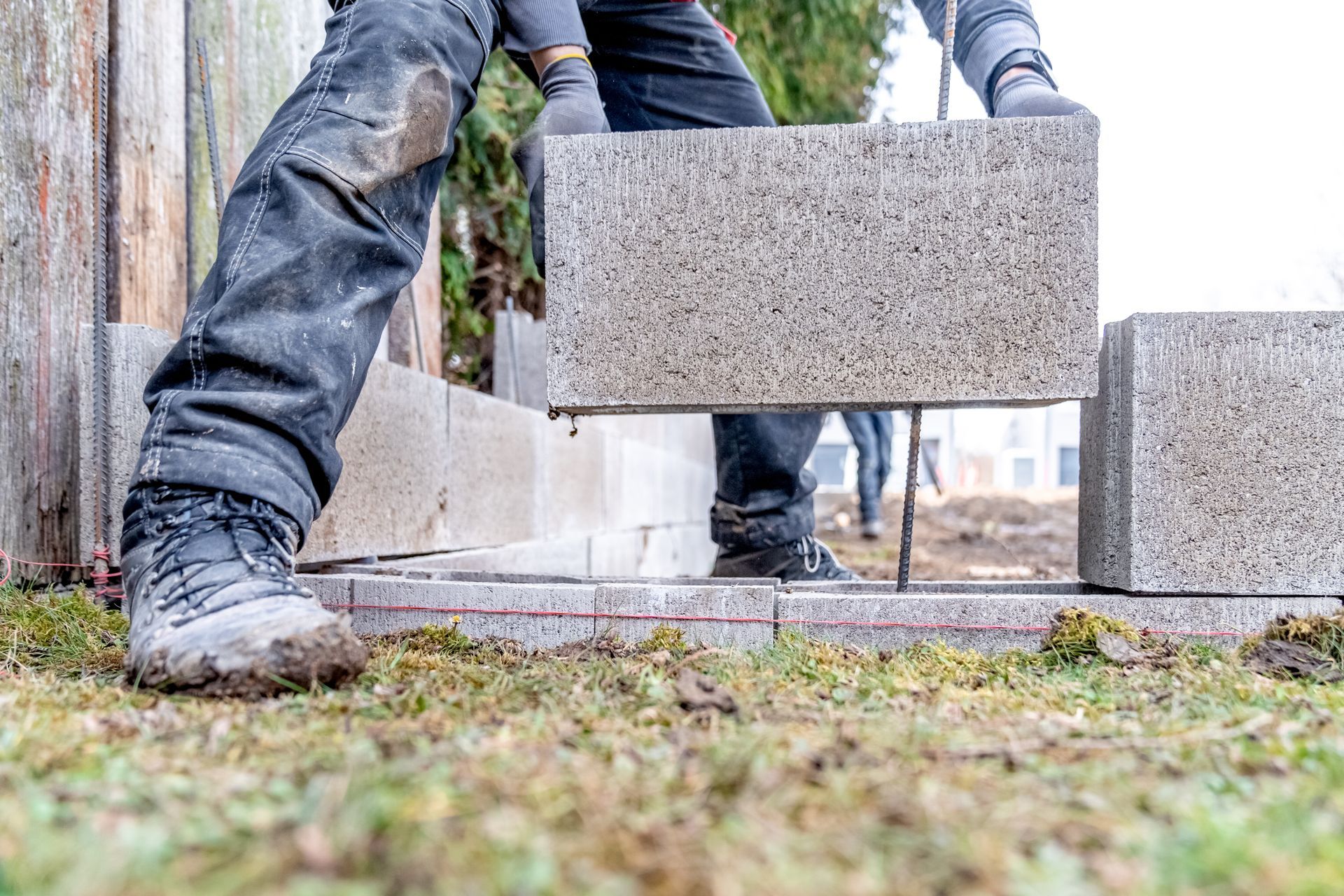
| Pressed Concrete Piling | Concrete Slab | Cost-effective; proven history in local clay soils. | Can be subject to depth limitations; potential for slight settling. |
| Steel Piers | Slab & Heavy Structures | Can reach deeper, more stable soil layers; superior load-bearing. | Higher initial investment compared to concrete alternatives. |
| Helical Piers | Pier & Beam/Light Slabs | Provides immediate stability; screw-in installation is precise. | May require more heavy equipment access near the structure. |
| Mudjacking/Polyjacking | Minor Leveling/Voids | Fills gaps beneath slabs quickly without major excavation. | Does not address the root cause of soil movement like deep piers. |
Assessing Your Property: The Initial Consultation
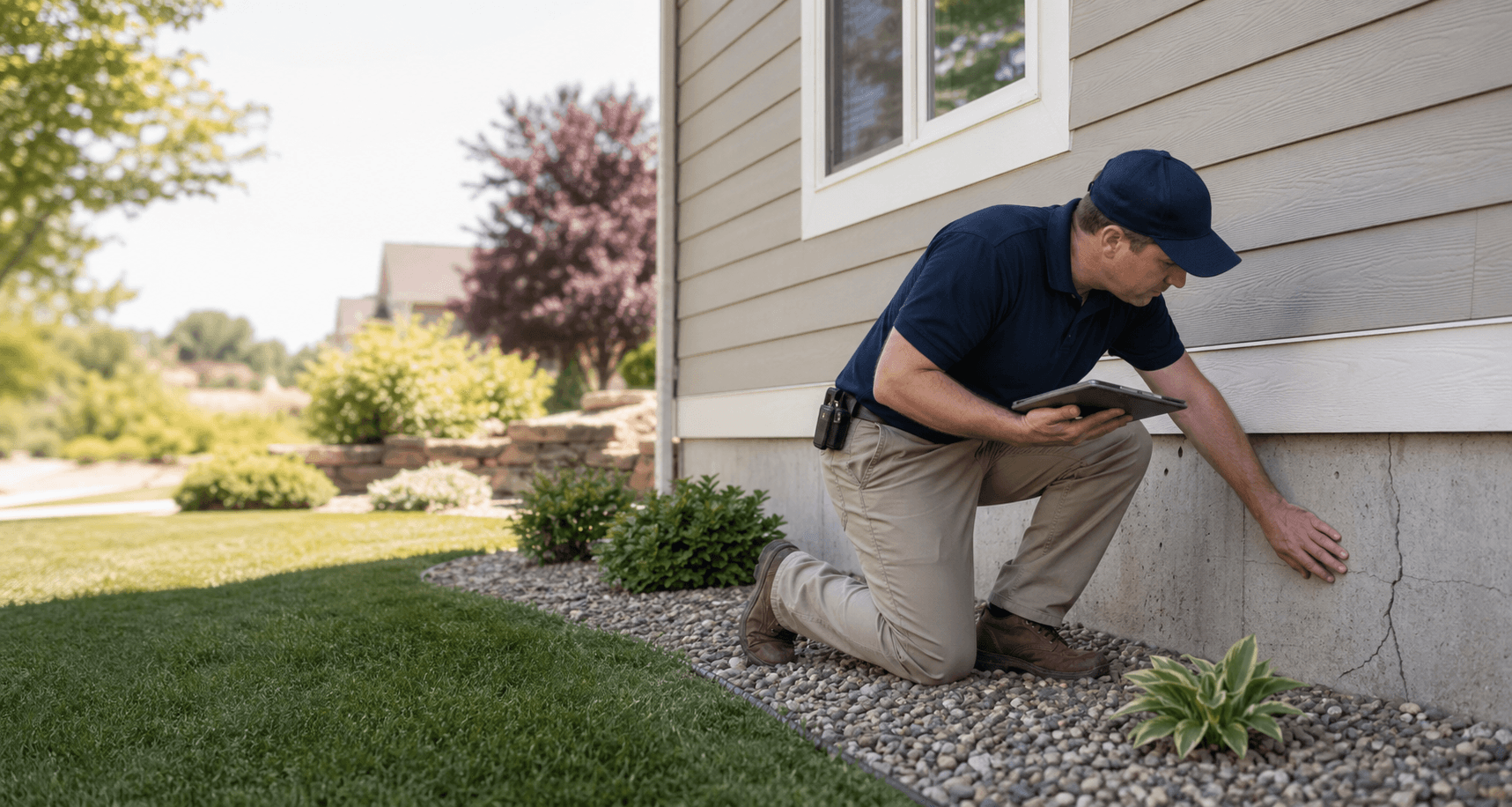
The process of repair should always begin with an on-site inspection. A reputable technician will walk the perimeter of your home, check for door and window frame distortions, evaluate interior wall cracks, and measure the slope of your floors using a digital level.
During the consultation, ask for a detailed "Scope of Work" document. This should clearly outline the number of piers required, the specific locations for installation, the type of shimming materials to be used, and the expected timeframe for completion. If a contractor provides an estimate without a detailed walk-through or measurement process, consider it a red flag.
Furthermore, clarify the "lift" expectations. Some companies offer "cosmetic" leveling, where the goal is to make the house look level, while others aim for "structural" stability, which focuses on stopping further movement. Aiming for a perfect level in a house that has settled over 20 years can sometimes cause damage to plumbing and interior finishes; a balanced approach is usually the safest route.
Common Signs of Foundation Distress in Beaumont
Before engaging a repair company, verify that the symptoms you are observing are indeed related to foundation movement. Common indicators include:
- Diagonal Cracks: Often found starting from the corners of window or door frames and extending toward the ceiling.
- Sticking Doors/Windows: If doors swing open on their own or struggle to latch properly, the frame may have shifted out of square.
- Separation: Visible gaps between the exterior brick veneer and window frames, or cracks in the exterior mortar.
- Floor Slope: A noticeable tilt in the floor, which can often be detected by placing a marble on the floor to see if it rolls consistently in one direction.
If you observe these symptoms, document them with photographs and notes on when they appeared. This data will be helpful for the contractor and the structural engineer to determine the rate of foundation movement.
Operational Considerations and Safety
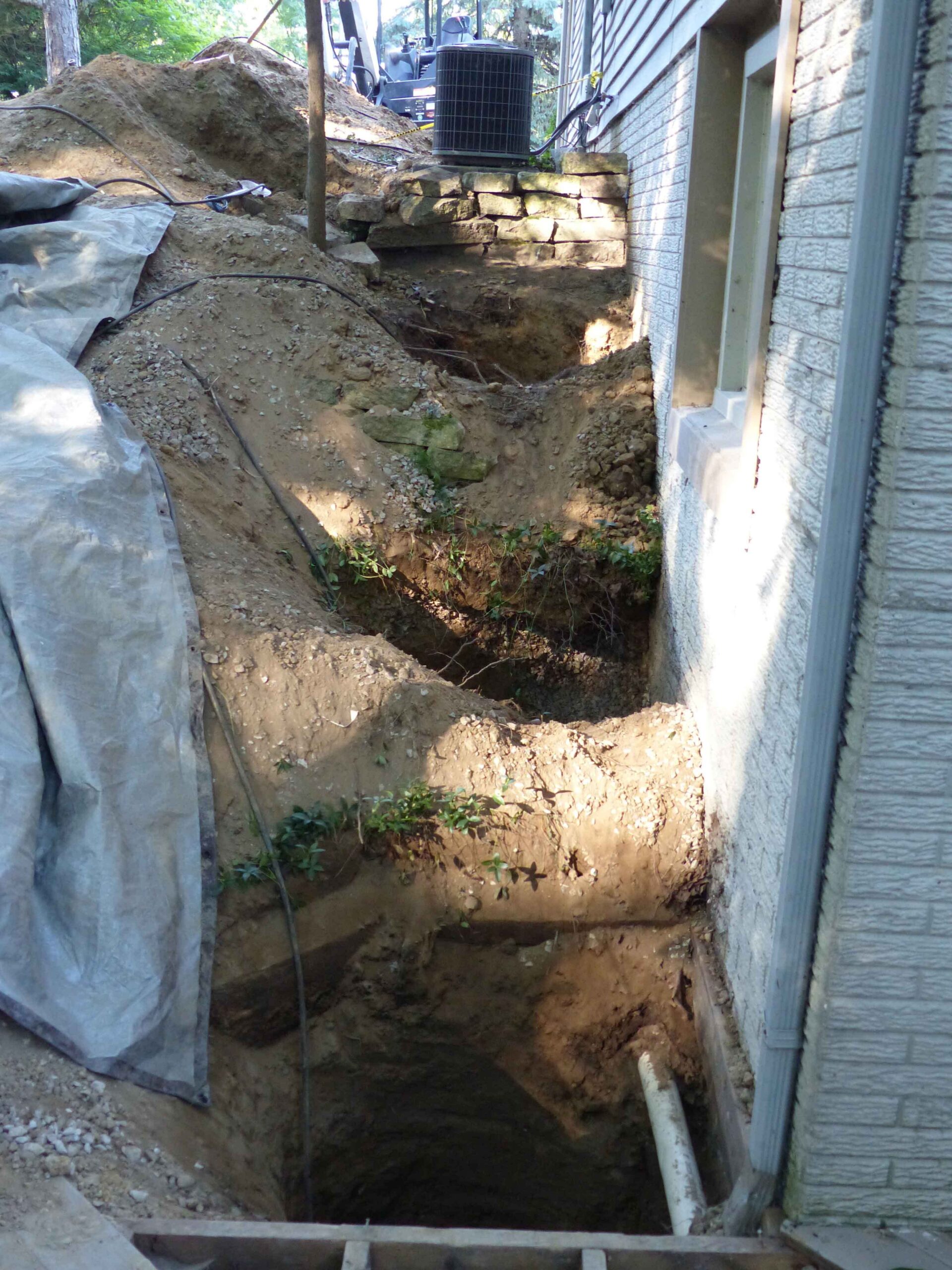
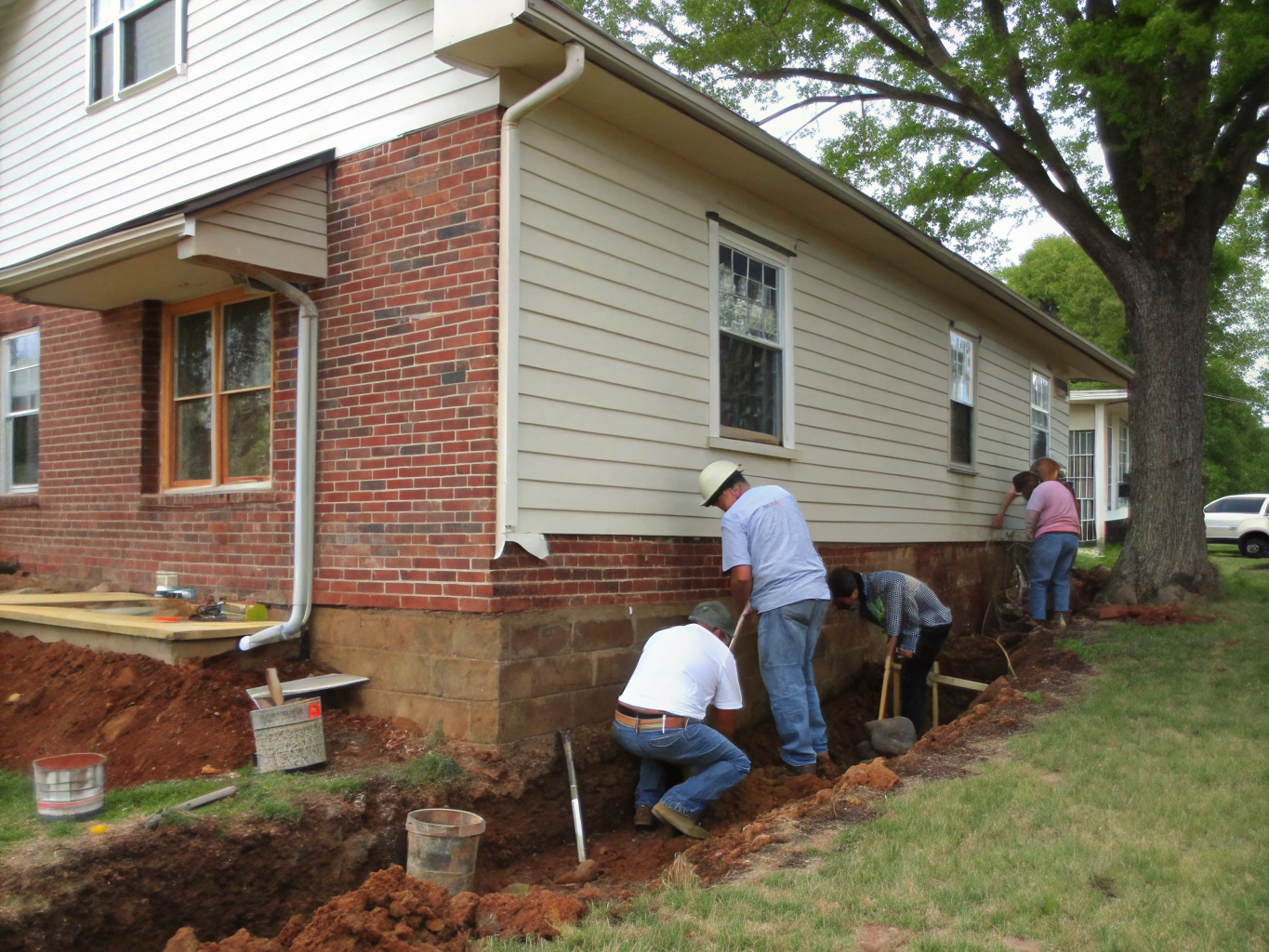
During the repair process, homeowners should prepare for temporary disruption. Pier installation typically involves digging holes—either inside or outside the foundation perimeter—to reach the base of the slab. This can impact landscaping and exterior concrete features like walkways.
Safety remains a priority during installation. Ensure that the contractor clears all utility lines—gas, water, and sewage—through the "811" call-before-you-dig service. Reputable companies handle this as a standard part of their operating procedure. Additionally, confirm that the crew has a plan to manage debris and site cleanliness, as heavy-duty excavating can leave a significant amount of mud and debris near your home’s exterior.
Frequently Asked Questions (FAQ)
1. How long does the average foundation repair take in Beaumont? Most residential projects in Beaumont take between two to five days to complete. Larger homes with extensive structural damage or those requiring complex pier configurations may take longer. Your contractor should provide a firm completion deadline as part of the contract.
2. Should I fix my plumbing before or after foundation repair? It is highly recommended to perform a hydrostatic plumbing test before starting foundation work. If a broken pipe is the cause of the foundation movement (by saturating the soil), repairing the foundation before fixing the leak may lead to further movement once the leak is addressed.
3. Is it normal for my house to make "popping" noises after repair? Yes, it is common to hear subtle popping or creaking sounds following a foundation lift. The structure is adjusting to its new, stable position. However, significant, loud cracking sounds should be reported to the repair company immediately.
4. How does the current year’s economic climate affect repair costs? As of 2026, labor and material costs remain sensitive to regional demand. Prices for steel and high-strength concrete can fluctuate based on logistics and supply chain variables in the Gulf Coast region. Always request an itemized estimate to see if price differences are due to material choices or labor intensity.
5. Do I need a building permit for foundation repair? In Beaumont, most structural repairs require a building permit. A professional company will handle the permitting process for you, ensuring that the work is inspected by city officials upon completion to meet local building codes.
Final Next Steps
If you suspect your foundation requires attention, your immediate next step is to schedule a professional inspection with a company that maintains a strong local footprint in Beaumont. Gather multiple quotes—ideally three—to compare not just the pricing, but the proposed technical solution and the associated warranty terms. Do not feel pressured by "limited-time" discounts; foundation repair is a high-stakes investment that should be based on a thorough, engineer-verified assessment of your property's long-term stability requirements.