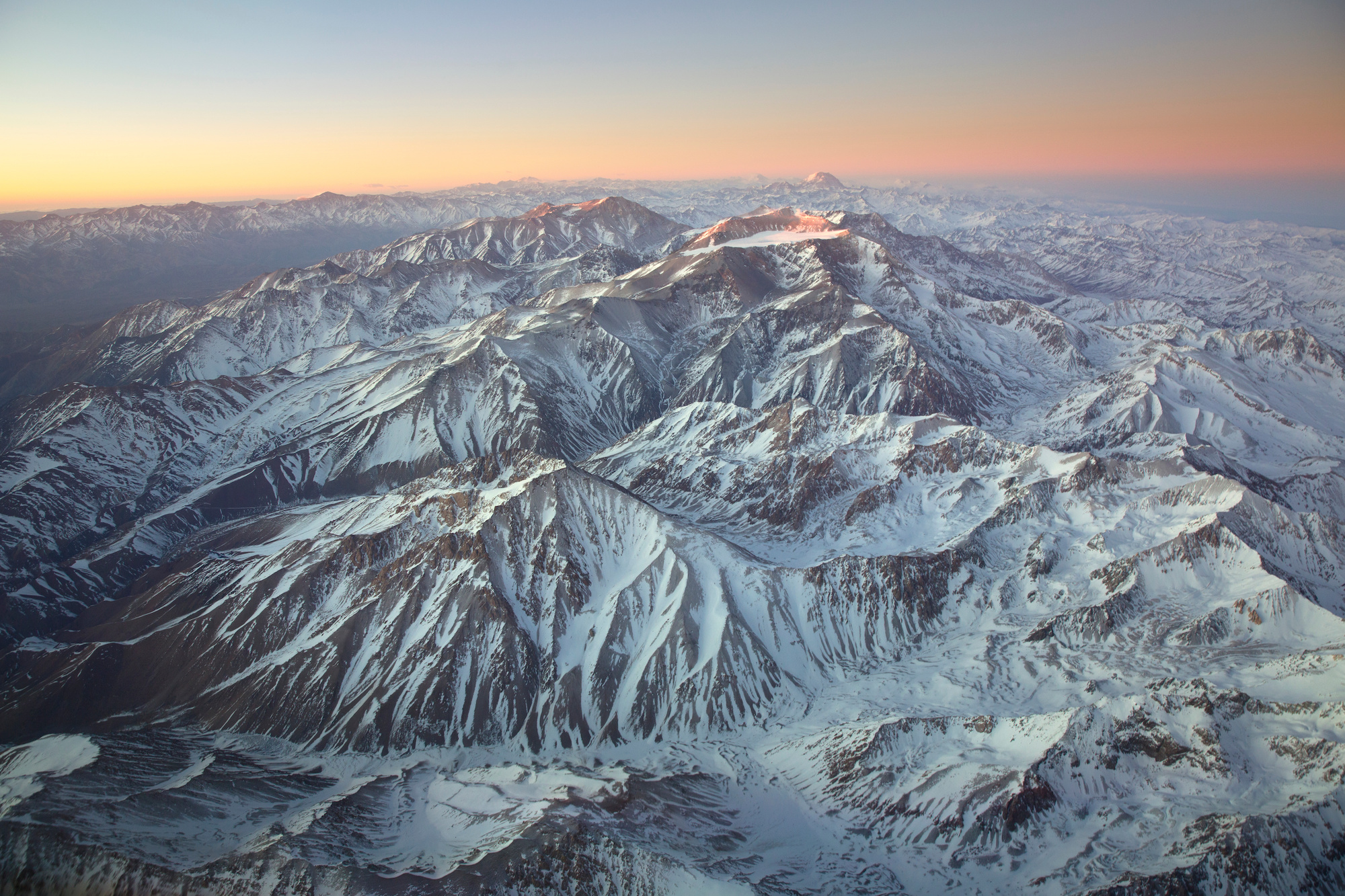
The Andes region of South America is the world’s longest continental mountain range, stretching over 4,300 miles across seven countries. It serves as a vital ecological and economic backbone for the continent, hosting diverse climates, ancient civilizations like the Incas, and modern industries ranging from high-altitude agriculture to critical lithium mining operations.
Geographic Scope and Geological Origins
The Andes mountain range is a massive tectonic feature that defines the western edge of South America. Extending from the northern coast of Venezuela and Colombia down to the southern tip of Chile and Argentina, the range varies in width from 120 to 430 miles. As of 2026, the region remains one of the most geologically active areas on Earth, characterized by frequent seismic activity and a chain of both active and dormant volcanoes.
The formation of the Andes is the result of plate tectonics—specifically the subduction of the Nazca Plate and the Antarctic Plate beneath the South American Plate. This process, which began millions of years ago, continues to push the mountains upward, though erosion simultaneously works to wear them down. The highest peak in the range, and indeed the highest point outside of Asia, is Mount Aconcagua in Argentina, which reaches an elevation of 22,831 feet (6,961 meters) above sea level.
The Three Main Sub-Regions
Geographers typically divide the Andes into three distinct segments based on climate and topography:
- The Northern Andes: Covering Venezuela, Colombia, and Ecuador. This region is characterized by lush, tropical environments, high-altitude paramos (alpine tundras), and significant rainfall.
- The Central Andes: Spanning Peru and Bolivia. This is the widest part of the range, home to the Altiplano—a high-altitude plateau—and Lake Titicaca, the highest navigable lake in the world.
- The Southern Andes: Traversing Chile and Argentina. This segment features the dramatic spires of Patagonia, massive glaciers, and a climate that transitions from Mediterranean to sub-antarctic.
Altitudinal Zonation: Life at Different Elevations
One of the most unique aspects of the Andes region is the concept of vertical zonation. Because the range spans such immense heights, the climate and vegetation change drastically as one ascends. This has dictated human settlement patterns and agricultural practices for millennia.
Tierra Caliente (Hot Land)
Located from sea level to approximately 3,000 feet, this zone supports tropical crops such as bananas, sugarcane, and cacao. The temperatures are consistently warm, and the humidity is often high, particularly in the northern reaches of the range.
Tierra Templada (Temperate Land)
Ranging from 3,000 to 6,000 feet, this is often considered the most hospitable zone for human habitation. It is the primary region for coffee production in Colombia and Ecuador. The "eternal spring" climate of cities like Medellín, Colombia, falls within this zone.
Tierra Fría (Cold Land)
Extending from 6,000 to 12,000 feet, this zone is where many major Andean cities are located, including Bogotá, Quito, and La Paz. The primary crops here are hardy staples like potatoes, wheat, and barley. This zone was the heartland of the Inca Empire, which mastered high-altitude terrace farming.
Tierra Helada and Tierra Nevada (Frozen and Snowy Lands)
Above 12,000 feet, the tree line disappears. The Tierra Helada is home to the puna and paramo grasslands, used primarily for grazing llamas and alpacas. Above 15,000 feet lies the Tierra Nevada, where permanent snow and ice reside, though these glaciers have seen significant retreat in recent decades due to shifting global temperatures.
Cultural Heritage and Indigenous Populations
The Andes region is a crucible of human history. Long before the arrival of Spanish conquistadors in the 16th century, the mountains were home to sophisticated civilizations. The most famous, the Inca Empire, managed a vast network of roads and cities, including the iconic Machu Picchu, by adapting to the rugged terrain.
Today, the Andean culture is a vibrant blend of indigenous traditions and colonial influences. Millions of people in Peru, Bolivia, and Ecuador still speak Quechua or Aymara as their primary language. Traditional weaving, music (featuring the panpipe or siku), and religious festivals that synchronize Catholic and indigenous beliefs remain central to daily life.
Indigenous communities have historically faced socio-economic marginalization. However, in the 2020s, there has been a renewed focus on "Buen Vivir" (Sumak Kawsay), a philosophy originating from Andean indigenous groups that emphasizes living in harmony with nature and the community. This philosophy has even influenced the constitutions of Ecuador and Bolivia.
Economic Pillars: Mining, Agriculture, and Energy
The Andes are exceptionally rich in natural resources, making the region a focal point for global trade. The economic output of the Andean nations is heavily tied to the geological wealth found within the mountains.
The Lithium Triangle
As of 2026, the "Lithium Triangle"—comprising the high-altitude salt flats of Argentina, Bolivia, and Chile—holds over half of the world’s known lithium reserves. Lithium is a critical component for electric vehicle batteries and renewable energy storage. The extraction process in places like the Salar de Uyuni presents both immense economic opportunities and significant environmental challenges regarding water usage in arid environments.
Mineral Wealth
Aside from lithium, the Andes are a primary source of the world’s copper, silver, and gold. Chile is the world’s leading producer of copper, with massive mines like Chuquicamata providing essential materials for global electronics and infrastructure.
Agriculture and Export
The varied climates allow for a diverse agricultural portfolio. While the highlands focus on tubers and grains like quinoa, the lower slopes are famous for "soft" exports. Colombian coffee, Ecuadorian roses, and Peruvian asparagus are staples in international markets.
| Region | Primary Countries | Key Economic Drivers | Notable Landmarks |
|---|---|---|---|
| Northern Andes | Colombia, Ecuador, Venezuela | Coffee, Flowers, Oil | Cotopaxi, Sierra Nevada de Santa Marta |
| Central Andes | Peru, Bolivia | Mining (Silver, Tin), Tourism | Machu Picchu, Lake Titicaca, Salar de Uyuni |
| Southern Andes | Chile, Argentina | Copper, Lithium, Wine, Tourism | Mt. Aconcagua, Torres del Paine, Perito Moreno |
Environmental Challenges and Water Security
Environmental stability in the Andes is currently under threat from two primary sources: climate change and extractive industries. The tropical glaciers of the Andes—those located in Peru, Ecuador, and Colombia—are among the fastest-disappearing ice masses on the planet.
These glaciers act as "water towers" for the region, storing water during the wet season and releasing it slowly during the dry season. Their retreat threatens the water security of millions of people who rely on glacial melt for drinking water, irrigation, and hydroelectric power. In cities like La Paz, water rationing has become an intermittent reality as traditional sources dwindle.
Furthermore, deforestation in the cloud forests on the eastern slopes of the Andes impacts biodiversity. These forests are home to the "Andean Bear" (Spectacled Bear) and thousands of bird species, many of which are found nowhere else on Earth.
Travel and Logistics in the Andes
Traveling through the Andes requires careful planning due to the extreme geography and high altitudes. Whether visiting for trekking, cultural immersion, or business, understanding the logistical constraints is essential.
Navigating Altitude Sickness (Soroche)
The most significant hurdle for many visitors is altitude sickness, known locally as soroche. When traveling to cities like Cusco (11,152 ft) or La Paz (11,975 ft), the lower oxygen levels can cause headaches, nausea, and fatigue.
- Acclimatization: It is recommended to spend at least two days at a moderate altitude before climbing higher.
- Hydration and Diet: Drink plenty of water and avoid heavy meals or alcohol during the first 48 hours.
- Local Remedies: Coca tea (mate de coca) is a traditional and effective remedy used by locals for centuries to alleviate symptoms.
Infrastructure and Transport
Transport in the Andes is a feat of engineering. Travelers can choose between:
- Air Travel: Domestic flights connect major cities quickly, bypassing the winding mountain roads.
- Buses: South America has a highly developed long-distance bus network. In the Andes, these routes offer spectacular views but can be time-consuming and physically demanding due to the "switchback" turns.
- Train Services: While limited, certain routes like the Belmond Andean Explorer in Peru or the Tren a las Nubes (Train to the Clouds) in Argentina offer luxury experiences through the heart of the range.
Safety and Requirements
Safety varies significantly by country and specific locale. While major tourist hubs are generally well-policed, travelers should stay informed about local political climates via official government travel advisories, such as those provided by the U.S. Department of State or the UK Foreign, Commonwealth & Development Office.
Frequently Asked Questions
What is the best time of year to visit the Andes?
The best time depends on the specific region. For the Central Andes (Peru/Bolivia), the dry season from May to October is ideal for trekking and visiting Machu Picchu. For the Southern Andes (Patagonia), the southern summer from December to March offers the most accessible weather for outdoor activities.
Is it safe to drink the tap water in Andean cities?
In most parts of the Andes, it is recommended to drink bottled, filtered, or boiled water. While some major cities like Santiago, Chile, have improved water treatment, high-altitude regions often have different mineral content and bacterial profiles that can cause distress to visitors.
What are the visa requirements for the Andean countries?
Visa requirements depend on your nationality and the specific country you are entering. Most Western travelers can enter Chile, Peru, and Colombia for tourism without a visa for up to 90 days. Bolivia often requires a visa and a fee for U.S. citizens. Always check the official consulate website of the destination country before travel.
How do I prevent altitude sickness?
Gradual ascent is the most effective method. If flying directly into a high-altitude city, consider taking medication like acetazolamide (Diamox) after consulting with a healthcare professional. Staying hydrated and resting for the first 24 hours are critical steps for any traveler.
What are the most important cultural etiquettes to observe?
In indigenous regions, always ask for permission before taking photos of people, especially in traditional dress. It is also polite to learn a few basic phrases in Spanish or the local indigenous language. Respecting the environment and local customs regarding "Pachamama" (Mother Earth) is highly valued.
Recommendations for Future Planning
For those looking to engage with the Andes region—whether as a traveler, researcher, or investor—the primary next step is to identify the specific climatic and political conditions of the target country.
- Monitor Environmental Data: For those interested in the ecological state of the range, the Food and Agriculture Organization (FAO) provides updated reports on mountain ecosystems and sustainable development.
- Health Preparations: Consult a travel clinic at least six weeks before departure to discuss vaccinations (such as Yellow Fever for jungle-adjacent areas) and altitude prescriptions.
- Sustainable Engagement: Prioritize tour operators and businesses that hold certifications for sustainable practices, helping to preserve the delicate Andean environment and support local economies.
The Andes remain a frontier of discovery, balancing ancient tradition with the pressing demands of the 21st century. Understanding the interplay between its geography, its people, and its resources is the key to appreciating this magnificent part of South America.