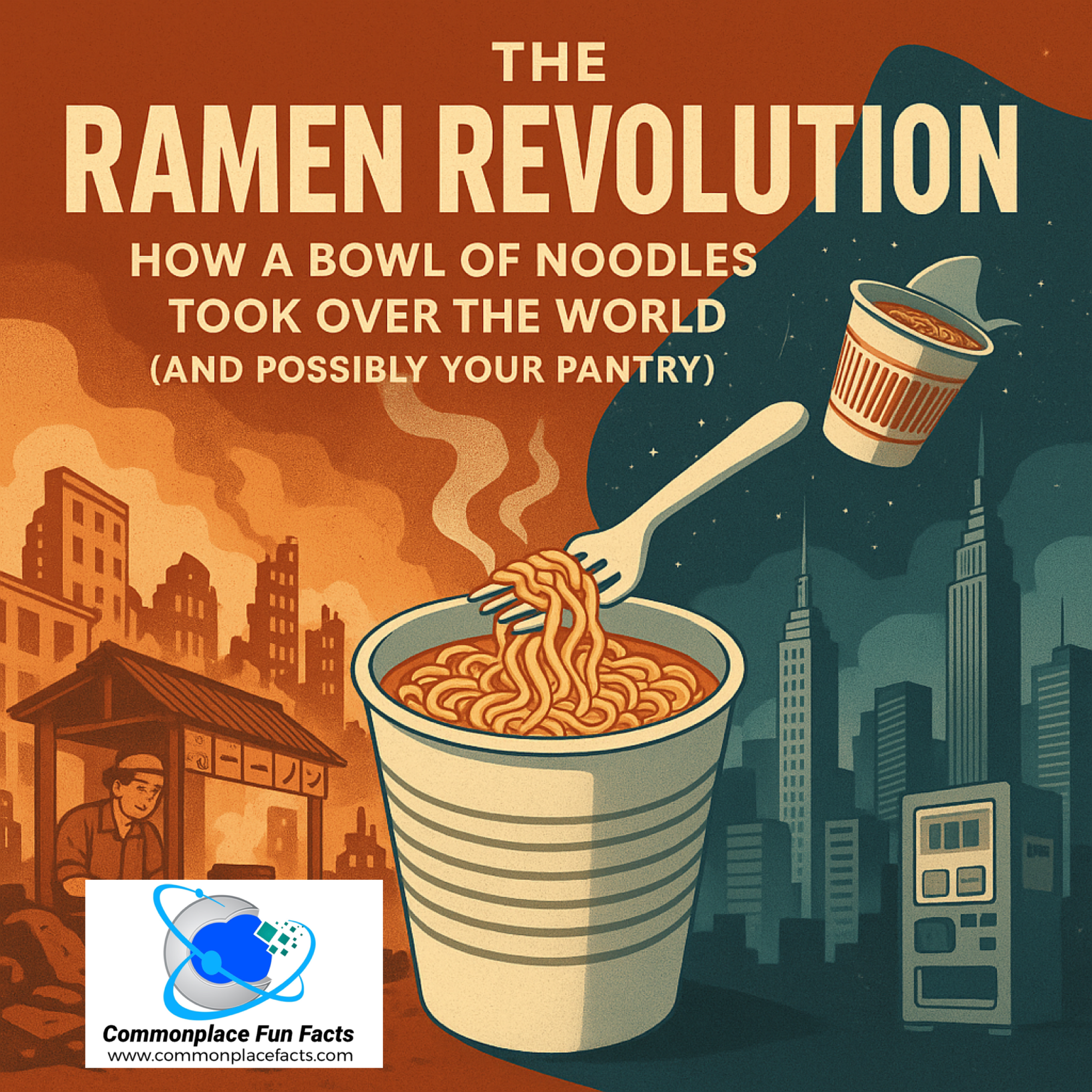
Momofuku Ando revolutionized global nutrition by inventing the world's first instant noodles, Chikin Ramen, in 1958. By utilizing a specialized "flash frying" dehydration method, Ando transformed a labor-intensive traditional dish into a shelf-stable, convenient staple. This innovation laid the foundation for a multi-billion-dollar global industry that remains a dietary cornerstone in 2026.
The Visionary Behind the Noodle: Who Was Momofuku Ando?
Momofuku Ando was born in 1910 in Taiwan during the Japanese occupation. He later moved to Osaka, Japan, where he engaged in various business ventures ranging from textile manufacturing to salt production. However, it was the aftermath of World War II that defined his legacy. In the late 1940s, Japan faced severe food shortages. Ando observed long lines of exhausted people waiting for hours in the cold for a single bowl of ramen at black-market stalls.
Despite the Ministry of Health’s efforts to encourage the consumption of wheat bread provided by U.S. aid, Ando remained convinced that noodles—a deeply rooted part of Japanese culinary culture—were the better vehicle for national sustenance. He believed that "peace will come to the world when the people have enough to eat." This philosophy drove him to spend years searching for a way to make noodles that could be prepared instantly at home using only boiling water.
Ando's path was not linear. In 1957, a credit union he chaired went bankrupt, leaving him with nothing but his rented house in Ikeda, Osaka. It was here, at the age of 47, that he retreated to a small wooden shed in his backyard to begin his experiments.
The Technical Breakthrough: The Science of Flash Frying
The primary challenge Ando faced was dehydration. To create "instant" noodles, he needed a way to remove moisture so the product wouldn't spoil, while ensuring that the noodles would regain their original texture when rehydrated. Traditional air-drying took too long and often resulted in brittle or gummy noodles that did not cook evenly.
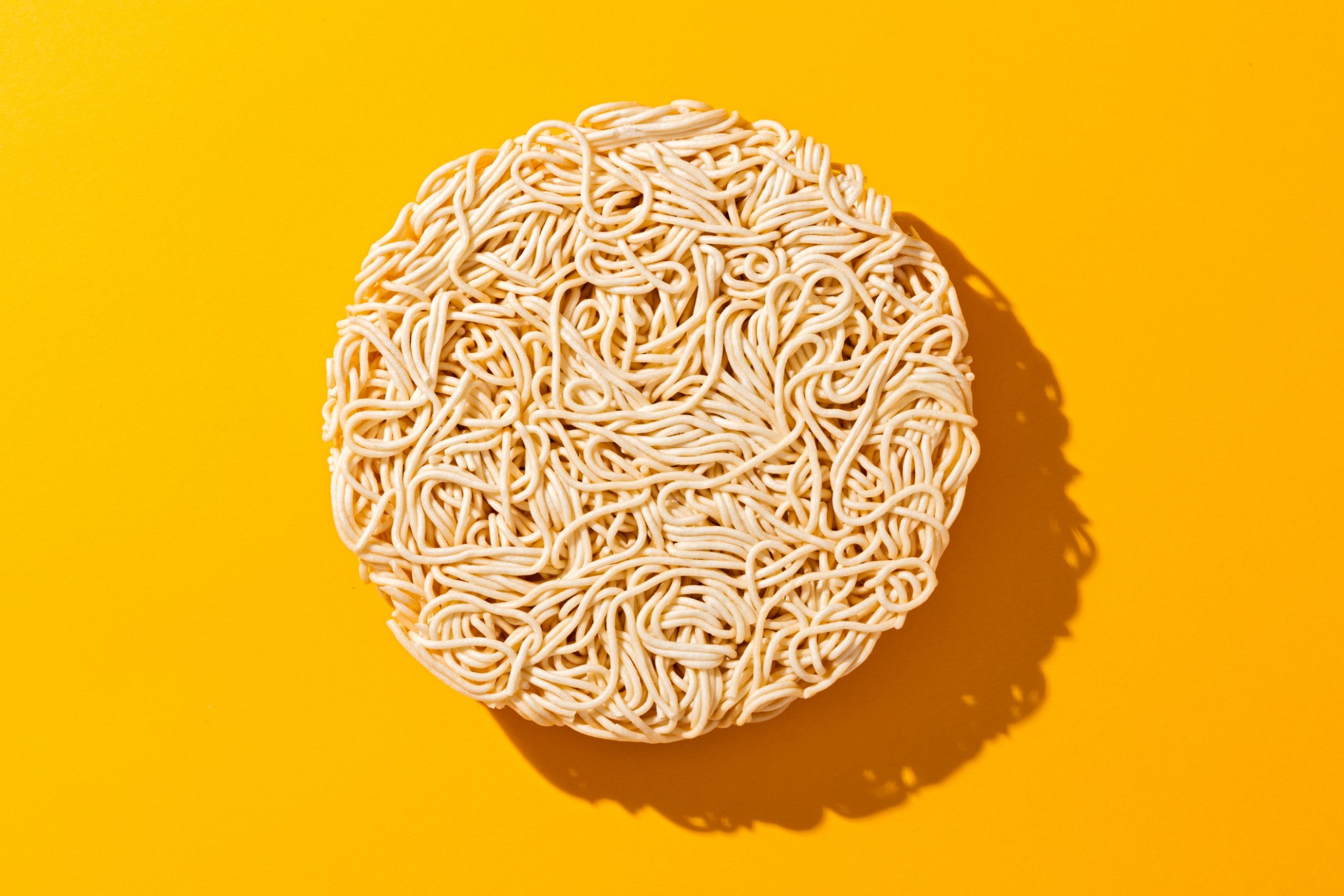
After months of trial and error—working an average of 18 hours a day with only four hours of sleep—Ando discovered the technique of flash frying (tempura-style dehydration). He realized that by frying the noodles in high-temperature oil, the moisture evaporated almost instantly. This process created tiny pores in the noodles. When a consumer later added boiling water, the water would rapidly penetrate these pores, softening the noodles in just a few minutes.
This discovery solved several problems simultaneously:
- Shelf Stability: The low moisture content prevented the growth of bacteria and mold.
- Speed: Rehydration occurred in a fraction of the time required for raw or air-dried noodles.
- Flavor: The frying process infused the noodles with a savory richness that appealed to the palate.
1958: The Launch of Chikin Ramen
On August 25, 1958, Ando’s company, Nissin Food Products, released Chikin Ramen. Marketed as "Magic Ramen," it was initially positioned as a luxury item. At 35 yen per pack, it was significantly more expensive than a bowl of fresh ramen from a local shop, which typically cost 20 to 25 yen. However, the convenience factor was undeniable.
The product’s success was propelled by Japan’s rapid urbanization and the growing "salaryman" culture, where time was becoming a precious commodity. As production scaled and efficiency improved, the price dropped, and instant ramen transitioned from a novelty to a household necessity.
The Evolution to Cup Noodles: A Global Shift
By the late 1960s, Ando sought to expand his reach beyond Japan. During a business trip to the United States in 1966, he observed grocery store managers breaking up Chikin Ramen blocks, placing them in paper cups, and eating them with forks instead of bowls and chopsticks. This observation sparked his next major innovation.
It took five years of research and development to perfect the Cup Noodles (originally "Cup O' Noodles") format, which launched in 1971. This required several engineering feats:
- Container Material: Ando selected polystyrene (Styrofoam) because it provided excellent thermal insulation, keeping the noodles hot while allowing the consumer to hold the cup comfortably.
- Middle Suspension: To prevent the noodle block from breaking during shipping and to ensure even cooking, Ando designed a "middle suspension" system. The noodle block was wider than the bottom of the cup, wedging it firmly in the center. This allowed hot water to circulate beneath and around the noodles.
- Toppings: The introduction of freeze-dried vegetables and proteins allowed for a complete meal in a single container.
The 1972 "Asama-Sanso" incident—a high-profile hostage crisis in Japan—unintentionally provided a massive marketing boost. Television viewers saw police officers eating Cup Noodles in the freezing mountain air, demonstrating the product’s warmth and portability to millions of viewers.
Technical Specifications and Comparative Milestones
The development of instant ramen has followed a rigorous trajectory of food science and engineering. The table below outlines the key differences between the original 1958 product and the modern standards maintained in 2026.
| Feature | 1958 Chikin Ramen | 1971 Cup Noodles | 2026 Modern Standard |
|---|---|---|---|
| Packaging | Clear plastic bag | Polystyrene Cup | Biodegradable/Paper-based Cup |
| Primary Dehydration | Flash Frying | Flash Frying | High-velocity Air-Drying or Frying |
| Preparation Time | 2–3 minutes | 3 minutes | 90 seconds to 3 minutes |
| Nutritional Profile | High sodium, high fat | High sodium, added veg | Reduced sodium, fortified vitamins |
| Storage Life | Approx. 6 months | Approx. 6–12 months | 12+ months |
| Global Reach | Japan only | Japan, USA, Europe | Over 100 billion servings annually |
Cultural Impact and Global Proliferation
Momofuku Ando’s invention transcended its status as a simple food item to become a cultural phenomenon. In 1999, the CupNoodles Museum opened in Ikeda, Osaka, followed by a larger facility in Yokohama in 2011. These institutions document Ando's creative thinking process and the evolution of the industry.
By the early 21st century, the World Instant Noodles Association (WINA) reported that global consumption had surpassed 100 billion servings per year. China, Indonesia, and Japan remain the top consumers, but the product has found unique niches worldwide:
- In Mexico: It is often served with hot sauce and lime.
- In Thailand: Spicy "Mama" noodles are a staple of street food culture.
- In Korea: "Ramyeon" has become a distinct culinary category with its own flavor profiles and spice levels.
Ando continued to innovate until his death in 2007 at the age of 96. His final major project was "Space Ram," a vacuum-packed instant ramen specifically designed for Japanese astronaut Soichi Noguchi to consume aboard the Space Shuttle Discovery in 2005. This required a thicker broth to prevent it from floating away in zero gravity and noodles that could be rehydrated with 70°C water rather than boiling water.
Economic and Humanitarian Role
Instant ramen has played a critical role in disaster relief and humanitarian aid. Because it is lightweight, requires only water, and has a long shelf life, it is often one of the first food items deployed to regions affected by earthquakes, floods, or conflict.
In the economic landscape of 2026, the industry has shifted toward sustainability. Major manufacturers, including Nissin Foods, have transitioned to carbon-neutral production facilities and eliminated single-use plastics in favor of bio-based materials. The technical focus has also moved toward "functional" ramen—noodles fortified with protein and probiotics to meet the demands of a more health-conscious global population.
Common Misconceptions and Industry Realities
Despite its popularity, the "rise of instant ramen" has faced criticism regarding health and nutrition. It is important to distinguish between traditional instant ramen and modern iterations.
- Sodium Content: Historically, instant ramen was criticized for high sodium. However, by 2026, many brands have implemented "stepped-down" sodium reductions to meet World Health Organization (WHO) guidelines without compromising flavor.
- Preservatives: Many consumers believe ramen is full of chemical preservatives. In reality, the low moisture content achieved through flash frying or air-drying is the primary "preservative" that keeps the product safe.
- MSG Usage: While Monosodium Glutamate (MSG) was a standard flavor enhancer in the 20th century, modern manufacturing often utilizes yeast extracts and natural umami sources to cater to changing consumer preferences.
Practical Guidance: Best Practices for Preparing Instant Ramen
While the instructions on the package are straightforward, achieving the best texture and flavor requires attention to technical details.
- Water Temperature: For cup versions, ensure the water is at a rolling boil (100°C). If the water is only simmering, the starch in the noodles will not gelatinize properly, resulting in a chalky texture.
- The "Wait" Period: Do not skip the 3-minute wait. This time is necessary for the water to penetrate the core of the fried noodle block.
- Stirring: Halfway through the waiting period, gently stir the noodles to ensure the flavor powder is fully dissolved and the noodles are evenly hydrated.
- Enhancements: To improve the nutritional profile, professional chefs suggest adding a soft-boiled egg, fresh scallions, or wilted spinach.
FAQs about Momofuku Ando and Instant Ramen
What was the first flavor of instant ramen ever created?
The first flavor was Chicken Ramen (Chikin Ramen). Ando chose chicken because it was a neutral protein that was not subject to religious dietary restrictions, making it suitable for a global market. It also provided a rich, savory "umami" base that was easy to replicate in powder form.
Why did Momofuku Ando invent instant ramen so late in life?
Ando was 47 when he began his research. His motivation came from a place of necessity after losing his fortune in a bank failure. He viewed his struggle as an opportunity to solve a social problem—hunger in post-war Japan—while rebuilding his own life through innovation.
Is instant ramen still fried in oil today?
While many varieties still use the traditional flash frying method, there is a large segment of the market dedicated to non-fried noodles. These are dehydrated using high-heat air tunnels. Non-fried noodles generally have a lower fat content and a texture more similar to fresh pasta, though they may take slightly longer to rehydrate.
How did Ando solve the problem of eating noodles in microgravity?
The "Space Ram" noodles used a high-viscosity broth that clung to the noodles even in zero-G. The noodles themselves were formulated to be slightly smaller and shaped to fit easily into an astronaut's mouth, ensuring they could be consumed safely without the risk of loose liquids damaging sensitive spacecraft equipment.
What is the "Momofuku Ando Day"?
While not an official global holiday, August 25th is widely recognized by food historians and ramen enthusiasts as the anniversary of the launch of Chikin Ramen. It is often celebrated with events at the CupNoodles Museums in Japan and by the World Instant Noodles Association.
Summary of Next Steps for Enthusiasts
For those interested in the legacy of Momofuku Ando, visiting the CupNoodles Museum in Yokohama provides an immersive look at the "Creative Thinking" curriculum he championed. Additionally, exploring the diverse range of regional flavors—from Hokkaido’s miso ramen to Kyushu’s tonkotsu—can provide a deeper appreciation for how Ando’s basic invention has been adapted to fit thousands of unique culinary traditions across the globe.