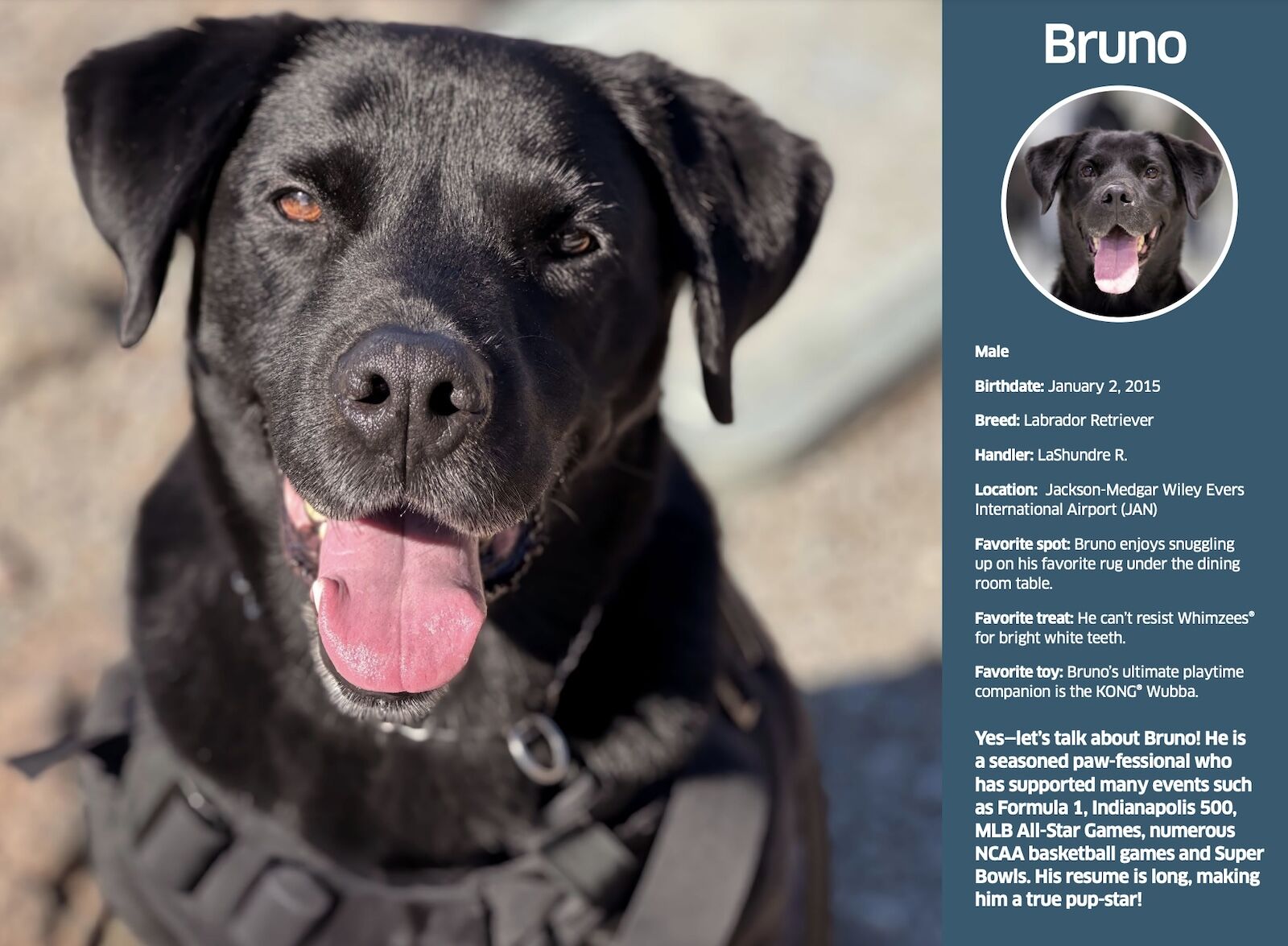
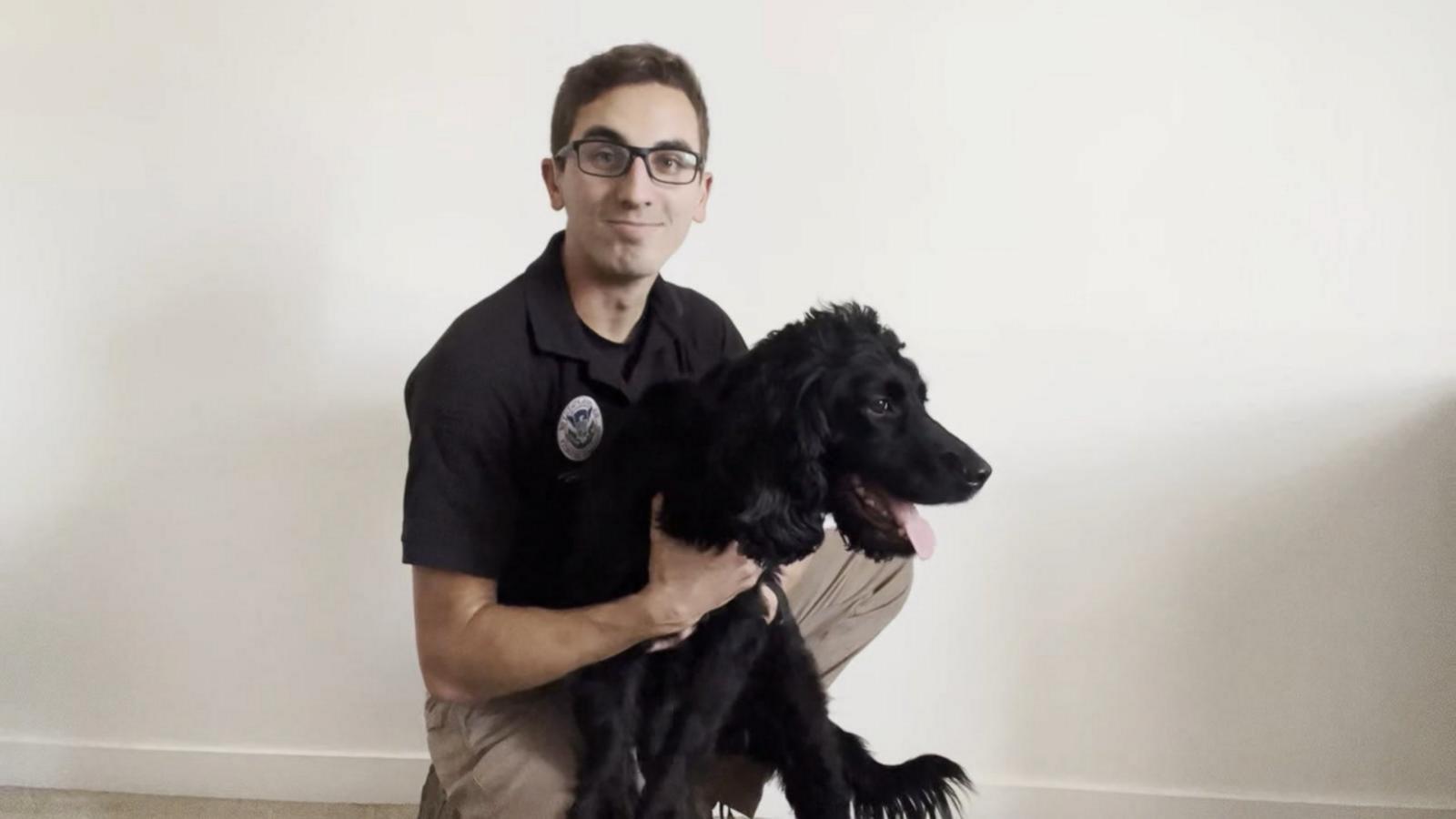
The official 2026 TSA Canine Calendar, released on December 31, 2025, is a free digital publication available for download directly from the Transportation Security Administration website. Honoring the agency's working dogs, the calendar features high-resolution photos, fun facts, airport assignments, and travel tips highlighting the explosive detection canines safeguarding security checkpoints across the United States.
Overview of the 2026 TSA Canine Calendar Launch
Every year, the Transportation Security Administration (TSA) publishes an annual canine calendar to celebrate its specialized working dogs and their human handlers. Officially launched on December 31, 2025, the 2026 edition continues this long-standing tradition of recognizing the working animals deployed across American transport hubs. Offered to the public at no financial cost, the digital calendar serves as both a collector’s item for dog enthusiasts and an educational resource for commercial air travelers.
The calendar showcases dogs selected from across the country, featuring canines stationed at major international hubs, regional airports, and surface transportation systems. Each month spotlights a different working dog, providing detail on the animal's breed, handler partnership, duty location, and personality traits. Beyond the canine profiles, the 2026 edition incorporates critical passenger education, including travel etiquette at security checkpoints, guidelines for traveling with household pets, and key dates in aviation security history.
The launch of the calendar highlights the vital role of the TSA National Explosive Detection Canine Team Program. These canine teams act as a highly mobile, non-intrusive line of defense against security threats. By distributing the calendar digitally, the agency offers public transparency into how working dogs are trained, deployed, and cared for throughout their service lives.
How to Download, View, and Print the 2026 Calendar
Accessing the official 2026 calendar is simple, as the agency provides the entire document in standard PDF format for public utility. Because the calendar is produced using public funds, it is free to download, print, and distribute for non-commercial purposes.
Downloading the Digital File
To obtain an official copy of the 2026 TSA Canine Calendar:
- Navigate directly to the official Transportation Security Administration website.
- Visit the media room or search for "Canine Calendar" in the site search bar.
- Locate the download link for the 2026 edition PDF.
- Save the file to your desktop computer, tablet, or mobile device.
The official file is formatted to display clearly on various screen sizes, making it easy to save as a desktop background or mobile device reference.
Printing Guidelines for Home and Professional Printers
For users who prefer a physical wall calendar, the downloadable PDF is designed for high-resolution printing. To achieve optimal results when printing the calendar independently, consider the following technical specifications:
- Paper Stock: Select heavy cardstock (80 lb or 100 lb cover weight) for monthly pages to prevent ink bleed-through and ensure structural durability when hanging.
- Color Settings: Set your printer configuration to "High Quality" or "Photo Quality" rendering using standard CMYK color settings.
- Page Sizing: Select "Fit to Printable Area" or "Actual Size" depending on your printer’s margin capabilities. The file is pre-formatted for standard 8.5 x 11-inch letter paper in landscape orientation.
- Binding Options: A standard two-hole punch at the top center allows for easy hanging with string or wire, while spiral binding at a local print shop creates a professional finish.
Inside the TSA National Explosive Detection Canine Team Program
To appreciate the profiles within the 2026 calendar, it helps to understand the scope and operation of the TSA National Explosive Detection Canine Team Program (NEDCTP). Established to reinforce deterrence and detection capabilities across national transportation infrastructure, the program is one of the largest working dog operations in federal law enforcement.
- Sourcing & Screening: Working breeds selected for drive/health
- Candidate Assessment: Olfactory testing & environmental stability
- Lackland Training: 16-week intensive course at NCTC
- Field Deployment: Team assigned to airport or transit hub
- Annual Recertification: Continuous operational testing
The Training Center at Joint Base San Antonio-Lackland
All TSA canine teams complete training at the TSA National Canine Training Center (NCTC) located at Joint Base San Antonio-Lackland in Texas. The facility features specialized simulation environments, including mock airport terminals, gate areas, baggage claim arenas, cargo bays, and public transit vehicles.
During their time at the NCTC, handler candidates and canines undergo rigorous instruction. Handlers learn canine behavioral science, scent theory, health management, and operational search techniques. Canines are conditioned to identify specific explosive odors, distinguishing target scents from background aromas found in busy transportation hubs.
Operational Roles: PSC vs. EDC Teams
The TSA deploys two primary operational configurations of canine teams:
- Passenger Screening Canines (PSC): These dogs are trained to detect explosive scent trails carried by moving individuals within security checkpoints and public concourses. PSCs work off-leash or on a loose lead, navigating through crowds without physical contact with passengers.
- Explosive Detection Canines (EDC): Often referred to as conventional canine teams, these pairs focus on searching stationary objects, including checked luggage, air cargo, unattended packages, terminal infrastructure, and passenger vehicles.
Both configurations utilize passive response techniques. When a working dog detects a target odor, it sits quietly near the source rather than barking, biting, or digging, allowing the handler to initiate security protocols safety.
TSA Working Dog Categories and Operational Roles
| Feature / Metric | Passenger Screening Canines (PSC) | Conventional Explosive Detection Canines (EDC) |
|---|---|---|
| Primary Operational Area | Active passenger queues, terminals, gate areas | Air cargo facilities, baggage areas, vehicles, infrastructure |
| Search Target Type | Dynamic scent plumes from moving travelers | Stationary objects, luggage, cargo pallets, parked cars |
| Common Breeds | Labrador Retrievers, Golden Retrievers, Vizslas | German Shepherds, Belgian Malinois, German Shorthaired Pointers |
| Alert Behavior | Passive sit near moving scent origin | Passive sit directly at scent source |
| Training Duration | 16 weeks at NCTC (Lackland) | 10 to 12 weeks at NCTC (Lackland) |
| Interaction Level | Navigates high-density public crowds | Operates in operational, high-noise industrial zones |
Featured Canine Profiles and Airport Assignments
The 2026 TSA Canine Calendar highlights specific dogs from participating airports across the country. Each month features a dog that exemplifies the dedication and operational skill required of working animals.
Sourcing and Breed Selection
The agency selects specific breeds known for high scent drive, sociability, environmental stability, and stamina. The most common breeds featured in the 2026 calendar include:
- Labrador Retrievers: Favored for passenger screening due to their friendly demeanor, high work drive, and calm presence around busy crowds.
- German Shorthaired Pointers: Valued for their exceptional scenting abilities, energetic search style, and athletic endurance in large terminals.
- Belgian Malinois: Known for high intelligence, agility, and intense focus, making them suited for baggage facilities and cargo environments.
- Golden Retrievers: Widely deployed in public-facing roles due to their adaptable nature and steady temperament in high-stress settings.
- Vizslas: Prized for their strong scenting instincts and gentle disposition when searching near travelers.
How Calendar Stars Are Selected
The canines featured in the annual calendar are often chosen through an agency-wide evaluation that highlights top-performing teams, retiring veterans, or winners of public-facing recognitions like the annual "Cutest Canine" contest. Held around National Dog Day, this contest invites travelers and dog enthusiasts to vote for their favorite nominee from candidates across participating U.S. airports.
The dog securing the top vote count is traditionally awarded the cover spot of the upcoming calendar, while fellow top contenders are assigned dedicated monthly features.
Guidance for Travelers: Etiquette and Pet Safety
Beyond highlighting working dogs, the calendar provides practical advice for passengers navigating airports with their own animals or moving past operational working dogs.
Interacting with TSA Working Dog Teams
When passing a working canine team inside an airport terminal or security checkpoint, passengers should adhere to standard operational boundaries:
- Do Not Touch or Pet: TSA canines are actively working, even when standing still. Distracting a working dog can disrupt its focus and operational efficiency.
- Avoid Sudden Movements: Maintain a normal walking pace through security lines. Do not run, wave hands near the dog, or attempt to attract the animal's attention.
- Follow Handler Directions: Handlers may instruct passenger queues to pause or adjust speed to allow the canine to navigate safely through concourses.
- Keep Personal Pets Secured: If traveling with a pet, ensure it remains secured inside an approved carrier when walking past working dog teams.
- Step 1: Remove pet carrier from your vehicle/transport upon arrival.
- Step 2: In line, keep pet securely inside carrier until screening.
- Step 3: Remove pet from carrier right before entering x-ray area.
- Step 4: Carry pet through metal detector/scanner (Do NOT x-ray pet!).
- Step 5: Allow TSA to swab hands for explosive traces if required.
- Step 6: Return pet to carrier immediately after passing screening.
Navigating Security Checkpoints with Household Pets
Travelers bringing domestic pets through TSA checkpoints should prepare for specific screening protocols:
- Carrier Rules: Small pets must travel in an approved soft- or hard-sided pet carrier. The carrier passes through the X-ray machine for screening.
- Handling the Animal: Never place a live pet inside an X-ray machine. Remove the pet from its carrier immediately prior to X-ray screening. Carry the animal through the walk-through metal detector or advanced imaging technology frame.
- Secondary Inspection: After walking through screening with your pet, a TSA officer will conduct a physical inspection of your hands to swab for explosive residues. Once complete, return the pet to its carrier before gathering personal belongings.
- Private Screening: If a pet is easily startled, nervous, or difficult to control in crowded environments, passengers may request a private screening room to complete the process securely.
Continuous Care and Retirement of TSA Canines
The 2026 TSA Canine Calendar highlights the continuous care working dogs receive throughout their service lives. Maintaining the health and performance of these animals requires strict veterinary standards, dedicated nutrition, and physical conditioning.
Daily Care and Health Maintenance
TSA handlers are directly responsible for the daily care and wellbeing of their assigned canines. Key maintenance practices include:
- Routine Veterinary Checks: Comprehensive health evaluations every six months, alongside preventative care for joint health and parasite prevention.
- Controlled Nutrition: High-performance, nutrient-dense diets tailored to each dog's weight, age, and activity level to maintain optimal fitness.
- Rest and Recovery Schedule: Structured work shifts that ensure working dogs receive adequate rest breaks throughout the day to prevent mental fatigue and physical exhaustion.
Retirement and Adoption Options
TSA working dogs generally serve between seven and ten years, depending on their physical health, operational drive, and overall wellbeing. When a canine reaches retirement age or displays reduced drive, it is formally transitioned out of active duty.
In almost all cases, the canine's handler is offered the first opportunity to adopt the dog as a personal family pet. If the handler is unable to adopt, the agency arranges adoption through pre-screened public applicants or approved working dog adoption programs. This policy ensures every retired working dog spends its remaining years in a comfortable home environment.
Frequently Asked Questions
Where can I get a physical hard copy of the 2026 TSA Canine Calendar?
The TSA publishes the calendar as a digital document available for free download on its official website. The agency does not mail physical paper copies to the public, but individuals can print the file using a home printer or commercial print service.
How much does the digital TSA Canine Calendar cost?
The digital PDF calendar is entirely free to download and view. It is produced by the Transportation Security Administration as a public service and public education resource.
Can I pet the dogs featured in the calendar if I see them at the airport?
No. All working dogs at airports are actively on duty, and touching or distracting them can interfere with their security responsibilities. Travelers should always give canine teams space and refrain from petting them.
What should I do if my pet gets nervous near airport working dogs?
Keep your pet fully secured inside its carrier and maintain distance from the working canine team. If necessary, inform a TSA officer at the checkpoint that your pet is anxious so they can guide you safely through the screening lane or offer a private screening option.
How are the dogs chosen for the annual calendar?
Dogs are selected based on agency nominations, performance recognition, and public participation in events like the annual TSA "Cutest Canine" contest held around National Dog Day.
Where are TSA working dogs trained before being deployed?
All TSA working dog teams complete their intensive instruction at the TSA National Canine Training Center located at Joint Base San Antonio-Lackland in San Antonio, Texas.
Next Steps for Air Travelers and Dog Enthusiasts
To obtain your copy of the 2026 TSA Canine Calendar, visit the official Transportation Security Administration website, locate the media downloads section, and save the PDF file to your device. If printing a wall version, use heavy cardstock and high-resolution color settings for optimal durability and clarity.
When traveling through airports throughout the year, respect working canine teams by keeping a respectful distance, following handler instructions, and following proper pet screening procedures at security checkpoints.