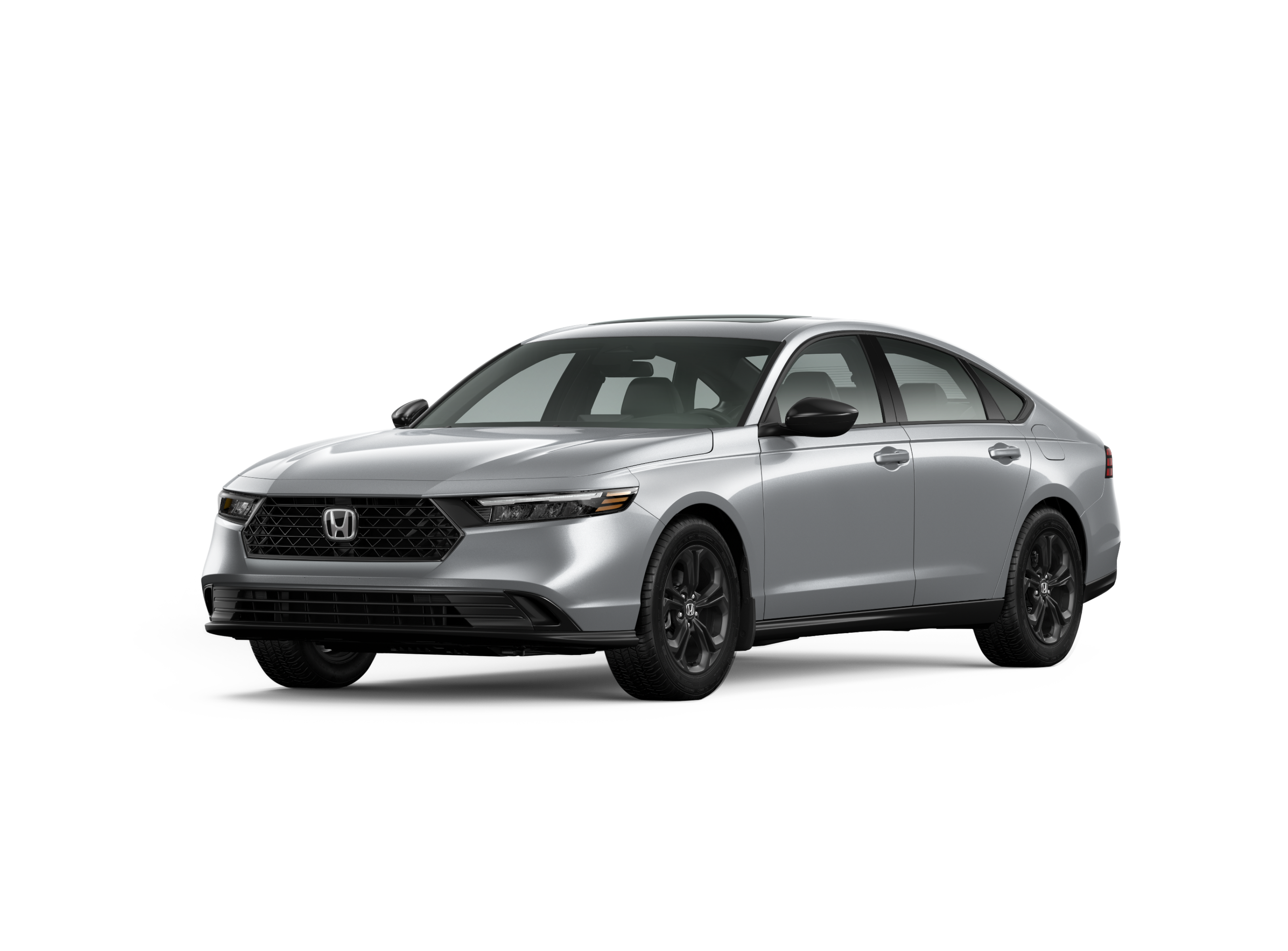
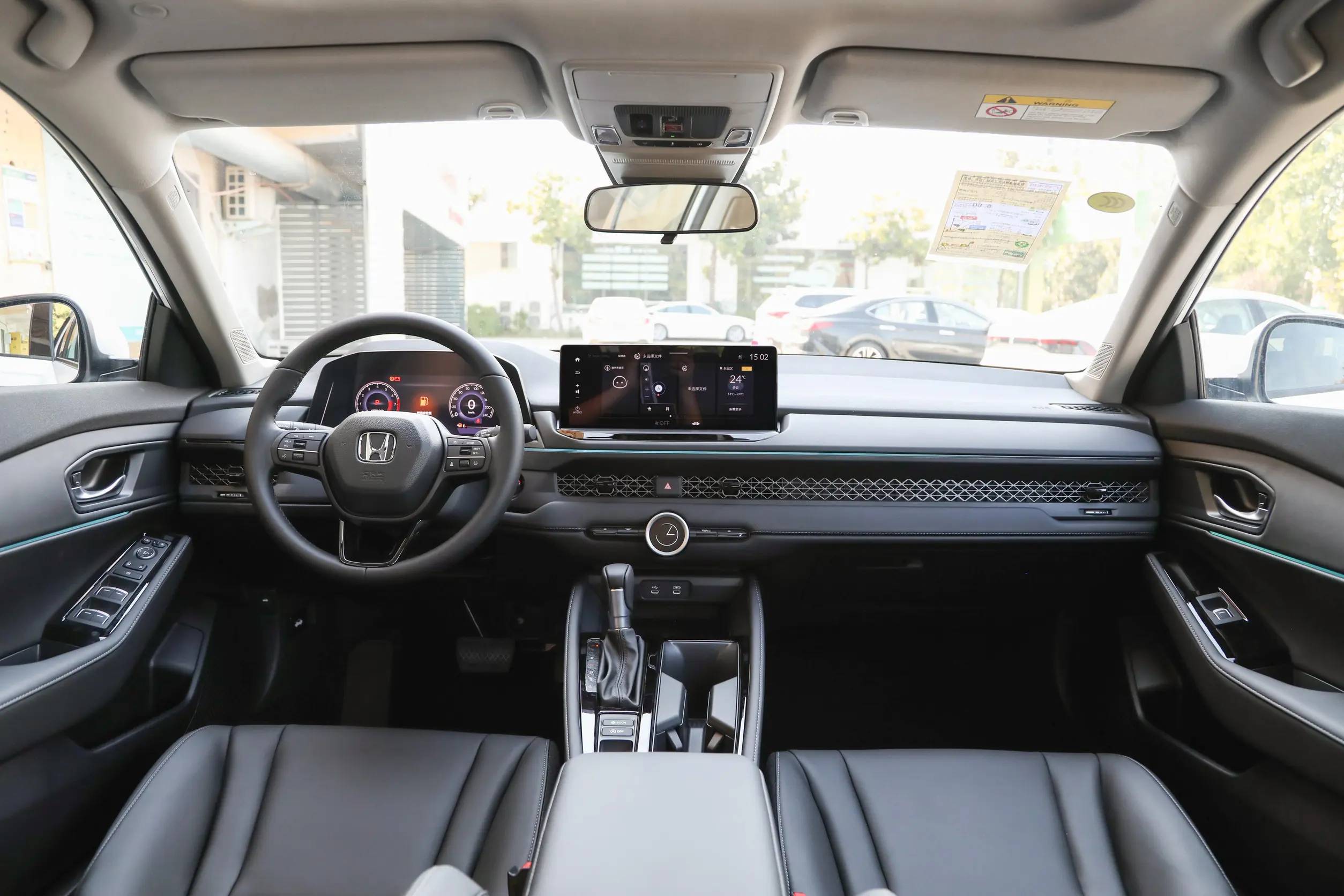
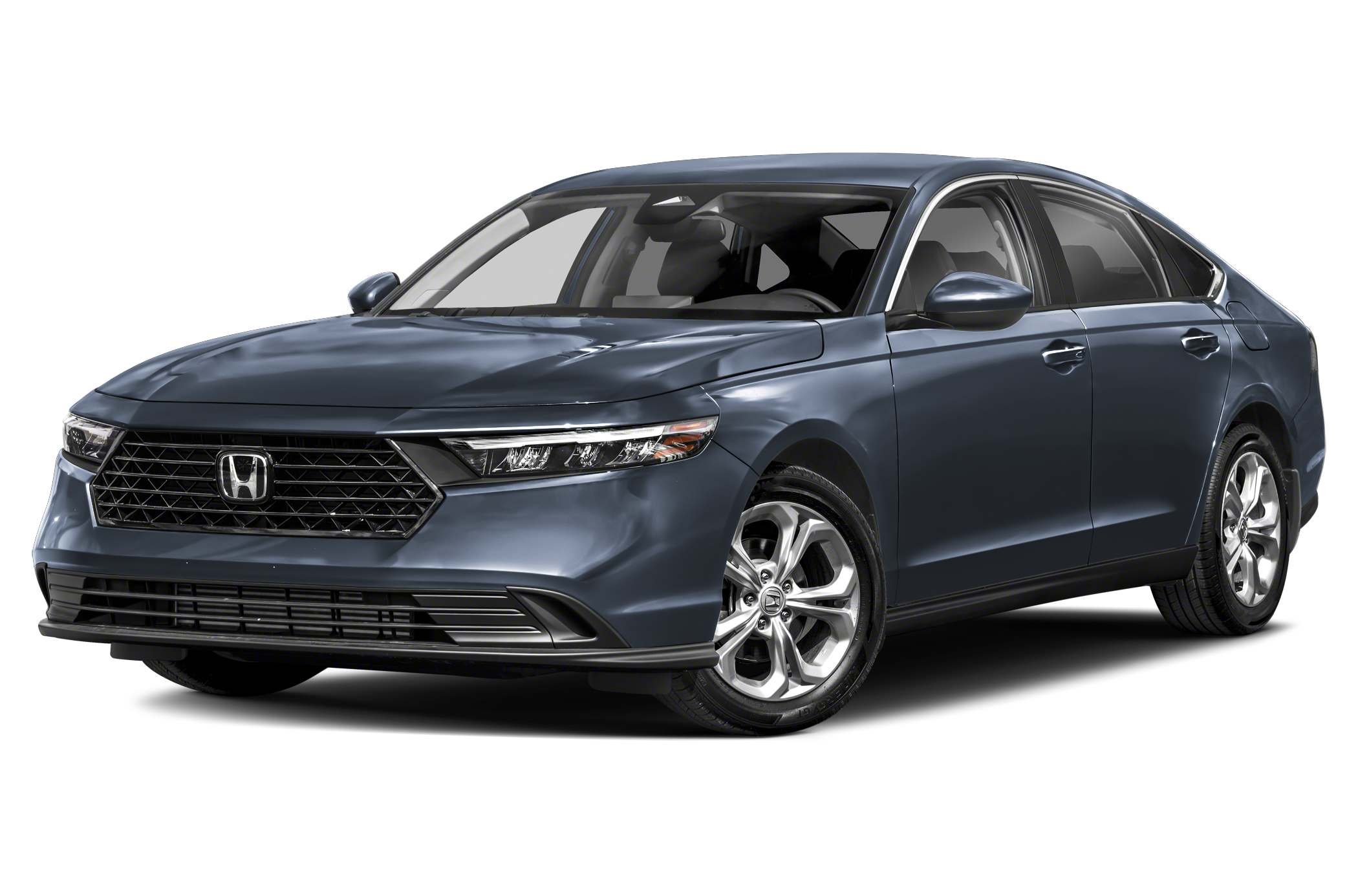
The 2025 Honda Accord 1.5T features a 1.5-liter turbocharged inline-4 cylinder engine generating 192 horsepower and 192 lb-ft of torque. Standard on the LX and EX trim levels, this direct-injected DOHC powertrain pairs exclusively with a Continuously Variable Transmission (CVT), delivering an EPA-estimated fuel economy of 29 mpg city and 37 mpg highway while offering smooth, responsive daily drivability.
Engine Architecture and Core Technical Specifications
The 1.5-liter turbocharged engine powering entry-level configurations of the 11th-generation Honda Accord represents the continuation of Honda’s L-series engine architecture (specifically the L15 family variant refined for the 11th-gen platform). Designed to balance compact physical dimensions, light weight, and high thermal efficiency, this power unit utilizes an aluminum alloy cylinder block and head structure equipped with cast-iron cylinder sleeves for long-term wear resistance.
Displacing exactly 1,498 cubic centimeters (cc), the engine features a square-to-undersquare cylinder design with a 73.0 mm bore and an 89.5 mm stroke. This long-stroke geometry naturally promotes strong low-end torque development prior to boost buildup, enhancing responsiveness off the line in urban traffic. The cylinder head houses a Dual Overhead Camshaft (DOHC) arrangement driving four valves per cylinder (16 valves total), managed by Honda's variable valve timing and electronic lift control technologies.
Internal Components and Thermal Management
To withstand the elevated internal cylinder pressures inherent to forced induction, Honda equips the 1.5T engine with structural enhancements over naturally aspirated L-series variants. The engine employs a high-rigidity forged steel crankshaft with micromachined journals to minimize friction, paired with lightweight aluminum pistons featuring internal cooling galleries. Engine oil is sprayed directly onto the undersides of the piston crowns via dedicated oil jets to reduce crown temperatures and deter premature combustion knocking (detonation).
Thermal efficiency is further optimized through an integrated exhaust manifold built directly into the aluminum cylinder head casting. By running engine coolant passages surrounding the exhaust ports, the system accelerates engine coolant warmup during cold starts—reducing cold-start emissions and passenger cabin heater warm-up times—while simultaneously lowering exhaust gas temperatures before entering the turbocharger housing under heavy load conditions.
Complete Technical Specification Summary
| Feature / Specification | Technical Detail |
|---|---|
| Engine Type | Inline 4-Cylinder, Turbocharged, Direct Injection |
| Displacement | 1.5 Liters (1,498 cc) |
| Bore × Stroke | 73.0 mm × 89.5 mm |
| Compression Ratio | 10.3:1 |
| Valvetrain | DOHC 16-Valve; Dual VTC (Intake/Exhaust), VTEC (Exhaust side) |
| Horsepower Output | 192 hp @ 6,000 RPM |
| Torque Output | 192 lb-ft @ 1,700–5,000 RPM |
| Fuel Delivery | High-Pressure Direct Fuel Injection (up to 20 MPa / 2,900+ PSI) |
| Turbocharger Type | Single-Scroll Low-Inertia Turbocharger with Electric Wastegate |
| Recommended Fuel | Unleaded Regular (87 Octane minimum) |
| Transmission | Continuously Variable Transmission (CVT) with Step-Shift Control |
| EPA Fuel Economy (City/Hwy/Comb) | 29 / 37 / 32 MPG |
Performance Output and Power Delivery Characteristics
The output rating of 192 horsepower at 6,000 RPM and 192 lb-ft of torque spanning from 1,700 to 5,000 RPM gives the 2025 Accord 1.5T a wide powerband. Unlike legacy naturally aspirated four-cylinder engines that required high engine speeds to generate useful acceleration, the low-end torque availability of the 1.5T ensures that maximum pulling force is accessible almost immediately above idle speed.
- Engine Power & Torque Curves (1.5T Accord)
- Torque (lb-ft): 192 lb-ft Peak: 1,700 - 5,000 RPM
- Power (hp): 192 hp Peak @ 6,000 RPM
- RPM: 1,000, 2,000, 3,000, 4,000, 5,000, 6,000 RPM
Turbocharging System and Exhaust VTEC Integration
The forced induction assembly consists of a single-scroll, low-inertia turbocharger equipped with an electronically controlled wastegate actuator. The low-mass turbine wheel reduces rotational inertia, allowing the turbocharger to spool up rapidly even under light exhaust gas flow conditions, virtually eliminating standard turbo lag during tip-in throttle applications.
A vital design element of the updated 1.5T engine in the 11th-generation Accord is the application of VTEC (Variable Valve Timing and Lift Electronic Control) specifically on the exhaust valves, combined with Dual VTC (Variable Timing Control) on both intake and exhaust camshafts:
- Dual VTC: Continuously alters the phase angle of both intake and exhaust camshafts relative to the crankshaft position based on engine load and RPM, optimizing valve overlap for enhanced power and fuel efficiency.
- Exhaust VTEC: Alters valve lift duration on the exhaust side. Under low-load or spool-up conditions, changing the exhaust valve lift velocity directs high-energy exhaust pulses straight into the turbine wheel to speed up response times. Under high-speed cruise conditions, valve timing shifts to reduce pumping losses and clear residual exhaust gases from the combustion chambers efficiently.
Continuously Variable Transmission (CVT) Integration
The 1.5T engine routes power exclusively through a front-wheel-drive Continuously Variable Transmission (CVT). While early CVTs were often criticized for continuous engine drone under acceleration, Honda’s updated control logic incorporates step-shift programming (Step-Shift Control). During medium to heavy throttle inputs, the transmission control unit simulates discrete gear changes by stepping through predetermined ratio bands, closely mimicking the familiar mechanical feel of a traditional automatic transmission while retaining the efficiency benefits of optimal ratio matching.
Fuel Efficiency, Emissions, and Real-World Mileage
Achieving high fuel efficiency without compromising mid-size sedan utility remains a primary objective of the 1.5T engine design. The 2025 Honda Accord LX and EX trims achieve an official EPA rating of 29 MPG in city driving, 37 MPG on the highway, and 32 MPG combined.
Several engineering techniques contribute directly to these efficiency figures:
- Direct Fuel Injection: Multi-hole injectors positioned inside the cylinder crown spray atomized fuel directly into the combustion chamber at pressures exceeding 2,900 PSI. This direct charge cooling lowers in-cylinder temperatures, preventing detonation despite the elevated 10.3:1 compression ratio paired with turbocharging boost pressures.
- High-Tumble Intake Ports: The intake port geometry creates a rotating air-fuel vortex within the cylinder, resulting in complete fuel combustion within a shorter time frame, minimizing unburned hydrocarbon emissions.
- Idle-Stop Technology: The engine incorporates an automated engine stop-start system that cuts combustion when the vehicle comes to a complete halt in traffic or at stoplights, eliminating idle fuel consumption and restarting instantly upon release of the brake pedal.
Reliability, Engine Maintenance, and Revision History
To evaluate the long-term outlook of the 2025 Honda Accord 1.5T engine, it is helpful to understand how Honda refined this powertrain compared to earlier iterations found in prior generations (such as 2018–2022 10th-generation Accords and earlier CR-V models).
Addressing Earlier Concerns: Oil Dilution and Head Gasket Durability
Early production versions of Honda's 1.5L Turbo engine (introduced circa 2016–2018) encountered two notable issues in specific operating environments:
- Engine Oil Dilution: In extremely cold climates during brief, low-speed driving trips, unburned fuel vapor would wash down cylinder walls into the oil pan before the engine reached full operational temperature. Honda resolved this across later production runs—and within the current 11th-gen layout—by updating engine control unit (ECU) fuel injection timing schedules, optimizing thermostat opening thresholds, and revising the thermal management strategy to enable fast engine warmup.
- Head Gasket Integrity: Some 10th-generation Accord 1.5T engines experienced head gasket failures at elevated mileages (often past 100,000 miles) due to thermal expansion stresses around cylinder bores under sustained boost. For the 11th-generation platform (2023+ models including the 2025 Accord), Honda introduced a modified engine block casting, redesigned head gasket fire rings, upgraded cylinder head clamping bolts, and revised cooling jacket flow dynamics to distribute thermal loads evenly.
Critical Routine Maintenance Protocols
Maintaining peak operational longevity for the 1.5T engine requires adherence to Honda’s Maintenance Minder system and baseline mechanical practices:
Maintenance Interval Schedule for Honda 1.5T
- Engine Oil & Filter: Every 5,000–7,500 miles (Full Synthetic 0W-20)
- CVT Fluid Service: Every 30,000–45,000 miles (Honda HCF-2 only)
- Spark Plugs (Iridium): Every 60,000–100,000 miles
- Valve Clearance Check: Inspect at 100,000 miles (Mechanical lifters)
Engine Oil Specifications: Always use high-grade 0W-20 full synthetic engine oil carrying API SP / ILSAC GF-6 standards. Modern GF-6 standards are engineered specifically to prevent Low-Speed Pre-Ignition (LSPI)—a destructive knocking phenomenon common in small-displacement turbocharged direct-injected engines running under high torque loads at low RPMs.
Transmission Fluid Maintenance: Turbocharged engines place higher thermal demands on drivetrain fluid. Servicing the CVT fluid with genuine Honda HCF-2 Continuously Variable Transmission Fluid at scheduled intervals prevents belt slippage and valve body varnish accumulation.
Spark Plug Maintenance: Direct-injected turbocharged engines subject spark plugs to harsher combustion environments than naturally aspirated engines. Utilizing correct-heat-range Iridium-tipped spark plugs ensures reliable ignition arc stability and prevents misfires under boost.
1.5T Gas Engine vs. 2.0L Accord Hybrid Powertrain
When shopping for a 2025 Honda Accord, buyers choose between two distinct propulsion systems depending on trim choice. The LX and EX trims use the 1.5T gas engine, whereas the Sport, EX-L, Sport-L, and Touring trims feature Honda’s two-motor 2.0-liter Atkinson-cycle hybrid powertrain.
2025 Honda Accord Powertrain Comparison
| 1.5T Turbocharged I4 (LX & EX Trims) | 2.0L Two-Motor Hybrid (Sport, EX-L, Touring) |
|---|---|
| 192 hp / 192 lb-ft | 204 hp / 247 lb-ft |
| CVT Transmission | e-CVT (Direct Drive) |
| 32 MPG Combined | 44-48 MPG Combined |
| Lighter Curb Weight | Electric Torque Feel |
Key Functional Differences
- Weight and Chassis Dynamics: Models equipped with the 1.5T engine weigh roughly 200 to 250 pounds less than their hybrid counterparts because they lack a high-voltage traction battery pack, electric drive motors, and power control units. This lighter front end provides agile initial turn-in response and nimble cornering feel.
- Trunk Space and Practicality: Unlike older hybrid vehicles where battery packs encroached upon cargo volume, both the 1.5T non-hybrid and 2.0L Hybrid variants of the 11th-generation Accord share the identical 16.7 cubic feet of trunk space, thanks to under-seat battery placement in the hybrid.
- Initial Cost vs. Fuel Economy: The 1.5T trims carry a lower base purchase price, making them an economical choice for drivers who cover low-to-average annual mileage or prefer a conventional mechanical drivetrain without high-voltage hybrid electronics. Drivers covering high annual miles in city traffic will benefit more from the Hybrid's higher EPA ratings (up to 48-51 MPG city depending on wheel size).
Operating Recommendations for Owners
To ensure optimal performance and long service life from a 2025 Honda Accord 1.5T, incorporate the following practical operational habits:
- Fuel Selection: While the engine is calibrated to run safely on 87-octane regular unleaded gasoline, using Top Tier detergent gasoline prevents carbon deposit buildup on direct-injection fuel injector nozzles and intake valves over time.
- Cold Weather Warmup: Avoid revving the engine immediately after a cold start in low temperatures. Allow 30 seconds for oil pressure to fully stabilize across the turbocharger bearing center housing before driving away under light load.
- Cooldown After Heavy Driving: After prolonged high-speed highway driving or steep mountain climbs under boost, allow the engine to idle for 30 to 60 seconds before shutting it off. This permits coolant and oil circulation to cool the turbocharger center housing, preventing oil thermal breakdown (coking) inside turbine feed lines.
- Monitor Maintenance Intervals: Rely on the vehicle's onboard Maintenance Minder system, but do not exceed 7,500 miles or 12 months between oil changes under normal driving conditions, or 5,000 miles under severe conditions (short trips, extreme cold, or heavy traffic).
Frequently Asked Questions
Does the 2025 Honda Accord 1.5T engine require premium fuel?
No, the 2025 Honda Accord 1.5T engine is engineered and calibrated to run on 87-octane regular unleaded gasoline. Premium fuel is not required for standard operation, though using high-quality Top Tier fuel helps keep internal direct-injection components free of deposits.
Which 2025 Honda Accord trim levels come with the 1.5T engine?
The 1.5T engine is standard on the LX and EX trims of the 2025 Honda Accord. Upper trim levels (Sport, EX-L, Sport-L, and Touring) are exclusively equipped with Honda’s 2.0-liter two-motor hybrid system.
Does the 2025 Accord 1.5T use a timing belt or a timing chain?
The 1.5T engine utilizes a maintenance-free timing chain rather than a rubber timing belt. The timing chain is lubricated directly by engine oil and is designed to last the service life of the engine under normal maintenance conditions.
Is the 2025 Honda Accord 1.5T equipped with VTEC?
Yes, the 1.5T engine features exhaust-side VTEC (Variable Valve Timing and Lift Electronic Control) along with Dual VTC (Variable Timing Control) on both intake and exhaust camshafts. This combination optimizes exhaust gas velocity to spool up the turbocharger rapidly while improving high-rpm thermal efficiency.
How reliable is the 1.1th-generation Accord 1.5T engine compared to older models?
The 11th-generation 1.5T engine (2023–2025+) includes multiple structural and thermal updates over older 10th-generation engines. Upgrades to the engine block casting, head gasket design, injector pulse timing, and thermal management software have addressed early issues such as oil dilution and gasket wear under thermal stress.
Final Verdict: Is the 2025 Accord 1.5T Right for You?
The 2025 Honda Accord 1.5T engine offers a balanced combination of low-end torque, responsive turbocharging performance, and highway fuel economy. For prospective owners seeking a refined mid-size sedan with lower initial purchase costs, conventional powertrain mechanics, and high reliability when properly maintained, the 1.5T engine in the Accord LX or EX trim remains an excellent standard choice.