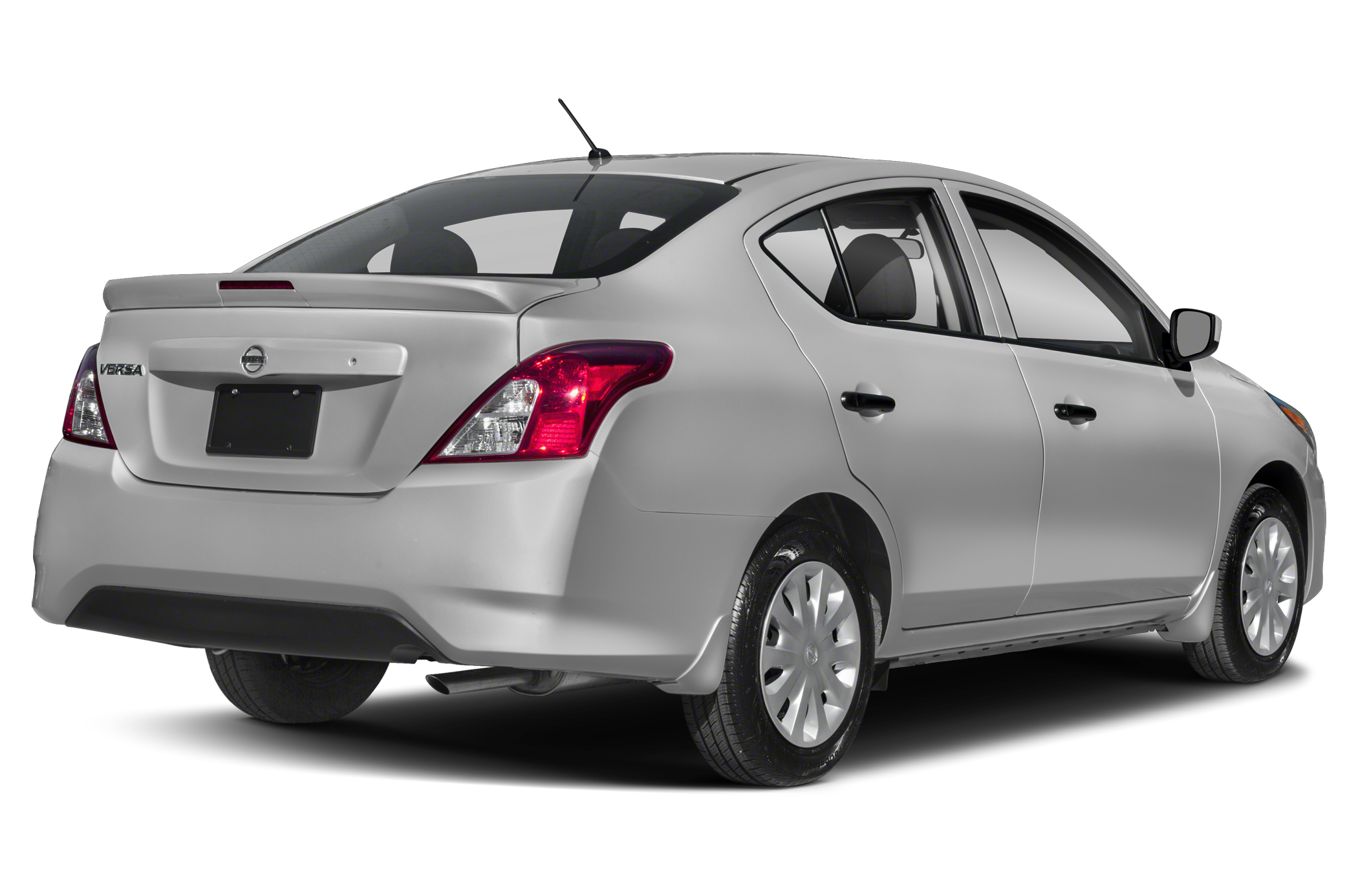
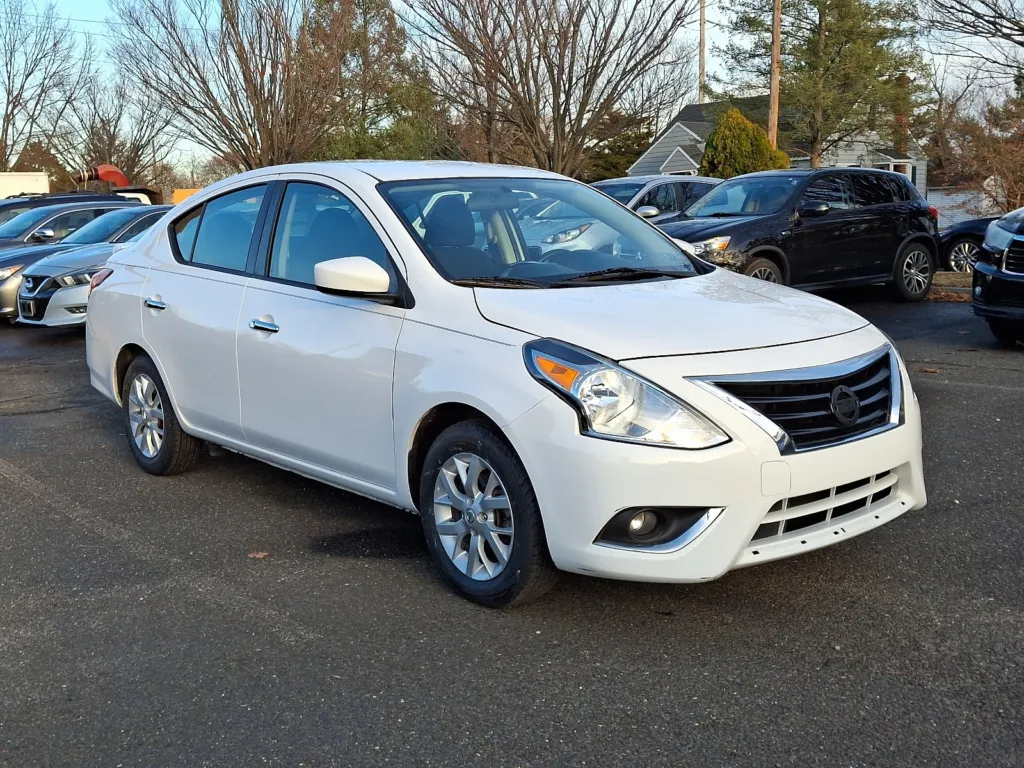
The 2018 Nissan Versa achieves an EPA-estimated fuel economy of 31 MPG in the city, 39 MPG on the highway, and 34 MPG combined when equipped with the Xtronic CVT. Models featuring the five-speed manual transmission offer a lower efficiency rating of 27 MPG city, 36 MPG highway, and 30 MPG combined, reflecting the impact of transmission technology on internal combustion efficiency.
Understanding the 2018 Nissan Versa Drivetrain Configuration
To understand the gas mileage of the 2018 Nissan Versa, one must first look at the mechanical heart of the vehicle: the 1.6-liter DOHC 16-valve 4-cylinder engine. This powertrain was designed specifically for economy rather than high-performance output, producing 109 horsepower and 107 lb-ft of torque. Because the Versa is categorized as a subcompact vehicle, its lightweight chassis allows this modest power plant to move the car with relative efficiency.
The disparity in gas mileage between the available transmissions—the Xtronic Continuously Variable Transmission (CVT) and the five-speed manual—is the most significant factor in the vehicle's fuel economy ratings. The CVT is engineered to keep the engine operating within its most efficient power band regardless of vehicle speed, effectively "stepping" through an infinite range of ratios. In contrast, the five-speed manual relies on fixed gear ratios, which inherently limits the engine's ability to maintain peak efficiency across varying driving conditions.
Official EPA Fuel Economy Ratings
The Environmental Protection Agency (EPA) provides standardized testing data that serves as the benchmark for vehicle efficiency. For the 2018 model year, Nissan offered the Versa Sedan in several trim levels, but the fuel efficiency remained consistent based on the drivetrain choice.
| Transmission Type | City MPG | Highway MPG | Combined MPG |
|---|---|---|---|
| Xtronic CVT | 31 | 39 | 34 |
| 5-Speed Manual | 27 | 36 | 30 |
It is important to note that these figures are laboratory-tested estimates. Real-world performance can be influenced by variables such as tire pressure, aerodynamic modifications, the use of climate control systems, and individual driving habits. The jump from 30 MPG combined in the manual to 34 MPG combined in the CVT represents a nearly 13% increase in fuel efficiency, highlighting why the CVT became the standard choice for buyers prioritizing low cost-of-ownership.
Factors Influencing Real-World Gas Mileage
While the EPA ratings provide a solid baseline, owners of the 2018 Nissan Versa often observe variances in their actual fuel consumption. Understanding these factors can help drivers optimize their performance and minimize fuel expenditure.
1. Aerodynamic Drag and Speed
The 2018 Versa features a design optimized for a low drag coefficient, which is crucial for highway fuel economy. However, as vehicle speed increases above 60 mph, the amount of energy required to overcome air resistance increases exponentially. Driving at 75 mph or 80 mph will noticeably decrease the highway mileage compared to the 39 MPG rating, which is typically achieved at a steady 55–65 mph.
2. Tire Maintenance and Rolling Resistance
Tires are the only point of contact between the vehicle and the road. If the tires on your 2018 Versa are under-inflated, the rolling resistance increases significantly, forcing the engine to work harder to maintain speed. Nissan recommends specific tire pressures for the Versa, usually found on the driver-side door jamb placard. Maintaining these pressures is one of the easiest ways to ensure you reach the factory-rated fuel efficiency.
3. Accessory Load and Engine Strain
The air conditioning system, heated mirrors, and high-intensity electrical accessories draw power from the alternator. Because the 1.6-liter engine has limited power, running multiple accessories simultaneously places a greater load on the engine. In hot climates where the air conditioning compressor is running constantly, drivers may notice a drop of 1 to 2 MPG in city driving.
4. The CVT "Rubber Band" Effect
Drivers unaccustomed to a CVT may find the driving sensation unique. The engine may rev higher during acceleration compared to a traditional geared transmission. Developing a "light foot"—accelerating gradually to allow the transmission to transition into its higher, more efficient ratios early—is the most effective technique for maximizing the 31 MPG city rating.
Comparison: Manual vs. Automatic Efficiency
The choice between the manual and CVT versions of the 2018 Versa often boils down to a preference for control versus maximum efficiency. The five-speed manual transmission is robust and provides a more engaging driving experience, but it lacks the sophisticated computer-controlled ratio management of the Xtronic system.
The CVT's advantage is most pronounced during highway cruising. By keeping engine RPMs significantly lower at 65 mph than the five-speed manual, the CVT reduces internal friction and fuel consumption. For commuters who spend a majority of their time on open roads, the CVT is objectively the superior choice for reducing long-term fuel costs.
Maintenance Tips to Preserve Fuel Economy
Fuel efficiency is not a static property of the vehicle; it is a dynamic result of vehicle health. Over time, components wear out, and if not addressed, they can cause a degradation in MPG.
- Air Filters: A clogged engine air filter restricts airflow, which ruins the air-fuel mixture and reduces combustion efficiency. Replacing the filter every 15,000 to 30,000 miles is vital.
- Spark Plugs: The 2018 Versa uses iridium-tipped spark plugs designed for long life. However, if they begin to misfire or degrade, the engine will lose combustion efficiency, leading to unburned fuel being pushed through the exhaust.
- Fuel System Cleanliness: Using high-quality top-tier gasoline helps prevent carbon buildup on intake valves and fuel injectors. While not a dramatic fix, it ensures that the engine performs as it did when it left the factory.
- Transmission Fluid: For those with the Xtronic CVT, fluid health is paramount. The CVT relies on a steel belt and pulleys; degraded or contaminated fluid can lead to slippage, which is detrimental to both the transmission's longevity and its fuel efficiency.
Frequently Asked Questions
Does the 2018 Nissan Versa require premium gasoline? No. The 2018 Nissan Versa is engineered to run on 87-octane regular unleaded gasoline. Using premium fuel will not improve performance or gas mileage in this engine, as the engine's compression ratio is not designed to benefit from the higher knock resistance of premium fuel.
How does vehicle weight affect the fuel economy of the Versa? The Versa is designed to be lightweight to offset its small engine. Carrying heavy cargo, roof racks, or unnecessary weight in the trunk increases the mass the engine must move, which can reduce fuel economy by roughly 1–2% for every 100 pounds of added weight.
Will using cruise control help me save gas? Yes, especially on flat terrain. Cruise control maintains a more consistent speed than a human driver, preventing the "gas-brake" cycle that wastes energy. However, on hilly terrain, you may find that manual control is more efficient, as you can allow the car to lose speed on uphills and gain speed on downhills.
Why does my city MPG seem lower than the EPA estimate? The EPA city cycle simulates a "stop-and-go" commute with a specific amount of idling. If your city driving involves significantly more idling at traffic lights or shorter, stop-start trips where the engine does not reach operating temperature, your efficiency will naturally be lower than the rating.
Does the "Overdrive" or "Sport" mode affect mileage? The 2018 Versa features a "Sport" button on the shifter. Engaging this mode changes the CVT mapping to hold lower ratios longer, providing more acceleration but also keeping engine RPMs higher. Using Sport mode regularly will significantly decrease your fuel economy.
Final Recommendation
To achieve the best gas mileage in your 2018 Nissan Versa, focus on smooth, predictable inputs and consistent speed maintenance. If you own the CVT model, practice "gentle acceleration" to let the transmission shift into a higher ratio as quickly as possible. Regularly check your tire pressure and ensure your engine air filter is clean. By treating your vehicle to routine maintenance and driving with efficiency in mind, you can reliably reach—or even exceed—the EPA-estimated 34 MPG combined rating.