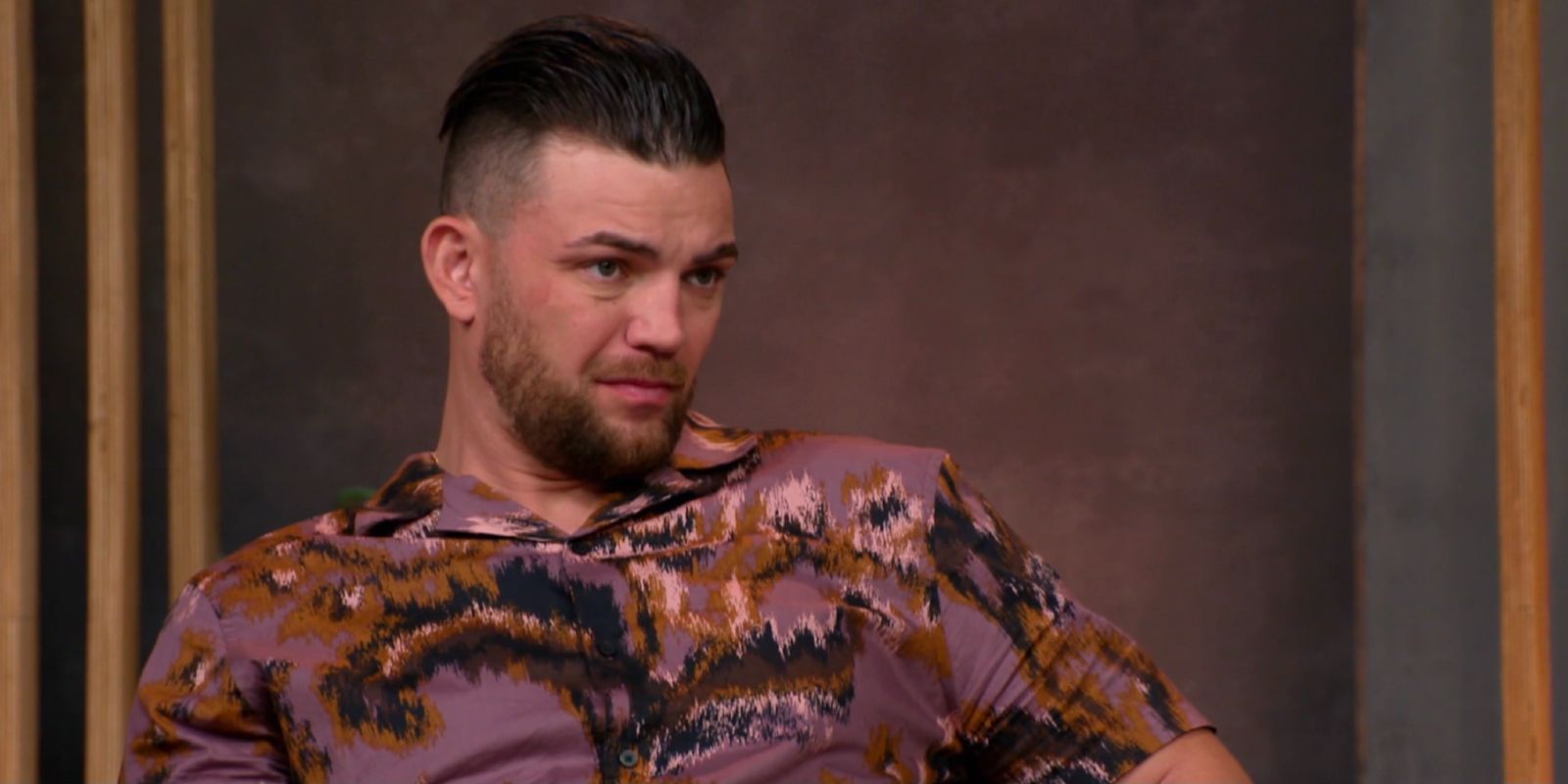
Andrei Castravet, a central figure in the long-running TLC franchise 90 Day Fiancé, rose to prominence through his documented journey from Moldova to the United States. His narrative is primarily defined by the cross-cultural tensions, professional adjustments, and family dynamics that unfolded both in America and during his return visits to his home country of Chisinau, Moldova.
Understanding the Narrative Arc of Andrei Castravet
Andrei Castravet entered the public consciousness as the fiancé of Elizabeth Potthast, a Florida native. The core of their initial storyline focused on the K-1 visa process, a legal framework that allows foreign fiancés of United States citizens to enter the country for the purpose of marriage. The tension in their early episodes frequently stemmed from the cultural differences between Andrei’s upbringing in the post-Soviet climate of Moldova and Elizabeth’s lifestyle in Tampa.
As the series progressed, the show moved beyond the initial visa stage, covering their marriage, the birth of their children, and their economic struggles. A significant portion of the audience’s interest in Andrei lies in his stoic, often confrontational demeanor—a personality trait he has often attributed to his background in the Moldovan police force and the cultural expectation of a patriarch in a family structure.
The Role of Moldova in the 90 Day Fiancé Storyline
Moldova serves as more than just a place of origin in the series; it is a recurring setting that drives the drama. When the couple traveled to Moldova to host a second wedding ceremony—a tradition meant to include Andrei’s family who could not attend the first event in the United States—the show highlighted several friction points:
- Cultural Expectations: The divide between American wedding norms and traditional Moldovan customs regarding family hierarchies and event planning created distinct on-screen conflict.
- Family Dynamics: The interactions between the Potthast family (Elizabeth's relatives) and the Castravet family provided a lens into how international family integration can be fraught with misunderstanding.
- Economic Context: The show often juxtaposed the cost of living in Moldova with the financial demands of life in the United States, which became a recurring theme during debates over Andrei’s career choices and his relationship with his father-in-law.
By documenting these trips, the producers utilized the location to emphasize the "fish out of water" trope that is common in reality television, while also providing fans with a deeper look at the environment that shaped Andrei’s worldview.
Comparing Cultural and Social Expectations
The tension involving Andrei often highlights the differences between American individualism and the traditional collectivist family structures common in parts of Eastern Europe. The table below outlines the areas where these cultural differences frequently manifest in the series.
| Aspect of Conflict | Moldovan Perspective (as portrayed) | American Perspective (as portrayed) |
|---|---|---|
| Family Hierarchy | Patriarchal, strong deference to elders. | Egalitarian, focus on individual autonomy. |
| Career Ambition | Gradual progression; stability prioritized. | Rapid advancement; entrepreneurship. |
| Financial Support | Intergenerational reliance; shared family funds. | Independent households; strict boundaries. |
| Communication | Direct, assertive, sometimes confrontational. | Diplomatic, conflict-avoidant, indirect. |
These differences were not merely plot devices; they represented the genuine adjustment period that many immigrant couples face when navigating a transnational marriage. The public reaction to these scenes highlights how viewers view the assimilation process through the lens of entertainment.
Professional Transition and Career Struggles
A persistent theme surrounding Andrei’s arc has been his employment history. After leaving the Moldovan police force, Andrei faced significant hurdles in finding a career path that met both his expectations and his family’s financial requirements in the United States.
The narrative often focused on his desire to enter fields such as real estate or private security. The friction regarding his professional life was frequently tied to his relationship with his in-laws, who provided financial assistance during his transitional periods. For many viewers, the question of "When will Andrei support himself?" became a primary source of tension that spanned multiple seasons and spin-offs. This arc serves as a case study for the difficulties inherent in international migration, where professional credentials and experience often do not translate directly to the host country’s labor market.
The Reality TV Production Context
It is critical to distinguish between the persona of "Andrei from Moldova" as presented in 90 Day Fiancé and the private reality of his life. Reality television utilizes editing techniques, producer-led interviews, and curated situations to heighten drama. When evaluating Andrei’s behavior regarding his home country, viewers should consider:
- The Edited Narrative: Conflict in the show is often highlighted to maintain viewer retention. Situations that might be resolved privately are brought to the forefront for the sake of the narrative.
- Transnational Identity: Andrei occupies a space between two cultures. The frustration he displays is often a byproduct of trying to integrate into a new system while maintaining ties to his cultural roots.
- Spin-off Evolution: Because Andrei has appeared in multiple iterations of the franchise (including Happily Ever After?), his character development is serialized. What may seem like a "solved" issue in one season may resurface in a different context.
Common Viewer Questions and Perspectives
The audience engagement with Andrei’s character is polarized. Some viewers critique his traditionalist views, while others argue that his perspective is often misunderstood due to cultural translation gaps.
Why is there so much focus on Andrei’s past in the police force?
The show emphasizes his past profession to establish his "tough" persona. By referencing his career in the Moldovan police, the producers create a shorthand for his personality, implying that he brings a rigid, authoritative approach to his personal relationships.
Was the Moldova trip a turning point for the couple?
Yes, the visit to Moldova was significant because it forced both parties to confront the reality of their partner's home environment. It shifted the dynamic from a theoretical discussion about cultural differences to a practical experience of navigating a foreign country, which ultimately tested the strength of their communication.
How has the public perception of Andrei changed since his debut?
Initially, the audience was largely skeptical of Andrei’s intentions. Over time, as he established a family and stayed with his spouse, the conversation shifted toward his role as a father and his efforts to integrate into American society, though debates regarding his temperament remain constant.
Are the cultural clashes depicted in the show accurate to Moldova?
While the show captures certain traditional elements, it does not represent the entirety of modern Moldovan society. The culture shown is filtered through the specific personality of the Castravet family and the editorial requirements of the production company.
Moving Forward: The Legacy of the Narrative
As of 2026, the story of Andrei Castravet serves as one of the most prominent examples of international family dynamics on modern television. For fans and observers, the lesson is not necessarily about the specific individuals, but about the systemic challenges of international marriage. Navigating legal, economic, and cultural hurdles requires a level of compromise that is often invisible until it is placed under the scrutiny of public media.
The experience of the Castravets underscores that migration is not just a geographical shift; it is a psychological and social negotiation. While the dramatic elements of 90 Day Fiancé are heightened for entertainment, the underlying issues—identity, belonging, and the pressure of cross-cultural adaptation—remain universal.
Practical Recommendation for Viewers
If you are interested in the realities of international migration, look beyond the drama of reality television. While 90 Day Fiancé provides an entry point to these topics, deeper research into the K-1 visa requirements, the economic data of Eastern European migration, and anthropological studies on transnational families will provide a much more nuanced understanding of the themes presented on screen.