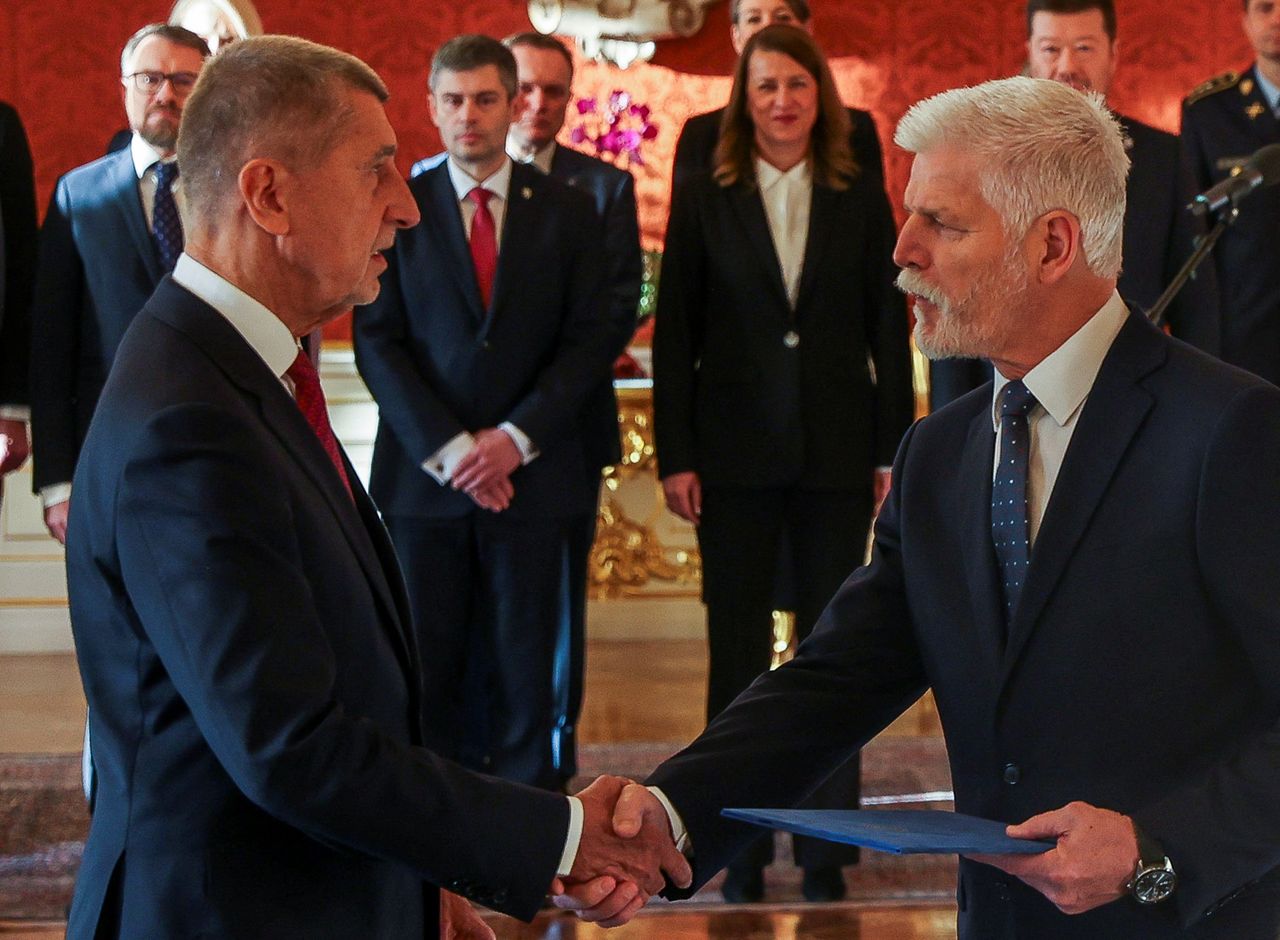
As of 2026, Andrej Babiš’s net worth is estimated to be approximately $4.2 billion. His fortune is primarily rooted in his beneficial ownership of Agrofert, a massive conglomerate spanning the agriculture, food processing, and chemical sectors. Despite significant political shifts and the mandatory divestment of certain media and chemical assets to comply with conflict-of-interest laws, Babiš remains one of the most influential and wealthiest individuals in Central Europe.
The Foundation of a Fortune: The Agrofert Conglomerate
To understand Andrej Babiš’s net worth, one must look at the evolution of Agrofert. Founded in 1993 as a small trading company with only four employees, it has grown into a dominant force in the European economy. Agrofert operates as a holding company for over 250 subsidiaries, making it the largest employer in the Czech Republic and a major player in Germany, Slovakia, and Hungary.
The conglomerate's strength lies in its vertical integration. Agrofert controls the entire production chain—from selling seeds and fertilizers to farmers, to purchasing their harvests, processing the raw materials in its own plants, and finally selling the finished food products in retail markets. This "field to fork" model ensures that profit margins are captured at every stage of the lifecycle, insulating the group from some market volatilities that affect specialized competitors.
The Chemical Engine of Wealth
While often associated with farming, a massive portion of Babiš’s wealth is actually derived from the chemical industry. Agrofert’s chemical subsidiaries, such as SKW Piesteritz in Germany and Duslo in Slovakia, are major producers of nitrogen-based fertilizers and AdBlue. These entities are highly sensitive to natural gas prices, as gas is the primary feedstock for ammonia production.
In the period leading up to 2026, the stabilization of energy markets has allowed these chemical plants to regain high profitability. The chemical sector often provides the necessary liquidity and capital that fuels Agrofert’s expansions into other sectors. For Babiš, the performance of the German chemical market is often more impactful on his bottom line than the agricultural yields in the Czech Republic.
The Impact of "Lex Babiš" and Asset Divestment
A defining chapter in the history of Andrej Babiš’s net worth is the legal pressure regarding conflicts of interest. The Czech legislation, colloquially known as "Lex Babiš," prohibited high-ranking government officials from owning media outlets or receiving state subsidies and investment incentives.
As a result, Babiš placed his shares of Agrofert into two discretionary trust funds: AB Private Trust I and AB Private Trust II. While he is the founder and beneficiary of these trusts, legal oversight is managed by trustees. However, international organizations and transparency advocates have frequently pointed out that he retains ultimate beneficial ownership, and thus the valuation of these trust assets constitutes the bulk of his net worth.
The Sale of Mafra and Synthesia
In a significant move to satisfy tightening regulations, Babiš finalized the sale of the Mafra media group (which included major newspapers like MF Dnes and Lidové noviny) and the chemical company Synthesia to the Kaprain Group, owned by billionaire Karel Pražák.
This divestment was a strategic necessity but also a financial milestone. The sale liquidated assets that were politically "toxic" while injecting a significant amount of cash into the trust holdings. By 2026, the capital gained from these sales has been reinvested into less controversial sectors, such as logistics and renewable energy infrastructure within the Agrofert portfolio, further diversifying his wealth base and reducing exposure to Czech political scrutiny.
Real Estate and International Assets
Beyond the industrial empire of Agrofert, Andrej Babiš maintains a substantial portfolio of high-end real estate. His property holdings are not merely for personal use but represent a significant asset class in his overall wealth calculation.
- French Riviera Holdings: Babiš has been linked to a series of luxury properties in the south of France, most notably the Chateau Billaud. These assets became the subject of intense investigation following the "Pandora Papers" leak, which alleged that offshore shell companies were used to obscure the purchase of these estates.
- The Imoba Group: Within the Czech Republic, the company Imoba (part of the Agrofert structure) manages significant real estate assets, including the Čapí hnízdo (Stork's Nest) resort. While the resort has been at the center of protracted legal battles regarding EU subsidy fraud, its underlying land and infrastructure value remain part of the broader Babiš estate.
- Investments in Horeca: Babiš has also ventured into the high-end restaurant and hospitality sector, owning Michelin-starred establishments such as Paloma in Mougins, France, and its counterpart in Průhonice, Czech Republic.
Comparison of Wealth Sources (2026 Estimate)
The following table provides a breakdown of the primary sectors contributing to the valuation of the Babiš estate.
| Asset Category | Primary Entities | Estimated Valuation Contribution | Key Drivers |
|---|---|---|---|
| Chemicals | SKW Piesteritz, Duslo, Deza | 45% | Natural gas prices, fertilizer demand, AdBlue market share. |
| Agriculture | Agrotec, various Czech/Slovak farms | 25% | EU Common Agricultural Policy (CAP) subsidies, commodity prices. |
| Food Processing | Penam, Kostelecké uzeniny, Olma | 15% | Consumer retail trends, energy costs for processing. |
| Real Estate & Cash | Imoba, French Estates, Divestment proceeds | 10% | Luxury property market, interest rates on liquid holdings. |
| Logistics/Other | Internal Agrofert logistics, Renewables | 5% | Supply chain efficiency, green energy transition. |
Political Activity and Financial Implications
Andrej Babiš’s role as the leader of the ANO party creates a unique dynamic between his political standing and his net worth. As a former Prime Minister and a dominant figure in the Czech opposition (and potentially back in government by 2026), his influence over national economic policy is substantial.
EU Subsidies and Legal Risks
A significant portion of Agrofert's annual revenue is tied to EU subsidies. The company has historically been one of the largest recipients of agricultural funds in Central Europe. However, the ongoing audits by the European Commission regarding conflict of interest have occasionally frozen these payments.
For an investor or analyst looking at Babiš's net worth in 2026, the legal stability of these subsidies is a critical risk factor. Any permanent disqualification of Agrofert from EU funding would lead to a direct devaluation of its agricultural and food processing subsidiaries by an estimated 10-15%.
The Cost of Political Life
Maintaining a political movement like ANO is expensive. While party financing in the Czech Republic is partially covered by state contributions based on election results, Babiš has historically provided significant loans and backing to his political endeavors. However, these are often viewed as "investments in influence" rather than direct losses, as a favorable political climate directly benefits the regulatory environment for his core businesses.
How Babiš Compares to Other Czech Billionaires
In the hierarchy of Czech wealth, Babiš consistently ranks near the top, though the landscape has shifted by 2026. For years, he was the second wealthiest person behind Petr Kellner. Following Kellner's passing, the wealth of the Kellnerová family (PPF Group) remains at the top.
Babiš also faces stiff competition from Daniel Křetínský (EPH), whose aggressive expansion into European energy and retail (including Royal Mail and Thyssenkrupp) has seen his net worth surge. Unlike Křetínský, who focuses on infrastructure and international retail, Babiš's wealth is more localized to the Central European "real economy" (production and processing), making him more susceptible to local regulatory changes but more resilient to global financial market shocks.
Common Misconceptions About His Wealth
There are several misunderstandings regarding how Babiš’s wealth is calculated and managed:
- "He owns Agrofert directly": Legally, he does not. He is the founder and beneficiary of trust funds. This distinction is vital for legal compliance, even if the economic reality for his net worth remains the same.
- "His wealth is all cash": Like most billionaires, the vast majority of his $4.2 billion net worth is tied up in equity and physical assets (factories, land, machinery). His liquid "cash on hand" is likely a small fraction of the total valuation, though the sale of Mafra significantly increased his liquidity.
- "Subsidies are his only profit": While subsidies are a major part of the agricultural arm, the chemical division (which receives fewer subsidies) is often the actual profit engine of the group.
Frequently Asked Questions
What is the primary source of Andrej Babiš's wealth?
The primary source is the Agrofert Group, specifically its chemical production facilities in Germany and Slovakia, and its vertically integrated agricultural and food processing operations in the Czech Republic.
Did Andrej Babiš lose money when he sold his media outlets?
While he lost the influence associated with owning major newspapers, the sale to Kaprain Group was a market-rate transaction. He converted a physical/corporate asset into a liquid cash asset, meaning his total net worth did not necessarily decrease; it simply changed form.
How does the 2026 Czech political landscape affect his net worth?
If Babiš's party, ANO, is in a strong position or part of the governing coalition, it generally reduces the "political risk" premium applied to his businesses. Conversely, aggressive anti-corruption legislation or targeted EU audits can lead to fluctuations in the valuation of his trust-held assets.
Is Andrej Babiš the richest person in the Czech Republic?
As of 2026, he is typically ranked in the top three, usually trailing Renáta Kellnerová and occasionally Daniel Křetínský, depending on the current valuation of energy assets versus agricultural commodities.
What happened to the French money laundering investigation?
Investigations regarding the purchase of properties in France (Chateau Billaud) have continued to move through the French judicial system. While these pose a legal risk and could lead to asset freezes or fines, they have not, as of 2026, resulted in a catastrophic loss of his total net assets.
Final Perspective and Next Actions
Andrej Babiš’s net worth in 2026 reflects a transition from a politically vulnerable industrialist to a more legally insulated "beneficiary" of a diversified global trust. While his wealth is still heavily tied to the Czech Republic, his significant holdings in the German chemical industry and his recent divestments from the media sector have created a more stable financial profile than he possessed a decade ago.
For those tracking his financial trajectory, the key indicators to watch are natural gas prices in Europe (affecting chemical margins) and EU agricultural policy changes. Investors and analysts should also monitor the Czech Republic's "Register of Beneficial Owners" for any shifts in the trust structures that manage his multi-billion dollar empire.