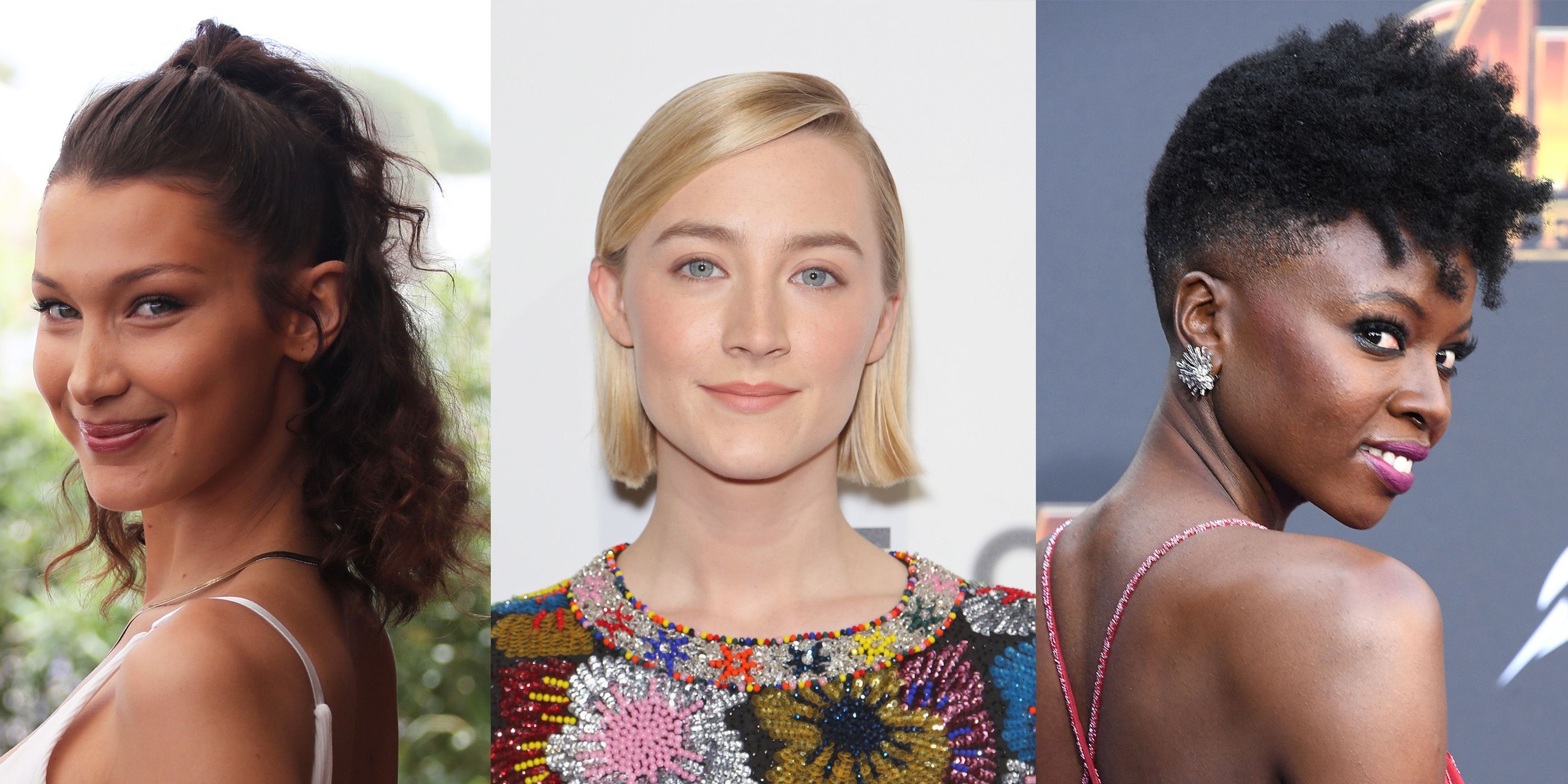
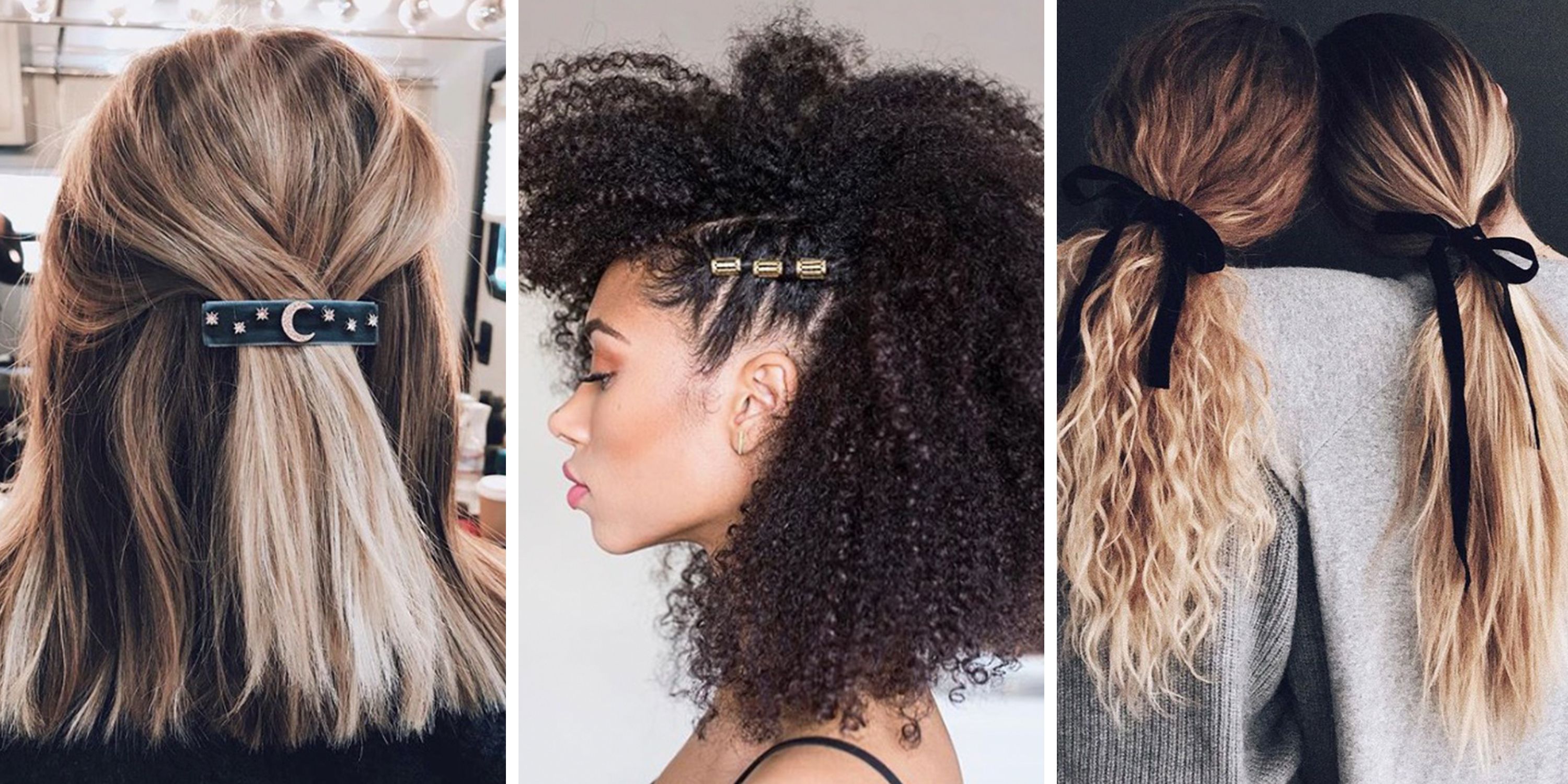
The 2018 hair trends short styles overview highlights a defining era for cropped hair, characterized by a transition from ultra-sleek precision cuts to lived-in textures, bold geometric shapes, and modernized vintage silhouettes like the French bob and textured pixie.
Evolution of Short Hair in 2018
The landscape of short hair underwent a significant shift in 2018. Moving away from the heavy undercuts and rigid styling products that dominated the mid-2010s, stylists and trendsetters embraced a more organic approach. The focus shifted toward highlighting individual hair textures—whether fine, thick, straight, or curly—through specialized cutting techniques such as point cutting, razor clipping, and interior layering.
Stylists prioritized versatility, ensuring that a short cut could transition smoothly from a polished daytime professional look to an effortless, tousled evening style with minimal effort. This era also marked a broader cultural acceptance of low-maintenance grooming, where natural air-drying and lightweight sea salt sprays or styling creams replaced heavy gels and excessive thermal styling. Consequently, individuals felt more confident experimenting with dramatic chops, knowing that modern short styles offered numerous ways to personalize their look through bangs, fades, and color placement.
Defining Short Hair Silhouettes of the Year
Several specific cuts dominated salon chairs and editorial spreads throughout 2018. Understanding these silhouettes helps clarify how hair technicians achieved specific aesthetic goals for their clients.
The Textured Pixie
The classic pixie cut received a modern update in 2018 by incorporating choppy layers and feathered ends rather than a uniform, flat trim. This style worked particularly well for individuals wanting to frame facial features while maintaining volume at the crown. Stylists often left the sideburns slightly longer and texturized the fringe to sit softly across the forehead, preventing the cut from looking too severe.
The French Bob
Drawing inspiration from timeless Parisian style, the French bob made a major comeback. Characterized by a length that hovered right around the jawline or lips—often paired with a blunt or micro-fringe—this cut celebrated natural wave and movement. Unlike the pristine bobs of previous decades, the 2018 iteration embraced a slightly undone, bedhead texture that favored air-drying over meticulous round-brush blowouts.
The Blunt Micro-Bob
For those leaning toward geometric precision, the blunt micro-bob offered a sharp, uncompromising silhouette. Cut sharply at a single length just below the ears, this style relied heavily on pristine line work and glossy, light-reflective finishes. It required regular maintenance trims every four to six weeks to keep the bottom line crisp and even.
The Modern Shag (Short Variation)
Adapting the traditional 1970s shag for shorter lengths, this cut utilized heavy crown layering and shattered ends to create maximum volume and movement. It became a favorite for those with natural curls or waves, as the structure naturally encouraged spring and reduced heavy bulk at the ends.
| Style Name | Ideal Hair Texture | Primary Maintenance Requirement | Best Face Shape |
|---|---|---|---|
| Textured Pixie | Fine to Medium (Straight/Wavy) | Trims every 4–5 weeks; light texture paste | Oval, Heart, Square |
| French Bob | Wavy to Curly | Minimal heat styling; sea salt spray | Oval, Round |
| Blunt Micro-Bob | Straight or Smoothed | Regular blunt cuts every 4 weeks; smoothing serum | Oval, Long |
| Short Shag | Wavy, Curly, or Texturized | Diffuser drying; curl-defining cream | Round, Heart |
Cutting Techniques and Texturizing Methods
Achieving the relaxed yet structured look of 2018 short styles required specific technical proficiency from stylists. The reliance on heavy thinning shears diminished, replaced by precision techniques designed to remove weight while preserving structural integrity.
Razor cutting emerged as a primary method for soft bobs and shags. By using a straight razor, stylists could taper the ends of the hair naturally, creating a feathery finish that fell into place without blunt shelf-like lines. Point cutting—where the shears are held vertically and snipped into the ends of the hair—was extensively used on pixie cuts and short bobs to diffuse harsh edges and encourage natural movement.
Furthermore, interior weight removal became essential for clients with thick hair. Rather than simply thinning the surface, stylists carved out sections from underneath, allowing the top layers to cascade smoothly without flaring outward. This attention to internal structure ensured that short cuts maintained a balanced silhouette as they grew out, extending the viable window between salon appointments.
Coloring Trends Paired with Short Cuts
Short hair in 2018 served as a canvas for experimental hair color techniques. Because short styles are frequently trimmed, individuals could experiment with high-impact color treatments without worrying about long-term damage to the ends.
- Root Shadowing and Smudging: To add depth to crops and bobs, colorists frequently utilized darker roots that melted into lighter mid-lengths and ends. This technique added dimension to flat cuts and reduced the harshness of regrowth lines.
- Platinum and Ice Blonde: Ultra-light blonde tones remained immensely popular, particularly when paired with sharp, blunt bobs or tight pixie cuts, offering a striking, high-fashion contrast.
- Warm Copper and Rose Gold: Soft metallic and warm ginger hues gained traction, complementing the organic, lived-in feel of textured shags and French bobs.
- Vibrant Fashion Colors: Pastel pinks, lavenders, and muted blues were frequently applied to short crops, allowing for bold self-expression with manageable upkeep due to the frequent cutting of processed ends.
Maintenance, Products, and Daily Styling
Maintaining a short hairstyle in 2018 required a shift in product selection. Heavy pomades and stiff hairsprays were largely set aside in favor of products that offered pliable hold and tactile finish.
- Consultation & Cut
- Fine Hair: Lightweight Volumizing Mousse + Air-Dry
- Thick/Wavy Hair: Smoothing Cream + Diffuser
- Maintenance: Trims every 4-6 weeks + Scalp Care
Essential Styling Aids
- Sea Salt Sprays: Used extensively on bobs and shags to create piecey, beach-inspired texture with a matte finish.
- Texture Clays and Pastes: Applied in small amounts to pixie cuts to piece out ends, create spikes, or sweep bangs across the forehead with flexible control.
- Dry Shampoos: Served dual purposes—absorbing excess oil and providing instant root lift and grit for fine, short hair types.
Salon Maintenance Intervals
Short hair demands regular upkeep to preserve its intended shape. While long hair can often go months between trims, short styles generally require attention every four to six weeks. Pixie cuts and fades often necessitate a cleanup around the ears and neckline every three to four weeks, while bobs can stretch slightly longer depending on whether the wearer prefers a sharp line or a soft, grown-out perimeter.
Frequently Asked Questions
How often do short hairstyles need to be trimmed?
Most short hairstyles require professional trimming every four to six weeks. Pixie cuts and styles featuring tapered necklines or fades often need maintenance closer to every three to four weeks to keep the shape clean and deliberate.
Are short haircuts suitable for curly hair?
Yes, short haircuts can look exceptional on curly hair, provided the stylist cuts the hair dry or understands curl shrinkage. Styles like the short shag and curly French bob allow natural curl patterns to bounce and form cohesive shapes without becoming overly triangular.
What face shape works best with a French bob?
The French bob is versatile, but it is particularly flattering on oval, heart, and square face shapes. Because it hits near the jawline, individuals with round faces often opt for a slightly longer chin-length variation or incorporate side-swept bangs to elongate the facial structure.
How can I style a pixie cut without making it look flat?
To prevent a pixie cut from lying flat, apply a lightweight volumizing mousse to damp hair at the roots before blow-drying. Finish with a small amount of matte texture paste or clay, working it through the ends with your fingers to create separation and lift.
Did 2018 short hair trends favor air-drying or heat styling?
The prevailing aesthetic of 2018 leaned heavily toward natural air-drying and embracing natural textures. Stylists and clients favored lightweight styling creams and salt sprays that enhanced natural waves and bends rather than relying on flat irons or extensive curling wand work.
Conclusion and Next Actions
The 2018 hair trends short styles overview demonstrates that successful short hair relies on a combination of precision cutting techniques, tailored texture, and personalized color. If you are considering transitioning to a short style, begin by consulting with an experienced stylist who can analyze your hair density, natural growth patterns, and face shape. Bring visual references of cuts that match your daily styling commitment level, and establish a regular maintenance schedule to keep your chosen silhouette looking sharp and intentional.