The recommended tire pressure for a 2016 Acura MDX is 35 psi (pounds per square inch) for both the front and rear tires when using the standard factory sizes (245/60R18 or 245/55R19). The temporary spare tire requires a significantly higher pressure of 60 psi to function safely.
Maintaining the correct tire pressure in your luxury SUV is more than just a routine chore; it is a fundamental aspect of vehicle safety, fuel efficiency, and handling performance. As the 2016 Acura MDX enters its tenth year of service in 2026, many owners are finding that aging components, such as the Tire Pressure Monitoring System (TPMS) sensors and wheel seals, require more frequent attention. This guide provides a deep dive into the technical specifications and maintenance requirements for your MDX’s tires.
Understanding the Recommended PSI for the 2016 Acura MDX
The 2016 Acura MDX was engineered to provide a balance between a "cushioned" luxury ride and the responsive handling expected of a precision-crafted performance vehicle. Acura’s engineers determined that 35 psi is the optimal "cold" inflation pressure for this specific chassis and weight distribution.
Why "Cold" Pressure Matters
When manufacturers specify a tire pressure, they are referring to the "cold" pressure. This is the measurement taken before the vehicle has been driven more than a mile or after it has been parked for at least three hours. As you drive, friction between the tire and the road, along with the internal flexing of the tire sidewalls, generates heat. This heat causes the air inside the tire to expand, naturally increasing the psi reading by 3 to 5 units.
If you adjust your tires to 35 psi immediately after a long highway drive, they will actually be under-inflated once they cool down. Under-inflation is a primary cause of tire failure because it allows the sidewalls to flex excessively, leading to internal heat buildup that can degrade the rubber compounds and lead to a blowout.
Variations by Wheel Size and Trim
The 2016 MDX was offered with different wheel diameters depending on the trim level (Base, Technology, Entertainment, and Advance packages).
- Standard 18-inch wheels: Typically equipped with 245/60R18 tires.
- Optional 19-inch wheels: Typically equipped with 245/55R19 tires.
Despite the different sidewall heights between the 18-inch and 19-inch options, the recommended pressure remains 35 psi for both. The larger air volume in the 18-inch tire and the reinforced structure of the 19-inch tire are both calibrated to perform optimally at this specific pressure level.
The Role of the Tire Pressure Monitoring System (TPMS)
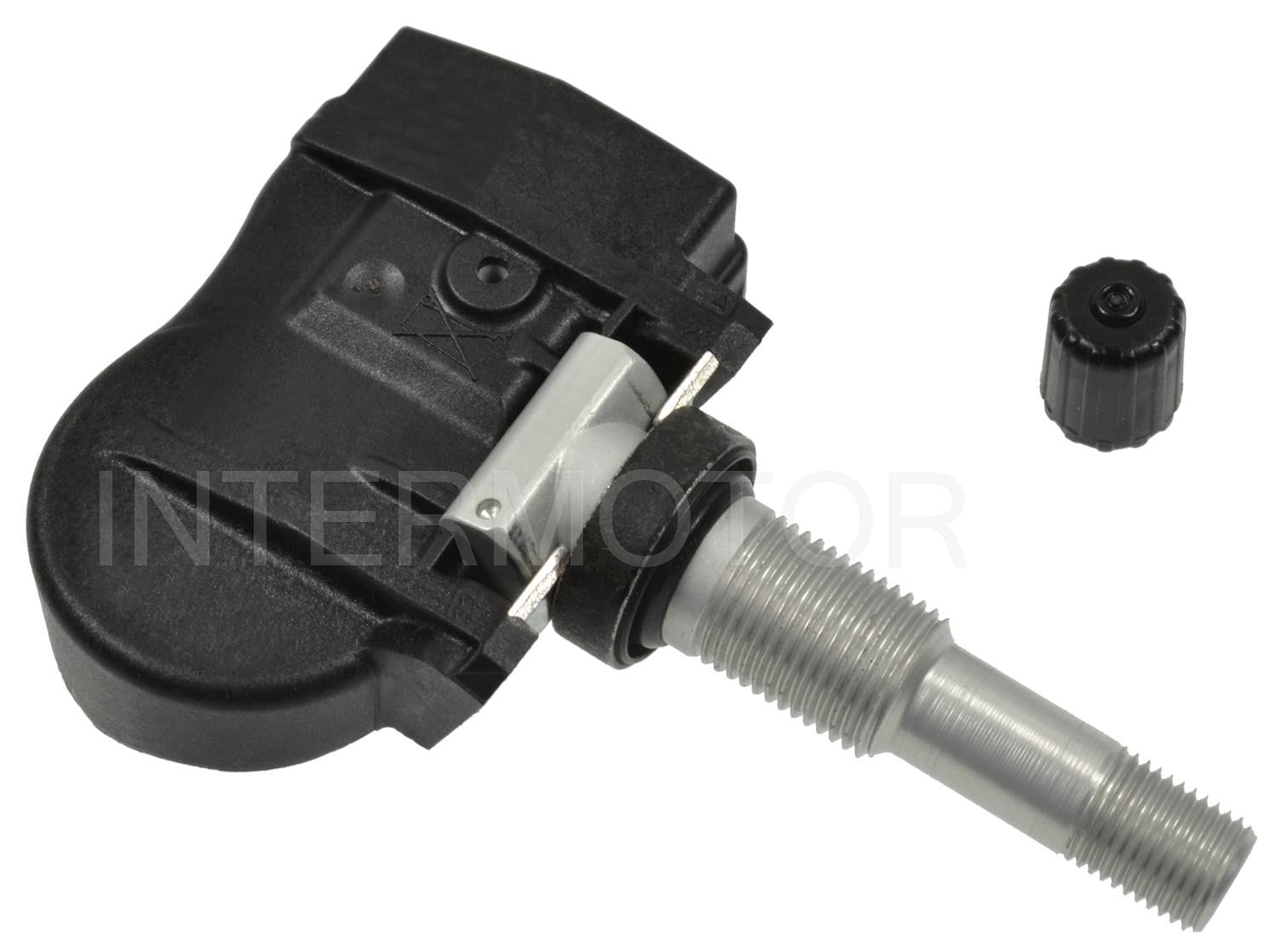
The 2016 Acura MDX is equipped with a sophisticated "Direct TPMS." Unlike "Indirect" systems that use wheel speed sensors to guess if a tire is low, the Direct TPMS uses battery-powered sensors mounted inside each wheel, attached to the valve stem. These sensors transmit real-time pressure data to the vehicle’s Multi-Information Display (MID).
Real-Time Monitoring in the MDX
One of the standout features of the third-generation MDX is the ability to view individual tire pressures on the dashboard. By toggling through the MID using the steering wheel controls, the driver can see a graphic of the vehicle with four distinct psi readings. This allows you to identify exactly which tire is losing air without having to manually check all four with a gauge.
TPMS Sensor Longevity in 2026
As of 2026, the original TPMS sensors in a 2016 MDX are likely reaching the end of their operational life. These sensors rely on internal lithium-ion batteries that are not replaceable. Typically, these batteries last 7 to 10 years. If you see a "Check TPMS System" warning (often accompanied by a dashed line instead of a pressure reading for one or more tires), it is highly probable that a sensor battery has died. When replacing tires on a vehicle of this age, it is a proactive and cost-effective measure to replace all four TPMS sensors simultaneously.
Step-by-Step: How to Check and Adjust Tire Pressure
While the digital readout in the MDX is convenient, it is still recommended to verify your tire pressure with a high-quality manual or digital gauge once a month. Gauges at gas stations are often beat-up and inaccurate.
- Park on a Level Surface: Ensure the vehicle is stable and the tires are cold.
- Locate the Tire Information Placard: Open the driver’s side door. On the B-pillar (the frame the door latches to), you will find a "Tire and Loading Information" sticker. This confirms the 35 psi requirement for your specific VIN.
- Remove the Valve Cap: Unscrew the cap from the valve stem. Keep it in a pocket or a safe place; these caps are essential for keeping dirt and moisture out of the TPMS sensor mechanism.
- Measure the Pressure: Press the tire gauge firmly onto the valve stem. You should hear a brief hiss of air before the gauge provides a reading.
- Adjust Accordingly:
- To Add Air: Use a compressor to add air in short bursts, checking the pressure between each burst.
- To Release Air: Use the small nipple on the back of the tire gauge or a small screwdriver to depress the center pin (Schrader valve) inside the valve stem.
- Replace the Cap: Hand-tighten the valve cap to protect the internal sensor.
Seasonal Impacts on 2016 MDX Tires
Physics dictates that for every 10-degree Fahrenheit drop in ambient temperature, your tire pressure will drop by approximately 1 psi. This is why many MDX owners see the "Low Tire Pressure" warning light on the first cold morning of autumn or winter.
In regions with extreme temperature swings, you may need to add air in the winter and release air in the summer. Neglecting this can lead to a significant decrease in fuel economy. When tires are under-inflated by just 5 psi, rolling resistance increases, which can reduce your MDX’s fuel efficiency by 1% to 2%. Over the course of a year, this results in higher fuel costs and unnecessary carbon emissions.
2016 Acura MDX Tire Specification Table
| Specification | Standard 18" Wheel | Premium 19" Wheel | Spare Tire |
|---|---|---|---|
| Tire Size | 245/60R18 | 245/55R19 | T165/80D17 |
| Recommended PSI (Cold) | 35 PSI | 35 PSI | 60 PSI |
| Max Load (approx.) | 1,984 lbs per tire | 1,929 lbs per tire | N/A |
| TPMS Type | Direct (Sensor-based) | Direct (Sensor-based) | None |
| Wheel Torque | 80 lb-ft | 80 lb-ft | 80 lb-ft |
Troubleshooting Common Tire Pressure Issues
The TPMS Light Stays On After Filling Tires
The 2016 Acura MDX TPMS does not always reset instantly. After inflating your tires to the correct 35 psi, you generally need to drive the vehicle for at least 10 minutes at speeds above 15 mph. This allows the sensors to "wake up" and transmit the new data to the ECU (Electronic Control Unit). If the light stays on after a 15-minute drive, you may have a faulty sensor or a puncture that is causing the air to leak as fast as you put it in.
Uneven Tire Wear
If you notice the tires are wearing faster in the center of the tread than on the edges, they are likely over-inflated. The high pressure causes the tire to "balloon," putting the majority of the vehicle's weight on the center strip. Conversely, if the edges (shoulders) are wearing out while the center looks new, the tires are under-inflated. Proper maintenance at 35 psi ensures an even contact patch with the road, maximizing the life of your expensive 19-inch tires.
Nitrogen vs. Compressed Air
Some dealerships and tire shops offer nitrogen inflation. Nitrogen molecules are larger than oxygen molecules, meaning they permeate through the tire rubber more slowly, leading to more stable tire pressure over time. Additionally, nitrogen is dry, whereas compressed air contains moisture that can corrode the TPMS sensors from the inside. While not strictly necessary for the MDX, nitrogen is a valid option for drivers who want to minimize the frequency of pressure adjustments.
Safety and Performance Consequences
The Acura MDX is a heavy vehicle, with a curb weight ranging from approximately 4,000 to 4,300 pounds. The tires are the only point of contact between this mass and the road.
- Braking Distance: Under-inflated tires have a larger, floppier contact patch that can actually increase braking distances in emergency situations, as the tire structure deforms under the load.
- Hydroplaning Risk: Properly inflated tires are designed to channel water away through the tread grooves. If the pressure is too low, the tread can collapse inward, reducing the tire's ability to clear water and increasing the risk of hydroplaning on wet 2026 highways.
- Handling and Cornering: The MDX features an available Super Handling All-Wheel Drive (SH-AWD) system. This system relies on precise traction levels to torque-vector power to specific wheels. If tire pressures are significantly uneven (e.g., 28 psi on one side and 35 psi on the other), it can interfere with the AWD system's ability to optimize cornering performance.
FAQ: 2016 Acura MDX Tire Maintenance
Does the 2016 Acura MDX have a TPMS reset button?
No, the 2016 MDX does not have a physical TPMS reset button. The system is designed to be self-calibrating. Once the tires are inflated to the correct pressure (35 psi), the system will automatically update the dashboard display after a short period of driving at speeds over 15 mph.
What should I do if my tire pressure is 35 psi but the light is still on?
First, verify the pressure with a manual gauge to ensure the dashboard reading is accurate. If the pressure is correct, check the spare tire. While the spare in the 2016 MDX is not usually monitored by the TPMS, some aftermarket sensors or system glitches can cause confusion. Most likely, a "Check TPMS" light with correct pressures indicates a failing sensor battery or a malfunction in the TPMS receiver.
Can I change my own tires on a 2016 MDX with TPMS?
Yes, you can change a flat tire or rotate your tires yourself. The MDX system is intelligent enough to recognize the new positions of the sensors after a rotation. However, if you are mounting new tires onto the rims, a professional tire shop must handle the TPMS sensors to avoid breaking the delicate valve-mounted units.
Why is the spare tire pressure so high at 60 psi?
The "donut" or temporary spare tire is much smaller than the standard tires. To support the weight of a 4,000-lb SUV with such a small volume of air, the tire must be inflated to a much higher pressure to maintain its structural integrity. Driving on an under-inflated spare tire is extremely dangerous and can lead to immediate tire failure.
Is 40 psi too high for a 2016 Acura MDX?
While 40 psi is likely below the "Max Press" listed on the tire sidewall, it is higher than Acura's recommended 35 psi. Running at 40 psi will result in a much harsher ride, as the tires will not absorb road imperfections as well. It may also lead to premature wear in the center of the tread and reduced traction during heavy braking.
How often should I replace the TPMS sensors?
TPMS sensors should generally be replaced every time you buy a new set of tires if the vehicle is more than 7 years old. For a 2016 MDX being serviced in 2026, the sensors are almost certainly near the end of their battery life. Replacing them during a tire change saves you the labor cost of having to dismount the tires later just to swap a dead sensor.
Final Recommendation for 2016 Acura MDX Owners
For the best experience in your 2016 Acura MDX, adhere strictly to the 35 psi cold tire pressure recommendation. Check your pressures monthly and before any long road trips. Given the age of the vehicle in 2026, pay close attention to the TPMS warnings; if you encounter persistent errors despite correct inflation, have a technician check the sensor batteries. Investing in a set of high-quality tires and keeping them properly inflated is the single most effective way to preserve the luxury ride quality and safety standards of your MDX.