Securing 20/20 vision in Tempe involves understanding your current ocular health, exploring personalized correction methods ranging from advanced laser surgery to specialized contact lenses, and partnering with local qualified optometrists and ophthalmologists. Whether you are navigating daily digital eye strain under the Arizona sun or evaluating elective procedures like LASIK, achieving optimal visual acuity requires a strategic approach tailored to your lifestyle and physiological needs.
Understanding 20/20 Vision: What It Means and What It Does Not
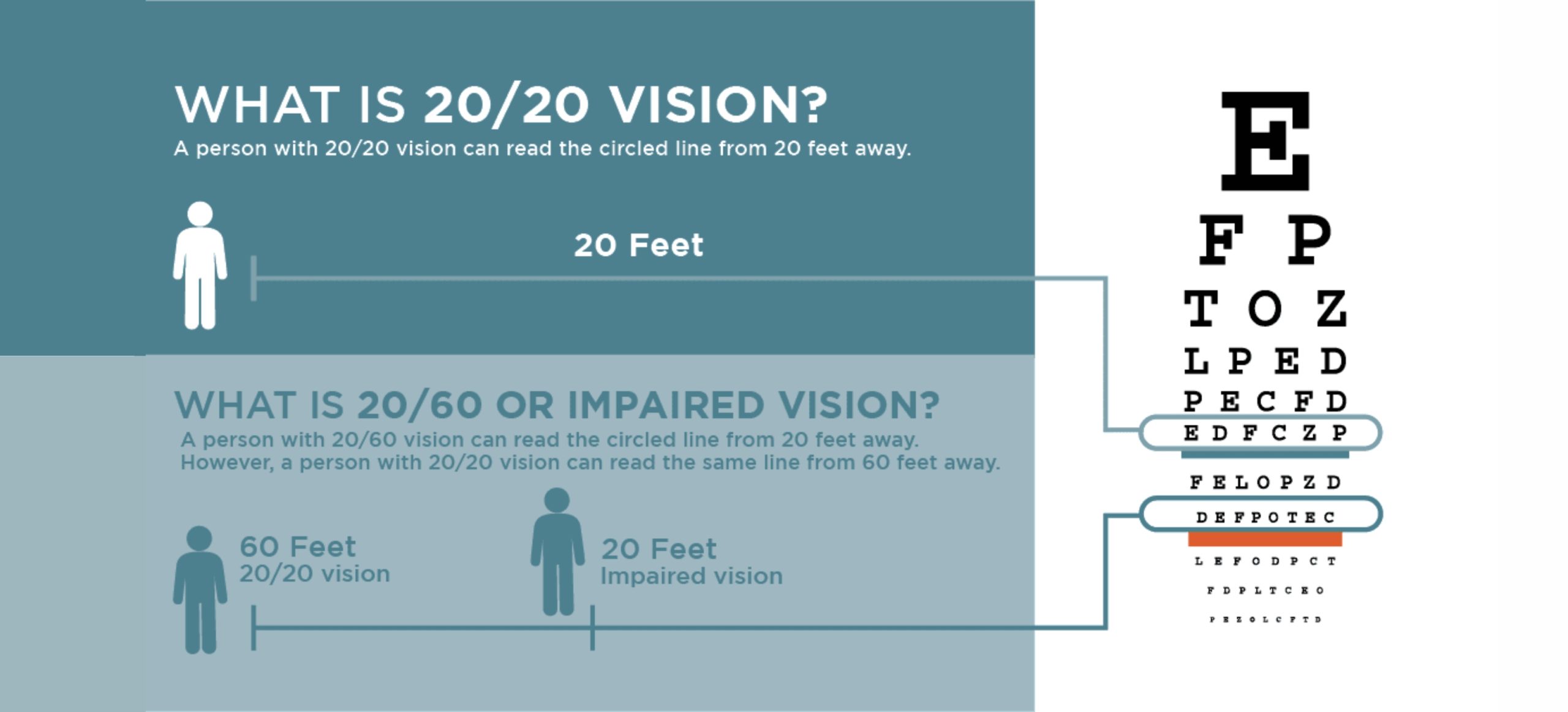
The term "20/20 vision" is one of the most widely recognized phrases in eye care, yet it is frequently misunderstood. Scientifically, it is a measure of visual acuity—specifically, the spatial resolution of the visual processing system.
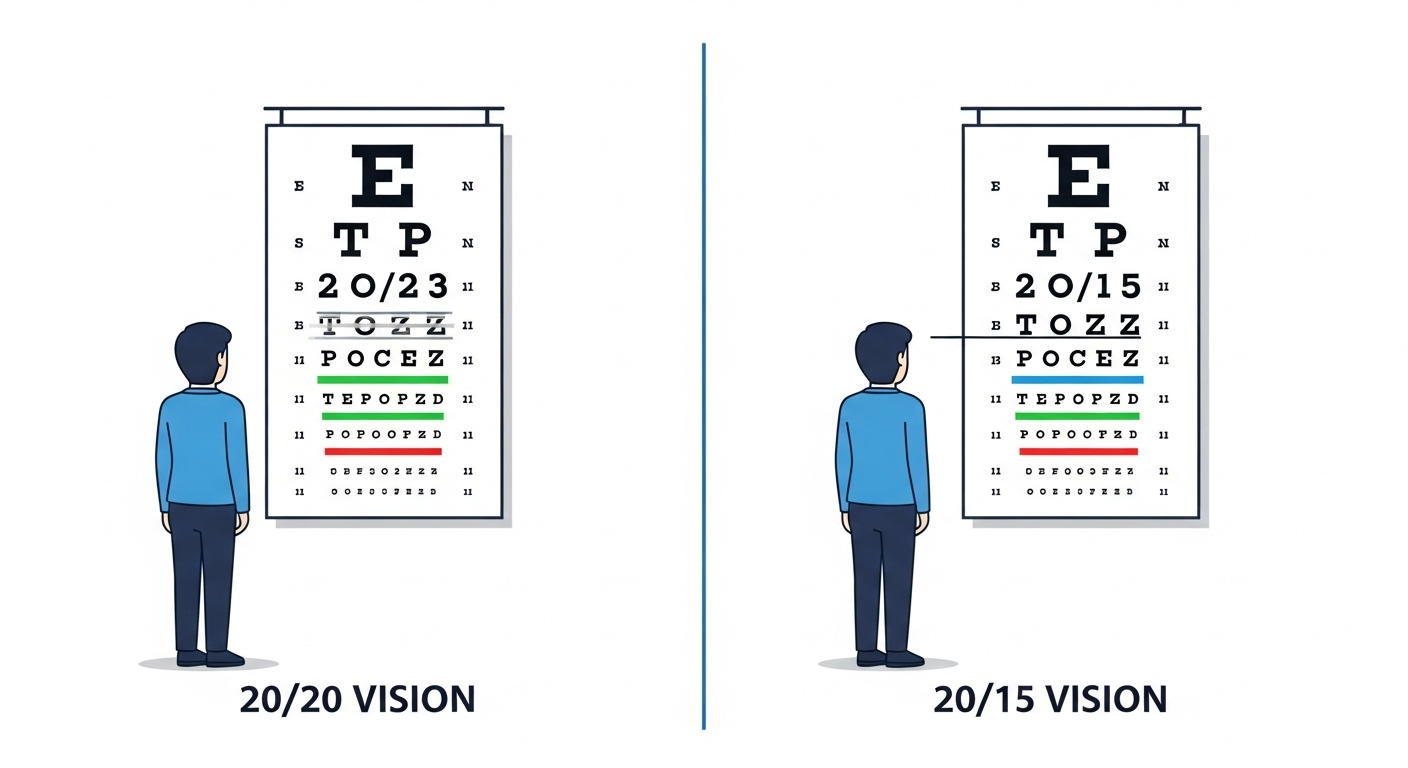
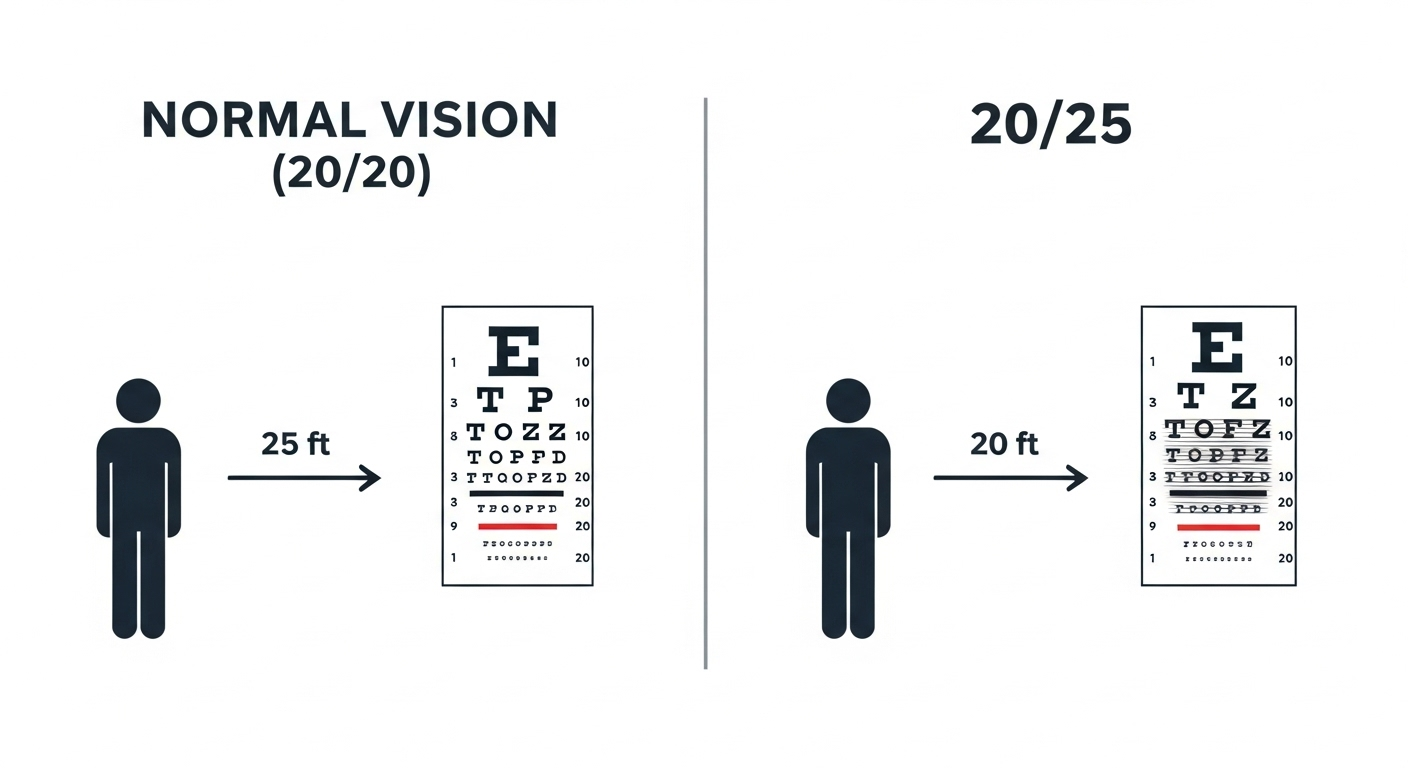
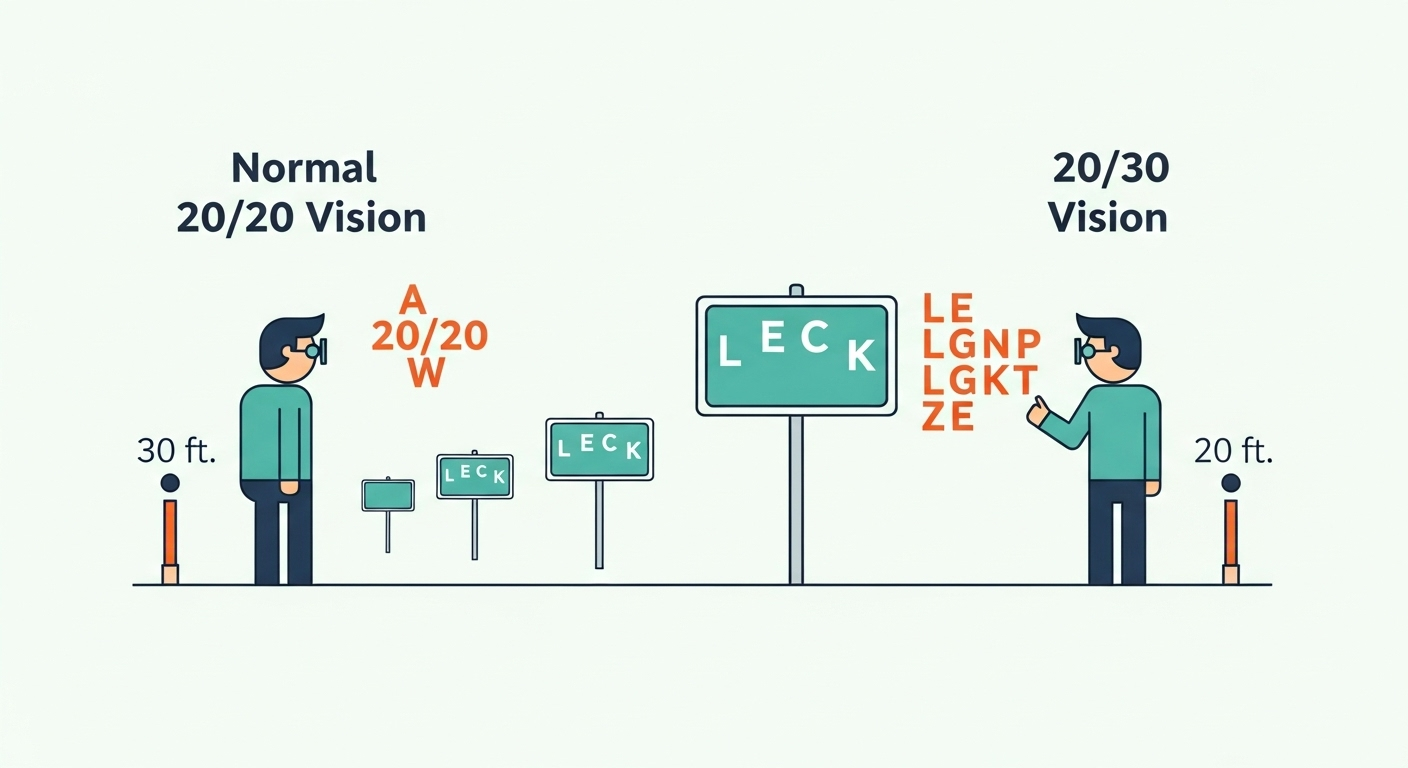
When an optometrist tells you that you have 20/20 vision, it means that you can clearly see an object from 20 feet away that a person with standard, healthy vision should be able to see clearly from that same distance. However, achieving or possessing 20/20 visual acuity is not a guarantee of perfect overall eye health.
| Metric / Attribute | What It Measures |
|---|---|
| 20/20 Visual Acuity | Sharpness and clarity of distant objects |
| Peripheral Vision | Ability to detect motion and objects to the sides |
| Contrast Sensitivity | Ability to distinguish an object from its background |
| Color Vision | Ability to differentiate between various colors |
| Eye Coordination & Focus Flexibility | Eye teaming, tracking, and accommodation |
A person can have 20/20 acuity while still suffering from serious ocular conditions such as early-stage glaucoma, macular degeneration, diabetic retinopathy, or severe dry eye syndrome. Conversely, an individual might have 20/40 vision correctable to 20/20 with lenses, yet possess remarkably healthy ocular tissues. Therefore, pursuing 20/20 vision in Tempe must involve comprehensive eye examinations that go well beyond reading a standard Snellen chart on a wall.
Environmental Factors Affecting Vision in Tempe, Arizona
Living, working, or studying in the desert environment of Tempe presents unique challenges to ocular health and visual comfort. The regional climate directly influences tear film stability, surface hydration, and overall eye strain.
Arid Climate and Chronic Dry Eye
Tempe’s low relative humidity and high temperatures accelerate the evaporation of the tear film that protects the surface of the cornea. Evaporative dry eye is a primary complaint among residents. When the tear film breaks down too quickly, it causes microscopic dry spots on the cornea, leading to blurred vision, stinging, burning, and a gritty sensation. Chronic dryness can fluctuate your visual acuity throughout the day, making stable 20/20 vision difficult to maintain without intervention.
Intense Ultraviolet (UV) Radiation
Arizona’s abundant sunshine exposes residents to high levels of ultraviolet A (UVA) and ultraviolet B (UVB) rays. Cumulative, unprotected exposure to UV radiation is a major contributing factor to the development of cataracts—clouding of the eye's natural lens—as well as pingueculae and pterygia (growths on the conjunctiva) and photokeratitis (sunburn of the cornea). Protecting your eyes with 100% UV-blocking sunglasses is non-negotiable for anyone looking to preserve long-term visual acuity in Tempe.
Digital Screen Demographics
As a major hub featuring Arizona State University and a thriving tech and business sector, Tempe has a high population of students and professionals who spend hours daily staring at computers, tablets, and smartphones. Prolonged digital device usage reduces blink rates by up to 50%, exacerbating dry eye symptoms and triggering accommodative eye strain, commonly known as computer vision syndrome.
Professional Eye Care Options in Tempe
Navigating the path to 20/20 vision begins with selecting the right clinical partner. Tempe hosts a wide spectrum of eye care professionals, from independent boutique optometry practices to comprehensive ophthalmology surgical centers.
Optometrists vs. Ophthalmologists: Knowing Who to See
- Optometrists (OD): Primary eye care providers who perform comprehensive eye exams, diagnose ocular diseases (such as glaucoma, macular degeneration, and dry eye), prescribe corrective lenses (glasses and contact lenses), and manage pre- and post-operative care for corrective surgeries.
- Ophthalmologists (MD or DO): Medical and surgical doctors who specialize in eye and vision care. They perform complex eye surgeries, treat advanced eye diseases, and handle trauma alongside routine medical eye care.
When scheduling an appointment in Tempe, verify whether the clinic accepts your specific vision insurance plan (such as VSP, EyeMed, or Davis Vision) or medical insurance if you are being treated for an active eye disease or injury.
Corrective Pathways to Reach 20/20 Vision
If your unaided vision falls short of the 20/20 benchmark, modern vision correction offers multiple reliable pathways to restore sharp sight.
1. Prescription Eyeglasses
Eyeglasses remain the safest, most versatile, and customizable method for achieving 20/20 vision. Advances in lens technology include:
- Anti-Reflective (AR) Coatings: Reduce glare from headlights and digital screens, improving contrast sensitivity.
- Transitions / Photochromic Lenses: Automatically darken in response to UV light, providing vital outdoor protection against the harsh Tempe sun.
- Progressive Lenses: Correct presbyopia (age-related loss of near-focusing ability) smoothly across multiple focal lengths without visible bifocal lines.
2. Contact Lenses
For active individuals, contact lenses offer a wide field of unobstructed vision. Practitioners in Tempe fit patients with:
- Daily Disposables: Highly recommended for dry climates because they minimize protein and allergen buildup, reducing dry eye irritation.
- Toric Lenses: Specially weighted to correct astigmatism, ensuring crisp vision.
- Scleral Lenses: Large-diameter gas-permeable lenses that vault over the entire corneal surface and rest on the sclera (the white of the eye), trapping a soothing pool of saline to treat severe dry eyes and irregular corneas.
3. Laser Vision Correction (LASIK, PRK, and SMILE)
For those seeking freedom from glasses and contacts, refractive surgery is a popular permanent option. Qualified candidates undergo detailed corneal mapping (topography) to determine suitability.
- LASIK (Laser-Assisted In Situ Keratomileusis): A micro-keratome or femtosecond laser creates a thin corneal flap, an excimer laser reshapes the underlying stroma, and the flap is replaced. Recovery is rapid, with many patients achieving 20/20 vision within 24 to 48 hours.
- PRK (Photorefractive Keratectomy): The outer epithelial layer of the cornea is gently removed rather than creating a flap. While healing takes slightly longer than LASIK, PRK is ideal for patients with thinner corneas or active contact sports lifestyles.
- SMILE (Small Incision Lenticule Extraction): A minimally invasive procedure where a femtosecond laser creates a tiny disc-shaped piece of tissue (lenticule) inside the cornea, which is removed through a microscopic incision.
Step-by-Step Guide: How to Get Your Eyes Examined and Corrected in Tempe
If you are ready to evaluate your vision and pursue 20/20 clarity, follow this structured roadmap:
- Verify Your Insurance Coverage: Check whether your employer-sponsored plan covers routine annual exams, material allowances, or discounts on refractive surgery.
- Research and Book a Comprehensive Exam: Select a licensed optometrist or ophthalmologist in Tempe. Ensure the exam includes dilation or advanced digital retinal imaging (such as OCT) to check internal eye health.
- Discuss Your Lifestyle with Your Doctor: Be transparent about your daily screen time, outdoor activities in the Arizona sun, and hobbies so your provider can recommend tailored lens coatings, dry eye treatments, or surgical options.
- Review Treatment Proposals: Compare the pros, cons, and ongoing maintenance costs of glasses, contact lenses, or refractive surgery based on your clinical measurements.
- Establish an Ongoing Maintenance Schedule: Commit to annual eye exams to monitor prescription changes and catch degenerative eye conditions early.
Frequently Asked Questions About Vision Correction in Tempe
Can anyone achieve 20/20 vision with LASIK?
Not everyone is an ideal candidate for LASIK. Factors such as corneal thickness, pupil size, severe dry eye syndrome, stable prescription history, and underlying systemic health conditions (like autoimmune disorders) play a significant role. A comprehensive pre-operative evaluation by a qualified refractive surgeon in Tempe will determine your exact eligibility.
How does the desert climate of Tempe affect my contact lenses?
Low humidity and high heat cause moisture in contact lenses to evaporate rapidly, leading to dryness, irritation, and lens displacement. To combat this, many Tempe eye doctors recommend switching to daily disposable lenses with high water content or moisture-releasing properties, along with preservative-free lubricating drops compatible with contacts.
How often should adults get a comprehensive eye exam?
For healthy adults aged 18 to 64, a comprehensive eye exam is recommended every one to two years. Adults aged 65 and older, or individuals with pre-existing conditions like diabetes, hypertension, or a family history of glaucoma, should undergo dilated eye examinations annually.
Are digital eye strain symptoms permanent?
No, digital eye strain (computer vision syndrome) is generally temporary and reversible. Implementing the 20-20-20 rule—every 20 minutes, look at an object at least 20 feet away for at least 20 seconds—along with using artificial tears and adjusting workstation ergonomics can significantly alleviate symptoms.
Conclusion and Next Actions
Achieving and maintaining 20/20 vision in Tempe requires an active commitment to comprehensive eye health, proper defense against regional environmental hazards like intense UV rays and dry air, and professional guidance tailored to your specific visual needs. Start by scheduling a comprehensive eye examination with a licensed local optometrist to establish your baseline visual acuity, review your corrective options, and protect your long-vision health for years to come.