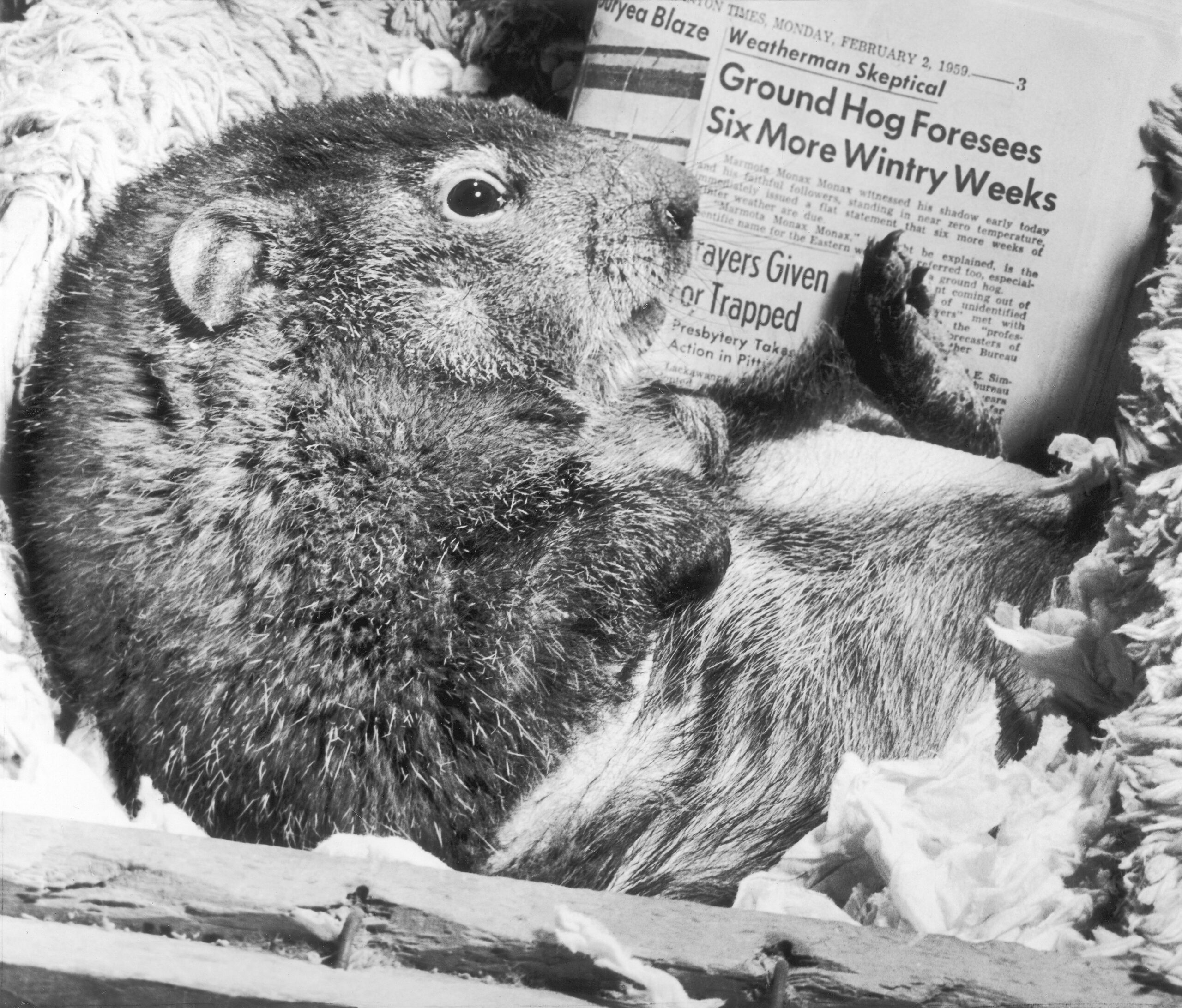
The 1942 Punxsutawney Phil celebration marked a crucial turning point for Groundhog Day, as the legendary rodent's annual forecast became a rare source of lighthearted national comfort and distraction just weeks after the United States entered World War II following the attack on Pearl Harbor.
The Origins and Evolution of Punxsutawney Phil
The tradition of Groundhog Day in Punxsutawney, Pennsylvania, traces its roots back to European folklore brought over by German settlers, specifically the Pennsylvania Dutch. These early immigrants looked to the badger or marmot as a prognosticator of weather, a practice that eventually focused specifically on the groundhog (Marmota monax) in Western Pennsylvania. The Inner Circle of the Punxsutawney Groundhog Club, established formally in the late 19th century, took charge of protecting, feeding, and interpreting the communications of the world-famous groundhog.
By the early 1940s, the event had already transitioned from a localized folkloric gathering into a recognized media spectacle. Reporters from regional newspapers, wire services, and early radio broadcasters regularly traveled to Gobbler's Knob—a small hill just outside the town of Punxsutawney—to capture the morning proceedings. However, the cultural weight carried by the 1942 event differed sharply from previous decades. The nation was no longer grappling merely with the domestic trials of the Great Depression; it was mobilizing for a global conflict that would fundamentally alter American society.
The Geopolitical Context: February 1942
To understand the unique atmosphere surrounding the 1942 Punxsutawney Phil forecast, one must examine the state of the United States in February 1942. Just under two months prior, on December 7, 1941, the Imperial Japanese Navy launched a surprise attack on the naval base at Pearl Harbor, prompting the United States to officially declare war. By February 1942, civilian life was rapidly shifting toward a total wartime economy.
Citizens across the country were beginning to face rationing of essential goods such as sugar, rubber, and gasoline. Draft boards were processing millions of young men for military service, and families were coming to terms with the grim realities of loved ones deploying overseas. Newsreels shown in movie theaters were dominated by reports of Axis advances in Europe and the Pacific. In this climate of national anxiety, everyday traditions took on new significance. Local festivals and folkloric events were utilized by communities and the press to maintain morale, project continuity, and offer citizens a fleeting moment of normalcy amid profound uncertainty.
Weather Folklore Meets Wartime Reality
On the morning of February 2, 1942, members of the Punxsutawney Groundhog Club made their ceremonial trek to Gobbler's Knob to rouse Phil from his winter slumber. According to historical weather records and contemporary newspaper accounts, the winter of 1942 brought characteristically harsh conditions to the northeastern United States, underscoring the practical agricultural concerns that originally underpinned the Groundhog Day tradition.
| Year | Historical Context | National Milestone | Phil's Reported Forecast Impact |
|---|---|---|---|
| 1940 | Recovery from the Great Depression | Franklin D. Roosevelt's third-term campaign | Localized media interest and regional reporting. |
| 1941 | Pre-war defense buildup | Lend-Enact implementation | Growing national wire-service distribution. |
| 1942 | Immediate aftermath of Pearl Harbor | Official US entry into World War II | Heightened morale booster and widespread wartime press coverage. |
| 1943 | Peak war mobilization | Nationwide civilian rationing expansion | Streamlined local ceremony due to travel and resource constraints. |
While the meteorological accuracy of Punxsutawney Phil's predictions has long been regarded as a charming novelty rather than a scientific endeavor, the 1942 forecast served an entirely different purpose. Whether Phil purportedly saw his shadow or not, the ritual itself provided an invaluable psychological anchor. Newspapers across the country printed lighthearted updates about the groundhog, offering readers a welcome break from front-page casualty reports, military maps, and casualty lists.
Media Coverage and the Modern Mythos
The coverage of the 1942 event helped cement Punxsutawney Phil as a permanent fixture of American popular culture, bridging the gap between small-town Pennsylvania folklore and national media syndication. Major metropolitan newspapers, which had previously treated the event as a quaint curiosity or filler item, dedicated column inches to Phil's pronouncements as part of an effort to bolster civilian spirit.
Radio broadcasts brought the sounds of Gobbler's Knob—the crunch of snow, the chatter of the crowd, and the solemn declarations of the Inner Circle—into living rooms nationwide. This era established a pattern that would persist through subsequent decades: whenever the nation faced severe trials, from economic recessions to international conflicts, the media leaned into domestic rituals like Groundhog Day to foster solidarity and shared cultural touchstones.
Frequently Asked Questions
Did the 1942 event differ from modern Groundhog Day celebrations?
While the core ritual of waking the groundhog at Gobbler's Knob remained fundamentally similar, the scale and logistics were much smaller in 1942. Modern celebrations draw tens of thousands of visitors and extensive global media feeds, whereas the 1942 gathering was heavily constrained by wartime travel limitations, fuel rationing, and the absence of modern broadcast technology.
How did World War II impact Punxsutawney Phil in subsequent years?
During the height of World War II from 1943 to 1945, the Groundhog Club faced various material shortages, including gasoline restrictions that limited travel to Gobbler's Knob. Despite these hurdles, local members maintained the annual tradition, ensuring that the continuity of the forecast was never broken during the conflict.
Is Punxsutawney Phil the same animal that was used in 1942?
No. Groundhogs have a typical captive lifespan of roughly ten years. The name "Punxsutawney Phil" has been passed down through generations of groundhogs cared for by the Punxsutawney Groundhog Club, a fact maintained by the organization through a fictionalized lore of a longevity-granting "elixir of life."
Where can historical records of the 1942 event be found?
Primary documentation of the 1942 celebration can be found in archival newspaper databases from that period, regional historical societies in Jefferson County, Pennsylvania, and the official records maintained by the Punxsutawney Groundhog Club.
Conclusion and Next Actions
Examining the 1942 Punxsutawney Phil event reveals how enduring cultural traditions adapt to times of national crisis, serving as psychological touchstones when communities need stability most. For researchers, historians, and enthusiasts exploring mid-century American folklore, reviewing period-specific newspapers and regional archives offers a fascinating glimpse into how ordinary citizens found comfort in ritual during extraordinary times. To explore further, consult local Pennsylvania newspaper archives from February 1942 or review the official historical documentation provided by the Punxsutawney Groundhog Club.