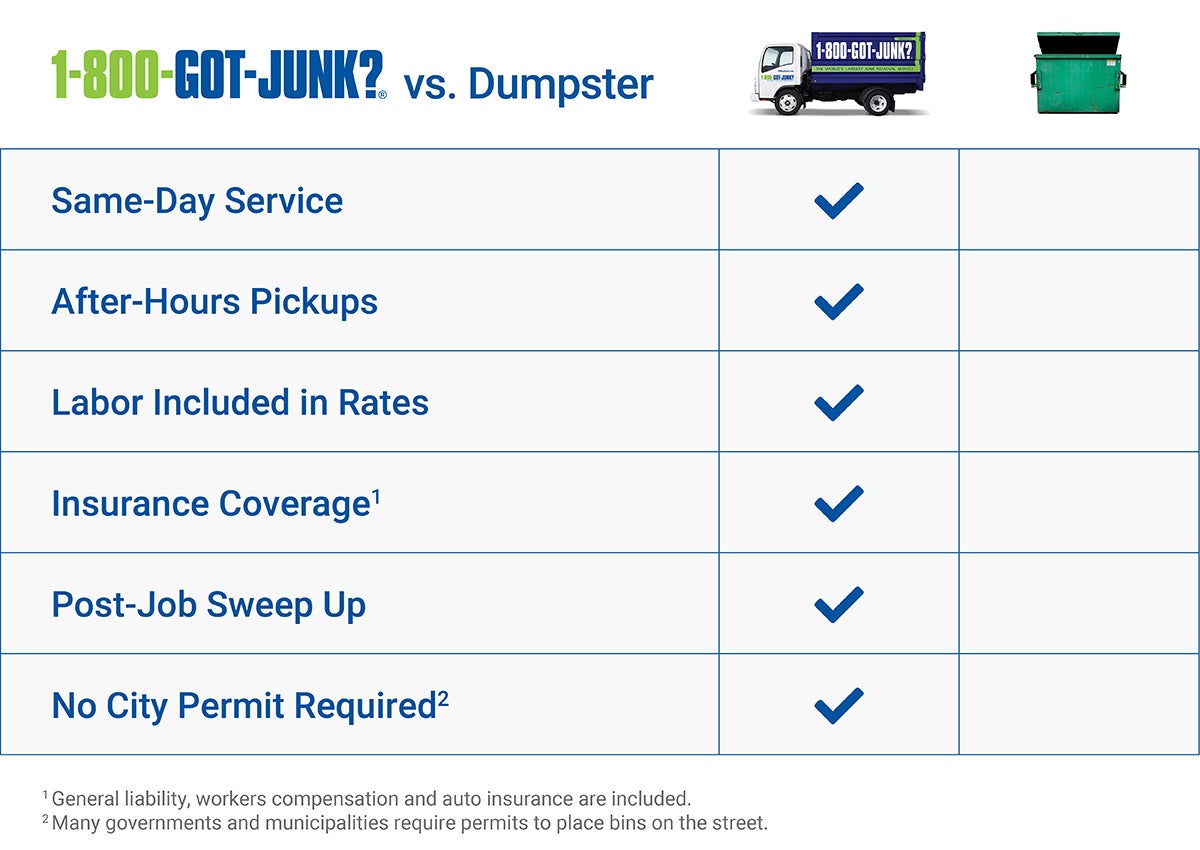
When clutter overwhelms your living space, commercial property, or construction site, full-service junk removal companies like 1-800-GOT-JUNK? offer a streamlined, hands-off solution to haul away unwanted items. Rather than renting a temporary dumpster, sorting items yourself, or making multiple trips to the local municipal landfill, hiring a professional crew allows you to point at what needs to go and let trained technicians handle the heavy lifting, loading, sweeping up, and responsible disposal. This comprehensive overview examines how the service operates, pricing models, environmental commitments, preparation steps, and critical limitations to help you decide if it fits your project needs in 2026.
Understanding the Full-Service Junk Removal Model
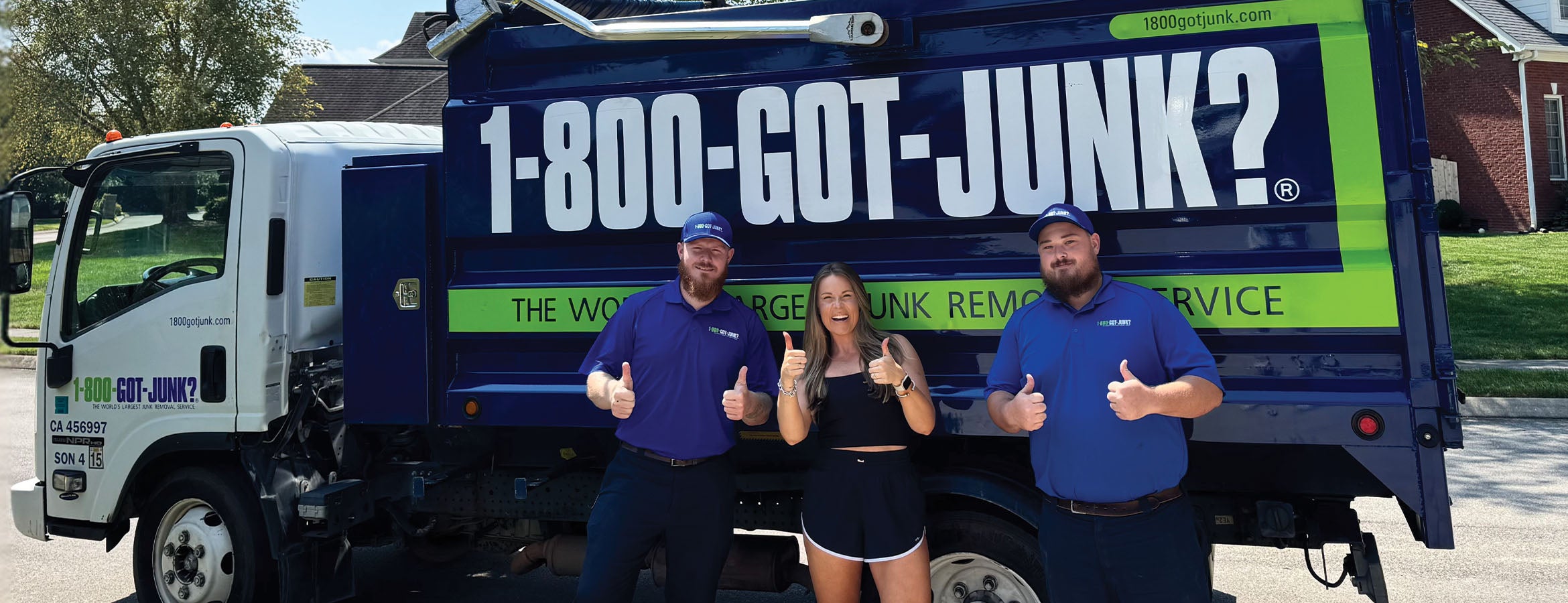
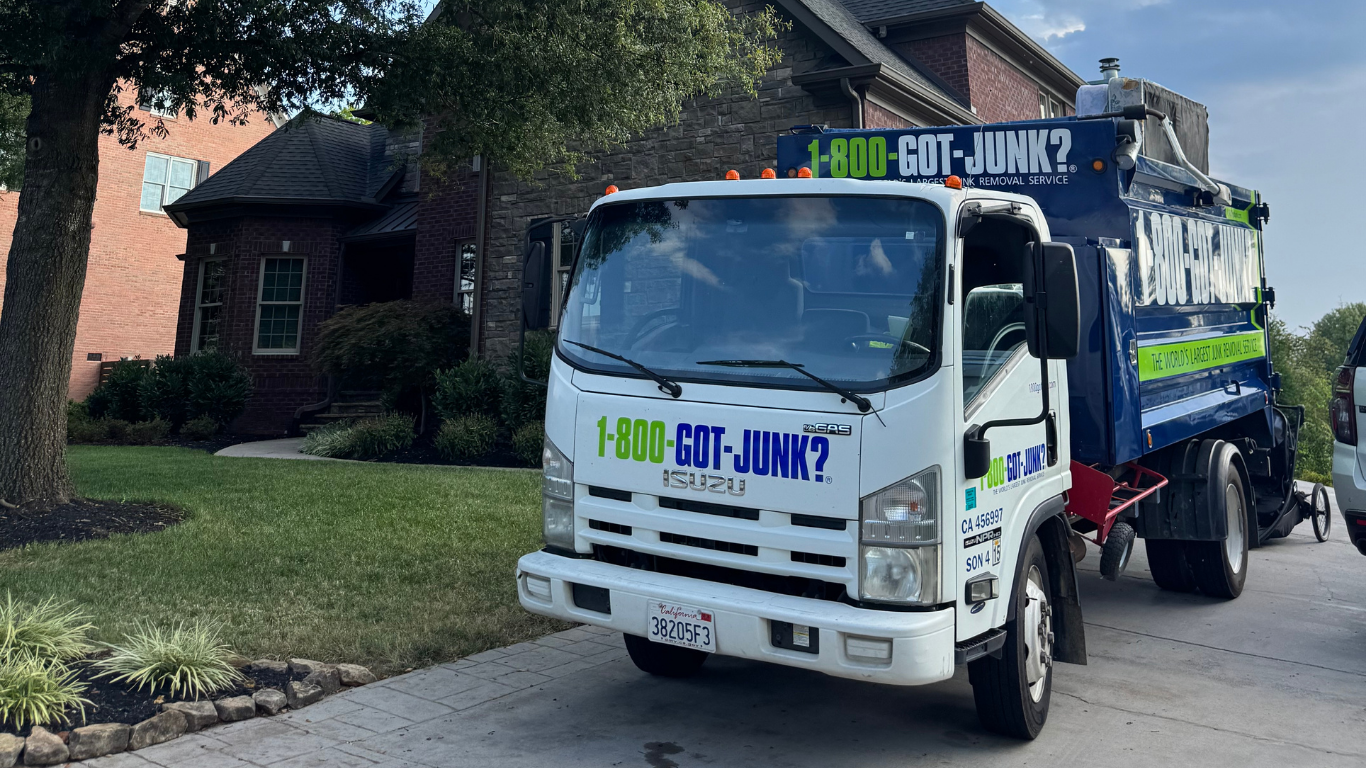
Full-service junk removal differs fundamentally from self-service waste management options like roll-off dumpster rentals or curb-side municipal trash pickup. While a dumpster rental requires you to do all the physical labor of carrying, lifting, and organizing debris into a metal container parked on your driveway for several days, a full-service provider sends a physical truck and a two-person crew directly to your location.
The process is designed for maximum convenience. When the team arrives, they assess the volume of the items you want to remove, provide an upfront, all-inclusive price quote, and—upon your approval—load everything directly into the back of their signature box trucks. This model suits homeowners, landlords, property managers, and business owners who lack the physical capability, time, or appropriate vehicle to transport bulky items like mattresses, old sofas, large appliances, or yard waste. Furthermore, because the crew handles the entire extraction process from interior rooms, basements, attics, or backyards, you avoid risking property damage to walls, doorframes, and floors that frequently occurs when untrained individuals attempt to move heavy furniture down narrow stairwells.
Scope of Accepted Items and Operational Limitations
While companies like 1-800-GOT-JUNK? accept a vast array of household and commercial goods, regulatory constraints, safety protocols, and disposal facility regulations dictate strict limits on what can be loaded into the trucks. Knowing these boundaries in advance prevents scheduling delays and ensures compliance with local environmental laws.
Accepted Household and Commercial Items
- Furniture: Couches, mattresses, box springs, dining tables, dressers, desks, filing cabinets, and bookcases.
- Appliances: Refrigerators, freezers, washers, dryers, dishwashers, stoves, and air conditioning units (subject to local freon-handling regulations).
- Electronics (E-Waste): Televisions, computers, monitors, printers, stereo equipment, and obsolete electronic devices.
- Yard Waste: Branches, twigs, leaves, sod, old fencing, landscaping debris, and patio furniture.
- General Clutter: Boxes of old books, toys, clothing, exercise equipment, and garage miscellaneous items.
- Renovation Debris: Drywall, carpeting, flooring, tiles, old cabinetry, and lumber scraps.
Prohibited Materials
For safety, legal, and environmental reasons, full-service haulers generally cannot transport hazardous waste. Prohibited items typically include:
- Asbestos and asbestos-containing materials.
- Chemicals, solvents, paint, and paint thinners.
- Industrial drums, oil drums, and hazardous chemical containers.
- Fuel, propane tanks, acetylene tanks, and other compressed gas cylinders.
- Biological waste, medical waste, and household garbage (wet trash or food waste in large quantities).
- Asphalt, concrete, and heavy masonry in quantities exceeding truck weight limits (though some locations permit limited amounts).
Pricing Structure and Volume-Based Estimates
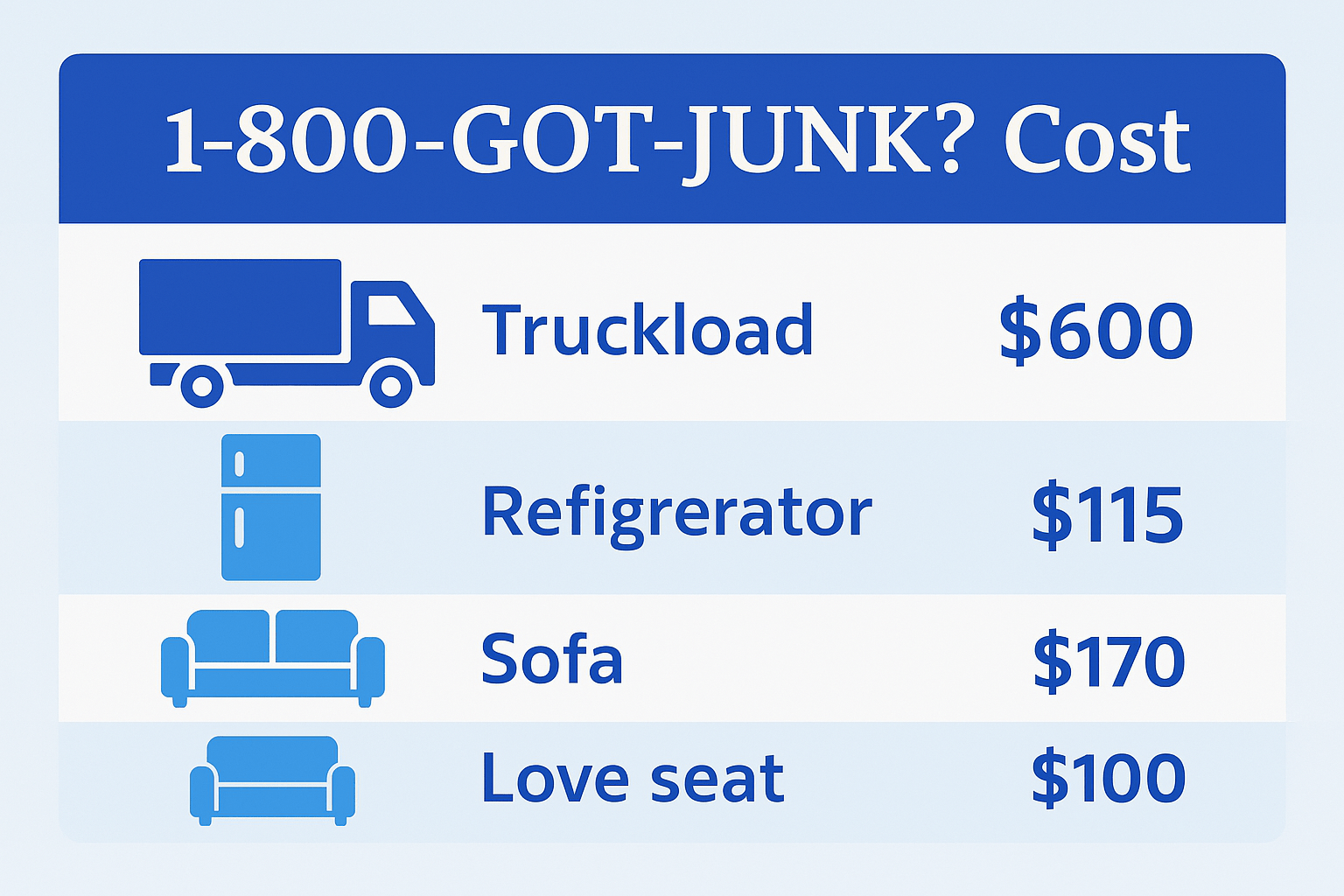
One of the most defining characteristics of full-service junk removal is its volume-based pricing model rather than a flat hourly rate. Because every job is unique, crews cannot typically provide an exact quote over the phone without seeing the items. Instead, pricing depends on how much space your junk occupies inside the truck box.
| Truck Load Fraction | Approximate Capacity Equivalent | Typical Use Case |
|---|---|---|
| Minimum Load | Single item or very small pile | A single mattress, small dresser, or television |
| 1/4 Truck | Small bedroom or office cleanout | Several boxes, a desk, and a chair |
| 1/2 Truck | Medium room or apartment partial cleanout | Sofa, mattress, coffee table, and multiple storage bins |
| 3/4 Truck | Large room or multi-area residential cleanout | Living room set, bedroom furniture, and miscellaneous boxes |
| Full Truck | Entire multi-room home or major estate cleanout | Large-scale cleanouts, extensive garage clearing, or bulky furniture sets |
Beyond sheer volume, certain specialty items may incur separate recycling or disposal fees due to municipal processing mandates. For instance, refrigerators and freezers often require specialized ozone-depleting substance (ODS) extraction, and televisions often carry strict electronics recycling fees. Always ask the on-site crew for a binding, no-obligation quote before work begins so you can approve the total cost without hidden surcharges.
Environmental Responsibility: Donation and Recycling Practices
Modern junk removal places heavy emphasis on diversion rates to keep reusable goods out of overcrowded landfills. Rather than driving straight to the nearest dump, professional operations generally sort collected loads to identify items suitable for secondary lifecycles.
Usable furniture, functional appliances, and household goods are frequently routed to local charitable organizations, thrift stores, and community shelters. This practice not only benefits individuals and families in need but also provides donors with tax documentation where applicable. For materials that cannot be donated, crews sort metals, paper, cardboard, plastics, and electronics to send to certified recycling facilities. Organic yard waste is frequently routed to commercial composting facilities. Ask your local franchise about their specific community donation partners and local recycling diversion metrics if sustainability is a primary priority for your project.
Step-by-Step Guide: How to Prepare for Your Junk Removal Appointment
Preparing properly for a junk removal service visit ensures the appointment runs efficiently, keeping labor times short and your property safe.
- Schedule Your Appointment: Book online or via phone. Most providers offer two-hour arrival windows and send automated reminder notices prior to the visit.
- Consolidate and Group Items: While crews can pull items from anywhere on your property, gathering items into a central location—such as a garage, driveway, or main room—accelerates the loading process.
- Separate Prohibited Materials: Check your pile to ensure no hazardous chemicals, paints, or gas cylinders are mixed in with standard furniture or cardboard boxes.
- Clear Pathways: Ensure hallways, stairwells, and exterior walkways are free of tripping hazards, pet toys, or parked vehicles so the team can maneuver safely with dollies and large objects.
- Review the On-Site Estimate: When the truck arrives, point out all items you want removed. Review the physical volume estimate and confirm the total price before giving the crew authorization to begin loading.
- Final Inspection and Sweep-Up: Once loading is complete, inspect the space. Reputable crews will sweep up loose debris, dust, or small fragments left behind in the removal area before processing payment.
Common Mistakes to Avoid When Hiring Junk Removal
Avoiding missteps during the junk removal process saves time, money, and frustration.
- Failing to Get an In-Person Estimate: Relying strictly on rough phone estimates without an on-site visual assessment often leads to mismatched expectations when the truck arrives and the actual volume differs from the description.
- Mixing Hazardous Materials with Standard Junk: Tucking cans of old paint or aerosol containers inside a box of household goods forces crews to reject those specific items, halting the job while you scramble to find proper hazardous waste disposal sites.
- Neglecting Access Constraints: Forgetting to notify the company about narrow rural roads, low-hanging trees, steep stairs, or strict building elevator booking policies can delay the truck or result in service cancellation fees.
- Treating Junk Removal as Household Trash Service: Using a professional removal truck for routine weekly garbage bags is cost-ineffective. Full-service hauling is optimized for bulky, heavy, or episodic volume spikes rather than everyday municipal waste.
Frequently Asked Questions
Do I need to move items to the curb before the crew arrives?
No. One of the primary benefits of full-service junk removal is that the crew enters your home, office, or property to pick up items directly from where they sit—whether that is an upstairs bedroom, a damp basement, a backyard shed, or an attic. You do not need to haul heavy items outside yourself.
How is the final price calculated if my load size is ambiguous?
Pricing is based strictly on the exact amount of space your items take up in the truck box, measured in fractions (from a minimum load up to a full truck). The crew assesses the items in person before touching anything, calculates the exact volume tier, and gives you a firm upfront price. If you agree, they load immediately. If you decline, there is no charge.
Can the crew dismantle large built-in furniture or structures?
Yes. Professional crews carry standard tools to dismantle bulky items that cannot fit through doorways or down stairs intact, such as large entertainment centers, pool tables, oversized bed frames, or modular shelving units. Be sure to mention complex dismantling needs when booking so the team arrives with appropriate tools.
Are tipping practices expected for junk removal crews?
Tipping is never mandatory, but it is customary and appreciated for crews that perform exceptionally hard physical labor, navigate difficult stairs, or handle delicate items with care. A standard tip ranges from $10 to $20 per crew member, or a percentage of the total job cost, depending on the scale and difficulty of the work.
What happens to my items after they are loaded into the truck?
Collected items are transported back to a local sorting warehouse or transfer station. There, crews separate items into categories for donation to local charities, recycling at certified facilities, or responsible disposal at licensed municipal waste management sites, minimizing overall environmental impact.
Next Actions and Conclusion
Hiring a professional junk removal service eliminates the physical strain, logistical planning, and vehicle constraints associated with cleaning out an estate, garage, or office space. To get started, take an inventory of the items you need removed, identify any potentially hazardous or prohibited materials, clear safe pathways through your property, and schedule an on-site evaluation with a reputable local provider to receive an upfront, no-obligation quote.