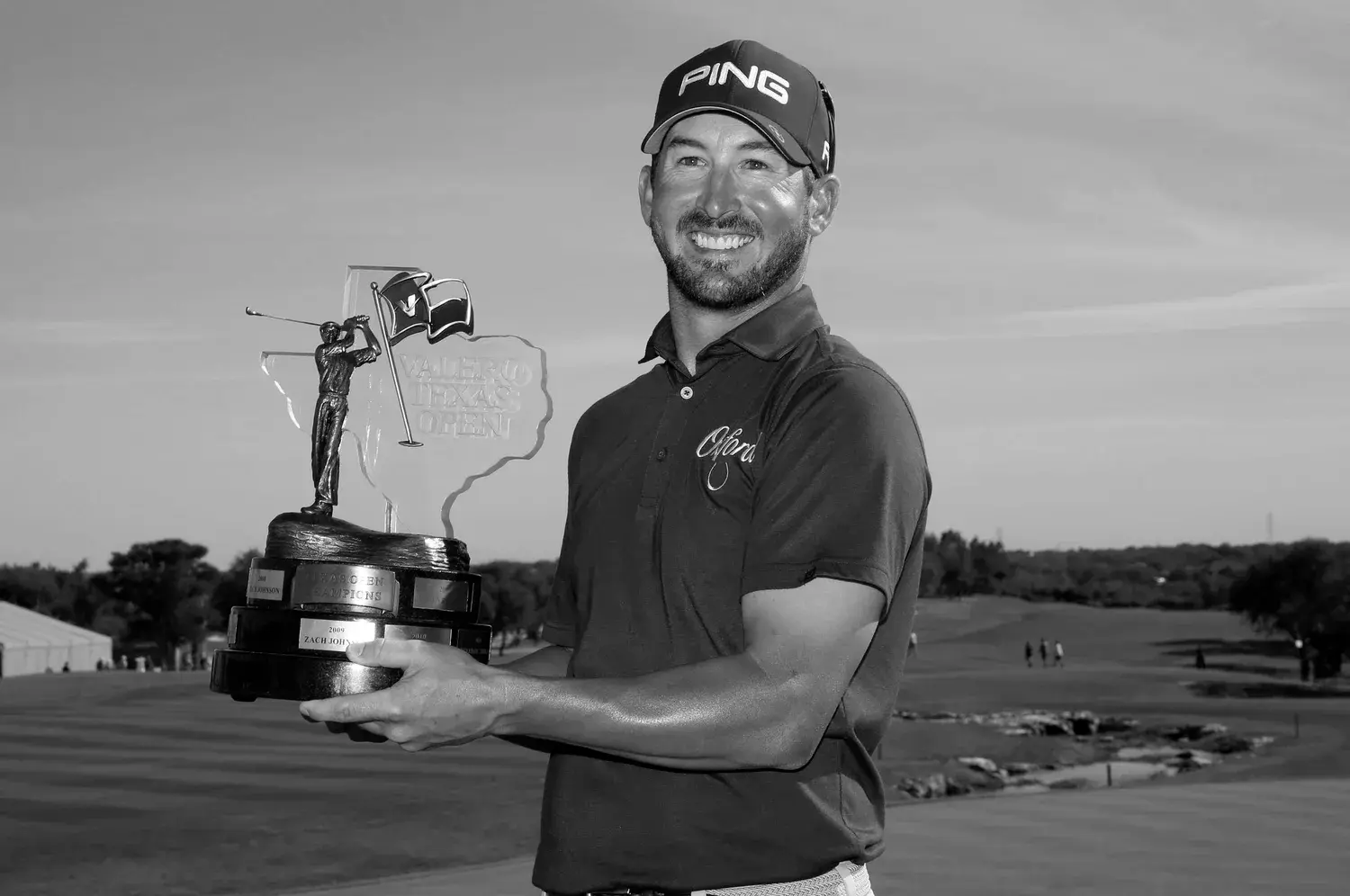
Andrew Landry’s estimated net worth sits between $5 million and $8 million as of 2026. While his official PGA Tour career prize earnings exceed $10.5 million, evaluating an elite golfer’s true net worth requires analyzing gross tournament payouts alongside heavy operational expenses—including caddie commissions, multi-state taxes, travel logistics, and coaching—offset by corporate endorsements and the PGA Tour’s deferred compensation program.
Disambiguation and Career Overview
When evaluating public discussions regarding net worth for "Andrew Landry," it is essential to establish entity identity. The primary public figure associated with this search intent is the American professional golfer Andrew Landry, born August 7, 1987, in Groves, Texas, who played collegiately at the University of Arkansas before turning professional in 2009. While secondary figures sharing the name exist in localized politics and regional business, mainstream financial reporting and athletic earnings tracking pertain exclusively to the multi-time PGA Tour champion.
Landry earned his PGA Tour card through perseverance on the Korn Ferry Tour (formerly the Web.com Tour), capturing two career victories on that developmental circuit: the 2015 Cartagena de Indias Karibana Championship and the 2017 Bahamas Great Abaco Classic. His ascension to the upper echelon of professional golf was highlighted nationally during the 2016 U.S. Open at Oakmont Country Club, where he held the first-round lead with a 4-under-par 66 and ultimately finished tied for 15th place.
Landry subsequently cemented his standing as a elite PGA Tour winner by winning the 2018 Valero Texas Open and the 2020 The American Express (formerly the CareerBuilder Challenge). These marquee victories delivered major financial payouts, multi-year tour exemptions, and access to lucrative championship fields, laying the financial foundation for his multi-million-dollar net worth.
Deconstructing Andrew Landry’s Net Worth: Gross Prize Money vs. Net Wealth
Public net worth aggregators often confuse gross career earnings with actual accumulated liquid and non-liquid assets. For a PGA Tour golfer, the gap between headline tournament payouts and retained personal net worth is substantial due to the unique financial structure of professional sports.
As an independent contractor rather than an employee, a professional golfer must fund their entire operational enterprise out of pocket. Landry’s official PGA Tour career earnings of over $10.5 million represent gross revenues generated before deducting federal and state taxes, caddie compensation, agent management fees, travel overhead, and player support staff salaries.
- Gross PGA Tour Earnings (~$10.5M+)
- Endorsement Income (Sponsorships, Apparel, Equipment)
- Retained Equity & Deferred Compensation (PGA Tour Pension Plan)
- Minus Required Operational Outflows:
- Multi-State Non-Resident Taxes (35%–45% Effective Tax Rate)
- Caddie Compensation (Base Salary + 5%–10% Cut of Purses)
- Travel & Logistics Costs ($100k–$150k Annually)
- Agent, Management, Coaching & Support Staff Fees
- Estimated Personal Net Worth: $5M – $8M
Taking into account tax obligations across dozens of state jurisdictions, routine career maintenance expenses, and modest investment returns on saved income, financial analysts estimate Landry’s true net wealth in 2026 to be between $5 million and $8 million.
Income Streams: PGA Tour Purses and Corporate Sponsorships
A professional golfer of Landry's caliber derives income from two principal channels: on-course competition performance and off-course commercial partnerships.
1. Official On-Course Tournament Purses
The primary driver of Landry's financial portfolio is his performance in PGA Tour events. The PGA Tour operates under a performance-only payout structure where players who miss the 36-hole cut generally receive zero prize money for that week while still incurring all travel and staff expenses. Landry’s financial trajectory was transformed by high-margin wins:
- 2018 Valero Texas Open: Landry earned $1,152,000 for his inaugural PGA Tour victory in San Antonio, Texas.
- 2020 The American Express: Landry secured his second title in La Quinta, California, taking home a winner's check of $1,206,000.
- Regular Season Top-10 Finishes: Across his career, Landry registered numerous top-10 finishes, each typically yielding between $150,000 and $400,000 depending on purse sizing and field strength.
2. Corporate Endorsements and Equipment Contracts
Off-course sponsorship income provides crucial revenue stabilization, offering guaranteed base compensation regardless of weekly tournament outcomes. Key sponsorship categories for tour players like Landry include:
- Equipment and Apparel Contracts: Partnerships with leading golf manufacturers (such as PING, Titleist, or Callaway) provide financial stipends alongside free equipment, custom fitting services, and performance bonuses tied to World Golf Ranking milestones or tournament wins.
- Corporate Apparel Logos: Front-of-cap, sleeve, and chest branding spots on tournament apparel are routinely leased to corporate sponsors, local Texan enterprises, and financial service firms.
- Corporate Outings and Appearances: Established PGA Tour winners frequently earn private appearance fees ranging from $10,000 to $50,000 for single-day corporate outings, sponsor dinners, or golf clinic demonstrations.
The Hidden Costs of Professional Golf: Overhead Expenses Explored
To understand why a golfer with $10.5 million in gross earnings maintains a net worth closer to $5 million–$8 million, one must examine the cost structure of professional golf operations.
Caddie Compensation Structure
Caddies are vital operational partners on the course, and their compensation follows a standard industry format:
- Weekly Base Retainer: Tour caddies receive a fixed weekly stipend—typically between $1,500 and $2,500—to cover their personal travel, lodging, and food expenses regardless of tournament results.
- Performance Cut: When a player makes the cut, the caddie earns a percentage of the total check:
- 5% for making the cut outside the top 10.
- 7% for a top-10 finish.
- 10% for a tournament victory.
Across two PGA Tour victories (yielding ~$235,000 in caddie bonuses alone) and over a decade of tour play, caddie compensation represents a significant, necessary deduction from gross prize earnings.
Multi-State Tax Obligations ("The Jock Tax")
Unlike traditional workers residing in one state, professional athletes pay non-resident state income taxes in every jurisdiction where they earn money. For Landry, playing 22 to 28 events per year across California, Florida, Texas, Illinois, Ohio, and North Carolina requires complex tax filings in a dozen or more states annually. When combining federal top-tier tax brackets with state tax burdens, a tour golfer's effective tax bite frequently consumes 40% to 45% of total earnings.
Travel and Operational Logistics
A full PGA Tour season demands extensive travel over 25 to 30 weeks per year. Costs incurred directly by the player include:
- Commercial airfare (or private charter flights during condensed schedules).
- Rental cars and ground transport.
- Hotel accommodations or private rental homes near tournament host courses.
- Food, nutrition, and recovery logistics.
Annual travel overhead for a tour player and their core team routinely averages $100,000 to $150,000 per year, representing over $1 million in cumulative career expense across a ten-year touring career.
Professional Management and Support Teams
Maintaining peak physical and swing performance requires a team of specialized contractors:
- Swing Coaches and Putting Specialists: Retained on monthly retainers or day rates plus travel coverage.
- Physical Therapists and Athletic Trainers: Essential for injury prevention and physical conditioning during grueling stretches of the schedule.
- Sports Management Agencies: Talent management firms typically take 10% to 20% of off-course endorsement revenue for negotiating deals, handling public relations, and managing scheduling logistics.
Comprehensive Financial Overview: Career Earnings vs. Expense Breakdown
The following table contextualizes Andrew Landry’s financial trajectory, comparing raw career prize earnings against estimated net operational deductions to demonstrate how net worth builds over a professional golf career.
| Financial Indicator / Milestone | Estimated / Official Value | Financial Context & Key Details |
|---|---|---|
| Official PGA Tour Prize Earnings | ~$10,500,000+ | Gross official purses from 150+ PGA Tour starts. |
| Korn Ferry Tour Prize Earnings | ~$600,000+ | Gross developmental tour earnings (2 career titles). |
| Marquee Victory Payouts | ~$2,358,000 combined | 2018 Valero Texas Open ($1.15M) & 2020 American Express ($1.20M). |
| Estimated Endorsement Income | $1,500,000 – $3,000,000 | Cumulative career equipment, apparel, and corporate partner deals. |
| Estimated Tax Liabilities (Federal + State) | -$4,500,000 – -$5,200,000 | Effective combined rate of ~40%–45% across multiple state filings. |
| Caddie Fees & Performance Cut | -$900,000 – -$1,200,000 | Weekly retainers plus 5%/7%/10% performance commissions. |
| Travel & Lodging Overhead | -$1,000,000 – -$1,400,000 | Cumulative expenses over ~10+ active touring seasons. |
| Coaching, Agent & Medical Expenses | -$600,000 – -$900,000 | Swing coaches, trainers, managers, and administrative expenses. |
| Estimated Net Wealth Range | $5,000,000 – $8,000,000 | Retained net liquid assets, real estate, equity, and investments. |
Andrew Landry’s Career Milestones and Earnings Timeline
Understanding Landry’s net worth requires examining the chronological timeline of his professional development and financial inflection points.
- 2009: Turns Pro
- 2015: 1st Korn Ferry Win
- 2016: U.S. Open Breakthrough
- 2018: Valero Texas Open Win
- 2020: American Express Win
The Mini-Tour and Developmental Stage (2009–2014)
After graduating from the University of Arkansas, Landry spent several years grinding on mini-tours (including the Adams Pro Tour and eGolf Professional Tour). During this period, gross earnings were minimal, often barely covering weekly entry fees ($1,000–$1,500 per event) and driving expenses. Many developmental players rely on private financial backers or financial sponsors who receive a percentage of early career winnings in exchange for funding initial operating capital.
Korn Ferry Tour Success (2015–2017)
Landry made his major professional breakthrough on the Korn Ferry Tour. Winning the 2015 Cartagena de Indias Karibana Championship in Colombia provided $126,000 in prize money and secured his initial promotion to the PGA Tour for the 2015–2016 season. After dropping back to the developmental circuit, he captured the 2017 Bahamas Great Abaco Classic, re-earning his full PGA Tour status and demonstrating the resilience required to maintain a long-term top-tier career.
Major Championship Visibility: The 2016 U.S. Open at Oakmont
At the 2016 U.S. Open, Landry gained international recognition by opening with a historic 4-under 66 to take the first-round lead at one of golf's most punishing venues. Finishing tied for 15th place earned him $152,244 and elevated his commercial profile, paving the way for improved endorsement contracts upon his return to full-time PGA Tour play.
PGA Tour Championship Wins (2018–2020)
Landry’s most profitable period occurred between 2018 and 2020:
- April 2018: Captured the Valero Texas Open by two strokes over Trey Mullinax and Sean O'Hair. The $1.15 million check dramatically altered his financial security, while the accompanying two-year tour exemption guaranteed entry into high-dollar invitationals and majors.
- January 2020: Secured his second PGA Tour title at The American Express in La Quinta, California, shooting 26-under par to beat Abraham Ancer. The victory generated $1.206 million in prize money and extended his tour exemption through the 2021–2022 season.
Financial Management and Wealth Preservation for PGA Tour Athletes
Long-term wealth retention in professional golf depends heavily on prudent financial planning, asset allocation, and leveraging tour-provided benefits.
The PGA Tour Non-Qualified Deferred Compensation Plan
One of the most powerful financial advantages available to established PGA Tour players like Landry is the PGA Tour Player Retirement Plan. Widely considered one of the most generous pension programs in professional sports, the plan operates through deferred compensation funded by tour revenues, cut-making bonuses, and tournament sponsor contributions.
- Cut-Based Contributions: Players receive deferred financial allocations into investment accounts based on the number of cuts made during a season.
- FedExCup Bonus Deferrals: Bonus pools earned through regular-season standings are automatically invested into tax-deferred compound growth accounts.
- Vesting and Distribution: Funds within the PGA Tour pension plan grow tax-deferred and typically cannot be accessed until the player reaches age 50 or 60. As a result, a significant portion of a golfer's long-term net worth is held in tax-sheltered investment accounts that are excluded from casual public estimates.
Investment Strategies and Asset Allocation
To maintain financial stability during years when tournament play yields lower payouts, professional golfers typically construct conservative, cash-flow-oriented investment portfolios:
- Real Estate Assets: Primary residences in tax-favorable states (such as Texas or Florida) provide capital growth while mitigating state income taxes on passive investments.
- Equities and Fixed Income: Liquidity reserves are maintained in conservative index funds, municipal bonds, and dividend-paying equities to offset seasonal cash flow fluctuations caused by missed cuts.
- Private Business Ventures: Successful players often reinvest earnings into regional franchises, commercial real estate partnerships, or golf training facilities.
Frequently Asked Questions
What is Andrew Landry’s official total career earnings on the PGA Tour?
As of recent official filings, Andrew Landry has accumulated over $10.5 million in gross prize money on the PGA Tour, supplemented by approximately $600,000 earned during his time on the Korn Ferry Tour.
How does Andrew Landry make money besides tournament prize payouts?
In addition to tournament purses, Landry earns income through corporate equipment and apparel sponsorships (such as hats, gloves, bags, and clubs), brand representation contracts, corporate outing appearance fees, and returns from private investments.
What percentage of a golfer’s prize money goes toward expenses?
A professional golfer typically pays 40% to 45% in combined federal and multi-state taxes, 5% to 10% to their caddie, 10% to 20% in management fees for off-course income, and $100,000+ per year in travel, coaching, and lodging. Overall, expenses can consume 50% to 65% of gross prize earnings.
How did winning the Valero Texas Open impact Andrew Landry's net worth?
Winning the 2018 Valero Texas Open earned Landry a $1.152 million payout, but more importantly, it earned him a two-year PGA Tour exemption, guaranteed spots in high-purse events like The Masters and The Players Championship, and significantly higher endorsement terms from sponsors.
Does PGA Tour prize money reflect a player’s true net worth?
No. Official prize money figures reflect gross revenue earned before deducting taxes, travel costs, caddie commissions, agent fees, and living expenses. Conversely, headline prize figures also omit off-course endorsement revenue, private business earnings, and accumulated deferred pension funds.
Key Takeaways and Financial Summary
Evaluating Andrew Landry’s net worth in proper context highlights the operational realities of professional sports economics. While gross tournament winnings exceed $10.5 million, a realistic net wealth estimate of $5 million to $8 million reflects the true bottom line after mandatory operational outflows, multi-state taxes, and travel expenses are accounted for.
Through multi-year PGA Tour exemptions, two high-profile PGA Tour victories, strategic endorsement deals, and the compounding security of the PGA Tour pension program, Landry has built a robust financial foundation capable of sustaining long-term wealth well beyond his active playing career.