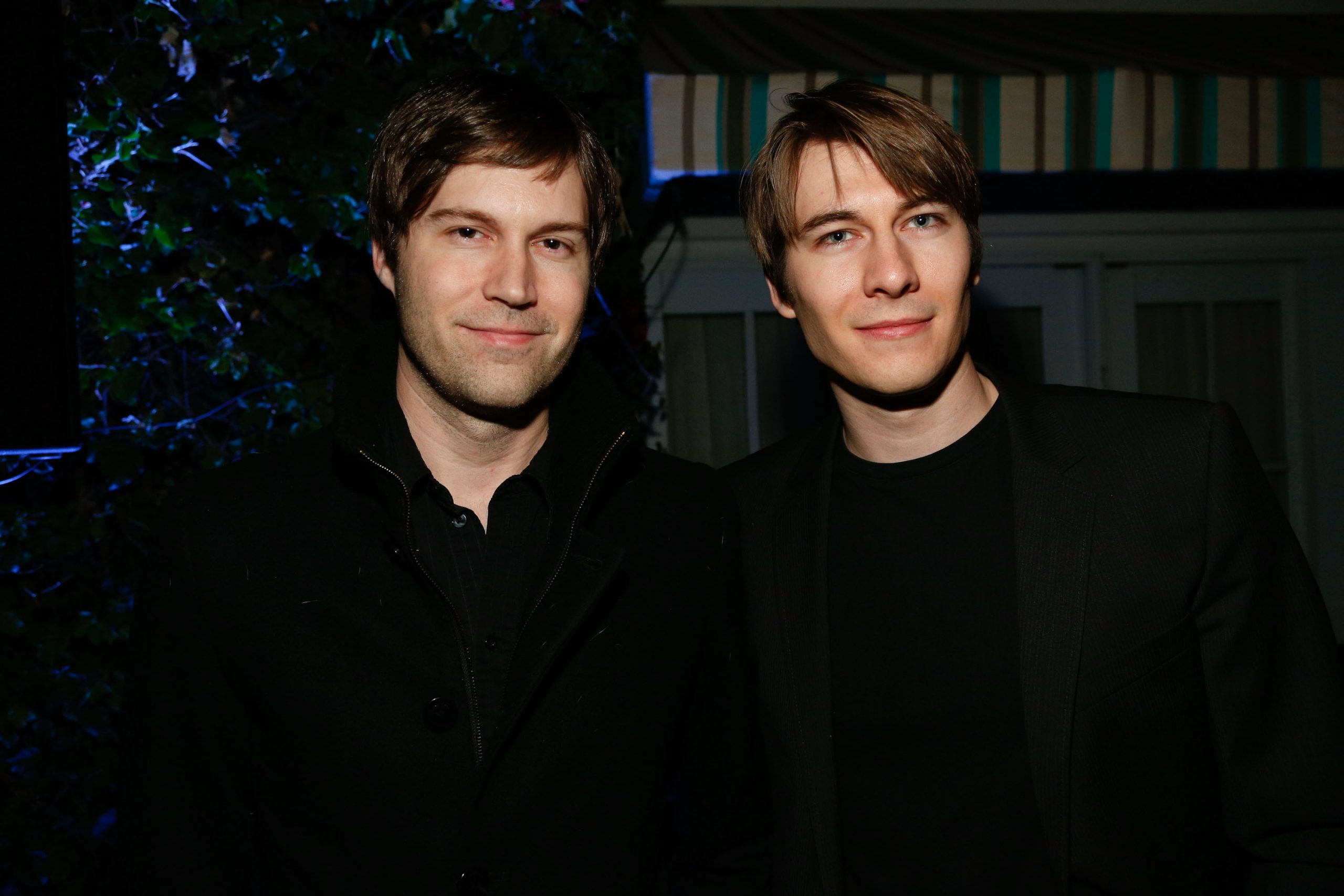
Andrew Latimer’s net worth is estimated to be between $2 million and $5 million. As the primary composer, lead guitarist, vocalist, and sole continuous member of the iconic progressive rock band Camel, his wealth stems from five decades of album sales, global touring, publishing royalties, and the pioneering establishment of his independent record label, Camel Productions.
Unlike mainstream rock musicians whose wealth is generated primarily through stadium tours and high-profile commercial sponsorships, progressive rock artists operating outside the mainstream pop pipeline build enduring net worth through catalog longevity, intellectual property ownership, and direct fan distribution. Understanding Andrew Latimer's financial standing requires examining how the music industry's economic models evolved from the major label system of the 1970s to self-managed independent music ownership.
Breakdown of Andrew Latimer’s Estimated Wealth
Evaluating the net worth of legacy progressive rock musicians requires analyzing multiple historical and active revenue streams. While private personal assets and investment portfolios are not published in public filings, industry estimates place Andrew Latimer’s net worth in the multi-million dollar range.
| Revenue Stream / Asset Category | Primary Drivers & Valuation Factors | Financial Impact |
|---|---|---|
| Recorded Music Royalties (1970s–1980s) | Sales of classic albums (The Snow Goose, Moonmadness, Mirage) under Decca/Deram Records | Sustained baseline passive income through physical reissues and streaming |
| Camel Productions (Independent Label) | Direct ownership of master recordings from 1991 onward (Dust and Dreams, Harbour of Tears, live DVDs) | High margin revenue retention (70%+ net vs. traditional 10-15% label split) |
| Publishing Rights & Mechanical Royalties | Primary composer/songwriter credit on the vast majority of Camel’s discography | Performance royalties from radio, digital streaming services, and international broadcasts |
| Live Performances & Concert Tours | Headline theater and festival tours across Europe, Japan, and North America (1970s–2020s) | Major primary cash flow engine during active tour cycles |
| Merchandise & Physical Media Sales | High-end vinyl pressings, remastered boxed sets, official apparel, and concert films | Consistent direct-to-consumer revenue via official store channels |
Early Career and the Major Label Era (1970–1985)
Andrew Latimer co-founded Camel in 1971 alongside keyboardist Peter Bardens, bassist Doug Ferguson, and drummer Andy Ward. Signed to MCA and subsequently Decca/Deram Records, the band quickly established itself alongside contemporaries like Genesis, Yes, and Pink Floyd as a vanguard of British progressive rock.
The Financial Dynamics of 1970s Album Releases
During the mid-1970s, Camel achieved substantial commercial and critical success. The release of their second album, Mirage (1974), and their instrumental breakthrough masterpiece, The Snow Goose (1975), brought international recognition. The Snow Goose reached the Top 30 in the UK Albums Chart and earned silver certification, serving as a primary wealth-building asset during the decade.
However, the traditional major label structure of the 1970s was notoriously restrictive regarding royalty splits for artists:
- Production Advances and Recoupment: Major record contracts required bands to pay back recording costs, tour support, and promotional expenditures out of their royalty shares before receiving direct payouts.
- Low Artist Royalty Percentages: Standard record contracts in that era typically awarded artists between 8% and 14% of wholesale record sales.
- Split Compositional Credits: In Camel’s early years, songwriting credits were largely shared between Andrew Latimer and Peter Bardens, distributing mechanical royalties equally between the primary co-founders.
Despite high album production overheads, classic releases like Moonmadness (1976) and Rain Dances (1977) sustained Latimer's income through steady global album sales, extensive world tours, and international radio airplay.
Founding Camel Productions: A Masterclass in Financial Independence
By the late 1980s, progressive rock faced changing commercial landscapes with the rise of synth-pop and alternative rock. Major labels often pressured legacy acts to alter their musical directions or dropped them altogether. Facing legal disputes with former management and an industry reluctant to finance progressive rock projects, Andrew Latimer made a pivotal decision that redefined his financial legacy.
In 1991, Latimer relocated to the United States, sold his house in England, and used the capital to found Camel Productions, an independent record label dedicated exclusively to managing and distributing Camel's music.
Traditional Label Model vs. Independent Label Ownership Model:
- Traditional Label (1970s–1980s):
- Gross Sales
- Major Record Label
- Recoupment Deductions
- ~10-15% Royalty Split
- Artist
- Camel Productions Model (1991–Present):
- Gross Sales
- Camel Productions
- Manufacturing/Distribution
- ~70-80% Direct Retention
- Andrew Latimer
Why Ownership Transformed Latimer's Financial Trajectory
Establishing an independent label gave Andrew Latimer complete ownership over his master recordings starting with the 1991 concept album Dust and Dreams.
- Higher Profit Margins per Unit: Under a traditional label, an artist might earn $1.00 to $1.50 per sold CD. By controlling manufacturing, distribution, and direct mail-order sales, Camel Productions retained $7.00 to $10.00 per physical unit sold.
- Reclaiming Legacy Distribution: Camel Productions secured license agreements to distribute live albums, archival recordings, and concert DVDs, keeping revenue flowing directly back to Latimer and his partner, Susan Hoover.
- Control Over Direct-to-Fan Sales: Long before modern digital storefronts became standard, Camel Productions utilized early internet e-commerce and mail-order operations, shielding Latimer from middleman distributor fees.
This independent business structure turned Camel from a corporate-dependent recording act into an efficient, self-sustaining niche enterprise.
Publishing Royalties, Songwriting, and Streaming Income
Songwriting royalties represent one of the most durable sources of passive income for legacy musicians. As Camel's lead composer, Andrew Latimer holds sole or primary writing credits on landmark tracks such as "Lady Fantasy," "Ice," "Rhayader," "Stationary Traveller," and "Long Goodbyes."
Songwriting vs. Master Recording Rights
To understand Latimer's ongoing catalog earnings, it is helpful to divide musical revenue into two distinct licensing streams:
- Compositional/Publishing Royalties: Earned whenever a song written by Latimer is broadcast on radio, performed live, streamed digitally, or pressed onto physical media. Performance rights organizations (PROs) collect these royalties worldwide and distribute them directly to the writer.
- Master Recording Rights: Income generated from the actual audio recordings. While Decca/Universal Music Group retains historical ownership over Camel's 1970s studio catalog, Latimer receives contractual performance royalties on physical reissues and digital streams. For all post-1991 releases, Latimer owns the master recordings entirely.
The Impact of Modern Streaming Metrics
While progressive rock songs are typically longer than mainstream radio tracks—meaning fewer plays per hour on traditional radio—streaming platforms like Spotify, Apple Music, and Amazon Music provide steady long-tail global revenue. Camel maintains hundreds of thousands of monthly listeners across streaming networks.
For an established catalog of Camel's scale, streaming royalties generate dozens of thousands of dollars annually in passive catalog income, supplementing physical vinyl reissue sales and box-set licensing deals.
Live Performance Revenues and Touring Business Models
Live touring historically served as the primary wealth generator for established progressive rock musicians. Throughout the 1970s, 1980s, 1990s, and 2010s, Camel built a dedicated live audience across Western Europe, Japan, South America, and North America.
Estimated Financial Structure of an Independent Heritage Tour:
- Gross Ticket Sales
- Venue Rental & Production Costs (Lighting, Sound, Logistics) (~35%)
- Band & Crew Salaries / Travel / Accommodations (~35%)
- Booking Agent & Local Promoter Commissions (~10%)
- Net Income to Tour Owner (Camel Productions / Andrew Latimer) (~20%)
Mid-Scale Theater and Festival Economics
Camel's touring model intentionally focused on mid-scale theaters (capacities between 1,500 and 4,000 seats) and major progressive rock festivals. By managing production budgets tightly through Camel Productions:
- Controlled Overhead: Rather than hiring massive stadium crews, Latimer toured with lean, highly skilled musicians and tech teams, maximizing the net payout per show.
- Live Albums and Video Captures: Almost every major Camel tour resulted in an officially recorded live album or concert DVD (such as Never Let Go, Coming of Age, and The Snow Goose Live at The Barbican). These live releases allowed touring efforts to be monetized long after the concert dates ended.
Health Challenges and Career Resilience
In the mid-2000s, Andrew Latimer faced serious health complications that temporarily put his music career and financial stability on hold.
Polycythemia Vera and Recovery
In 2007, it was made public that Latimer had been struggling with Polycythemia vera, a rare blood disorder that later progressed to myelofibrosis. The condition required extensive medical treatments, chemotherapy, and a bone marrow transplant in late 2007.
The medical process required a prolonged hiatus from touring and recording between 2007 and 2013. In the music industry, extended breaks from live performance often lead to significant drops in income. However, several factors helped preserve Latimer's financial base:
- Sustained Direct Mail-Order Revenue: Camel Productions continued operating during his illness, selling back-catalog CDs, DVDs, and merchandise directly to fans worldwide.
- Catalog Resilience: Passive publishing and mechanical royalties provided an ongoing income stream that did not depend on physical touring.
- Triumphant Return to Live Performance: In 2013, fully recovered, Latimer returned to the stage with a sold-out tour performing The Snow Goose in its entirety, demonstrating the enduring commercial demand for Camel’s live performances.
Andrew Latimer's Financial Profile Summary
To synthesize Andrew Latimer’s financial standing, his overall economic profile reflects a conscious choice to prioritize artistic freedom and catalog ownership over maximum corporate commercialization.
Andrew Latimer: Financial Profile & Asset Summary:
- Estimated Net Worth: $2,000,000 – $5,000,000 USD
- Primary Revenue Source: Camel Productions Catalog & Master Rights (Post-1991)
- Secondary Income: Publishing Royalties (Decca/Deram Era Compositional Rights)
- Business Model: Direct-to-Consumer / Independent Label Ownership
- Key Retained Assets: Songwriting Catalog, Camel Productions Enterprise, Audio/Visual Masters
Frequently Asked Questions (FAQ)
What is Andrew Latimer's estimated net worth?
Andrew Latimer's net worth is estimated between $2 million and $5 million. This estimate is based on decades of album sales, touring income, primary songwriting royalties, and full ownership of his independent record label, Camel Productions.
Does Andrew Latimer own the rights to all Camel albums?
Andrew Latimer owns the master rights to all Camel material released from 1991 onward through his label, Camel Productions. The master recordings from Camel's 1970s and 1980s albums (such as Mirage and The Snow Goose) are owned by Universal Music Group (formerly Decca/Deram), though Latimer continues to receive performance royalties and primary songwriter publishing revenues from those works.
How did founding Camel Productions impact his overall net worth?
Establishing Camel Productions in 1991 allowed Latimer to bypass major label intermediaries. By controlling the manufacturing, distribution, and sales of Camel's physical and digital releases, Latimer retained significantly higher profit margins per album sold compared to standard major-label royalty rates.
Is Andrew Latimer still active in performing and recording?
Yes. Following a full recovery from a bone marrow transplant in 2007, Latimer returned to touring in 2013 and has continued writing, performing, and releasing music projects periodically, maintaining an active relationship with his global fanbase.
What are the main sources of royalties for progressive rock artists like Andrew Latimer?
Progressive rock musicians like Latimer derive royalties from three main sources: mechanical royalties from physical vinyl/CD sales, performance royalties collected by publishing organizations for global radio/TV broadcast and streaming plays, and licensing fees for reissues, concert films, and live recordings.
Next Steps and Key Takeaways
Andrew Latimer’s financial success serves as an important case study in modern music business economics. Rather than relying on label support or chasing mainstream pop trends, he built a sustainable financial estate by taking direct ownership of his intellectual property and maintaining a direct connection with a dedicated global audience.
For fans, musicians, and industry analysts examining music business models, Latimer’s career offers clear takeaways:
- Prioritize IP Ownership: Reclaiming master rights and publishing catalog control generates far greater long-term value than short-term record label advances.
- Diversify Revenue Streams: Combining live performance capture, physical box sets, streaming distributions, and direct fan merchandising protects against industry shifts.
- Targeted Operations: Building an independent label around a loyal, dedicated fanbase creates a recession-resistant business model capable of enduring career interruptions and changing market landscapes.